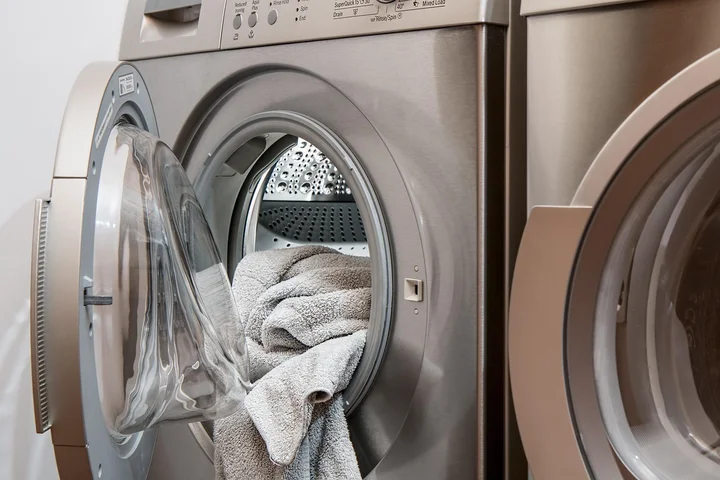
How to Wash Clothes Inside Out to Keep Fabrics Looking New?
Worried about your favorite shirt fading or your couch covers wearing out too fast? Washing clothes and covers inside out is a simple, proven method to shield fabrics from agitation and friction, keeping colors bright and surfaces smooth.
This guide will show you exactly how to do it right, covering:
- The real reasons this method works so well for different materials.
- My step-by-step routine, tested on everything from kids’ soccer jerseys to delicate slipcovers.
- Special tips for caring for upholstery and other fabric covers.
- Key mistakes that can accidentally damage your items.
I’ve used these fabric-care strategies for years in my own home, from preserving Jason’s team uniforms to handling Jessica’s messy art-smock days.
The Simple Magic of Washing Inside Out: Your Secret Stain Weapon
Jason’s soccer jersey hit the laundry room floor with a thud. It was caked in mud from a slide tackle and had a dull green grass stain on the shoulder.
I used to toss things like that in right-side out. The colors faded fast, and deodorant marks on Roger’s dark t-shirts never really left.
Now, my first step is always the flip. I turn every jersey, tee, and pair of jeans inside out.
Washing clothes inside out shields the outside you see from friction and fading.
The agitation in your washer is tough on fabric. It causes pilling and wears down dyes.
By flipping the garment, the plain interior takes this beating, not the printed or delicate outer layer.
More importantly, it lets the wash action target the real problem.
Your skin presses dirt, oils, and sweat into the fabric’s interior, not just on the surface.
Turning a shirt inside out exposes that grimy inner layer directly to water and detergent.
Yes, you are supposed to wash most clothes inside out. I do it with almost everything except formal wear.
It is a simple trick that makes a huge difference in keeping clothes looking new.
Chemistry Corner: Why Dirt Clings to the Inside
To clean effectively, you need to know what you are fighting. The inside of your clothes hosts a few common stain types.
Body oils are oily and sticky. They come from your skin and love to bind to fibers.
Sweat is mostly water, but it contains salts and proteins. These can leave a stiff, yellowed residue over time.
Deodorant and antiperspirants often have waxes and aluminum compounds. They create those pasty white marks on dark fabrics.
Detergent and agitation work best when they can attack the stain source directly.
Modern detergents have enzymes to break down proteins and surfactants to lift oils.
When a shirt is inside out, the agitator rubs the detergent right into the stained interior where these soils are trapped.
If the shirt is right-side out, the detergent has to work through the outer layer first. It is less efficient.
I think of it like washing a dirty plate. You would not just rinse the clean underside.
You turn it over and scrub the food-side first. That is exactly what you are doing for your clothes.
My mom, Martha, taught me this. She said it saves elbow grease. She was right.
What to Always Turn Inside Out (and the Rare Exceptions)

Turning clothes inside out is my default setting for most loads. It feels like a small magic trick for keeping things looking new.
I learned this from years of saving my son’s favorite shirts from fading and my husband’s work gear from wearing out too fast.
Your Must-Turn List
Make this your mental checklist as you load the washer. These items get the inside-out treatment every single time.
- Graphic Tees & Printed Sweatshirts: The friction from the washer drum acts like fine sandpaper on those designs. Flipping them protects the art from cracking and peeling.
- Jeans & Dark Colors: This is all about color preservation. The inside-out method significantly reduces the fading caused by fabric rubbing against itself and the machine. My dark-wash jeans last twice as long now.
- Anything with Embroidery: Yes, you absolutely wash embroidered clothes inside out. Those raised threads are fragile and can snag or get worn down. Turning the piece protects the intricate stitching.
- Workout Gear: This serves two purposes. It protects any printed logos, but more importantly, it ensures the inner layer-the part soaked with sweat-gets the most direct contact with water and detergent.
- Most Fleece & Terry Cloth: These fabrics love to pill. Washing them inside out contains the pilling to the interior, keeping the soft outside looking smooth.
The Hoodie Question
“Do you wash hoodies inside out?” You bet I do. I handle my husband Roger’s collection this way.
Flipping a hoodie prevents the outer fleece from developing those annoying little balls of fuzz. Just as crucial, it lets the washer clean the hood’s interior, where sweat and skin oils love to hide.
That hood lining needs a direct hit of soapy water to come truly clean and fresh.
When to Break the Rule: The Exceptions
This rule isn’t absolute. For some items, logic has to come first.
Think of heavily soiled work clothes. My husband’s jeans after a day in the garden are a prime example. The primary mud stain is on the outside.
Here’s my method for that.
- Treat the stain on the outside first. I’ll gently scrape off dried mud, then pre-treat with a stain remover.
- Wash the item right-side out for the first cycle. This lets the detergent attack the stain directly.
- For future, less dirty washes, I go back to washing them inside out to protect the fabric’s color and finish.
The goal is always to clean the soil effectively first, then use the inside-out trick to preserve the garment long-term.
Your Pre-Wash Ritual: Setting Up for Stain Success
Treat Stains *Before* The Inside-Out Flip
Think of turning a stained item inside out as putting on a raincoat. It protects the outside, but the wet spot on your shirt is still there underneath.
Always tackle visible stains from the side they happened on. This lets the cleaner soak directly into the problem area.
For a grease splatter from Roger’s hunting jacket, I apply a tiny drop of clear dish soap directly on the spot.
For a milk spill on Jessica’s onesie, I use a dab of an enzyme-based cleaner. These formulas are made to break down proteins.
My mom, Martha, taught me to use a clean, old toothbrush to gently work the cleaner into the fabric fibers.
It creates a little lather right where you need it. This beats just rubbing the fabric and risking spreading the stain.
Let the treated stain sit for 5-10 minutes before you flip the garment and put it in the wash.
Secure Everything: Zippers, Hooks, and Velcro
Open zippers and loose hooks are like tiny claws in your washing machine. They snag and pull at other fabrics.
This creates pilling and small tears that look just like damage from a bad stain.
- Zip up all jackets, pants, and hoodies completely.
- Fasten bra hooks and any other clasps.
- Fold or roll Velcro strips so the hook side sticks to itself.
After you secure everything, *then* turn the item inside out. You are creating a smooth, snag-free bundle.
I learned this the hard way after a favorite sweater came out covered in little pills from a rogue zipper.
Now, it’s a non-negotiable step in my laundry routine.
Sorting is Still King: Color and Fabric Types
Turning clothes inside out is a fantastic protector. It is not a replacement for basic laundry sorting.
You still need to separate lights from darks and heavy fabrics from delicate ones.
Inside-out washing adds an extra shield, especially for your delicates and dark jeans.
For items like silky blouses or lingerie, I use a two-step approach.
- Turn the delicate item inside out.
- Place it inside a zippered mesh laundry bag.
This gives them a double layer of defense against agitation and friction in the wash.
Heavy items like towels and jeans can still abrade lighter fabrics, even when turned. Keep them in their own load.
Choosing Detergent and Cycle: The Wash Phase
Now that your garments are safely inside out, the right wash settings protect your hard work. This phase is about cleaning effectively without causing new damage.
Pick Your Potion: Liquid is King
I always reach for a good quality liquid detergent. Powder detergents are fantastic, but they sometimes leave a gritty residue.
That residue loves to hide in the folded cuffs and seams of inside-out clothes. A liquid mixes completely with the water, ensuring every fiber gets clean. For inside-out washing, a liquid detergent is your safest bet to avoid new stains from undissolved granules. This method also helps remove chemical residues from spills on clothing fabric. If a spill happens, prompt washing helps prevent lasting stains.
The Temperature Rule: Cool Heads Prevail
Hot water can be harsh. It sets many stains permanently and causes colors to bleed and fade faster.
My rule is simple. I wash almost everything on a cold or warm water cycle. Cold water is gentle on colors and fabrics. Warm water offers a bit more cleaning power for heavier soils. Using cold or warm water preserves your clothes’ color and prevents accidental stain setting.
Understanding Your Machine’s Settings
Your washer’s cycles are tools for different jobs. Picking the right one safeguards fabric integrity.
- Gentle/Delicate: This is for your thin knits, silky items, and anything with embellishments. It uses a slow, gentle agitation.
- Normal/Cotton: This is your everyday workhorse for jeans, t-shirts, and towels. It provides a robust clean for durable fabrics.
- Heavy Duty: Reserve this for truly soiled items like work pants or garden covers. It uses more agitation, which can wear out lighter fabrics over time.
When in doubt, gentler is better. You can always wash something again, but you can’t undo fabric wear.
A Peek Into My Laundry Room
My daily driver is a standard, fragrance-free liquid detergent. It works for about 90% of our family’s laundry without irritating skin.
But I make one exception. For my son Jason’s stinky soccer kit, I add a half-scoop of an oxygen-based brightener directly into the drum with the detergent. This extra boost tackles the grass and sweat stains without the harshness of chlorine bleach, keeping his team colors bright wash after wash.
The Drying Decision: Locking in Clean, Not Setting Damage
You washed everything inside out. Great start. Now comes the part where we can either lock in that perfect clean or accidentally set a whole new problem. My husband Roger learned this the hard way with a favorite hunting shirt.
Air-Dry First Choice
My default is always to air-dry. It’s the safest choice for your clothes, hands down. Drying them inside-out on a rack or line continues the protective work you started in the wash.
The heat from a dryer, even on low, is intense. It stresses fibers, which can lead to shrinkage. For my son Jason’s graphic tees, that heat can also make the vibrant prints on the front feel stiff and cracked over time. Air-drying inside-out lets the fabric relax and dry evenly, without that harsh stress. You preserve the fit, the softness, and the color of your clothes much longer by simply letting them air-dry.
I hang nearly everything. Jessica’s little dresses, my own dark jeans, Roger’s work polos. The only regular exceptions are bath towels and sheets, which get the dryer for fluffiness.
If You Must Machine Dry
Life is busy. I get it. Sometimes you need that fluffy towel or a school uniform ready in an hour. If you use the dryer, two rules are non-negotiable.
First, always use a low heat setting. High heat is the enemy of fabric care. Second, set a timer and pull the clothes out the moment they are dry, not five minutes later when they’re bone-dry and hot.
Turning clothes right-side out for the dryer is generally fine for basic cottons, but for anything with a print, appliqué, or delicate fabric, keep it inside-out. That extra layer of fabric protects the decorated side from direct heat and tumbling friction. My mom Martha taught me that trick for my concert tees years ago, and it works.
The Hidden Danger of Over-Drying
This is the sneaky one. We’ve all done it. You forget a load in the dryer. It tumbles long after it’s dry, getting hotter and hotter.
Over-drying does more than just wrinkle clothes into a crumpled mess. That prolonged, intense heat can actually bake any tiny, leftover residues-like invisible body oils or a speck of deodorant you missed-right into the fibers. What was once invisible can become a faint, yellowed stain set permanently by the dryer’s heat.
It’s the same principle as heat-setting an iron-on patch. You don’t want to accidentally “iron-on” a stain. A timely, low-heat dry cycle followed by a prompt removal keeps your inside-out wash work from being undone.
Caring for Fabrics & Covers: Beyond the Clothing Hamper
Our homes are full of fabric that needs love too. The same inside-out logic you use for your favorite tee works wonders here. It protects surfaces from abrasion and keeps colors vibrant.
Removable Covers (Sofa, Chair, Cushion)
This is a game-changer for family rooms. I wash our sofa covers every few months, and turning them inside out is my first step. It prevents the outer fabric from getting beaten up against the drum.
Before you wash, do a quick check. Make sure all zippers are zipped and any Velcro or hook-and-loop closures are firmly sealed. An open zipper can snag and tear. Unsealed Velcro will grab onto everything else in the wash.
Use a gentle cycle with cold water. Hot water can set stains and cause fading. A mild detergent is best. For drying, I always use the lowest heat setting. Toss in two clean tennis balls. They bounce around and help fluff up the cushion filling, preventing clumps. Drying on low heat with tennis balls restores the shape and softness of your cushion inserts perfectly.
Delicate Upholstery and Pillows
You can’t turn a fixed cushion inside out. Spot cleaning becomes your best friend. My rule is simple: blot immediately. Don’t rub. Rubbing pushes a spill deeper into the fibers.
For a juice spill from Jessica or a muddy paw print from Peeta, I grab a clean white cloth and plain water. I blot from the outside of the stain toward the center. For anything oily, a tiny drop of dish soap diluted in water works well. Always test your cleaner on a hidden seam first.
For larger, set-in stains on a non-removable cover, I use my carpet cleaner. Most home carpet shampooers come with an upholstery tool. It uses gentle suction and cleaning solution to lift the stain without oversaturating the fabric. Immediate, gentle blotting is critical for fixed upholstery, as you can’t undo damage with a simple machine wash.
Other Household Fabrics
Look around. Many everyday items benefit from the inside-out treatment.
Tablecloths & Napkins: These see a lot of action. Aunt Jessica’s red wine, Jason’s spaghetti sauce. I always treat the stain first with a pre-wash spray or a paste of baking soda and water. Then, I turn the whole tablecloth inside out for washing. This protects any decorative embroidery or stitching on the top side from getting frayed.
Shower Curtains (Fabric/Linen): Mildew and soap scum build up. You can wash many fabric liners. Turning them inside out protects any water-resistant finish or decorative print. I add two old bath towels to the load. They provide gentle scrubbing action against the curtain, helping to dislodge grime without harsh chemicals.
Thin Carpet Rugs: You can’t turn a rug inside out. For thin, braided, or rag rugs that are truly filthy, machine washing can be a last resort. Use a delicate cycle with cold water and no spin, or a very low spin speed. Let it air dry completely. I only do this for rugs without a rubber backing, and I accept that it’s rough on them. For most rugs, spot cleaning or professional cleaning is safer. Turning fabric shower curtains inside out before washing is a simple trick that dramatically extends their life by protecting the surface finish.
Troubleshooting: When Things Go Wrong
“I washed it inside out, but the stain is still there!”
I hear this from my friend Martha all the time. Washing inside out protects the fabric’s face, but it doesn’t magic away old stains.
If a stain remains, it likely needed a direct pre-treatment before the wash. A shadowy grease spot on Jason’s soccer jersey taught me this.
Do not put it in the dryer, as heat will set the stain for good. Let’s tackle it again, the right way.
- Lay the garment flat, stain side up. Apply a small amount of stain remover or a paste of detergent and water directly to the mark. I use a dedicated enzyme spray for protein stains like grass or blood.
- Gently work it in with your fingers or a soft brush. Let it sit for 15 minutes. You should see the stain begin to loosen.
- Wash it again, inside out, using the hottest water the fabric allows. This time, the stain should lift completely.
“My clothes came out with lint balls all over.”
Those fuzzy pills are not lint. They are caused by friction, often from the agitator or other clothes rubbing against the fabric.
Turning clothes inside out is your first defense, as it shields the smooth outer surface. My husband Roger’s favorite flannel shirts used to pill terribly until we started doing this.
For existing pills, a fabric shaver is a game-changer. It quickly shaves off the fuzz without damaging the material.
I use one on fleece blankets and couch covers, too. Just go slow and let the tool do the work.
“What about ‘Dry Clean Only’ items?”
Please, do not toss these in the machine. The label is there for a reason, often to preserve delicate fibers or structure.
For emergency spot cleaning, you can often gently treat the stain from the inside. I learned this from my aunt Jessica after a red wine stain scare.
Dampen a white cloth with cool water. Blot the stain from the inside of the fabric layer. This pushes the spill back out the way it came in, especially useful for beverage stains.
For a greasy spot, a tiny drop of mild dish soap on the damp cloth can help, but you must be extra careful. Blot, never rub, and rinse the area thoroughly with another damp cloth.
Before you use any cleaner, even water, on a delicate fabric, follow the golden rule. Test it first on an inside-out seam or hidden area to check for colorfastness and fabric reaction. This simple step has saved many of my nice blouses from disaster, especially when trying to remove stubborn stains from delicate fabrics.
FAQ about Washing Clothes Inside Out and Fabric Care
I just spilled coffee on my shirt. Should I treat it immediately or can I wait until laundry day?
Act immediately-blot with a clean cloth and rinse with cold water to prevent the stain from setting. If delaying, pre-treat with a dab of dish soap or a vinegar-water solution before flipping inside out for the wash.
What household item can I use for a grease stain if I don’t have stain remover?
Apply a small drop of clear dish soap directly to the grease spot and gently rub it into the fabric. Let it sit for 10 minutes before washing the item inside out on a warm cycle for effective removal. This simple method helps remove grease stains from clothes. If the stain is stubborn, repeat the treatment or consult the garment’s care label for fabric-specific guidance.
Can I wash my delicate lace blouse inside out, or will it damage the fabric?
Yes, turn it inside out and secure it in a zippered mesh laundry bag to protect the lace from snagging. Always use a gentle, cold-water cycle and air-dry flat to maintain the fabric’s integrity.
After washing inside out, my white shirt has a yellow armpit stain. How do I remove it?
Create a paste with baking soda and water, apply it to the stain, and let it sit for an hour before washing. Avoid dryer heat, which can set the stain; rewash inside out with an oxygen-based brightener. To remove berry stains from fabric, this method often works well. For berry-specific stains, apply the paste directly to the fabric and launder as described.
How do I stop colors from bleeding when washing dark jeans inside out with other items?
Wash new dark jeans alone inside out for the first few cycles to release excess dye. Use cold water and add a white vinegar rinse or color-catching sheets to lock in colors and protect other fabrics from dye stains.
Give Your Clothes the Gentle Treatment They Need
Turning clothes inside out before washing is the single most effective habit for preserving colors and preventing fabric damage. I do this without fail for everything, from Jason’s grass stained soccer shorts to my own dark denim, and it truly works. For more honest care tips tested in my busy home, follow along right here on Stain Wiki. And to prevent stains after washing, I rely on a quick post-wash routine that keeps colors bright. Stay tuned for simple tips on preventing stains after washing.
Written by Suzanne Rosi Beringer. Suzanne is an accomplished chemist, laundry expert and proud mom. She knows the science and chemistry of stains and has personally deal with all kinds of stains such as oil, grease, food and others. She brings her chemistry knowledge and degree expertise to explain and decode the science of stain removal, along with her decades long experience of stain removal. She has tried almost everything and is an expert on professional and DIY stain removal from clothes, fabric, carpet, leather and any other items dearest to you.