How Do You Remove Coffee, Wine, and Soda Stains from Clothes and Fabric?
Just had a beverage spill on your favorite shirt or couch? Quick blotting with a cool, wet cloth is your best first move to stop the stain from setting deeply.
I’ll share my proven methods for: the immediate response every time, specific steps for coffee, wine, and soda, handling delicate fabrics safely, dealing with dried-on stains, and effective non-toxic solutions you likely own already.
I’ve tested these techniques for years on everything from my son’s soccer jerseys to my aunt’s wine-stained linens.
Assess the Spill: Your Panic Level and Golden Window
First, take a breath. Panicking makes you rub, and rubbing is the enemy.
I use a simple 1-10 scale to gauge my immediate reaction.
- Level 1-3 (The Sigh): Water or clear soda on a polyester gym shirt. Annoying, not urgent.
- Level 4-6 (The “Ugh”): Coffee on a cotton tablecloth, juice on denim. Needs attention soon.
- Level 7-9 (The Gasp): Red wine on a white silk blouse, black coffee on a beige sofa cushion. This is action time.
- Level 10 (The Scream): Grape juice on a vintage wedding dress. Rare, but it happens.
Your goal is to act within the “Golden Window.” This is the first 10 to 30 minutes before the stain starts to set and bond with the fibers.
The Golden Window is shorter for hot beverages and anything with strong dyes, like red wine or grape juice. Heat opens fabric fibers like a sponge, letting the stain sink in deep and fast.
For cold soda or white wine, you might have a little more time, but I never gamble. I learned this at Jason’s soccer game last season. He knocked over a full cup of cola on his white shorts. We had 15 minutes before we had to leave. I ran to the bathroom, used the steps below, and by the time we got home, you’d never know it happened.
Before you grab any fancy solutions, these three universal steps are your best first aid.
- Blot, never rub. Use a clean, absorbent cloth or paper towel. Press down firmly to soak up as much liquid as possible. Rubbing grinds the stain particles deeper into the fabric.
- Flush from the back. Turn the fabric inside out if you can. Run cool water through the back of the stain. This pushes the stain out the way it came in, instead of driving it through the fabric.
- Check your care label. A quick glance now can save you from a cleaning disaster later. Silk, wool, and some delicate synthetics need gentler care.
The Science of the Stain: A Quick Chemistry Corner
Stains aren’t just dirty spots. They’re tiny particles clinging to your clothes. Knowing what you’re fighting makes winning much easier.
Most beverage stains are a mix of three troublemakers: tannins, sugars, and acids.
Tannins are my usual suspect. They’re in coffee, tea, and red wine. Think of them as sticky, brown glue molecules. When they meet fabric fibers, they form a tight bond with fabric fibers. Heat from a dryer or iron acts like a permanent press on that bond, creating a dull, set-in stain. That’s a window into stain chemistry and how fabrics bond with pigments. Different fibers—cotton, wool, synthetics—respond differently, which helps explain why some stains set more stubbornly.
Sugars are the sticky accomplice. Soda, juice, even a sweetened latte are full of them. Spilled soda is like spilling syrup on your kitchen counter. If you don’t get it all, it leaves a tacky residue that attracts dirt and turns into a dark, grimy spot over time.
Acids are in almost all of these drinks. They can subtly weaken or alter fabric dyes, which is why a spill can sometimes leave a lighter “shadow” even after the main stain is gone.
Your cleaning agents are your tools to break these bonds.
- Dish soap (like Dawn) is a degreaser. It surrounds and lifts oily components, which often carry dyes and tannins. It’s my first grab for any unknown or complex stain.
- White vinegar is a mild acid. It helps neutralize and break down the alkaline structure of a drying sugar stain, making it easier to rinse away. It’s also great for tackling fresh coffee or tea.
- Oxygen bleach (like OxiClean) is a game-changer. It releases oxygen bubbles that gently lift and separate stain particles from fibers. It attacks the color molecules in dyes and tannins without the harshness of chlorine bleach. I use it in my pre-soak for almost everything color-safe.
Stain Type Breakdown
Use this as your quick cheat sheet. It tells you the main villain you’re dealing with.
| Beverage | Primary Stain Type | Secondary Challenge |
|---|---|---|
| Coffee | Tannin | Heat sets it fast |
| Red Wine | Tannin + Dye | Strong pigment bonds quickly |
| Tea | Tannin | Can be very concentrated |
| Soda (Cola, etc.) | Sugar + Acid | Sugar leaves a sticky residue |
| Fruit Juice | Sugar + Natural Pigment | Pigment can be tough (grape, berry) |
| White Wine / Clear Soda | Sugar + Acid | Often easier, but don’t ignore it |
How to Remove Coffee Stains from Clothes and Fabric
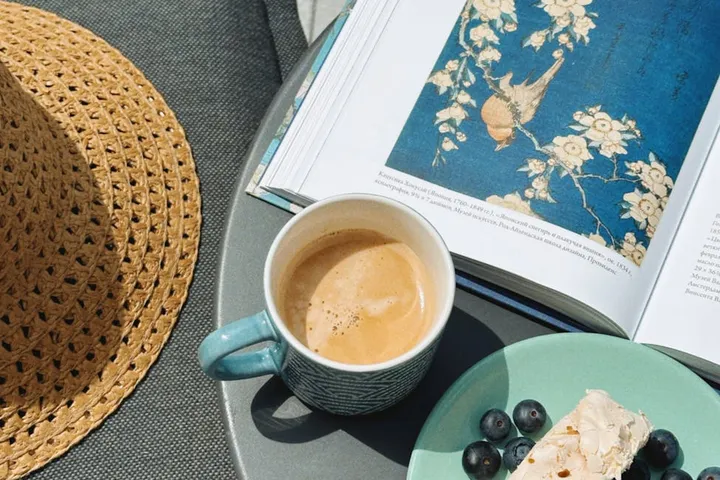
You spilled your morning cup on your shirt. I get it. My husband Roger does this weekly. Let’s fix it.
For a fresh coffee spill, your goal is to get the liquid out before the tannins and oils set into the fabric. Grab these supplies: clear liquid dish soap, white vinegar, hydrogen peroxide (for white fabrics only), an enzyme laundry detergent, and some clean white cloths.
Your Step-by-Step Action Plan
- Blot and Flush. Gently blot the stain with a dry cloth to soak up excess liquid. Don’t rub. Then, turn the fabric inside out and run cool water through the back of the stain to push it out.
- Pre-Treat. Mix one drop of dish soap with a drop of white vinegar. Dab this mix onto the stain, gently working it in with your fingers or a soft brush. Let it sit for 10 minutes.
- Soak. Soak the whole garment in a basin of cool water with a scoop of enzyme detergent for at least 30 minutes. The enzymes break down the coffee’s organic compounds.
- Wash and Inspect. Wash the item alone in the coolest water the fabric allows. Before you dry it, check the stain in good light. If you see a shadow, repeat the process.
Always test your cleaning solution on a seam or hidden area first, especially with colored fabrics. A test takes two minutes and can save a favorite blouse.
My son Jason loves iced lattes. When he spills, it’s a double threat. The coffee leaves a tannin stain, and the milk leaves a protein stain that can develop a sour milk smell if washed in hot water.
Treat an iced coffee with milk stain the same way, but skip the heat entirely and let the enzyme soak work longer. The enzymes are key for digesting that dairy protein.
For Old or Set-In Coffee Stains
That brown ring in the mug cupboard? We’ve all been there. For stains that have set, you need a more powerful lift.
Make a thick paste of baking soda and water. Smear it over the dry stain and let it sit for an hour. The paste will dry and pull some of the discoloration to the surface. Brush it off and then follow the pre-treat and soak steps.
A long soak in an oxygen-based bleach (like OxiClean) and cool water is my go-to for stubborn stains on colorfast cottons. I let it soak for several hours, sometimes overnight, especially when removing dye stains from fabrics.
My final warning is crucial. Heat sets stains permanently. Never use hot water on a coffee stain and never, ever put the item in the dryer until the stain is 100% gone. Air dry it so you can try again. Understanding how water temperature affects stain removal helps explain this approach. A quick look at the water temperature stain removal science breakdown can offer more insight.
How to Remove Wine Stains from Fabric
Let’s talk about wine. First, forget the old movie trick of pouring salt on it or using club soda.
Salt can set a dye stain, and club soda just dilutes it while you wait for a waiter. Dish soap is the real hero because it breaks down the wine’s pigments and sugars.
My Aunt Jessica, who loves a bold red, taught me this the hard way when her merlot leapt from her glass onto my linen tablecloth. Panic ensued. Then, we got to work.
The Reliable Red Wine Removal Method
- Blot, Don’t Rub. Use a clean, absorbent cloth to blot up all the wine you can. Press straight down. Rubbing grinds the dye into the fibers.
- Apply Your Solution. For colored fabrics, mix a drop of clear dish soap with a drop of 3% hydrogen peroxide. For delicate fabrics or if you’re unsure, use a 3:1 mix of cool water to white vinegar.
Dab it on. - Let it Sit. Give the solution 10-15 minutes to work. You’ll see the stain lighten.
- Rinse Thoroughly. Rinse from the back of the fabric with cool water until the water runs clear.
White wine is a different beast. The stain from white wine comes from sugar and acidity, not dye. It can look invisible until you apply heat from a dryer, which caramelizes the sugar into a yellow or brown stain. Blot it, flush it with cool water, pre-treat with dish soap, and wash it in cool water.
Treating Dried Red Wine Stains
Found a dried stain on a tablecloth from last weekend’s dinner? All hope isn’t lost.
You need to rehydrate and lift that set dye. Soak the entire garment in a solution of cool water and an oxygen-based cleaner for several hours. This gentle bleaching action can pull the color out. This technique aligns with our dye-stain removal guide for clothes.
For a really old stain, you may need to repeat the entire process two or three times. Be patient. Set realistic expectations: a very old, dried red wine stain might lighten significantly but not disappear completely.
How to Remove Soda, Juice, and Other Drink Stains
I sort beverage spills by their primary stain agent. This simplifies everything.
- Sugary Stains: Soda, apple juice, lemonade. They leave a clear, sticky residue.
- Dyed Stains: Energy drinks, grape juice, fruit punch. The artificial color is the challenge.
- Combo Stains: Beer, iced tea, coffee drinks. These have sugar plus tannins or dyes.
Your core removal framework works for nearly all these stains.
- Rinse the stain thoroughly from the back with cool, running water.
- Pre-treat with a dab of dish soap or an enzyme-based laundry detergent.
- Wash the garment on the warmest setting the fabric allows.
For fruit juice, treat it like a sugary stain first. The natural dyes might need a second look.
Iced tea behaves like coffee. My mom Martha in North Texas always warned me about tannins setting with heat.
Beer leaves a sugary film you cannot see. This attracts dirt, so I run an extra rinse cycle.
Special Case: Energy Drink Stains
My son Jason’s soccer buddy Edward once spilled a bright orange drink on a light shirt. The stain was vivid.
Those bright dyes often need an oxidizing agent like 3% hydrogen peroxide or an oxygen bleach soak.
I always test these on a hidden seam first. Safety first prevents bigger messes.
Aftercare, Adaptations, and Critical Warnings
After washing, do not use the dryer. Heat permanently sets any leftover stain.
Always air-dry the item naturally, away from direct sun, and confirm the stain is completely gone.
Some fabrics are red flags. Delicate materials like silk, wool, and acetate require gentler methods.
For these, I use heavily diluted solutions and blot carefully. Never scrub.
Remember these never use rules. Never start with hot water on sugar based stains. It cooks the sugar in.
Never mix chlorine bleach and ammonia. The fumes are toxic.
Avoid using vinegar on stone surfaces or natural leather. It can etch or dry them out.
Fabric softener residue can block stain removers. My aunt Jessica in Arizona had this issue with her linens.
To remove fabric softener stains or buildup, wash the item with one cup of white vinegar or half a cup of baking soda.
Out of commercial spray? Safe DIY alternatives work well. A thick paste of baking soda and water is my first grab.
Straight dish soap or diluted white vinegar can also pretreat many beverage stains in a pinch.
Surface Compatibility Quick Guide
You can adapt the clothing methods for other spots. For carpet, blot more and use less liquid to avoid soaking the pad.
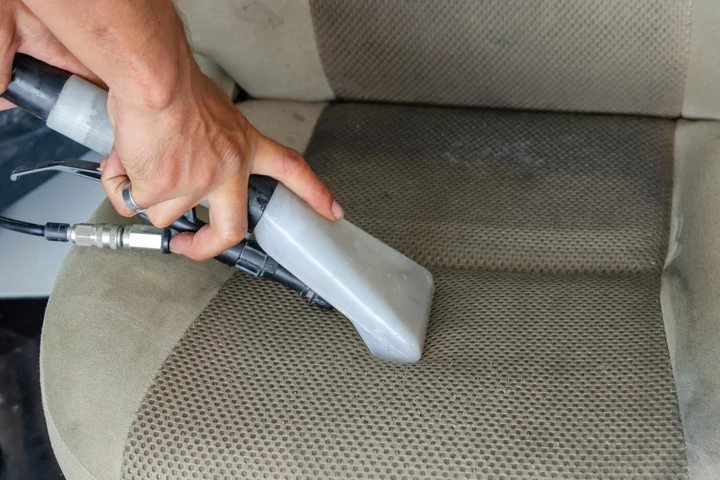
On upholstery, check the fabric tag first. I use a spray bottle for better control.
In the car interior, blot immediately and use a mild detergent solution. My husband Roger’s hunting gear taught me this.
For hard surfaces like counters, wipe immediately with warm, soapy water. It is often enough.
Your Stain Removal Toolkit: Safe Household Substitutes
Keep these alternatives ready. White vinegar for its acidity to cut through sticky films.
Baking soda for gentle abrasion and odor neutralization. It is great for Peeta’s slobbery toy stains too.
Lemon juice can sun bleach white cottons, but it can damage silk or wool. Use it with caution.
I keep a dedicated stain removal caddy under my kitchen sink with these items, plus microfibers and a small brush.
It has saved me during many spills from my three year old, Jessica.
FAQ about Removing Beverage Stains
I already put the stained item in the dryer. Is it ruined?
The heat likely set the stain, making removal harder but not impossible. Re-wet the area and soak it in an oxygen bleach solution for several hours, then wash and air-dry to check your progress. For stubborn stains, consider a hot-and-cold water rinse or other hot/cold water stain removal techniques to loosen any remaining residues before the next wash.
What’s the one safe first step for any fabric, even delicate silk or wool?
Immediately and gently blot with a cool, wet, clean cloth to dilute and lift the stain without rubbing. Then, take a breath and check the care label before proceeding with any cleaner, even water. It’s important to avoid common stain removal mistakes that can set the stain permanently.
What’s a safe, all-purpose pre-treat I can mix at home?
Mix one drop of clear liquid dish soap with one drop of white vinegar. Dab it on the stain, let it sit for 10 minutes, then rinse with cool water from the back of the fabric. This technique works especially well for biological stains.
How do I handle an old, dried stain I just found?
Rehydrate it first by soaking the entire item in cool water mixed with an oxygen-based cleaner. For a set-in tannin stain (coffee, tea, wine), gently work a paste of baking soda and water into the spot before soaking.
Can I prevent a stain from setting if I’m away from home?
Yes, immediately blot with a napkin or paper towel, then lightly dampen the spot with club soda or plain water to dilute the sugars and dyes until you can properly treat it.
Keeping Your Favorite Clothes in the Rotation
After countless spills from Jason’s sports drinks to Aunt Jessica’s pinot noir, I’ve learned that immediate blotting with a clean, dry cloth is your best defense. This quick action lifts the liquid before it sets, saving you from a permanent ring or a frustrating scrub session. I’m always testing new methods on everything from Peeta’s drool towels to my own coffee mishaps, so for more real-world stain solutions, follow along right here at Stain Wiki.
Written by Suzanne Rosi Beringer. Suzanne is an accomplished chemist, laundry expert and proud mom. She knows the science and chemistry of stains and has personally deal with all kinds of stains such as oil, grease, food and others. She brings her chemistry knowledge and degree expertise to explain and decode the science of stain removal, along with her decades long experience of stain removal. She has tried almost everything and is an expert on professional and DIY stain removal from clothes, fabric, carpet, leather and any other items dearest to you.