How to Remove Berry and Fruit Stains from Fabric and Clothing? (Blueberry, Strawberry, Cherry Juice)
Just smashed a handful of ripe strawberries on your white couch? I’ve been there. Blot, don’t rub, and rinse with cold water immediately to prevent a permanent stain.
In this article, I’ll share my tested methods for banishing berry stains for good. We’ll cover:
- The critical first step you must take within minutes
- How to make a powerful stain-fighting paste from baking soda and water
- Why lemon juice can be a double-edged sword for fruit stains
- My go-to commercial stain remover for set-in blueberry marks
- How to launder the item safely after treatment
As a mom who’s dealt with everything from Jessica’s cherry juice art projects to Jason’s post-soccer blueberry smoothie spills, I’ve honed these techniques through plenty of trial and error.
Panic-Level: How Urgent is a Berry Stain?
I rate a fresh berry stain a 3 out of 10 on the panic scale.
A dried-in stain jumps to a solid 7 out of 10.
The difference is that golden window of opportunity.
You have about 30 minutes to an hour for the best chance at a total recovery before the pigments begin to set.
That sweet, sticky juice is mostly water and sugar at first.
Once it dries, those sugars caramelize and the dye bonds tightly to the fabric fibers.
Urgency spikes if the stain dries, or if it lands on delicate, heat-sensitive fabrics like silk or wool.
Heat from washing or drying will permanently cook the stain into the material.
Don’t panic, but do act quickly.
I’ve saved many of my son Jason’s soccer jerseys from blueberry-smoothie disasters by moving fast.
Your Immediate Berry Stain First-Aid
Your first three moves are always the same, no matter the berry.
Grab a stack of plain white paper towels, blot (never rub), and isolate the stained item from other laundry.
- Blot from the back of the stain if you can. This pushes the pigment out, not deeper in.
- Keep blotting with fresh sections of towel until no more color transfers.
- If the stain is on clothing, immediately rinse the area from the back with cold water. Hold the stain under the tap.
Surface Compatibility Quick Guide
Your first-aid changes slightly based on where the stain lands.
- Clothing: Blot, then rinse the back of the stain with cold water. Apply a dab of clear liquid dish soap or laundry detergent directly.
- Carpet & Upholstery: Blot aggressively. Mix one teaspoon of clear dish soap with two cups of cold water. Apply a tiny amount with a white cloth and blot. Never pour solution directly.
- Hard Surfaces (Countertops, Tile): Wipe up the mess. A simple soapy water solution usually does the trick. For dried stains, let the soapy water sit for a few minutes before scrubbing gently.
Safety is non-negotiable, especially on carpets or your favorite sofa.
Always do a spot test in a hidden seam or corner first to check for colorfastness or damage.
My aunt Jessica learned this the hard way with a red wine stain on her light-colored rug.
Her quick remedy changed the rug’s color more than the stain did.
This is why I keep a simple go-to kit under my kitchen sink.
It has white microfiber cloths, a spray bottle of plain cold water, and a small bottle of clear, dye-free liquid detergent.
Having these tools ready saves precious seconds during that golden window.
Removing a Fresh Berry Stain: Step-by-Step
This is exactly how I handle a new stain, like the time Jessica smashed a strawberry on her dress. Acting fast is your best friend here.
I’ll walk you through the clear steps to answer the common question, “How to remove fresh berry stains from fabric.”
Step 1: Blot and Lift the Excess
Don’t rub. Rubbing grinds the pigment into the fibers. I learned this the hard way with Jason’s blueberry-smeared soccer jersey.
Flip the fabric over. Place a clean, white cloth or paper towel under the stain.
Blot gently from the back side of the stain. You’re pushing the juicy mess out onto the towel, not deeper in.
Blotting from the back lifts more pigment away before it can set permanently.
Step 2: The Cold Water Flush
Next, get to a sink. Hold the stained area under cold, running water, still from the back.
Let the water push through the fabric from the back to the front. You’ll see a lot of the color wash right out.
My mom Martha always said, “Heat sets stains, cold fights them.” She’s right. Never use warm water here.
A strong, cold water flush dilutes the stain and prevents it from bonding with the fabric.
Step 3: Apply Your Pre-Treatment
Now, make a pre-treatment paste. I use a tablespoon of liquid laundry detergent and a sprinkle of baking soda.
Mix it into a thick paste right in your palm. Why this mix? The detergent breaks down the sugars and acids, and the baking soda gives it some gentle abrasion.
Work the paste into the damp stain, both front and back. Let it sit for 15 minutes. For a tough one, I might use a bit of my go-to oxygen-based cleaner instead.
Letting a pre-treatment paste sit gives the cleaning agents time to break apart the stain’s structure.
Step 4: Wash and Inspect
Wash the garment alone, or with similar colors, using the coldest water setting on your machine. Add your regular detergent.
This is the most critical part. After the wash cycle, take the item out while it’s still wet. Inspect the stain area under good light.
If you see even a faint shadow, repeat the pre-treatment and wash. This is the real answer to “how do i get berry stains out of clothing” for good.
Always check that the stain is completely gone before you even think about using a dryer or any heat.
Heat from a dryer will bake any leftover pigment into a permanent ghost stain. I air-dry it until I’m 100% sure.
How to Get Dried Berry Stains Out of Clothing
Dried berry stains are a different beast. The sugars and pigments have bonded with the fabric fibers, making them much harder to lift. My son Jason’s soccer socks are often proof of this after a snack-filled car ride home.
Treating a dried stain requires a shift in strategy. You move from immediate blotting to a more patient, soaking-based approach. The goal is to rehydrate and break down the stain’s structure from the inside out.
For a set-in stain, your best friend is a long, undisturbed soak in a solution designed to break it down.
You have two excellent, non-toxic options for this: an enzyme-based laundry detergent or a powdered oxygen bleach (like OxiClean). Enzyme detergents work by “digesting” the organic matter. Oxygen bleach gently lifts color without the harsh damage of chlorine bleach.
After a good soak, the stain might look faded but still present. This is when I reach for a soft-bristled brush, like an old toothbrush designated for stains.
Gently agitate the fabric against itself. I focus on the back of the stain to push the loosened particles out, not grind them in deeper. This extra step can make the difference between a faint shadow and a completely clean shirt.
Patience is non-negotiable here. For my husband Roger’s old hunting shirt with a dried blueberry stain from a trail mix spill, it took two full soaks over 24 hours before the fabric was truly clean. Don’t rush it into the dryer, or you’ll set what’s left forever.
The Long Soak Method
This method is my go-to for any dried fruit stain I find later. I use a clean basin or bucket, never the kitchen sink where cross-contamination can happen.
- Fill your container with cool water. Hot water can cook protein-based stains, making them worse.
- Add your cleaning agent. For enzyme detergent, I use about a capful. For oxygen bleach, I follow the package’s “soaking” directions, usually a scoop per gallon.
- Submerge the stained item completely. Ensure the solution soaks through every layer of the stain. I sometimes place a bowl on top to keep it submerged.
- Walk away. Let it soak for at least 6-8 hours, or overnight. For tough cases, I refresh the solution and soak another 8 hours.
- After soaking, check the stain. If it’s gone, wash normally. If it remains, gently brush the area and soak again.
The long soak gives the cleaning agents time to work their way into the dried stain and slowly dissolve it.
When to Use a Stain Remover Stick or Gel
Soaking isn’t always practical. If I’m packing for a trip or need to treat a stain on a garment I can’t soak right away, I use a stain remover stick or gel.
I keep one in my laundry room and a travel-sized version in my bag. They are perfect for pre-treating dried stains you find later, before the next wash cycle.
A stain remover gel is ideal for setting a treatment on a dried stain, buying you time until laundry day.
Here’s how I use them effectively. I apply a thick layer of the gel directly onto the dry stain, completely covering it. I work it into the fibers gently with my finger or the applicator tip.
Then, I let it sit. The product needs time to penetrate. I often let it sit for 15 minutes to an hour before tossing the item in the hamper for the next wash. For a serious stain, I might even let it sit overnight.
My favorite is an oxygen-based gel stick. It clings to the vertical surface of my daughter Jessica’s dress without dripping, and the oxygen action starts breaking down the stain immediately. Just remember, for the oldest, driest stains, a follow-up soak might still be needed.
Specific Berry Stain Solutions: Blueberry, Strawberry, Cherry
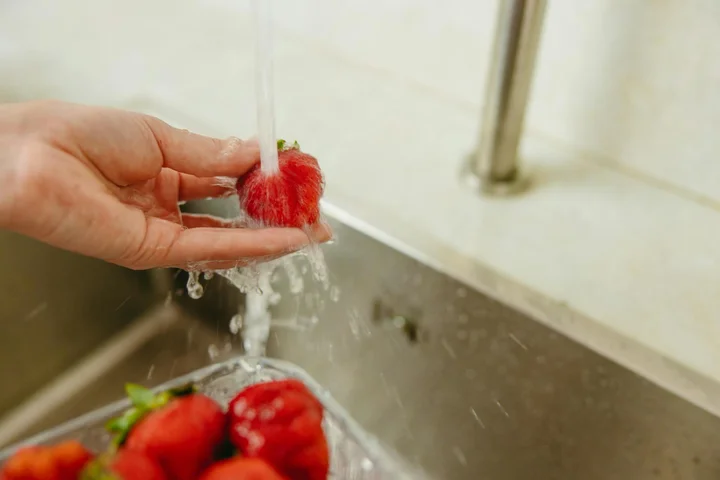
Berry stains are not all the same. Each one has a unique challenge that needs a slightly different approach. Blueberry stains are famous for their deep, almost ink-like pigment. Strawberry stains have a sneaky acidity that can set with heat. Cherry juice is loaded with tannins, similar to red wine, making it cling to fibers.
I test these methods regularly in my own home. My son Jason is a blueberry fanatic, and my daughter Jessica treats strawberries like finger paint. Trust me, I’ve seen it all.
How to Remove Blueberry Stains
If you’re asking yourself, “how do i get blueberry stains out of clothing,” start by acting fast. That vibrant purple turns into a dull, grayish ring if it sets. My first move is always to scrape off any solid bits with a dull knife.
Next, I flip the fabric over. I run cold water through the back of the stain. This pushes the pigment out instead of deeper in. For a recent stain on Jason’s t-shirt, I held it under the faucet for a full minute.
Pre-treating with white vinegar is my secret weapon for breaking up that deep color.
I mix equal parts white vinegar and cold water in a spray bottle. I soak the stain thoroughly and let it sit for 10 minutes. The vinegar smell fades after washing.
After pre-treating, I rub a bit of liquid laundry detergent directly into the damp fabric. I use an enzyme-based detergent because it’s great at breaking down organic matter. Then, I wash it alone in the coldest water possible.
Always air-dry the item first to check if the stain is gone before using the dryer’s heat.
Heat will set any leftover pigment permanently. For old or set stains, I make a paste of baking soda and water, apply it, and let it sit for an hour before washing again.
How to Remove Strawberry Stains
Strawberry stains are acidic. This means hot water or dryer heat can cook the stain right into the fibers. So, do strawberry stains come out in the wash? They can, but only if you wash them in cold water after pre-treatment.
My three-year-old, Jessica, is my chief strawberry stain tester. Just last week, she wiped her hands on a linen napkin. I immediately rinsed the red smears under cold, running water.
For fresh stains, a simple cold water rinse from the back of the fabric removes about 80% of the problem.
If a pink shadow remains, I reach for hydrogen peroxide. It’s a gentle bleach that works on colors. I test it on a hidden seam first. Then, I pour a small amount directly on the stain and watch it bubble.
I let it bubble for five minutes. Then, I blot it up with a clean cloth. After that, I wash the item in cold water with detergent. This method saved a favorite shirt of mine after a summer picnic disaster.
For tougher stains on white cotton, I might use a diluted lemon juice and sun method. But I’m very careful, as lemon can also weaken fibers over time.
How to Remove Cherry Stains
Cherry juice stains are tough because of tannins. These are the same compounds that make red wine stains so stubborn. If you need to know how to clean cherry juice stains from fabric, speed is your best friend.
My Aunt Jessica, who loves her red wine, taught me the salt trick for fresh tannin stains. For a wet cherry spill, I cover the stain immediately with a thick layer of table salt. The salt absorbs the liquid like a sponge.
I let the salt sit for 10 minutes, then brush it off. This pulls up a shocking amount of the cherry juice. What’s left is a much fainter stain to treat.
After the salt, I soak the fabric in a bowl of cold milk for 30 minutes. The proteins in milk help neutralize the tannins.
After the milk soak, I rinse the fabric thoroughly with cold water. Then, I pre-treat with a bit of dish soap. The soap cuts through any remaining sugary residue. I rub it in gently and let it sit for another 10 minutes.
Finally, I wash it in the coldest water cycle. For synthetic fabrics or older stains, I use a commercial enzyme pre-treatment spray instead of milk. I follow the label instructions exactly. This process has saved many a summer dress from cherry pie filling mishaps.
Berry Stain Removal Myths and Methods
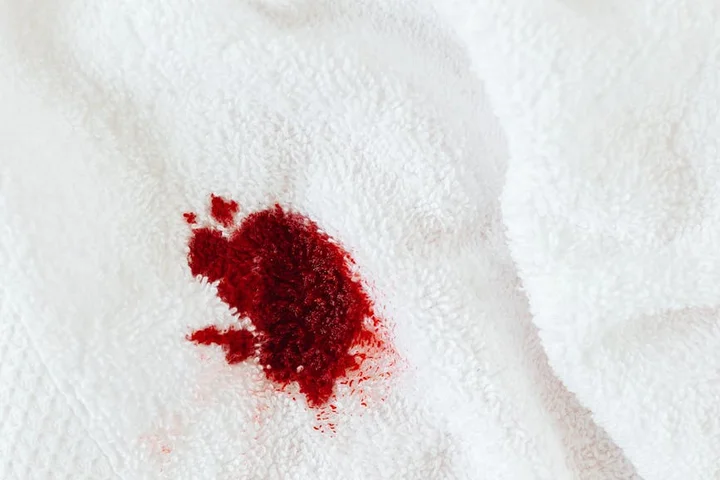
I hear the same questions every summer. My friend Jessica always asks if she should soak her wine-stained blouse in hot water. My son Jason thinks scrubbing a blueberry spot with hot water will melt it away. These are common myths that can ruin a favorite shirt.
Let’s tackle them head-on.
Should you use hot or cold water for berry stains? The answer is non-negotiable. Always, always start with cold water. Hot water sets the protein and pigment in the stain, cooking it into the fibers like a permanent dye. Understanding the science behind water temperature in stain removal can help you tackle stains more effectively.
Can vinegar remove berry stains? Yes, but with a big asterisk. White distilled vinegar’s mild acidity can help break down the stain on many fabrics. You must test it on a hidden seam first, especially on silk or wool, to prevent damage. It’s similar to how you might use vinegar for grape juice stains.
Does baking soda work on fruit stains? On a fresh stain on durable fabric like denim or cotton, a baking soda paste acts as a gentle abrasive to lift pigment. It’s my mom Martha’s go-to for fresh strawberry juice on aprons. For delicate fabrics or set-in stains, skip it.
My philosophy is simple. Start with the gentlest, coldest method. Move to targeted solutions only if needed. Fabric safety is the priority, not using the most dramatic chemical.
Hot Water vs. Cold Water: The Final Answer
This is the most critical step. Getting it wrong means the stain becomes a permanent resident.
Here’s what happens. Berry stains are a mix of pigments and natural sugars. Think of them like a sticky, colorful syrup. Hot water acts like a heat press, binding that syrup to the fabric threads. What was a bright red splash becomes a dull brown shadow you can’t escape.
I learned this the hard way with one of Jason’s white soccer jerseys after a blueberry muffin incident. A quick rinse under cold water made the stain vanish. A few weeks later, a similar stain got tossed in the hot wash. That jersey now has a faint grey ghost of a stain forever—just one of those stains you can’t get out of white fabric.
Your first move for any fresh berry stain is to flush it from the back with a steady stream of cold water. Push the stain out, don’t rub it in. Keep going until the water runs clear. For dried stains, soak the item in a basin of cold water for 30 minutes first to loosen things up.
Hot water has one place in this process. After you’ve completely removed the stain with a proper method, you can safely wash the item in the warmest water the care label allows. The stain must be gone first; using hot water incorrectly can set stains permanently.
Vinegar, Baking Soda, and Hydrogen Peroxide: When to Use Them
Once you’ve rinsed with cold water, these pantry staples can be your next line of defense. Each has a specific job.
White Distilled Vinegar is my choice for colorfast cottons and linens when removing biological stains. Its mild acidity helps break down the stain’s structure. Mix one part vinegar with two parts cold water. Soak the stained area for 15-30 minutes, then rinse with cold water and launder as usual.
Baking Soda works best as a spot treatment on sturdy fabrics. Make a thick paste with cold water. Gently rub it onto the damp, fresh stain with your finger or a soft toothbrush. Let it sit for 15 minutes to absorb and lift the pigment, then rinse thoroughly with cold water. This process can be especially effective when used alongside other methods specifically designed to remove dye stains from fabrics.
Hydrogen Peroxide (3%) is a powerful oxidizing agent. It’s brilliant for whitening and removing organic stains on white and colorfast fabrics. It’s my secret weapon for Peeta’s drool-slobbered toys that meet strawberries. You must do a colorfastness test in an inconspicuous area first, as it can bleach some dyes. Apply a small amount, let it bubble for a minute, then rinse. If the color holds, you can proceed.
The Final Check: Drying and Preventing Future Stains
You’ve worked the stain remover in and given the fabric a good wash. Now comes the most critical part: letting it dry. This is especially important for linen fabric.
Do not, under any circumstances, put the item in the dryer until you are 100% certain the stain is gone. The heat will permanently set any lingering pigment.
Instead, hang the item to air dry away from direct sunlight. My mother-in-law Brianna taught me that while sunlight is a great disinfectant, it can also fade fabric dyes. I use a drying rack in my laundry room or a shady spot on the porch.
How to Know You’ve Won the Battle
Once the fabric is completely dry, give it a thorough inspection. Don’t just rely on your eyes in normal room light.
First, run your fingers over the spot where the stain was. Feel for any tacky or stiff residue. A leftover sugary film from cherry juice or a bit of blueberry pectin will feel slightly rough.
Next, hold the fabric up to a bright light, like a lamp or a sunny window. This backlighting trick reveals shadows and faint discoloration you might otherwise miss. If you see even a slight yellow or brown shadow, the stain needs another round of treatment.
Stopping Stains Before They Start
The best way to deal with a berry stain is to never let it set. With kids like Jason and Jessica, I’ve learned to be proactive.
My top prevention tips are simple:
- Act fast with a cold water rinse. The moment a stain happens, get to a sink and run cold water through the back of the fabric. This flushes out a surprising amount of pigment before it bonds to the fibers.
- Keep napkins handy. It sounds obvious, but for messy eaters, a napkin on the lap is a first line of defense.
- Pre-treat high-risk clothes. Before a picnic or a berry-picking trip, I sometimes spray the front of my kids’ shirts with a little of my homemade stain solution. It creates a light barrier that makes washing easier later.
A Kitchen Counter Secret Weapon
My mom Martha, who has seen more than her share of North Texas blackberry stains, gave me this genius tip.
I keep a small spray bottle filled with a 50/50 mix of cold water and clear liquid dish soap on my kitchen counter. When Jessica smashes a strawberry on her shirt, I can grab it instantly, spray, and blot. It buys me precious time until I can get to a proper rinse.
It’s saved countless outfits, from Roger’s t-shirts to my own, and it’s the simplest trick in my entire stain-fighting arsenal.
FAQ about Removing Berry Stains
What should I do if the berry stain is still visible after washing?
Do not dry the item. Repeat your pre-treatment and wash it again using cold water. For persistent shadows, a long soak in an oxygen-based cleaner is often the solution.
Are these removal methods safe for delicate fabrics like silk or wool?
Always proceed with extreme caution. Test any cleaner on a hidden seam first, and avoid harsh ingredients like vinegar or peroxide. For delicate fibers, a professional cleaner is often the safest choice.
What’s a good berry stain remedy when I’m away from home?
Blot the stain immediately with a damp, cool cloth. If available, dab a small amount of clear liquid hand soap or club soda on the spot to help lift the pigment until you can do a proper treatment. For suede, moisture control is important to avoid watermarks. This prep sets up the steps for how to remove stains from suede.
I’ve heard lemon juice can help. Should I use it?
Use lemon juice with great caution. While the acidity can help break down a stain on white cotton, it can also weaken fibers and act as a mild bleach. It is not recommended for colored or delicate fabrics.
How do I treat a very old, set-in stain that’s been washed and dried?
An old, heat-set stain is challenging. Your best bet is to soak it for 24+ hours in a solution of oxygen-based bleach, then gently brush the area before washing. Manage expectations, as complete removal may not be possible, especially for set-in stains from fabric or clothing.
Your Blueprint for Berry Stain Victory
Acting fast with cold water is the non-negotiable first step that stops fruit sugars from becoming a permanent stain. I put every tip to the test with Jason’s soccer jerseys and Jessica’s art-smocks, so for more real-world advice, follow my ongoing stain removal journey here on Stain Wiki.
Suzanne is an accomplished chemist, laundry expert and proud mom. She knows the science and chemistry of stains and has personally deal with all kinds of stains such as oil, grease, food and others. She brings her chemistry knowledge and degree expertise to explain and decode the science of stain removal, along with her decades long experience of stain removal. She has tried almost everything and is an expert on professional and DIY stain removal from clothes, fabric, carpet, leather and any other items dearest to you.