How to Remove Stains from White Jerseys, Shirts, Jeans, and Denim?
Finding a stain on your crisp white gear is frustrating, but don’t worry. For most fresh stains, a immediate rinse with cold water and a gentle rub with liquid dish soap is your best first move to stop it from setting.
- Pre-treating common stains like grass on jerseys or ketchup on shirts.
- Choosing the right cleaners for denim to avoid fading.
- Using safe, non-bleach brighteners for white fabrics.
- My hands-on methods for set-in stains from wine, grease, and mud.
- Special care tips for athletic jerseys versus everyday denim.
I’ve tested these methods for years on my family’s laundry, from my son Jason’s soccer jerseys to my husband Roger’s work denim.
First, Don’t Panic: Your Stain Survival Guide
I get it. Seeing a dark splotch on a white jersey feels like a small disaster.
My heart still drops when Jason runs in from soccer, his white shirt sporting a new grass stain.
Panic-Level Assessment: Let’s call this a solid 6 out of 10.
It’s urgent, but not hopeless. You have a “Golden Window” of about 10 to 30 minutes before the stain really starts to set into the fibers.
Act fast, but stay calm. Rushing leads to mistakes, like scrubbing.
The universal first step is non-negotiable.
Always blot, never rub.
Blotting lifts the stain out, while rubbing grinds it deeper, making it a permanent part of the fabric.
Use a clean, white cloth or paper towel and press down firmly. Repeat with a clean section until no more transfers.
Now, a quick but vital check.
Material Red Flags: Stop right here if your garment is silk, velvet, or has a delicate screen print.
My aunt Jessica’s silk blouse taught me that lesson. For those, professional care is your only safe bet.
Your Stain-Fighting Toolkit: What You Actually Need
You don’t need a closet full of specialty products. I rely on a few basics I can grab in seconds.
Here is my core kit for white cotton, polyester jerseys, and denim:
- White vinegar (for odor and some discoloration)
- Blue Dawn dish soap (my grease-fighting hero)
- Hydrogen peroxide (3%, a gentle bleach alternative)
- Baking soda (for pastes and scrubs)
- An old, soft-bristled toothbrush
- A stack of clean, white cloths
Beyond basics, you might consider two power categories.
Commercial enzyme cleaners are brilliant for organic stains like blood, grass, or food.
They use natural proteins to “eat” the stain. Oxygen bleach, like OxiClean, is different.
It releases bubbles that lift and brighten stains through oxidation. Think of it for overall dinginess or set-in stains.
I use enzymes for protein-based messes and oxygen bleach for a whole-load refresh.
What Helped Me (Pro-Tip): My laundry room secret is a ready-to-go spray bottle.
I mix one part blue Dawn with three parts warm water in a small spray bottle.
When Roger comes in from the garage with engine grease on his white tee, or I get cooking oil on my apron, I spray it on, let it sit for five minutes, then blot. It cuts the grease so well I rarely need anything else for those fresh stains.
The Universal First-Aid Steps for Any Stain
I treat every stain on white fabric like a mini emergency. Acting fast with the right first-aid keeps it from becoming permanent. These four steps are my non-negotiable starting point, whether it’s Jason’s grass-stained soccer jersey or my own denim jacket with a coffee splash. It’s crucial to avoid common stain removal mistakes that can make things worse.
-
Scrape off any solid bits gently with a dull edge. I keep an old butter knife in my laundry room for this. For dried mud on jeans or caked-on food, scraping lifts the bulk without grinding it deeper into the weave.
-
Blot liquid stains with a clean, absorbent cloth. Press down firmly and lift straight up. Do not rub. Rubbing is the enemy it spreads the stain and damages fibers. For spills like juice or wine, I grab a stack of paper towels and blot until no more transfers.
-
Check the garment’s care label immediately. This tiny tag tells you everything. I learned this the hard way with a white jersey that couldn’t handle bleach. The symbols for wash temperature and drying are your roadmap.
-
Perform a colorfastness test in a hidden seam. This is your safety check. Even white items can have prints or threads that bleed. I test every cleaning solution here first, from hydrogen peroxide to my oxygen bleach soak.
Never use hot water on protein stains like blood, sweat, or egg. Hot water cooks the proteins, binding them to the fabric forever. My husband Roger knows this from hunting gear stains. Always use cold water for these. It makes all the difference.
Doing a proper colorfastness test is simple. Pick an inconspicuous spot, like an inside seam or under a collar. Apply a small amount of your chosen cleaner with a cotton swab. Wait a few minutes, then blot with a white paper towel. If any dye transfers or the fabric itself changes texture, the method is not safe for your item. Should this happen, you may want to explore how to remove dye stains from fabric surfaces. The next steps will point you to related guidance.
How to Remove Stains by Type, Not Just Spot
Scrubbing at a dark spot is a natural first reaction. I get it. But treating a grease stain like a grass stain is a recipe for a permanent mark. The smartest first step is to ask yourself what caused the stain, not just where it is.
Breaking stains into three chemical categories changes everything. It moves you from random guessing to targeted action.
Protein-Based Stains: Blood, Sweat, Grass, Dairy
Chemistry Corner: Think of these as acidic, heat-sensitive stains. Blood, sweat, grass, and dairy are all protein-based. Applying heat from a dryer or hot water will cook the proteins, bonding them to the fabric fibers for good. Your allies are cold water and enzymes, which gently break the proteins apart.
Just last week, Jason came home from practice with a perfect green knee print on his white practice jersey. Here’s exactly what I did.
- I ran the stained knee under cold water from the back to push the grass particles out, not deeper in.
- I filled my laundry sink with cold water and added a scoop of an enzyme-based laundry detergent. I let the whole jersey soak for about an hour.
- After soaking, a faint outline remained. I made a thick paste of white vinegar and baking soda and gently rubbed it into the stain with my fingers.
- I rinsed it thoroughly with cold water and washed it alone on a cold cycle. The jersey came out like new.
Old sweat and deodorant stains are a different, yellowed beast. Heat and aluminum in antiperspirant create a chemical reaction over time. For those set-in yellow stains under the arms of white tees, a pre-soak in oxygen-based bleach is my go-to. The same pre-soak approach also helps with yellow armpit stains on white shirts and bedding.
I dissolve a scoop of oxygen bleach (like OxiClean) in a bucket of warm water. I submerge the shirt for several hours, or even overnight. Before washing, I check the stain. If it’s gone, I wash as normal. If a shadow remains, I apply a dab of liquid enzyme detergent directly to the spot and let it sit for 15 minutes before the final wash.
Tannin-Based Stains: Coffee, Wine, Tea, Fruit
Chemistry Corner: Tannins are powerful plant dyes. Think of them as tiny, sticky color particles. Water alone can spread them. You need to lift them out and neutralize their color.
My Aunt Jessica is a wonderful, red-wine-loving visitor. A splash on a white tablecloth is almost a tradition. For a fresh spill, speed is your friend.
- Blot, never rub. Use a clean, absorbent towel to soak up as much liquid as possible.
- Pour a generous mound of table salt or baking soda directly onto the damp stain. It acts like a dry sponge, pulling the wine up and out. Let it sit for 10 minutes, then brush it off.
- Rinse the spot from the underside with a strong stream of cool water.
- For any lingering pink hue, I make a paste of baking soda and a few drops of water. I pack it on the stain and let it dry completely. As it dries, it pulls the remaining tannin to the surface. I then brush it off and wash the item.
Set-in berry stains on white denim require more muscle. My method for old blueberry or blackberry stains is a two-step chemical lift.
First, I saturate the stain with white vinegar and let it sit for 10 minutes. This helps loosen the dye. Then, I rinse it and create a new paste: equal parts baking soda, hydrogen peroxide (3%), and a drop of blue Dawn dish soap. I smear this thick paste over the stain and let it sit for up to an hour, checking to ensure the fabric stays damp. After a final rinse, I wash the jeans normally. This is a step I usually take to remove dye stains from clothes.
Grease & Oil Stains: Cooking Oil, Lip Balm, Lotion
Chemistry Corner: Grease and water don’t mix. Water beads right off an oil stain. You need a surfactant, a molecule that breaks the surface tension. Dish soap is a fantastic, gentle surfactant. It surrounds the oil droplets so they can be rinsed away in water.
A dribble of oily salad dressing on a white work shirt used to stress me out. Not anymore. My bottle of original blue Dawn dish soap stays in my laundry room.
- I apply a small, undiluted drop of Dawn directly onto the stain, rubbing it gently into the fabric with my fingers.
- I let it sit for at least 15 minutes. For an old stain, I might let it sit for an hour. The soap needs time to work.
- I wash the shirt in the hottest water the fabric care label allows. The heat helps melt the oil, and the detergent and soap work together to wash it away. I always check the stain is gone before drying.
One important warning. You might read about using talcum powder or cornstarch to absorb grease. I avoid this as a first step on white fabrics, as it can sometimes grind fine particles into the fibers, creating a dull, gray film. If I use it, I only dab at a very fresh, heavy grease spot to remove excess oil before immediately moving to the dish soap treatment.
Fabric-Specific Tricks: Jerseys vs. Denim vs. Dress Shirts
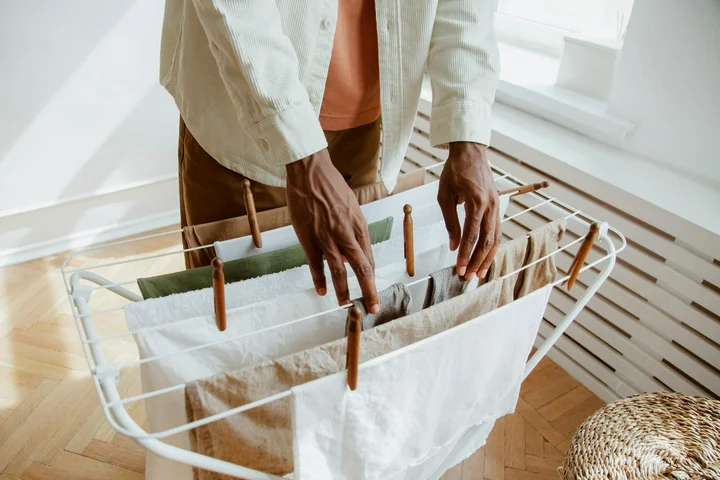
Treating every white fabric the same is a fast track to damage. The grass stains on Jason’s soccer jersey need a different approach than the motor oil on Roger’s work jeans.
How to Remove Stains from White Jerseys
My son’s white synthetic jerseys are stain magnets. Grass, mud, even that neon orange sports drink.
The biggest mistake with athletic fabric is heat, which can bake a stain into the synthetic fibers forever. I never use hot water or a hot dryer on a stained jersey until I’m certain the mark is gone.
My go-to method is an oxygen bleach soak. It’s gentler than chlorine bleach but great for brightening.
- Fill a sink or basin with cool water.
- Dissolve a scoop of oxygen-based cleaner (like OxiClean).
- Soak the stained jersey for at least 3 hours, or even overnight for set-in stains.
- Wash as usual on a cold cycle, then air dry to check your work.
This method lifted a stubborn, week-old grass stain from one of Jason’s jerseys his teammate Edward left here. I almost thought it was a lost cause.
How to Remove Stains from White Denim and Jeans
White denim is tough but also delicate. The thick cotton weave holds stains deep, but harsh scrubbing can fray the yarn and ruin the texture.
For Roger’s grimy work jeans or my own denim jacket, I use a soft-bristled brush. An old toothbrush or a dedicated nail brush works perfectly.
Apply your stain remover or a paste of detergent and water, then use the soft brush to gently work the cleaner down into the weave. You’re aiming for a light, circular massage, not a vigorous scrub. This gentle method also works on stubborn stains on outerwear and delicate fabrics. In the next steps, we’ll cover tailored tips for those fabrics.
My mother-in-law Brianna taught me this. She’d say, “You’re persuading the dirt out, not attacking it.” This patience preserves the fabric’s finish. For a dried mud stain, I let the paste sit for 15 minutes before brushing and rinsing with cool water.
How to Clean a White Shirt with Stains
Collars and cuffs are the usual suspects on a cotton or poly-cotton dress shirt. Body oils and grime build up there, creating a dull gray ring.
Precision is everything. I keep an old, clean toothbrush specifically for this task.
- Lay the shirt flat. Apply a small amount of liquid detergent, pre-treatment spray, or a dab of shampoo directly to the stained band.
- Use the toothbrush to gently agitate the fabric. Focus on pushing the cleaner through the threads from the outside in.
- Let it sit for 10-15 minutes.
- Wash the shirt with similar colors. Check the stain before tossing it in the dryer.
This method saved a favorite white blouse after my Aunt Jessica visited and a splash of red wine found its mark. The toothbrush let me target just the affected spot without oversaturating the rest of the fabric.
When the Stain Has Already Set: The Rescue Plan
We’ve all been there. You find a crumpled white jersey at the bottom of the hamper, a grass stain from last Saturday’s game now a dull, stubborn shadow. I’ve pulled more than one of these from Jason’s soccer bag, stiff and forgotten. Don’t panic. Old stains need a more patient approach.
The “Soak and Suspend” Method with Oxygen Bleach
This is my go-to for reviving dingy, stained whites. It’s not a harsh scrub; it’s a gentle, sustained lift. Oxygen bleach, often sold as powdered “oxy” cleaners, breaks down stains with tiny bubbles of oxygen. It’s color-safe for whites and works wonders on organic stains like grass, blood, or food.
Here’s how I do it in my laundry sink:
- Dissolve one scoop of oxygen bleach powder in a gallon of hot water. Hot water activates the powder much faster.
- Submerge the stained item completely. I’ve soaked Roger’s hunting shirt and Jason’s whole uniform at once.
- Let it soak for anywhere from one hour to overnight. For a tough, set-in stain, a longer soak is better. The solution will get murky as it works.
- After soaking, wash the garment as usual with your regular detergent. The long soak gives the oxygen molecules time to penetrate the fibers and lift the stain particles out, suspending them in the water so they can rinse away.
The Critical Diagnostic: Before the Dryer
You wash the item after your soak. You pull it out, still wet, and inspect it. If you see even a faint ghost of the stain, listen closely.
Do not, under any circumstances, put it in the dryer.
I learned this the hard way with a set of white practice jerseys. The heat from a dryer is like an iron. It cooks any remaining stain residue permanently into the fabric. That faint shadow becomes a permanent badge of the mess. If the stain is still visible, repeat the soak or move to a spot treatment while the fabric is still damp.
A Last-Resort Spot Treatment for Sturdy Whites
Sometimes, a particularly tenacious spot needs direct attention. For sturdy, 100% white cotton items like thick jerseys or jeans, a diluted hydrogen peroxide solution can be a final option. This is powerful, so we proceed with extreme caution.
This is not for delicate fabrics, silk, wool, or any colored items. It will bleach them. My Aunt Jessica once tried a “brightening trick” on a wine-stained blouse that had a silk trim. The trim turned a sad, splotchy pink. Always test first, especially when treating red wine stains.
- Test in an inconspicuous area, like an inner seam or the back of a waistband. Apply a drop of your solution. Wait 5 minutes, then blot dry. Check for any color change or damage.
- Mix a solution of one part 3% hydrogen peroxide (the standard brown bottle from the pharmacy) to two parts cold water in a small bowl.
- Using a clean cotton swab or a dedicated toothbrush, apply the solution only to the stained area. Gently dab or use a light brushing motion.
- Let it sit for no more than 5-10 minutes. You should see the stain lightening. Rinse the spot thoroughly with cold water.
- Wash the entire garment immediately by itself to remove all traces of the peroxide.
This method saved a favorite white denim jacket of mine after a run-in with Peeta’s muddy paw. But respect the power of the chemical. When in doubt, another oxygen bleach soak is always the safer bet.
Beyond Clothing: Adapting Methods for Other Surfaces

The stain-fighting logic is the same, but your tools and touch change with the surface.
You wouldn’t scrub a couch cushion the way you scrub a shoe. Let me show you how to adapt.
The Surface Compatibility Chart
Think of your cleaning method as the active ingredient and the application as the delivery system.
A grease stain on fabric needs lifting. How you lift it depends on what you’re cleaning.
| Surface | Stain Type | Core Method (from earlier) | Key Adaptation |
| White Upholstery Cushion | Pizza grease, butter | Dish soap degreaser | Blot, never rub, to drive the soap into the stain without grinding it deeper into the foam. Use a damp cloth to rinse by blotting with clean water. I learned this the hard way with a ketchup incident involving Jessica and the living room chair. |
| White Canvas Sneakers | Grass, mud, driveway oil | Oxygen cleaner paste | Make a thick paste and use a soft-bristled brush (an old toothbrush works) to gently agitate the stain without soaking the shoe. This gives you controlled scrubbing power where you need it. |
| Car Interior Fabric (seats, carpet) | Coffee, soda, mud | Enzyme cleaner or soap | A spray bottle and a microfiber towel are your best friends here. You mist, let it dwell, then blot aggressively with the towel. Avoid over-wetting. I keep a kit in the car for after soccer games with Jason and Edward. |
| White Laminate or Sealed Countertop | Turmeric, berry juice, wine | Hydrogen peroxide or baking soda | Always test in a hidden corner first for discoloration. Apply your solution to a cloth first, not directly on the surface, to control the spread. |
Handling Color Transfer: Denim on Leather
This is a common one. New dark jeans can leave a blue tint on light leather car seats, handbags, or shoes.
The biggest mistake is treating it like a fabric stain. Using water, dish soap, or baking soda on leather can dry it out or damage the finish. It’s especially risky with delicate materials like leather or suede.
My mother-in-law Brianna once tried to scrub a denim transfer off her favorite bag with a wet wipe. It left a dull, cloudy spot.
The right way is simpler. Use a cleaner made for that specific material.
- Gently wipe the area with a soft, dry cloth to remove any loose dye particles.
- Apply a small amount of a pH-balanced leather cleaner to a clean microfiber cloth.
- Gently rub in a circular motion. The dye should lift onto your cloth.
- Wipe with a second damp cloth to remove cleaner residue, then dry with a third cloth.
- Follow up with a leather conditioner to restore moisture.
This approach respects the leather instead of attacking it.
Carpets & Car Interiors: Same Rules, Different Tools
The category of stain still dictates your first response. Protein? Cold water. Tannin? Dish soap. Oxidizable? Hydrogen peroxide.
The adaptation is all in the tools to prevent overwetting and residue. Saturating a car seat pad or carpet can lead to mold and mildew underneath.
I use a simple kit: a spray bottle for applying solution, a stack of white microfiber towels for blotting, and a soft-bristled brush for gentle agitation on tough spots like ground-in mud from Peeta’s paws.
You blot, spray, blot again. The goal is to pull the stain up into your towel, not push the liquid down into the padding.
For set-in stains on home carpet, my carpet shampooer is the final boss. I use plain hot water in it most of the time. The agitation and powerful suction pull up what surface cleaning misses.
Washing, Drying, and Keeping Your Whites Bright
Let’s get right to a common laundry room debate. Can you wash white and denim together?
My rule is simple: keep them apart. I learned this after a new pair of Roger’s dark jeans turned a few of Jason’s white soccer socks a sad, bluish-gray.
Washing whites with denim is a surefire way to get color transfer, leaving your bright items looking dull and dingy.
Always sort them into separate loads. Trust me, it saves a lot of hassle.
My Go-To Washing Routine for Whites
Getting whites clean isn’t just about detergent. It’s about the whole process.
I always check the fabric care label first. For sturdy cotton jerseys and denim, I use the warm water setting.
Warm water helps lift ground-in dirt and oils better than cold, which is key for activewear and jeans.
For delicate white shirts or blends, I stick to cool water to prevent damage.
Never cram the washer too full. I made that mistake last season.
An overloaded machine can’t agitate properly, so stains and dirt get trapped instead of washed away.
Leave enough room for items to move freely; it makes a huge difference in cleaning power.
Why I Love Line-Drying
The dryer is convenient, but the sun is my secret weapon.
Whenever possible, I hang white jerseys and denim outside on a sunny day.
Sunlight acts as a natural, gentle bleach, helping to fade any lingering yellowish tones and leaving fabrics smelling fresh.
It’s perfect for Jason’s grass-stained practice gear. Just be sure to turn items inside out to prevent the sun from weakening the fibers over time.
FAQ about Removing Stains from White Clothing
What’s the absolute first thing I should do for any fresh stain on white fabric?
Immediately blot the stain with a clean, white cloth or paper towel to absorb as much as possible. Then, perform a quick colorfastness test with your chosen cleaner on an inside seam to ensure it won’t damage the fabric, especially when dealing with biological stains like blood or sweat.
I treated a stain and it’s still visible after washing. Can I put the item in the dryer?
Never put a stained white garment in the dryer until the mark is completely gone. The heat will permanently set any remaining residue. Air-dry the item instead and repeat your stain treatment on the still-damp fabric.
My white jersey has a faint yellow stain from old sweat. What’s the safest method to try first?
Soak the entire jersey in a solution of oxygen bleach (like OxiClean) and warm water for several hours. This gently lifts set-in body oils and deodorant marks without the harshness of chlorine bleach, which can damage synthetic athletic fabrics.
Is it safe to use hydrogen peroxide on all my white jeans and denim?
No, you must test it first. Apply a drop of diluted 3% hydrogen peroxide to an inside seam, wait 5 minutes, and check for damage. Only use it as a last-resort spot treatment on sturdy, 100% white cotton denim, and rinse it out thoroughly.
How can I prevent my bright white shirts from looking dull and gray over time?
Wash whites separately from denim or colored items to avoid dye transfer. Once a month, run a wash cycle with half a cup of white vinegar (in the fabric softener dispenser) to dissolve detergent and mineral buildup that causes dinginess.
Your Game Plan for Lasting Clean Whites and Denim
After rescuing countless jerseys and jeans, I always tell my kids the same thing: your best shot at a perfect clean is to treat a stain immediately with a method tailored to the fabric. Whether it’s enzyme cleaner on protein-based messes or a baking soda paste for dingy denim, this targeted approach saves fibers and keeps colors bright. Sometimes a stain has time to set, especially on tougher fabrics. I also cover how to remove set stains from fabric clothing with quick, safe methods. I’m always testing new methods on everything from Peeta’s paw prints to Roger’s hunting gear, so follow along on the blog for more hands-on advice you can trust.
Written by Suzanne Rosi Beringer. Suzanne is an accomplished chemist, laundry expert and proud mom. She knows the science and chemistry of stains and has personally deal with all kinds of stains such as oil, grease, food and others. She brings her chemistry knowledge and degree expertise to explain and decode the science of stain removal, along with her decades long experience of stain removal. She has tried almost everything and is an expert on professional and DIY stain removal from clothes, fabric, carpet, leather and any other items dearest to you.