How to Remove and Prevent Yellow Armpit Sweat Stains from White Shirts, Dress Shirts, and Bedding
Finding a yellow shadow on your favorite white tee or sheets is a common frustration. You can absolutely get rid of armpit stains and stop them from returning with some simple, non-toxic steps.
This guide will cover everything you need to know, including:
- The real reason sweat causes yellow stains
- A proven step-by-step process for removing set-in stains
- Effective prevention tips for shirts and bedding
- My go-to safe products and homemade solutions
- How to adjust care for different fabrics like cotton and polyester
As a stain-removal specialist who has rescued countless shirts from my son’s soccer days and my husband’s workwear, I’ve perfected these methods through hands-on testing.
The Science Behind the Stain: Why Sweat Yellows
Many people ask, can sweat stain clothes all on its own? The answer is a bit more complicated than a simple yes. The yellow stain you see isn’t from sweat alone. It’s the result of a chemical reaction.
Think of it like a piece of iron left in water. Over time, the iron reacts with oxygen and rusts, leaving a reddish-brown stain. Your underarm area creates its own perfect mix for a similar reaction.
- Your Sweat: It’s mostly water and salt, which isn’t colorful.
- Your Body Oils & Dead Skin Cells: These add organic material to the mix.
- Your Deodorant or Antiperspirant: This is the key player. Many formulas contain aluminum-based compounds to block sweat. When aluminum mixes with the salts, oils, and proteins from your skin, they form a yellowish compound that bonds to fabric fibers.
Heat from your body and time act like an oven, baking this compound into the shirt. The longer it sits, the stronger the bond becomes. That’s why the old t-shirt at the back of the drawer might have a permanent, dull yellow shadow, while the one from yesterday’s workout still has hope.
I see this every week. My son Jason’s white soccer jerseys come home soaked. If I don’t get to them quickly, that dampness starts its slow change into a stain. My husband Roger’s work shirts are a bigger challenge. The stains from a long day in the sun have hours to set before he even takes them off, making them much tougher to lift than Jason’s fresh, post-practice mess.
First Aid for Fresh Sweat Stains: Act Before It Sets
When you notice a new sweat mark, your quick action makes all the difference. The goal is to break up that chemical mix before it gets cozy in the fibers.
- Blot, Don’t Rub. If the area is still damp, use a clean, dry cloth to gently press and soak up any excess moisture. Rubbing can push the stain deeper into the fabric.
- Rinse from the Underside. Turn the garment inside out. Hold the stained area under a faucet of cool, running water. Let the water flow through the back of the stain, pushing it out the way it came in. I always use cool water for this. Hot water can set protein-based stains (like those body oils) by cooking them onto the fabric, much like egg on a pan.
- Apply a Pre-Treatment. While the fabric is still damp from rinsing, apply your chosen spot treatment directly to the stain. For a quick, non-toxic option I always have on hand, I make a thick paste of baking soda and a few drops of water and gently work it into the stain with an old toothbrush. Another favorite from my mom, Martha, is a 50/50 mix of white vinegar and water, sprayed or dabbed on.
Before you treat any stain, you must check the fabric’s care label and do a colorfastness test in a hidden seam or hem. That beautiful white silk blouse needs different care than a cotton t-shirt. Dab a bit of your cleaning solution where no one will see, blot it dry, and check for any color change or damage—particularly important when dealing with delicate fabrics like those used in wedding dresses.
For immediate treatment on all common fabric types, here is a simple guide:
- Cotton, Polyester, Blends (T-shirts, Dress Shirts): The methods above work perfectly. These sturdy fabrics can handle gentle scrubbing.
- Silk, Wool, Delicates: Skip the scrubbing. After the cool water rinse, gently dab with a diluted vinegar solution or a specialized delicate fabric wash. Always lay flat to dry to avoid stretching.
- Bedding (Pillowcases, Sheets): Pre-treat the stains right on the bed or as you strip the sheets. The large size makes it easier to rinse the stain from the underside before tossing it in the wash.
This quick response is your best defense. It doesn’t guarantee perfection, but it gives you a fighting chance against that yellow ring becoming a permanent resident.
Step-by-Step: Removing Yellow Stains from White Shirts

You find the perfect white shirt, only to notice those telltale yellow shadows under the arms. That first question always hits: are sweat stains permanent? I can tell you from cleaning uniforms for my son Jason’s whole soccer team that the answer is almost always no. With the right approach, you can lift them out. The key is understanding what you’re fighting: a mix of body oils, minerals from your sweat, and the residue from aluminum in many antiperspirants that oxidizes and turns yellow over time.
Your method needs to break down oils and lift that oxidized gunk. The best tactic depends heavily on your fabric. Natural fibers like cotton are forgiving and love a good, strong soak, while synthetics like polyester need a gentler, more targeted touch to avoid damaging the fibers.
For Cotton T-Shirts and Casual Shirts
Cotton is a workhorse. It can handle stronger remedies, which is good because cotton tees see the most action. My method for Roger’s weekend work shirts and Jason’s practice gear is straightforward and effective.
Start by mixing a paste. I use three tablespoons of baking soda with just enough water to make a spreadable, frosting-like consistency. The baking soda is a mild abrasive that helps lift the stain and neutralizes odors. I rub this paste directly onto the dry, stained area, really working it into the fabric with my fingers or an old toothbrush. I let it sit for at least 30 minutes, sometimes longer if the stain is old.
Next, I grab the white vinegar. In a basin or my sink, I mix one part white vinegar with two parts cool water. The vinegar is brilliant here-it helps break down the oily residue and mineral buildup that detergent alone misses. I submerge just the armpit areas of the shirt in this soak for another 30 to 60 minutes. You’ll often see the yellow tint start to fade right in the basin.
- Apply a baking soda paste to dry stains. Let sit for 30+ minutes.
- Soak the treated area in a 1:2 vinegar-to-water solution for 30-60 minutes.
- Wash as usual with a quality detergent in the warmest water the fabric allows.
Always follow your pre-treatment with a regular wash cycle using detergent; this lifts the broken-down stain particles away for good. For cotton, warm water is your friend here. And what about chlorine bleach? I avoid it for these stains. Chlorine bleach can react with the aluminum salts left by antiperspirants, sometimes turning the yellow stain a worse, rusty orange. It’s a risky move I don’t recommend.
For Synthetic or Blended Fabric Shirts
Your favorite workout shirt or that slick dress shirt is a different beast. Polyester, nylon, and blends hold stains differently and are more sensitive to harsh chemicals. You need a gentler approach. My Aunt Jessica, who loves her wine and her white blouses, taught me this vinegar trick years ago.
For these fabrics, I skip the paste and go straight for a targeted soak. I mix a quarter cup of white vinegar with a quart of cool water in a small bowl. Then, I only submerge the stained armpit panel, letting the rest of the shirt hang dry. This focuses the power where it’s needed without over-saturating delicate fibers. Let it soak for an hour.
After the soak, I make a mild spot treatment. I mix a tiny drop of clear dish soap (like Dawn) with a teaspoon of hydrogen peroxide. Using a cotton swab, I dab this mixture lightly onto any remaining stain center. The soap cuts oil, and the peroxide offers a gentle, fiber-safe oxidation boost. Let it sit for 15 minutes before washing.
With synthetics, always use cool water for both soaking and the final wash cycle; heat can set oily stains into these man-made fibers permanently. Tumble dry on low only after you confirm the stain is gone. The heat from a dryer is the final step that makes a lingering stain permanent.
The Power of Oxygen Bleach for Set-In Stains
Sometimes a stain has been through the dryer, or it’s been sitting for months. For these set-in, stubborn yellow ghosts, my absolute secret weapon is oxygen bleach, like OxiClean. This is what I use on the mountain of white socks and practice jerseys after a weekend tournament.
Oxygen bleach is different from chlorine bleach. It contains sodium percarbonate, which releases hydrogen peroxide when mixed with water. It oxidizes and breaks down the stain molecules without the harshness of chlorine. It’s safe for most colors and fabrics when used correctly.
My method is a dedicated pre-soak. I fill a laundry basin or a clean sink with the hottest water my tap can produce. I dissolve a full scoop of the oxygen bleach powder according to the package directions, swishing it until it’s fully dissolved. Then, I submerge the entire shirt and let it soak. The magic happens here. For old, set-in armpit stains, a long oxygen bleach soak of 4 to 6 hours, or even overnight, can pull out discoloration you thought was there forever.
You’ll see the water get cloudy and yellowish. That’s the stain leaving the fabric. After the soak, I simply run the shirt through a normal wash cycle with detergent. No need for extra bleach. A personal tip from my soccer-game laundry routine: I keep a small bucket with a lid and a pre-measured scoop of oxygen bleach in my laundry area. When Jason or his friend Edward strips off a stained shirt, it goes straight into the bucket for a pre-soak. By the time I have a full load, the hardest work is already done—especially when it comes to tricky stains like those on white jerseys or denim.
Step-by-Step: Removing Yellow Stains from Dress Shirts
I know that sinking feeling when you pull a favorite dress shirt from the closet and see those yellow armpit shadows. Roger used to go through a shirt a month before I cracked the code. The key to success is treating the fabric correctly from the very first step. You cannot use the same method on a delicate cotton shirt and a modern performance blend. Always check the care label first. For both types, I rely heavily on enzyme-based pre-wash sprays or gels; they break down the proteins and oils in sweat that cause the yellowing.
Before you start, turn the shirt inside out. Pay close attention to the button placket and cuffs. These areas are tight folds that trap residue and need a little extra focus during treatment to avoid faded or damaged spots.
Can dry cleaning remove sweat stains? It can, but with a big caveat. Traditional dry cleaning uses solvents good for oil-based stains, which is part of sweat. For a fresh stain or a shirt you’re nervous about treating at home, a professional cleaner is a safe first stop. When stains are tough, the effectiveness of dry cleaning matters and helps you decide what to try next. For old, set-in yellow stains, dry cleaning is less reliable, and you might be better off with the targeted methods below.
Delicate Cotton Dress Shirts: Gentle Soaking
For those soft, high-thread-count cottons, aggression is the enemy. My method is all about patience and a gentle bath. This is the same trick my mom, Martha, taught me for table linens.
- Mix a soaking solution. In a clean sink or basin, dissolve one-quarter cup of baking soda and one-quarter cup of hydrogen peroxide (3%) in a gallon of cool water. The fizzing action helps lift the stain.
- Submerge the entire shirt, making sure the armpits are fully underwater. You can weight it down with a plate. Let it soak for at least 3-4 hours, or even overnight for severe stains.
- After soaking, gently rub the fabric together over the stain area. Do not scrub. You should see the yellow tinge fading into the water.
- Rinse the shirt thoroughly under cool running water until the water runs clear. Then, wash it alone in the washing machine on a gentle cycle with a mild detergent.
Never put a delicate cotton shirt in the dryer until you are 100% sure the stain is completely gone. The heat will bake any leftover residue into a permanent mark. Air dry it instead and inspect it in natural light.
Synthetic and Blended Dress Shirts: Targeted Treatment
Modern shirts made of polyester, nylon, or blends are more stain-resistant but can still yellow. Their synthetic fibers allow for a more direct approach. I use this on Roger’s golf polos and Jason’s soccer jerseys with great success.
Start with an enzyme pre-treatment. I keep a bottle of OxiClean MaxForce Gel Stick in my laundry room for this exact job. The enzymes target the organic part of the sweat stain.
- Apply a generous dab of the gel directly to the dry, yellowed area on the inside of the fabric. Use your finger to spread it evenly, covering the entire stain.
- Let it sit for 15-20 minutes. You might see the gel turning a yellowish color as it works.
- Using a soft-bristled toothbrush (an old one works perfectly), gently work the gel into the fabric in a circular motion. Focus on the seams and the very center of the stain.
- Wash the shirt immediately in the warmest water the care label allows, along with your regular detergent. Adding half a cup of white vinegar to the rinse cycle can help eliminate any lingering sour scent.
Always check the armpit area after washing but before drying. If a faint shadow remains, repeat the pre-treatment and wash cycle. Drying a synthetic blend with heat can lock in the last traces of yellow.
When to Take It to a Professional Cleaner
Home methods work most of the time, but know when to call for backup. If the shirt is silk, has intricate detailing, or is a very expensive garment, a professional is your safest bet. This is also the best move if you’ve already tried a home treatment and the stain persists, or if the stain is very old and has bonded with antiperspirant residue.
A good cleaner will use specialized spotting techniques and solvents that aren’t available for home use. Be specific when you drop it off. Tell them, “This is a yellow sweat and deodorant stain in the armpits.” That information helps them choose the right process. For my aunt Jessica’s nice silk blouses after a long visit, this is the only route I take.
Step-by-Step: Removing Yellow Stains from Bedding
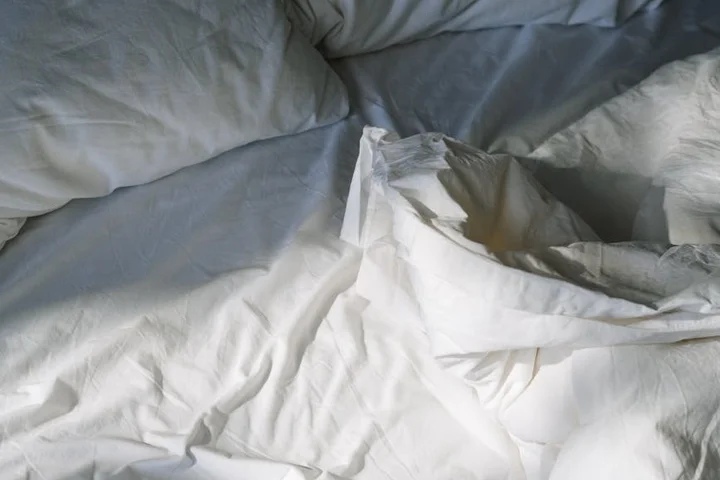
Bedding is a different beast than shirts. The stains are often older, set in over weeks of sleep, and the fabric types can vary. You are not just treating a small area, you are often trying to refresh the entire sheet or pillowcase. I treat my family’s bedding about once a season, more often for pillowcases, and I have a specific routine for guest rooms. My mom, Martha, has her old-school method, and my mother-in-law, Brianna, swears by another. I’ve blended their wisdom with my own tests.
The key to bedding is a long, patient soak with a product designed to break down body soils without damaging the fibers.
Sheets: Tackling Big, Set-In Discolorations
Yellow stains on sheets usually spread across a larger area, often along the sides where arms rest. You are not dealing with a concentrated spot but a broad, dull discoloration. For this, I prefer a bulk treatment in the bathtub. It saves your washing machine from a heavy, unbalanced load and lets the cleaner work undisturbed.
My go-to method for white cotton or cotton-blend sheets is an oxygen bleach soak.
- Fill your bathtub with the hottest water your sheets can safely handle (check the care label first).
- Dissolve one full scoop of oxygen-based cleaner (like OxiClean) per gallon of water, swishing it around with your hand to mix.
- Fully submerge the sheets, pushing out any air bubbles so they are soaking evenly. Let them sit for at least 6 hours, or even overnight.
- Drain the tub, wring the sheets gently, and wash them normally in your washing machine with your regular detergent. Do not add more bleach to this load.
I learned this from Brianna after a visit. She stripped the guest bed, saw the faint yellow bands on my nice white sheets, and just said, “Honey, let’s give these a bath.” Four hours later, they looked brand new. The oxygen bleach lifts the stain molecules out without the harshness of chlorine.
Pillowcases: Fighting Oil and Residue
Pillowcases are the frontline. They get a double assault from hair oils, skincare products, and yes, a little drool (from you, your partner, or your kids). This oily residue binds with sweat to create a tougher, sometimes waxy-feeling yellow stain.
For pillowcases, I pre-treat the stained areas before the bulk soak to tackle that extra grease.
Make a thick paste of oxygen cleaner and a tiny bit of water, or use a dab of blue dawn dish soap, which is excellent at cutting grease. Rub it gently into the yellow areas, especially along the seams and edges. Let it sit for 30 minutes. Then, proceed with the bathtub soak method alongside your sheets. The combination of direct grease attack and the long oxygen soak almost always does the trick. Jessica’s little princess pillowcase, which gets more product in it than a salon, comes out bright every time with this one-two punch.
Soaking Strategies for White Cotton and Polyester Blends
Fabric type changes your soaking game plan. Pure white cotton is the most forgiving and can handle hotter water and longer soaks. Modern polyester blends or performance sheets need a gentler touch, as too much heat can set stains or damage moisture-wicking finishes.
- For 100% Cotton: Use hot water from the tap for your soak. The heat helps activate the oxygen bleach and opens the cotton fibers to release the stain.
- For Polyester Blends or “Wrinkle-Free” Sheets: Use warm or even cool water. The oxygen cleaner will still work, but you prevent the risk of setting any stain with high heat. Always check the care label for maximum temperature.
Frequency is your best prevention for bedding. Washing sheets weekly is ideal, but giving them a dedicated stain-removing soak every 2-3 months prevents the yellow from ever becoming permanent. After my son Jason has a sleepover with his buddy Edward, I know those sheets are getting a tub soak before they go back in the linen closet. It is a small ritual that keeps my whites actually white.
Critical Warnings: Materials and Methods to Avoid
Getting those yellow stains out feels like a victory, but a single misstep can ruin a favorite shirt or set of sheets for good. I learned this the hard way with one of Roger’s nice dress shirts years ago. I was so focused on the stain I forgot to check the fabric care tag, and a permanent, crispy ring was my reward. Let’s make sure that doesn’t happen to you.
The biggest mistake you can make is attacking the stain without a plan, especially on fabrics you don’t understand. The yellow gunk is a stubborn enemy, but harsh chemicals or heat are not always the right weapon. They can do more damage than the stain itself.
Fabrics That Need Extra Caution
Not all fabrics are created equal, and sweat stains don’t change that fact. Some materials will react badly to common stain fighters. Here’s what to watch for:
- Silk and Wool: These are protein-based fibers. Strong alkali solutions (like heavy-duty laundry detergents or baking soda pastes left too long) can weaken and destroy them. My aunt Jessica has a lovely silk blouse with permanent damage from a well-meaning but too-strong spot treatment.
- Acetate and Triacetate: These synthetic fibers are common in linings and some blouses. They can literally dissolve or become tacky and melt with acetone (found in some nail polish removers) or even very strong alcohol.
- Delicate Synthetics (like some performance fabrics): Always check the tag. Some athletic wear with spandex or special coatings can be degraded by chlorine bleach or hydrogen peroxide, leading to permanent yellowing or loss of elasticity.
For these delicate items, your first move should always be towards the gentlest option: a soak in cool water with an enzymatic laundry detergent designed for delicates. If that fails, diluted white vinegar is often a safer bet than stronger chemicals.
Chemical Combinations to Never Try
This isn’t a science experiment. Some common household cleaners become toxic or damaging when mixed.
- Never, ever mix chlorine bleach with ammonia. This creates toxic chloramine gas. It’s dangerous and won’t help your stain.
- Avoid mixing chlorine bleach with vinegar or other acids. This creates chlorine gas, another serious respiratory hazard. If you use one, you must rinse the garment thoroughly before even considering the other.
- Do not use chlorine bleach on spandex (Lycra), wool, silk, or mohair. It will yellow and degrade the fibers. I saw a friend’s expensive gym shirt turn a sad, jaundiced color from this mistake.
- Be cautious with acetone or strong solvents. As mentioned, they can melt certain synthetics. They are almost never the right choice for fabric stains.
Stick to one active ingredient at a time, and always rinse completely between treatments. Simplicity and patience are your allies here.
Always Test First: The 15-Minute Patch Rule
My mom Martha taught me this rule decades ago, and it has saved countless garments. You might be in a hurry, but skipping this step is how disasters happen.
- Find a hidden spot. Turn the item inside out. Test on an inner seam, a deep part of the hem, or under the collar. Never test on the main, visible fabric.
- Apply your chosen treatment. Use a cotton swab to dab a tiny amount of your cleaning solution (whether it’s peroxide, vinegar, or a detergent paste) onto the hidden test spot.
- Wait 15 minutes. Don’t just glance at it. Set a timer. This gives the fabric and chemical time to react.
- Check for damage. After 15 minutes, blot the area dry with a white paper towel. Look closely. Has the color changed or faded? Does the fabric feel brittle, slimy, or rough? If you see any change at all, that method is not safe for your garment.
This test is non-negotiable, especially for colored items, vintage pieces, or any fabric you’re unsure about. It takes 15 minutes to save a $50 shirt. That’s a trade I’ll make every time.
One last, vital warning: Never use hot water or put the item in a hot dryer until you are 100% certain the stain is completely gone. Heat sets stains and any residual cleaning chemicals, making them permanent. Always air-dry the item after treatment so you can check your work. If the stain is still there, you can try again. Once it goes through a hot dryer, the battle is often over.
Post-Treatment Recovery and Smart Prevention

You’ve attacked the yellow stain, and the fabric looks fresh. This next step is just as critical as the cleaning itself. Rushing here can undo all your hard work in an instant, especially when dealing with delicate fabrics or outerwear.
Drying Right: Air Dry vs. Machine Dry
The heat from your dryer is the arch-nemesis of a lingering stain. It bakes residues into the fibers, making them permanent. I treat every stain-treated item as guilty until proven innocent.
Always, without exception, air dry your item first to perform a final stain check. Hang it in a shaded, well-ventilated spot. Direct sun can bleach the fabric unevenly, which is a different kind of damage. I learned this the hard way with one of Roger’s favorite golf shirts. The stain was gone, but I left it on the deck railing in full sun. The armpit area ended up a slightly different shade of white than the rest of the shirt. He still wears it for yard work, but I get a gentle ribbing about it every time.
To verify the stain is truly gone, hold the garment up to a bright light. Look for any shadow or slight discoloration in the treated area. Run your fingers over the spot. Does it feel exactly the same as the surrounding fabric, or is there a faint, stiff, or tacky residue? If you see or feel anything suspicious, do not put it in the dryer. Repeat your cleaning treatment on that specific spot.
Prevention for Shirts: Antiperspirant Habits and Washing Routines
Stopping the stain before it starts saves you time, money, and your favorite white shirts. To round out your routine, consider how to prevent stains after washing as well. The most common question I get is, “How do I keep this from happening again?”
Let’s talk antiperspirant. The aluminum salts that prevent wetness are the primary culprit reacting with sweat to create that yellow color. Applying your antiperspirant at night, right before bed, gives it hours to fully absorb into your sweat ducts without the interference of immediate activity and sweat. When you shower in the morning, you can wash away any residue on the skin’s surface. This simple shift in timing made a noticeable difference for Roger’s dress shirts.
Your washing routine is your next line of defense:
- Wash shirts inside out. This focuses the agitator or spray action on the stained interior fabric where the soil is.
- Pre-treat the armpits every single time, even if you don’t see a stain. A quick spray of a laundry pretreatment or a dab of paste from your stain removal kit keeps buildup at bay.
- Use the warmest water the fabric care label allows. Heat helps dissolve the oils and salts in sweat.
- Consider underarm shields or dress shields. They are thin, absorbent pads that snap or stick inside the shirt’s armpit. They feel old-fashioned, but for a precious silk blouse or a crisp white dress shirt, they are brilliant. My Aunt Jessica swears by them for her finer clothing.
Prevention for Bedding: Frequency and Protective Barriers
Bedding soaks up body oils and sweat all night long. Pillowcases, especially, get a concentrated dose from hair products and facial skincare. My mom, Martha, taught me that clean bedding is non-negotiable for a healthy home.
Wash your sheets and pillowcases at least once a week in hot water to break down oil and sweat before they have a chance to oxidize and turn yellow. For pillowcases, twice a week is even better. If you use night creams or hair treatments, this is essential. I put a clean pillowcase on Jessica’s bed even more often because of her little-knightime messes.
Create a protective barrier. Use a pillow protector under your pillowcase. This is a zippered, waterproof or water-resistant cover that shields the pillow itself from stains and allergens. For mattresses, a high-quality, breathable mattress pad is a must. It protects the mattress from sweat and spills, and you can simply strip it off and wash it regularly. It’s far easier to wash a mattress pad than to try and scrub a mattress.
When storing white linens or seasonal clothing, never use plastic bags or bins. Plastic traps moisture and can lead to yellowing from off-gassing. Store items in a cool, dry place inside breathable cotton pillowcases or cardboard boxes. My mother-in-law, Brianna, stores her guest room quilts in an antique cedar chest, which naturally repels moths and allows the fabrics to breathe. A simple tip from her that works perfectly.
FAQ About Yellow Armpit Sweat Stains
What’s the absolute fastest way to treat a fresh sweat mark before it sets?
Immediately rinse the stain from the inside-out with cool water, then dab with white vinegar or apply a paste of baking soda and water. This quick action breaks down the stain-causing compounds before they bond to the fabric, especially for berry stains.
I tried the methods, but an old stain on my favorite tee won’t budge. What’s my last resort?
For a truly set-in stain, an overnight soak in a hot water and oxygen bleach solution is your strongest home remedy. If that fails, a professional cleaner with specialized solvents is the safest final step to avoid fabric damage.
Can I use these methods on a colored shirt with pit stains, or will it bleach the color?
Vinegar and baking soda are generally color-safe, but always perform a 15-minute patch test in a hidden seam first. Avoid chlorine bleach entirely, and use oxygen bleach cautiously, checking the label for colorfastness instructions.
I don’t have baking soda or vinegar. Is there anything else in my kitchen that works?
A small drop of clear dish soap mixed with a teaspoon of hydrogen peroxide can be dabbed on fresh stains to cut oils and gently oxidize the discoloration. Always rinse thoroughly and test on a hidden area first.
My dress shirt looks good after washing, but a faint shadow returns after ironing. Why?
Heat from the iron is setting a tiny, residual amount of the stain. This means the stain wasn’t fully removed. Re-treat the area and always air-dry completely to verify the stain is gone before applying any heat.
Your Clean, White Fabric Future
The most important thing to remember is that yellow underarm stains are a two-part problem: a waxy residue and a chemical reaction. Attack them in that order-first break down the residue with your chosen pretreatment, then lift the discoloration with an oxygen-based bleach. When you treat stains promptly and with the right method, you protect your favorite shirts and bedding from permanent damage. For more step-by-step guides on everything from grass stains to red wine, you can find me right here on the blog. If you’re dealing with yellow stains on white clothes, this approach also applies there. More on how to remove yellow stains from white fabrics is covered in related guides on the blog.
Suzanne is an accomplished chemist, laundry expert and proud mom. She knows the science and chemistry of stains and has personally deal with all kinds of stains such as oil, grease, food and others. She brings her chemistry knowledge and degree expertise to explain and decode the science of stain removal, along with her decades long experience of stain removal. She has tried almost everything and is an expert on professional and DIY stain removal from clothes, fabric, carpet, leather and any other items dearest to you.