How Do You Remove Red Wine Stains from Clothing and Fabric?
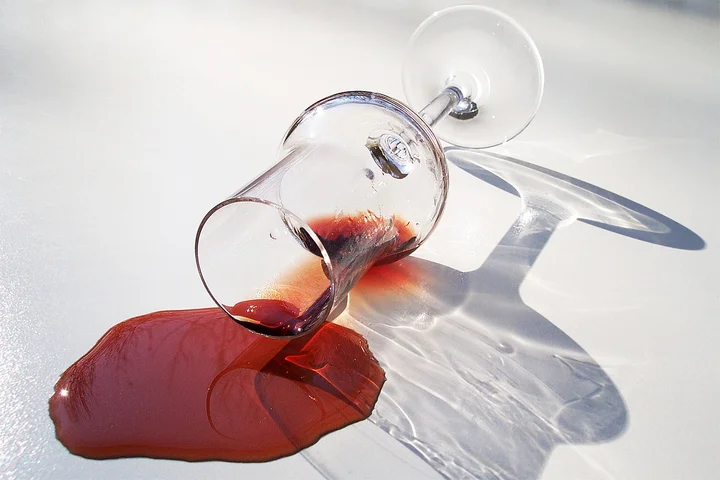
Did a glass of red wine just meet your favorite shirt? Don’t worry. Your first move is to blot, not rub, with a clean white cloth, then rinse the back of the fabric with cold water.
- The immediate “do this now” steps to stop the stain from setting.
- My go-to homemade paste using salt and dish soap that works on most fabrics.
- How to tackle old, set-in stains that have already dried.
- Special methods for delicate materials like silk or dry-clean-only items.
- Why the final wash cycle is just as important as the initial cleanup.
As a stain-removal specialist who has saved everything from my husband Roger’s hunting shirts to my Aunt Jessica’s silk tablecloth, I’ll walk you through it.
Your First Move: Stop the Stain in Its Tracks
That sudden gasp, the slow-motion tip of the glass. I’ve been there, and your first reaction is everything. Fight the urge to scrub frantically.
The one rule you must remember is to blot, never rub. Rubbing grinds the wine pigments and tannins deeper into the fabric fibers. Grab a clean, white cloth or a wad of paper towels. That same blotting rule helps when removing red wine stains from carpets, preventing the stain from sinking deeper. In the next steps, you’ll find a quick carpet-focused guide to lifting red wine stains.
My Aunt Jessica, a true wine enthusiast, once celebrated a bit too exuberantly and tipped her Cabernet onto my light linen tablecloth. In her fluster, she grabbed the nearest thing, which was a salt shaker. She poured a mountain of it on the spill. It acted like a sponge, pulling a lot of the moisture to the surface where we could blot it away. It’s a decent quick fix for a tablecloth, but I’m more cautious with clothing. Salt can be abrasive.
Before you put anything else on the stain, find a hidden seam or inner hem and test your chosen treatment there first. This is non-negotiable for silks, wools, or any fabric with a “dry clean only” label. A ruined cuff is better than a ruined shirt.
Step-by-Step: Banishing a Fresh Red Wine Spill
For a spill that’s still wet, you have a real advantage. This is how you remove red wine stains from shirts, table linens, and other washable fabrics. The key is moving quickly and methodically.
Always work from the outer edge of the stain toward the center to contain the spill and prevent a larger ring. Imagine you’re circling the stain, pushing it inward on itself.
Blot and Lift: Soak Up the Excess
Lay the stained item flat on a clean towel. Place another clean, absorbent cloth directly on top of the wine spill.
Press down firmly and hold. Don’t swipe. You’re trying to pull the liquid up and out of the fibers like a sponge. I use plain white terrycloth towels for this. You’ll see the wine transfer to your blotting cloth. Keep moving to a dry spot or a new cloth as it becomes saturated.
Your goal is to remove as much of the free-flowing wine as possible before introducing any cleaners. This step alone can make the stain almost disappear on some fabrics, especially when dealing with beverage stains on clothes or fabric.
Pre-Treat: Apply Your Stain Fighter
Now you need to break down what’s left. You have a couple of great, non-toxic options right in your kitchen.
For most shirts (cotton, polyester, blends), I reach for clear liquid dish soap. The blue dawn soap is my personal favorite for stains. It’s designed to cut through grease, and wine has compounds that behave similarly. Dab a small drop directly on the stain, gently working it in with your finger or a soft-bristled brush.
White vinegar is another powerhouse. It’s acidic, which helps neutralize the tannins in red wine that cause that dull brown color. I mix equal parts white vinegar and cool water in a spray bottle. Lightly mist the stain, then blot again. The smell fades after washing.
Dish soap tackles the oily components, while vinegar goes after the color-setting tannins; sometimes I’ll use one after the other if the stain is stubborn. Let the pre-treater sit on the fabric for at least 5-10 minutes.
Wash and Inspect: The Final Checkpoint
Now, wash the item by itself. Use the warmest water temperature that is safe for the fabric along with your regular detergent.
This next part is critical. When the wash cycle finishes, do not put it in the dryer. Heat from a dryer will permanently set any lingering stain.
You must air-dry the garment completely so you can inspect it in natural light. If you see any shadow or hint of the stain, repeat the pre-treatment and washing steps. Only use the dryer when you are 100% certain the stain is gone.
When Time Has Passed: Rescuing Set-In Wine Stains

Don’t panic if you found that shirt balled up in the laundry basket a week later. I’ve been there. My Aunt Jessica sent me a beautiful blouse from Arizona that I wore to a dinner party. A splash of Cabernet landed right on the cuff. I forgot about it until laundry day, after it had fully dried. The stain was a deep, dull purple.
To answer your direct questions: yes, port wine and red wine stains can go away, and yes, red wine can wash out of clothes, even old ones. The game changes from quick blotting to a slow, chemical reaction. You need patience and a good oxygen-based bleach. It’s especially important to have the right understanding of how to remove set-in stains from fabric.
My most trusted tool for this is oxygen bleach, like OxiClean. It’s color-safe and works by slowly releasing oxygen bubbles that lift the stain from the fabric. I tested this on a white cotton tablecloth my son Jason stained during a pizza night. A merlot splash had dried and been through a warm wash, setting it. That same approach also helps remove stains from linen fabric. Just remember to test a small, inconspicuous spot first, since linen can be more delicate.
Older stains require patience. You might need to repeat a treatment two or three times. Don’t rush it by using hotter water or harsher chemicals. That can set the stain for good.
The Long Soak: Let Time Do the Work
This is my favorite method for set-in stains on colorfast cottons, linens, and polyesters. My mom, Martha, taught me this for her antique linen napkins. She’d always say, “Sometimes you just have to walk away and let the science happen.”
Here is how you do it.
- Fill a clean sink or bucket with warm water.
- Dissolve the oxygen bleach according to the package directions. I use a full scoop per gallon for tough stains.
- Submerge the stained item completely. Make sure the stained area is fully underwater.
- Let it soak for at least 4 hours, or overnight. You will see the water start to change color.
- After soaking, check the stain. If it’s gone, wash the item normally. If a faint shadow remains, do not dry it. Soak it again or move to a targeted attack.
The long soak gives the oxygen molecules hours to break apart the wine’s tannins and pigments, which is why it works so well on stains you thought were lost.
Targeted Attack for Stubborn Residue
Sometimes, after a soak, a faint ghost of the stain remains. This is common with thick fabrics or very old stains. For this, you need a more concentrated approach.
You will make a thick paste to hold the cleaning power right against the stain.
- In a small bowl, mix two tablespoons of oxygen bleach powder with just enough cool water to make a paste. It should be like toothpaste.
- Lay the damp garment flat on a towel. Using a spoon or your finger (wear gloves if you have sensitive skin), spread the paste over the stain. You want a thick layer, about 1/4 inch.
- Let it sit for 30 minutes. Do not let it dry out completely. If it starts to crack, spritz it with a little water.
- After 30 minutes, rub the fabric gently together to work the paste in. Then, toss the whole item, paste and all, into the washing machine for a regular cycle with detergent.
This paste method focuses all the stain-lifting power on one spot, which often removes that last bit of discoloration a general soak might miss. I used this on a navy blue shirt of my husband Roger’s after a hunting trip barbecue. The wine stain was almost gone from a soak, but the paste knocked out the final shadow completely.
Chemistry Corner: Why Red Wine Stains and How to Beat Them
Let’s talk about why that lovely Cabernet leaves such an ugly mark. Red wine stains are tannin-based.
Tannins are natural plant compounds found in grape skins. They bind incredibly tightly to fabric fibers, especially natural ones like cotton and linen.
Think of a dried red wine stain like a stubborn sticker stuck right to the threads of your shirt.
That’s why just dabbing with water often makes it worse. You’re just spreading the “glue” around.
Your Two-Part Attack: Acid & Soap
You need a one-two punch to win this fight. First, you loosen the bond. Then, you lift the stain away.
A mild acid, like plain white vinegar, helps break the tannin’s grip on the fabric.
Pouring on white vinegar is like spraying adhesive remover on that sticker; it starts to dissolve the bond so you can get under it.
Next, you need a lifting agent. The surfactants in blue dawn dish soap are perfect for this job.
Surfactants grab onto the oily and pigmented parts of the stain, suspending them in water so they can be rinsed away.
Dish soap acts like your fingernail, getting under the loosened sticker and peeling it cleanly off the surface.
A Real-World Example from My House
My Aunt Jessica, who loves a good Malbec, taught me this years ago after a memorable holiday spill.
I’ve since used this vinegar-and-soap combo on everything from my husband Roger’s favorite hunting flannel to a linen tablecloth after a party.
It works because it targets the stain’s chemistry, not just its color. You’re not just covering it up; you’re breaking it down.
This method is gentler than pouring on straight bleach, which can damage fibers and set stains permanently.
Understanding this simple science takes the panic out of the spill and gives you a clear, effective plan.
Surface Compatibility: Adapting Your Attack for Where It Spilled
Red wine does not care about your sofa. It happily soaks into carpet, leather, and cotton. Your response needs to be just as adaptable.
Think of this as your cheat sheet for any surface. The core science is the same, but your technique shifts.
| Surface | Key Adjustment |
| Clothing & Washable Fabrics | You have the luxury of a full wash cycle. Pre-treat thoroughly and check the fabric care label before using heat. |
| Upholstery (Sofa, Chairs) | Blot from the edge of the stain inward to contain it. Use minimal, misted moisture to avoid soaking the padding, which can lead to mold. |
| Carpet | Blot, don’t rub. Work from the outer edge toward the center. A wet-dry vacuum is excellent for pulling moisture up from the pad below. |
| Car Interior (Seats, Mats) | Test any cleaner in a hidden spot first. For fabric, blot with a microfiber cloth. For leather, use a dedicated, gentle leather cleaner to avoid drying it out. |
| Hard Surfaces (Countertop, Tile) | Easiest win. Wipe up immediately with a soapy cloth. A baking soda paste can lift any lingering pigment from grout. |
Here’s a tip I learned from Peeta’s eternally muddy paws. Always clean a slightly larger area than the visible stain.
This prevents a faint ring from forming as the edges dry. It makes the cleaned spot disappear.
Clothing and Washable Fabrics: The Standard Playbook
For shirts, table linens, or Jason’s soccer shorts, you follow the same reliable routine. I keep a dedicated stain spray in my laundry room for this.
First, gently blot any excess wine. Do not rub it in.
Then, flush the stain from the backside with cool water. This pushes the wine stain out, not deeper through the fabric.
Pre-treatment is non-negotiable for a set-in stain.
I apply a mixture of liquid detergent and a bit of water directly to the stain. Let it sit for 10-15 minutes.
For whites, I might use a peroxide-based booster. For colors, I stick with enzyme detergents.
Wash the garment on the coldest setting your fabric allows. Heat sets stains.
Check the stain is gone before you toss it in the dryer. If not, repeat the process. The dryer’s heat is your enemy here.
Furniture and Carpets: The Blotting Ballet
This is where patience pays off. Your goal is to lift the stain without drowning the material.
Too much water can cause upholstery to shrink or make a carpet pad moldy. I learned this after a large juice spill from Jessica.
Use a spray bottle to mist your cleaning solution onto a clean white cloth, not directly on the stain.
Blot patiently. Press down, lift, and move to a clean section of the cloth. You will see the transfer.
For a big spill on carpet, my wet-dry vacuum is a hero.
After blotting, I use it to suck any lingering moisture and cleaner from deep in the pile. It prevents that damp, sour scent from taking hold.
Always prop up cushions or use a fan to air-dry the area completely. This final step is as important as the cleaning itself.
Fabric-Specific Finesse: From Cotton to Silk
You ask, “How do you remove red wine stains from fabric?” and my answer is always the same. It depends entirely on what you’re trying to save, especially when it comes to delicate fabrics.
Treating a cotton t-shirt like a silk blouse is a one-way ticket to ruin. This section is your guide to matching your method to your material.
I want to soothe your fears. With the right approach, most stains come out. Some just require more gentle hands than others.
We’ll cover sturdy cottons, delicate silks, warm wools, and tricky synthetics. You’ll see how each fabric reacts.
When you are unsure about a delicate or expensive item, your safest move is to take it to a professional cleaner.
I did this with a favorite silk blouse after a party. I knew my home methods were too rough for it. The cleaner saved it perfectly.
Sturdy Everyday Fabrics: Cotton, Linen, Polyester
These are your workhorses. Think of Jason’s soccer jerseys, Roger’s work shirts, or your everyday tablecloth.
Cotton, linen, and polyester blends are wonderfully forgiving. They can handle stronger treatments that would scare a delicate fabric.
For these fabrics, you have the green light for a full assault: hot water soaks, oxygen-based bleach (like OxiClean), and a normal, vigorous wash cycle.
My go-tos are a hot water soak with a scoop of oxygen bleach or a pre-treatment paste of detergent and baking soda. The heat helps break the stain down.
Always check the care label first. But generally, if it’s a t-shirt, jeans, or bed sheets, you can be firm and thorough.
Delicate Darlings: Silk, Velvet, Dry-Clean-Only
This is where you switch from power-washer to conservator. Delicate fabrics need a whisper, not a shout.
Silk and velvet are beautiful but fragile. Rubbing is their enemy. It forces the stain deeper and can damage the fibers permanently.
Your only tools here are cold water, a mild detergent like Woolite, and a ton of patience for gentle blotting.
Club soda is a classic for a reason. The bubbles can help lift the stain without harsh chemicals. Just pour it on and blot from the back.
For a stubborn spot on velvet, my Aunt Jessica taught me a trick. A single drop of glycerin, rubbed gently between your fingers, can help lift the color.
Blot it on, let it sit for a minute, then blot away with a cold, damp cloth. Test this on a hidden seam first.
If the tag says “Dry Clean Only,” believe it. Blot up what you can with cold water, then take it to the pros. It’s cheaper than a ruined garment.
Troubleshooting: When Stains Linger or Come Back
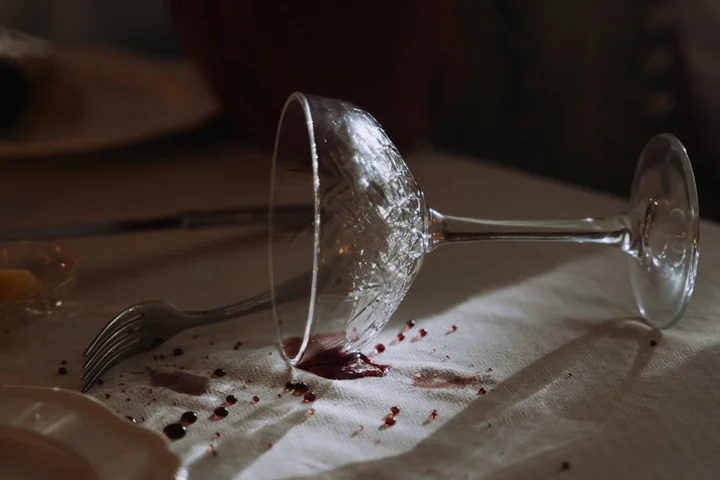
You followed all the steps. You washed the shirt. You pull it from the dryer, and your heart sinks.
A faint pink shadow is staring back at you.
This happens more than you’d think. Let’s tackle the worries head-on.
The biggest mistake is assuming the stain is gone and tossing the item in the dryer. The heat from a dryer acts like an iron, permanently bonding any leftover pigment to the fabric. Always, always air dry the item first after washing. Check it in good light while it’s still damp. If the stain is gone, then you can dry it normally.
My aunt Jessica, a true wine enthusiast, once swore by the “white wine trick.” I had to gently break the news. Pouring white wine on red wine mostly just dilutes it. You’re left with a larger, paler pink stain that’s now also sticky from sugar. It’s not a reliable fix.
Sometimes, a stain you thought was gone reappears as a faint brown or yellow ring after drying. This is oxidization. Tiny bits of the stain are still there and have reacted with the air.
For color-safe fabrics (always test first), a retreat with 3% hydrogen peroxide works wonders. Blot it on, let it bubble for a few minutes, then rinse with cool water.
The Dreaded Faint Shadow: Treating Set-In Color
So you air-dried it, and that pale ghost of merlot remains. Don’t rewash it yet. The washing machine just isn’t great at focused stain attacks.
You need a second, targeted treatment on the exact spot. I keep a spray bottle of an enzyme-based pretreatment, like one for pet stains, in my laundry room for this. The enzymes are hungry for organic matter.
Spray it generously on the shadowy area. Let it sit for 15-20 minutes. The stain should look lighter as the enzymes break it down.
No enzyme spray? Make a thick paste of baking soda and a little water. My mom, Martha, taught me this. Smear it on the stain and let it dry completely. The baking soda works to pull the remaining color up and out. Brush it off, then wash again with your regular detergent.
When to Call for Backup: Professional Help
I try everything at home first. But some battles are smarter to hand off.
If the stain is weeks or months old, the wine has had a long time to settle in. Home methods might lighten it, but probably won’t erase it completely. Be careful not to make common stain removal mistakes when attempting to clean it.
For a truly valuable item-like a wedding guest dress, a silk blouse, or an heirloom tablecloth-a professional cleaner is a stress-free investment. They have industrial-strength solvents and techniques we don’t. Tell them exactly what the stain is and what you’ve already tried.
If you’re feeling unsure or anxious, calling a pro is the right choice. I did this with a favorite wool sweater after a party. The peace of mind was worth every penny.
Prevention: Keeping Your Next Toast Stain-Free
Spills happen. My Aunt Jessica in Arizona can tell you that after many a book club meeting. A little planning can turn a potential disaster into a simple blip.
My first tip is about your battlefield. If you’re hosting a party with lots of red wine, think about your linens.
- A bright white tablecloth is like a blank canvas for a Merlot painting. It shows everything.
- Instead, I use darker-colored napkins and a patterned or deep-toned table runner. A burgundy or navy cloth hides minor drips beautifully.
- It’s a trick I learned from my mom, Martha. Her North Texas dinner parties always looked elegant, partly because she was never stressed about a little spill.
Your Simple Stain-First-Aid Kit
You don’t need a chemistry set. A few basics, kept in a cabinet or under the sink, are a game-changer.
Here is what I always have ready:
- Plain white cloths or towels: Color can transfer. White won’t.
- Club soda: The carbonation helps lift the wine from the fabric fibers.
- Clear dish soap: It cuts through the sugars and alcohol in the wine.
This kit isn’t just for wine. My husband Roger uses the same dish soap and cloths to pre-treat grass stains on his hunting gear before it goes in the wash. It works on many common messes.
The Most Important Tool is Calm
I’ve watched my daughter Jessica knock over a glass with a dramatic sweep of her arm. The initial gasp is real.
Take a breath. You know what to do now. A frantic rub is the real enemy, not the wine itself.
Having your kit ready means you can act quickly and confidently. You are prepared. That knowledge alone makes the next gathering more relaxing for everyone, including the host.
FAQ about Removing Red Wine Stains
How soon should I treat a red wine stain to prevent it from setting?
Blot the spill within minutes to lift excess wine before it dries. Immediate action with cold water and a clean cloth greatly increases your chance of complete removal.
What’s the safest household cleaner to use on a colored shirt?
Reach for clear dish soap or diluted white vinegar; both are color-safe and effective. Always perform a spot test on an inner seam to prevent dye damage.
Can I use salt on all fabrics to absorb red wine?
Salt works well on sturdy table linens but avoid it on clothing-it can grind pigment into fibers. For shirts, blotting with cold water is a safer first step.
My red wine stain disappeared after washing, but came back after drying. What went wrong?
Residual stain was set by the dryer’s heat. Next time, air-dry completely first; if a shadow remains, re-treat with an oxygen bleach paste before rewashing.
Is it safe to use hydrogen peroxide on delicate fabrics like silk?
No, hydrogen peroxide can weaken delicate fibers. For silk, gently dab with cold water and a mild detergent like Woolite, or consult a professional cleaner.
Your Fabric’s Best Defense After a Wine Spill
Speed is your greatest ally-blotting the stain with a clean, absorbent cloth as soon as possible prevents the wine from setting into a permanent ring. I rely on this same quick-response method for everything from Aunt Jessica’s cabernet mishaps to the grape juice spills that follow my three-year-old, and you can find more of these tested strategies right here on Stain Wiki.
Written by Suzanne Rosi Beringer. Suzanne is an accomplished chemist, laundry expert and proud mom. She knows the science and chemistry of stains and has personally deal with all kinds of stains such as oil, grease, food and others. She brings her chemistry knowledge and degree expertise to explain and decode the science of stain removal, along with her decades long experience of stain removal. She has tried almost everything and is an expert on professional and DIY stain removal from clothes, fabric, carpet, leather and any other items dearest to you.