How Do You Remove Common Food and Beverage Stains from Clothing and Textiles?
Staring at a new stain on your favorite couch or your kid’s shirt can feel like a mini crisis. Take a breath-grabbing a clean cloth to blot and some cool water is your best first move for almost any fresh spill.
This article will give you my tested, straightforward advice for handling those everyday messes. Here’s what we’ll cover:
- The universal first steps you should always take, no matter what was spilled.
- Simple formulas for specific stains like grease, wine, juice, and chocolate.
- How to adjust your method for different fabrics, from sturdy cotton to delicate silk.
- Using common pantry items like white vinegar and dish soap for safe, effective cleaning.
- What to do with old, set-in stains that seem hopeless.
I’ve spent years solving stain puzzles from my own home, from Jessica’s yogurt art to Roger’s barbecue sauce splatters, so you can trust these methods.
Your First Move: The Golden Window of Stain Removal
Take a deep breath. I see you standing there, looking at the dark splotch on your favorite shirt. We have all been there, and I promise you, most stains are not a life sentence for your fabric. The most powerful tool you have right now isn’t a fancy cleaner, it’s calm, quick action.
I think of every spill as having a “Golden Window,” a short period where treatment is easiest and most effective. When my son Jason spills chocolate milk on the couch, I have about 30 minutes before it goes from a wipe-up to a soak-in project. For my aunt Jessica’s red wine on the tablecloth, that window is more like 10 minutes. The clock starts ticking the moment the spill happens.
No matter what spilled, your first moves are almost always the same. These universal first-aid steps are your foundation.
- Blot, never rub. Rubbing grinds the stain deeper into the fibers. Use a clean, white cloth or paper towel to press down and soak up as much liquid as you can.
- Gently scrape off any solids, like mashed potatoes or cake frosting, with the dull edge of a butter knife.
- Isolate the area. If it’s clothing, don’t let the stain touch another part of the fabric. If it’s on a tablecloth or cushion, put a bowl under the stain to keep it from soaking through to the layer below.
Before you reach for any cleaner, pause for a two-second fabric check. Is it delicate silk? Sturdy cotton? A synthetic blend? The care label is your first clue. A method that saves a cotton t-shirt could ruin a silk blouse.
Panic Level Guide: From “Oops” to “Emergency”
Not all stains deserve the same level of alarm. This simple 1-10 scale helps you triage the situation. A 1 is a minor nuisance; a 10 means call in the professionals immediately.
- Clear Juice or Soda (Panic Level 3): Mostly sugar and water. They can get sticky and attract dirt if not rinsed, but they usually wash out easily with water and a little soap.
- Coffee (Panic Level 5): The tannins in coffee act like a dye. Heat from a dryer will set it permanently, so cold water is your best friend from the start.
- Cooking Grease or Oil (Panic Level 6): Grease repels water, so normal washing often just spreads it. You need a degreaser like dish soap to break its grip on the fabric first.
- Blood (Panic Level 7): A protein-based stain. Always use cold water. Hot water cooks the proteins, making the stain much harder to remove. For fresh stains, your own saliva (which contains enzymes) can work wonders.
- Red Wine (Panic Level 8): A double threat of strong dye and tannins. It requires fast action and often a two-step process to lift both the color and the stain.
And for a common worry, let’s compare: Are grass stains permanent? They can be, but they don’t have to be. Grass contains a tough green pigment called chlorophyll. Like red wine, it’s a dye-stain combo. While tricky, a pre-treatment with rubbing alcohol or a paste of baking soda and vinegar before washing usually lifts it right out of sturdy fabrics like cotton, especially those used in sports pants.
How Do You Remove Coffee and Tea Stains from Clothing and Fabrics?
This question hits close to home, literally. Just last Tuesday, my husband Roger backed into the kitchen counter with his full mug. A perfect, dark brown arc of coffee now decorated the back of his light blue work shirt. He had that familiar look of dismay. I just smiled and said, “Get it off, now. We’ve got this.”
The single most important rule for coffee and tea is to avoid heat until the stain is completely gone. Tannins, the compounds that give these drinks their color and bitterness, bind to fabric fibers when heated. That means cold water only for rinsing, and never, ever put the item in the dryer until you are 100% certain the stain is gone.
Step-by-Step Rescue for Fresh Coffee Stains
For a stain that’s still wet, follow this sequence. It’s the same method I used on Roger’s shirt while he changed.
- Blot immediately. Use a clean cloth or a wad of paper towels to soak up every drop you can. Press firmly, don’t wipe.
- Rush to the sink and rinse from the back. Turn the garment inside out. Hold the stained area taut under a gentle stream of cold water, pushing the stain out from the backside. You will see the brown color flowing away.
- Apply your pre-treatment. Mix one drop of clear dish soap with a few drops of white vinegar. Gently work this into the stain with your fingers. The soap cuts any milk or cream, and the vinegar helps break down the tannins. Let it sit for 5-10 minutes.
- Launder as usual, but with cold water. Wash the garment by itself or with similar colors on a cold cycle. Check the stain before drying. If it’s still there, repeat the pre-treatment.
Always test your cleaning mix on a hidden seam or inner hem first, especially on dark or brightly colored fabrics. This quick check can save you from a bigger disaster.
When the Stain Has Dried: Dealing with Set-In Rings
We have all found that forgotten mug ring on the counter days later. Or maybe you dried the shirt by accident, setting the stain. All hope is not lost. For these set-in tannin stains, you need a longer, soaking attack.
Fill a basin or sink with cool water and dissolve in an oxygen-based bleach powder, like OxiClean. Soak the stained item for at least several hours, or even overnight. The oxygen bubbles work to gently lift the stain from the fibers. After soaking, wash it normally with your regular detergent.
I avoid chlorine bleach for colored fabrics entirely. It can react with the tannins and turn your coffee stain a permanent yellow. Oxygen bleach is a much safer and more reliable brightener for most home textiles.
Tea stains follow the exact same rules, whether they are on napkins or clothing. The main difference is tea can sometimes leave a lighter, more translucent tan mark. The treatment-cold water, dish soap, vinegar, or an oxygen bleach soak-is identical. My mom Martha taught me that trick years ago, and it has saved many a linen napkin from her afternoon tea.
Saving Your Stuff from Red Wine, Juice, and Berry Spills
You know that heart-sinking moment. A glass tips, a berry squishes, and suddenly your favorite shirt or a pristine tablecloth is under attack. I’ve been there more times than I can count. Removing red wine, grape juice, cranberry juice, and berry stains follows the same core principle: you’re fighting a potent dye, and speed is your greatest weapon.
Let’s tackle a common question right away: How do you remove red wine stains from fabric? My Aunt Jessica, who loves a good Cabernet, taught me a valuable lesson at a family dinner. A guest knocked over a full glass onto her beautiful linen tablecloth. There was a frantic scramble for the salt shaker, which brings me to a key point.
Forget the old wives’ tale of pouring salt on a wine stain. It creates a gritty paste that can grind the pigment deeper into the fibers. Your best first-aid is simple: club soda or cool water. The goal is to dilute and lift the stain from the fabric, not cement it in place. Needless to say, red wine is particularly tricky to treat.
Here is my go-to method for these tricky dye-based stains. I keep a spray bottle of 3% hydrogen peroxide in my laundry room just for this.
- Blot up as much liquid as you can with a clean, white cloth. Never rub.
- Flush the stain from the back with cool water or club soda, pushing the stain out, not deeper in.
- For color-safe fabrics (always test first), spray or pour a small amount of 3% hydrogen peroxide directly on the stain. You’ll see it fizz as it attacks the organic dye. Let it sit for 5-10 minutes.
- For delicate or dark fabrics where bleaching is a worry, use white vinegar instead. Blot, flush, then apply diluted white vinegar (one part vinegar to two parts water).
- After treating, wash the item as usual with your regular detergent. Check the stain is gone before putting it in the dryer, as heat will set any residue.
Back at Aunt Jessica’s, we skipped the salt. We blotted, flushed with club soda from the bar, and I had her spray the linen with peroxide. By the end of the night, you’d never know a disaster had happened.
Immediate Action for Red Wine on Tablecloths and Upholstery
Fixed furniture or a large tablecloth can feel overwhelming. The panic is real. Take a deep breath and grab some clean, white cloths or paper towels. The blot-and-flush technique is your best friend here, and it requires patience, not force.
Start by gently pressing your cloth onto the spill. Soak up the wine. Move to a clean, dry spot on your cloth and press again. Keep doing this until no more wine transfers. Then, using a cloth dampened with cool water, lightly blot the area, “rinsing” it into your dry cloth. You’re essentially giving the spot a mini-shower and drying it at the same time.
For carpets, I use a slightly different first step before treating. Mix a tablespoon of baking soda with just enough water to make a thick paste. Spread this paste over the damp stain. It works wonders for getting stains out of carpet fibers. Let it sit for 15-20 minutes. The paste will start to dry, pulling some of the moisture and pigment up into itself. Then, you can vacuum it up and proceed with your hydrogen peroxide or vinegar treatment on the now-less-saturated spot.
Are Berry Stains Permanent? Not If You Act Fast
Let’s address this directly: are blueberry stains permanent? No, but they are stubborn. Berry stains from blueberries, blackberries, or raspberries are intense. They behave exactly like red wine because you’re dealing with a powerful natural dye. The treatment method is identical.
Act with the same urgency. Blot, flush, and treat with hydrogen peroxide for colorfast items. For 100% white cotton items, like my son Jason’s soccer socks after he’s been picking blackberries, I have a secret weapon: the sun. After treating and washing, I lay the damp, clean item in direct sunlight. The sun acts as a natural bleach, often erasing the last faint shadow of a berry stain beautifully.
A word of caution with synthetic fabrics, like polyester blends. The dye in berries and wine can sometimes bond to synthetic fibers more aggressively. This makes your immediate blot-and-flush action even more critical. On synthetics, I often opt for the white vinegar method first, as it’s gentler but still effective at breaking down the dye. Always test your chosen treatment on a hidden seam first.
Cutting Through Grease: Oil, Butter, and Dressing Stains
How do you remove grease stains from home textiles? This question hits home for me every Friday pizza night or when my husband Roger gets a little too enthusiastic with his burger assembly. Grease stains from pizza, salad dressing, butter, and cooking oil feel permanent, but they don’t have to be. The trick is to break the grease’s grip before it sets.
Your primary weapon is already under your kitchen sink. I swear by a good dish soap, like Dawn, because it’s literally engineered to cut through grease and oil on contact. For a fresh spill, you can buy time by sprinkling cornstarch or baking soda on it to absorb the oil, but that’s just first-aid. The real treatment comes next.
Always work on a grease stain from the outside edge toward the center to prevent it from spreading into a larger, more frustrating ring. This simple habit has saved countless shirts and tablecloths in my house.
The Dish Soap Method: Your Best Friend for Grease
This is my go-to, no-fail process for clothing, napkins, and fabric placemats. I keep a small bottle of blue Dawn in my laundry room just for this.
- Blot the excess. Use a clean paper towel or cloth to gently lift away any pooled oil or dressing. Don’t rub.
- Apply undiluted dish soap directly. Put a drop right on the center of the stain. Let it sit for 2-3 minutes to start breaking down the grease.
- Gently rub the fabric together. I fold the stained area onto itself and rub the material between my fingers. You’ll see the grease start to emulsify and the soap suds turn a yellowish-brown.
- Rinse thoroughly with warm water. Hold the stain under running water from the backside. The water should run clear, and the fabric should no longer feel slick.
- Launder as usual. Wash the item with your regular detergent. Check the stain is gone before drying, as heat will set any leftover grease.
This method works brilliantly on most fabrics, but I’ve noticed a difference. On sturdy cotton, like Jason’s soccer jersey, I can be a bit more vigorous with the rubbing. On a delicate polyester blouse, I’m much gentler, letting the soap do the work to avoid damaging the fibers. Polyester tends to release the grease a little faster, but cotton might need a second application for a heavy pizza grease spot.
Grease on Carpets and Car Upholstery
When grease hits carpet, the rules change slightly. Scrubbing is your enemy, it will fray the fibers and push the stain deeper. My aunt Jessica learned this the hard way with a dropped meatball. Instead, grab a white cloth (so you can see the stain transferring) and a bottle of dish soap diluted with a little warm water.
Blot, never scrub, from the outside in. Apply the soapy solution to your cloth, not directly to the carpet, to control moisture. Blot repeatedly, rinsing your cloth often. You’ll see the grease lift into the cloth. Once the stain is gone, blot the area with a cloth dampened with plain water to rinse, then blot dry.
Car interiors face the same threats. I’ll never forget when Peeta, our Labrador, found a forgotten fast-food bag and managed to get fry grease all over the back seat fabric. The dish soap method worked there too. I used a soft brush for the textured upholstery, applied the soap, gently agitated, and then used a wet-dry vacuum to extract the soapy residue. A portable carpet cleaner with an upholstery tool makes this job even easier.
Protein and Dairy Disasters: Blood, Chocolate, and Egg Stains
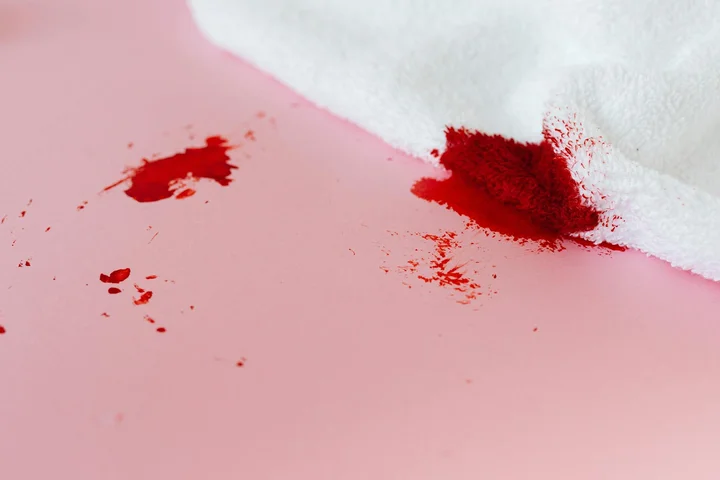
Think of a raw egg hitting a hot skillet. That white part turns from clear and runny to a solid, white mass almost instantly. That’s exactly what happens when you use hot water on a protein-based stain. It cooks the protein right into the fibers, making a temporary mess a permanent problem.
Blood, chocolate, egg, milk, and cheese sauces all fall into this tricky category. Your number one rule for any of these is simple: always start with cold water. I learned this the hard way with a favorite white shirt and a small kitchen cut years ago. A quick rinse under warm water left a faint, rusty shadow that never fully came out.
For these organic messes, your best friends are enzyme-based cleaners or detergents. They contain proteins that literally “eat” the stain proteins, breaking them down. For fresh blood, an old trick using meat tenderizer (which is also an enzyme) works wonders.
How Do You Remove Blood Stains from Fabric?
My son Jason had a nosebleed on his jersey right before a big game last season. We got it sorted. The key is speed and staying cool, literally.
- Flush immediately with cold, running water. Hold the stain under the tap from the back to push the blood out, not deeper in.
- If the stain is fresh, try my mom Martha’s Texas remedy. Make a strong saltwater solution (about a tablespoon of salt in a cup of cold water) and soak the spot for 10-15 minutes. Salt helps break down the proteins before you wash. Rinse with more cold water.
- Apply a pre-treatment. I use a dab of enzyme-based laundry detergent or a dedicated stain remover gel. Rub it in gently and let it sit for 15 minutes.
- Wash the item alone in the coldest water setting with more enzyme detergent.
- Check the stain before drying. If it’s gone, dry as normal. If a faint shadow remains, repeat. For sturdy white cotton, you can try a final treatment with 3% hydrogen peroxide after testing on a seam. Dab it on, let it bubble for a minute, then rinse with cold water and wash again.
Heat is the enemy. Never use hot water or put the item in the dryer until you are positive the stain is completely gone.
Chocolate and Ice Cream Meltdowns
Chocolate is a double threat. It contains both oily cocoa butter and dairy proteins. My daughter Jessica once sat on a chocolate chip, creating a perfect, greasy brown circle on her light-colored shorts. Here’s how to tackle it.
First, gently scrape off any solid, caked-on chocolate with the dull edge of a butter knife. Don’t rub, as that grinds it in.
- Run the back of the stain under cold water to flush out what you can. Hot water will melt the fats deeper into the fabric.
- Pretreat the area with a drop of clear dish soap (like Dawn). Gently work it in with your fingers. Dish soap is designed to cut through food fats. Let it sit for 5-10 minutes.
- Rinse thoroughly under cold water. You should see the greasy smear dissolve.
- Now, treat the remaining dairy protein stain. Apply an enzyme cleaner or a paste of oxygen-based bleach (like OxiClean) and cool water. This tackles any milk or cream residue.
- Let that sit for another 15-30 minutes, then wash the entire item in the coldest water recommended for the fabric with your regular enzyme detergent.
Be thorough with rinsing. Any leftover sugar from the chocolate can attract ants or other pests, especially if the stained item is a blanket or upholstery. I once found Peeta licking a spot on the couch a week after a minor ice cream spill I thought I’d cleaned. A reminder to always do a final clean-water pass.
The Stubborn Ones: Ink, Mustard, and Soy Sauce Stains
We all have that one food stain that makes us groan. For me, it’s a three-way tie between ink from a busted pen in a lunchbox, the neon yellow smear of mustard, and the sneaky brown drip of soy sauce. These stains feel different because they are different. They combine dyes, oils, and acids that challenge basic laundry soap. The most common question I get is, “How do you remove ink stains from clothing?” when a pen explodes next to a sandwich. Others worry, asking “are mustard stains permanent” or “are soy sauce stains permanent”. Let me be your guide. With quick action and the right tactic, none of these stains have to be a death sentence for your favorite shirt or tablecloth. We’ll also tackle curry, a close relative in the oily, pigmented stain family.
Ink on a School Shirt: A Quick Fix
Just last month, my son Jason came home with a blue scribble on the sleeve of his white soccer practice shirt. A pen had leaked in his gear bag. I didn’t panic, because ballpoint ink is oil-based, and oil dissolves in alcohol. The secret weapon for a fresh ballpoint ink stain is ordinary rubbing alcohol (isopropyl alcohol). It works like a charm on most synthetic inks you find in everyday pens.
Here is exactly what I did for Jason’s shirt:
- I placed a clean, dry cloth or paper towel underneath the stain to catch the ink as it lifts.
- I grabbed a bottle of 70% isopropyl alcohol and a cotton ball. You can also use a clean white cloth.
- I dabbed the alcohol onto the stain, working from the outside edge toward the center. Never rub, as that can grind the ink deeper into the fibers.
- I watched as the blue ink transferred onto the cotton ball. I switched to a fresh spot on the cotton ball frequently.
- Once the transfer slowed, I rinsed the area from the back with cool water to flush out any remaining ink and alcohol.
- Finally, I washed the shirt normally with a heavy-duty detergent. For stubborn traces, I applied a little more detergent directly to the spot before washing.
Always test the alcohol on a hidden seam or inside hem first, as it can cause color fading on some dark or bright fabrics. If the ink has already been through the dryer, the heat sets it like a tattoo, making removal much harder, but the alcohol method is still your best first attempt.
Tackling Mustard and Soy Sauce Before They Set
These two condiments are masters of disguise. They look simple but create complex stains. Mustard gets its punch from turmeric (a powerful natural dye) and vinegar. Soy sauce is a salty, fermented liquid that can bind to fibers as it dries. Time is your biggest enemy with both.
For that bright yellow mustard blob from a hot dog, here’s my approach. These steps are designed to remove mustard stains fast on clothes and fabric. They’ll help lift the stain quickly before it sets. Immediately flush the stain from the back with cool running water to push the turmeric and vinegar out, not deeper in. After rinsing, I make a thick paste of baking soda and a few drops of water. I gently work it into the stain and let it sit for 30 minutes. The baking soda helps neutralize the vinegar and lift the dye. Then, I brush off the paste and treat the area with an enzyme-based laundry spray or a dab of liquid dish soap to handle any oily components. Wash in the warmest water safe for the fabric.
Soy sauce is a race against the salt. If you act fast, a soy sauce stain is rarely permanent, but if the salty liquid dries completely, it can bind the color to the fabric. My aunt Jessica, a bit of a wine enthusiast, taught me this trick which works for soy sauce too. Rinse, rinse, rinse with cool water immediately. Then, soak the item for 30 minutes in a solution of oxygen-based bleach (like OxiClean) and cool water. The oxygen bubbles work to lift the stain from the fiber. After the soak, check the stain. If it’s gone, wash as usual. If a shadow remains, treat with a little more oxygen bleach paste or detergent before washing. This method is especially effective for removing soy sauce stains from colored clothes.
Let’s not forget curry. It behaves like mustard’s more intense cousin-oily and deeply pigmented. For curry, I scrape off any solid bits, then pre-treat with a mixture of liquid dish soap and a few drops of white vinegar. The soap cuts the grease, and the vinegar helps with the dye. Let that sit for 15 minutes, then rinse with cool water and wash with a good detergent. Persistence is key with curry.
Surface Smarts: Adapting Your Attack for Carpets, Upholstery, and More
The right technique in the wrong place can still cause a mess. Treating a stain on your jeans is different from treating the same stain on your sofa. The fabric, the backing, and what’s underneath all change the game. You need a plan for each surface.
Your first move should always be to understand what you’re cleaning, not just what you’re cleaning off. I learned this the hard way when I enthusiastically tackled a ketchup stain on our new upholstered chair with the same splash-and-scrub method I use on Jason’s soccer shorts. The chair pad was soaked for days.
Surface Compatibility Chart
This quick guide helps you pivot your strategy. Think of it as your first consult before any action.
| Surface | Key Treatment Adjustments | What to Avoid |
|---|---|---|
| Carpet | Blot, never rub. Work from the outer edge inward to contain the stain. Use a white cloth to see what you’re lifting. | Excessive soaking. It can push the stain into the backing and pad, causing mold or a lingering odor. |
| Clothing (Cotton/Sturdy) | Check the care label first. You can often be more aggressive with pre-treatments and agitation. | Using hot water on protein-based stains (eggs, milk, blood). It cooks the protein and sets it. |
| Clothing (Delicate) | Gentle dabbing only. Prioritize cold water and mild solutions. Consider a hidden seam test for any cleaner. | Vigorous rubbing or wringing. It can distort the fibers and make the stain spread. |
| Upholstery | Use minimal moisture. Apply cleaner to your cloth, not directly to the fabric. Blot with a dry towel to absorb excess liquid quickly. | Soaking the fabric. Padding underneath dries slowly and can lead to mildew, which is a whole new problem. |
| Hard Surfaces (Countertops, etc.) | You have more freedom. Scraping off solids first is safe. You can use stronger cleaners, but always rinse thoroughly. | Letting acidic stains (coffee, soda) sit on natural stone. They can etch the surface permanently. |
For unique surfaces like car interiors (a blend of fabrics, plastics, and vinyl) or driveways (porous concrete), the principles are similar but the specifics matter more. We have detailed guides on tackling car interior stains and driveway stains if you’re facing those battles.
Stain Removal Cheat Sheet by Surface
Let’s get specific. Here’s how your approach should shift for a common offender like red wine, depending on where it lands.
- Red Wine on Carpet: Blot up all you can. Pour a small amount of club soda or seltzer on the spot, let it fizz for a minute, then blot aggressively with a clean, dry towel. Follow with a dab of a 50/50 white vinegar and water solution, blot, then rinse with a damp water cloth and blot dry.
- Red Wine on a Cotton Shirt: Rinse the back of the stain under cold, running water to push it out. Soak the spot in cold water with a bit of hydrogen peroxide (3%) for 30 minutes. Launder as usual with cold water.
- Red Wine on Silk or Wool: Blot gently with a cool, damp cloth to lift what’s on the surface. Sprinkle baking soda or cornstarch to absorb moisture. Then, take it to a professional cleaner. I don’t experiment on these fabrics anymore.
One quick but vital note from the keyword list: fabric softener stains on towels are often a buildup issue, not a true stain. Overuse leaves a waxy residue that makes towels less absorbent. To fix it, wash them on the hottest setting allowed with a cup of white vinegar (no detergent). It breaks down the buildup. Prevention is simple: use less, or skip it entirely for towels.
Special Considerations for Delicate Fabrics and Antiques
This is where you slow down. Wool, silk, velvet, antique lace, or heirloom linens require a gentle touch and a dose of humility. The goal here is often “do no further harm.”
Always, always test your cleaning solution on a hidden area first-an inside seam, a corner under the cushion. Wait for it to dry completely to check for color transfer or texture change. When in doubt, call a pro. The cost is worth the peace of mind for an irreplaceable item.
My mother-in-law Brianna taught me a lasting lesson about vintage textiles. She was visiting from Southern Texas and brought a beautiful, hand-embroidered linen tablecloth from her mother. At dinner, my Aunt Jessica tipped over a glass of merlot. My instinct was to dash for the salt and club soda. Brianna calmly placed her hand over mine and said, “Just blot, dear. Let’s get the wet out and let the rest wait for daylight.” She spent the next hour patiently dabbing with cool water and a specific, mild soap she travels with. The faint shadow that remained was handled by her trusted cleaner back home. The tablecloth is fine. She taught me that panic and vintage fabrics are a terrible mix. Now, for anything with sentimental or monetary value, my first step is to blot gently and my second is to make a phone call.
What Not to Do: Material Red Flags and Pro Advice
In my house, we’ve had more “learning experiences” than I can count. My Aunt Jessica once tried to scrub a red wine spill on my mom’s wool rug with club soda and elbow grease. It went from a spill to a permanent, felted blotch. The key to stain removal isn’t just what you do, it’s what you avoid. Acting fast is good, but acting fast with the wrong method can make a stain permanent in seconds, which is one of the common stain removal mistakes to avoid.
Critical Warnings and Material Red Flags
Before you reach for any cleaner, look at the care tag. Some fabrics are like delicate skin and need a specialist’s touch.
- Dry-Clean Only Fabrics: This isn’t a suggestion. The construction, lining, or fabric itself (like acetate or viscose) can dissolve or warp with water.
- Silk & Wool: These are protein fibers. Heat and harsh alkaline cleaners (like heavy-duty degreasers) can cause irreversible damage, shrinkage, or yellowing.
- Leather & Suede: Water can leave a permanent ring, and many household cleaners will strip the natural oils. For my husband Roger’s hunting jacket, I only use products made for the material.
- Antique or Heirloom Textiles: If you wouldn’t risk a valuable painting, don’t risk grandma’s quilt. The fibers are often fragile.
Never-Use Chemicals and Common Mistakes
Mixing common cleaners can create toxic fumes, and using the wrong one can “cook” a stain into the fibers.
- Never use hot water on protein-based stains (blood, milk, egg, vomit). Heat will coagulate the protein, binding it to the fabric. Always start with cold.
- Never use chlorine bleach on silk, wool, mohair, or spandex. It will eat holes right through them.
- Never, ever mix ammonia and chlorine bleach. This combination creates a toxic chloramine gas. I keep them in totally separate cabinets to prevent any accidents.
- Don’t rub a stain vigorously, especially on carpet. You’ll fray the fibers and drive the stain deeper. Blot, always blot.
Answering Your “Is It Permanent?” Questions
Panic makes us think the worst. Let’s break down a few common worries.
Are chapstick stains permanent? Not if you treat them like grease stains. The wax and oils need a solvent. I pre-treat with a bit of dish soap or a stain stick before washing. It usually comes right out.
Are detergent stains permanent? Those chalky white residues are often from overusing detergent. They haven’t damaged the fiber, they’re just sitting on top. Run the item through a rinse cycle with no detergent, or hand-rinse thoroughly in warm water. They’ll dissolve.
When to call a professional: I have three rules. First, if the item has a “dry-clean only” tag and the stain is large or unknown. Second, if the stain covers more than a dinner plate on a carpet or upholstery. Third, if you’ve made two careful, documented attempts with home methods and see no improvement, it’s time for a pro. More attempts at home often just set the stain further.
Take a breath. Most stains aren’t a death sentence for your favorite shirt. The calm, correct reaction is your best tool.
Fabric Fails: When Home Remedies Can Harm
Natural doesn’t always mean safe for every surface. My mom Martha taught me the value of vinegar, but she also taught me its limits.
- Vinegar on Stone: The acetic acid can etch and dull marble, limestone, or travertine countertops or floors. It’s a mistake you see immediately.
- Hydrogen Peroxide on Dark Colors: It’s a gentle bleach. On black cotton or dark dyes, it can cause noticeable fading or bleaching, even from a 3% solution. Always test.
- Heat on Any Stain You Haven’t Fully Removed: Throwing a stained item in the dryer is the single fastest way to make it permanent. The heat sets any leftover residue. Air dry until you are 100% sure the stain is gone.
- Baking Soda Paste on Aluminum: This can cause darkening or discoloration on pots, pans, or certain metals.
The golden rule, which I follow every single time, even on a white sock: do a test patch. Apply your cleaning solution to a hidden seam, the back of a cushion, or an inside corner. Wait 10 minutes, then blot dry. Check for color transfer, fading, or texture change. This two-minute step has saved more items in my home than any miracle cleaner.
Is This Stain Permanent? Decoding the Damage
“Permanent” is a scary word. In the cleaning world, it often just means “set.” A stain becomes set by heat (the dryer), time (waiting weeks), or an incorrect treatment. Many set-in stains can still be lightened or removed with patience.
Let’s decode a couple of specific worries from my readers:
Are chlorhexidine stains permanent? This is the brownish stain from antiseptic mouthwashes or skin cleansers. It’s a chemical reaction with the fabric. While stubborn, it’s not instantly permanent. Treat it immediately with a stain remover containing enzymes, and avoid chlorine bleach, which can make it worse. For old stains, repeated treatments may be needed.
Are sperm stains permanent? Treat them exactly like any other protein-based stain (blood, egg). Cold water is your first step, never warm. Soak in cold water with an enzyme-based detergent, then wash normally in cold. If dried or washed in hot, the protein sets, making it much harder, but not always impossible, to remove.
The takeaway? Don’t lose hope. My son Jason’s soccer jersey had a grass stain that sat for a month. I thought it was a lost cause. With a targeted enzyme soak and two washes, it came out. A stain is only truly permanent when you stop trying the right techniques.
FAQ About Removing Common Stains
What’s the safest immediate action for a red wine spill on a delicate fabric like silk or wool?
Blot gently with a cool, damp cloth to lift the surface wine, then take the item to a professional cleaner. Home remedies risk damaging these sensitive fibers, and a pro has the right solvents for a safe result.
How do I handle a fresh grease stain if I don’t have dish soap available right away?
Sprinkle cornstarch, baking soda, or even talcum powder on the stain to absorb the oil. This buys you time to get proper supplies before pre-treating with a degreaser.
What’s the most common mistake people make when trying to remove a blood stain?
Using hot water is the biggest error, as it cooks the proteins into the fabric. Always start with cold water to flush the stain out from the back of the fabric before any treatment.
Are ink stains from different pens (gel, permanent marker) treated the same way?
No, they often require different solvents. While rubbing alcohol works for standard ballpoint ink, permanent marker may need a dry-cleaning solvent, and gel ink might be tackled with hairspray or a glycerin pre-treatment.
What should I do if I’ve already dried a chocolate-stained item and the stain is still there?
The heat has likely set the oily cocoa butter. Re-treat the area with a dab of dish soap to cut the grease, then soak the entire item in an oxygen-based bleach solution before washing again in cold water.
Your Fabric Care Routine After a Spill
Always tackle a stain right away with a method made for that specific mess. Blotting gently with the right solution lifts the spill without harming the fibers. I use this approach every day with messes from Jason’s soccer gear to Jessica’s snack time, and you can find all my family-tested strategies on Stain Wiki.
Written by Suzanne Rosi Beringer. Suzanne is an accomplished chemist, laundry expert and proud mom. She knows the science and chemistry of stains and has personally deal with all kinds of stains such as oil, grease, food and others. She brings her chemistry knowledge and degree expertise to explain and decode the science of stain removal, along with her decades long experience of stain removal. She has tried almost everything and is an expert on professional and DIY stain removal from clothes, fabric, carpet, leather and any other items dearest to you.