How to Remove Burnt Food, Grease, and Hard Water Stains from Your Electric Stove Top
Seeing those crusty, baked-on stains after cooking can make you want to avoid the kitchen. I promise, with a calm approach and a few safe ingredients, you can restore your stove’s shine without harsh scrubbing.
This article walks you through my proven methods, including:
- Why letting the stove cool completely is your non-negotiable first step.
- The baking soda paste I rely on for Jason’s burnt-on mac and cheese disasters.
- Cutting through grease with vinegar, a trick from my Aunt Jessica.
- Banishing hard water rings with a method my mom Martha swears by.
- My final polish for a glass-smooth, streak-free finish.
I’ve spent years as a stain-removal specialist, testing these techniques in my own home with a busy family and two messy pets.
Safety First: What to Know Before You Start
Let’s avoid turning a simple cleanup into a repair bill. A few quick checks make all the difference.
- Always ensure the stove top is completely cool to the touch before cleaning. I’ve burned my fingertips rushing to clean a spill. Now I wait at least 30 minutes after cooking.
- Check your stove’s manual for specific cleaning warnings or material restrictions. My Aunt Jessica’s model warns against certain cleaners that can cloud the glass.
- Perform a spot test with any new cleaner in an inconspicuous area first, like a back corner. This prevents a hazy patch right in the middle of your cooktop.
- Gather your tools: soft cloths (old t-shirts are perfect), a plastic scraper, baking soda, white vinegar, and dish soap. Having everything ready keeps the job simple.
How to Remove Burnt Food from Electric Stove Tops
How do you get baked-on food off a glass cooktop? You start gently and get a little more persistent if needed. This is my go-to process.
First, use a plastic scraper or an old gift card to flick off any loose, charred bits. Don’t dig. Just slide it flat across the surface.
For the stuck-on layer, make a thick paste. I use 3 parts baking soda to 1 part water. Smear it over the stain in a thin, even layer, especially when no specialized stain remover is available.
Let this paste sit for 15-20 minutes. It needs time to work. You’ll see it start to dry and turn a little crusty.
Gently scrub the area with a soft, damp cloth or a non-scratch sponge. Use small circles. The baking soda provides a mild abrasive action.
For a truly stubborn, stained spot that paste alone won’t lift, a specialized glass cooktop cleaner is your next best friend. It’s formulated to polish without scratching.
Never use abrasive pads or steel wool on glass surfaces. They leave tiny scratches that catch more dirt and make every future stain harder to clean. It’s a common mistake that can be found on stain removal mistakes to avoid.
The Baking Soda Paste Method for Tough Burnt-On Stains
This method saved me after a pot of pasta sauce bubbled over and cooked on for an hour. The exact ratio matters for the right consistency.
Mix three tablespoons of baking soda with one tablespoon of water. You want a spreadable paste, not a runny liquid.
The importance of letting it sit cannot be overstated. It gives the paste time to absorb grease and loosen the bond between the food and the glass.
For scrubbing, fold your soft cloth into a pad. Use gentle, circular motions with light pressure. Rinse the cloth often to see your progress.
What Helped Me (Pro-Tip)
After Jason’s oatmeal boiled over and baked into a concrete-like crust, I was desperate. My friend recommended a razor blade scraper made for glass tops.
I was nervous, but it worked. The key is the blade must be brand new and the surface must be completely cool. I spray a little cooktop cleaner to lubricate the area first.
You hold the plastic holder flat against the glass and pull the blade slowly toward you, never pushing or angling it. It glides right under the toughest burnt spots. It feels like magic.
How to Remove Grease from Electric Stove Tops
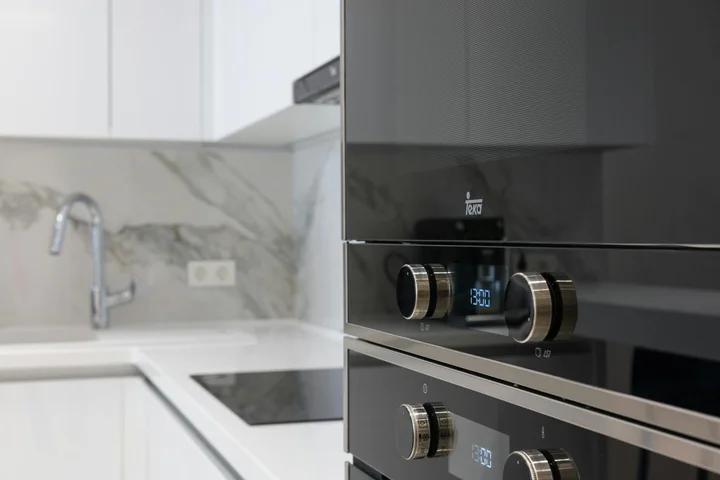
Fresh grease is your easiest battle. My son Jason makes pancakes, and my husband Roger cooks bacon. Splatters happen instantly.
I grab a dishcloth, run it under very warm water, and wring it out. I add a good squeeze of blue Dawn dish soap right onto the cloth. The warmth helps liquefy the grease so the soap can grab it.
For fresh grease, a warm, soapy dishcloth wiped in a circular motion will lift it away before it has a chance to bake on.
Dealing with Cooked-On Grease
That thin, sticky film from a week of sautés is tougher. For this, you need a proper degreasing soak.
- Fill your sink or a bowl with the hottest water you can safely handle.
- Add a generous squirt of dish soap and swish to create suds.
- Soak your cleaning cloth or a non-abrasive sponge in this hot, soapy water.
- Wring it out slightly so it’s wet and heavy, then lay it directly over the greasy area of the cool stove top.
- Let it sit for 5-10 minutes. The heat and soap work together to break the grease’s bond.
After the dwell time, use the cloth to scrub the area. The grease should wipe up easily.
You might wonder about vinegar versus a store-bought degreaser. I’ve tested both.
White vinegar is great for minerals, but it’s a mediocre degreaser on its own. A 50/50 vinegar-water spray can cut through light grease if you let it sit, but for Roger’s post-burger stovetop, it struggles.
A dedicated citrus-based or formula degreaser is often stronger for baked-on grease, as its chemicals are designed specifically to dissolve fats.
My aunt Jessica swears by her brand-name spray. I often use a simple paste of blue Dawn and baking soda for a powerful, non-toxic clean.
Never skip the final rinse. Soap and degreaser leave a film.
Dampen a clean cloth with plain water and wipe the entire surface. Follow immediately with a dry microfiber cloth.
A final rinse with plain water prevents a streaky, sticky residue that just attracts more dust and grime. This step makes your next clean much easier.
Tackling Stubborn Grease Splatters
Sometimes grease gets into the tiny crevices around the burner elements. A cloth won’t reach it.
Make a stronger cleaning paste. In a small bowl, mix three parts baking soda with one part blue Dawn dish soap. Stir until it forms a spreadable paste.
Use your finger or a small spatula to spread this paste over the stubborn splatters. Let it sit for 15-20 minutes. The baking soda provides gentle abrasion, while the Dawn cuts the grease.
A soft-bristled toothbrush (an old one saved for cleaning) is perfect for scrubbing grease from the rubber seal around a burner or the grooves in a coil element drip pan.
My dog Peeta’s toothbrushes work great for this after he’s done with them. Just rinse the area thoroughly after scrubbing.
How to Remove Hard Water Stains from Electric Stove Tops
Hard water stains are those annoying cloudy spots or white, chalky rings. They’re not dirt. They’re mineral deposits, mostly calcium and magnesium, left behind when water evaporates. They often latch onto surfaces as limescale.
You see these cloudy, white mineral deposits most often on glass cooktops, but they can also form on the metal rings of coil stoves.
Your primary weapon is white vinegar. The acetic acid in vinegar dissolves the mineral bonds.
For a glass top, soak a cloth in undiluted white vinegar. Wring it out and lay it over the stained area. Let it dwell for at least 10-15 minutes. Keep the cloth wet by adding more vinegar if it dries. This method can also help remove stubborn stains from fiberglass surfaces. For tougher fiberglass stains, you may repeat the treatment or extend the dwell time as needed.
After the dwell time, use the cloth to scrub the area. The deposits should wipe away. For coil elements, you can dip the end of a towel in vinegar and scrub the metal directly.
For a heavier, crusty buildup, make a dissolving paste. Don’t make a fizzy volcano. Instead, mix just enough white vinegar into baking soda to create a thick, spreadable paste.
Spread this paste on the stain and let it sit for 20-30 minutes. The vinegar works to dissolve the minerals, and the baking soda paste holds it in place. Wipe clean with a damp cloth. For granite surfaces, this method is a useful first step to lift stains. If the stain persists, see the next steps on removing granite stains.
A paste of vinegar and baking soda provides extended contact time to break down thick, crusty hard water scale. My mom Martha taught me this trick for her kettle, and it works wonders on stove tops too.
Preventing Cloudy Film and Water Spots
The best fix is prevention. After any cleaning, always do a final dry buff.
Use a clean, dry microfiber cloth to polish the entire stove top until it’s completely dry and streak-free.
Drying your stove top thoroughly after every wipe-down is the single best way to prevent new water spots from forming.
If you live in an area with very hard water, consider your rinse water. Tap water contains the very minerals you’re trying to remove.
For a final, spot-free shine on a glass cooktop, mist it lightly with distilled water (which has no minerals) and then immediately buff it dry with a microfiber cloth. It’s a small extra step for a big difference in clarity.
What Helped Me: Pro-Tips from a Stain Specialist
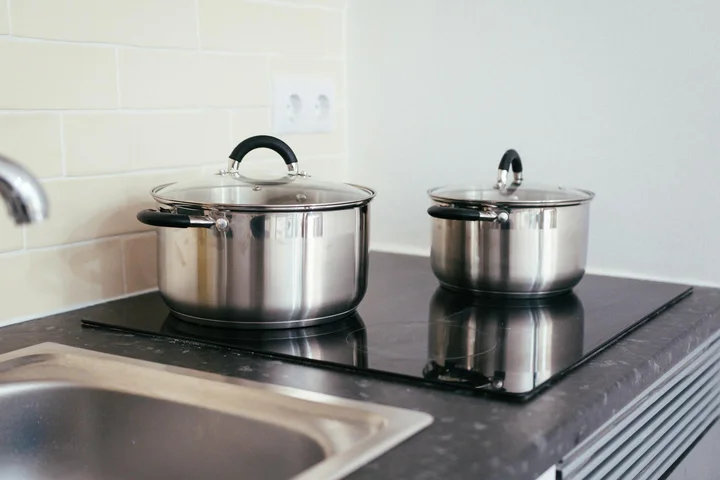
After years of battling splatters and spills, I have a few go-to moves that save me every time.
My mom, Martha, swears by a 50/50 mix of white vinegar and water in a spray bottle for daily wipe-downs. I use it too. A quick spritz and a wipe with a microfiber cloth after the stove cools cuts through light grease and keeps hard water stains at bay. The slight sour scent disappears in seconds.
That simple vinegar spray is my first line of defense and prevents most problems from setting in.
I learned from a ruined cloth that oven cleaner is too harsh for glass tops. I tried it once on a tough baked-on spot, and it left a cloudy, etched patch I could not fix. The chemicals are just too aggressive.
Always stick to products made specifically for your stove top’s surface to avoid permanent damage.
My best time-saver came from watching my aunt Jessica clean up after a wine and cheese night. For light grease, a microfiber cloth dampened with just hot water often works before reaching for chemicals. The heat softens the grease, and the microfiber grabs it without streaks.
Start with the gentlest method first; you might be surprised how much comes up with just heat and friction.
Adapting Your Approach: A Quick Guide to Stove Top Types

Not all stove tops are the same. Using the wrong tool can turn a simple clean-up into a repair bill.
Ceramic Glass Tops
These are the sleek, smooth tops. They scratch easily but clean up beautifully with the right tools.
- For burnt-on food, let the surface cool completely. I use a dedicated plastic scraper, holding it at a 45-degree angle. A gentle scraping lifts the debris without gouging the glass.
- Apply a specialty glass cooktop cream with a non-scratch scrubbing pad. These creams are formulated to polish without abrasives.
- Avoid powdered cleansers, steel wool, or rough sponges. They will leave fine scratches that collect dirt and look cloudy.
Coil & Solid Element Tops
These are the classic electric coils or solid metal plates. You can often take them apart for a deep clean.
- Always make sure the stove is off and completely cool. Unplug it if you can.
- Lift the coil elements out of their sockets. Remove the drip pans or bowls underneath.
- Soak the drip pans in your sink with hot, soapy water (I use Dawn). For baked-on gunk, a paste of baking soda and water works wonders. Let it sit before scrubbing.
- Wipe the area under the coils with your vinegar spray to tackle any hidden grease.
Stainless Steel Accents
Many stoves have stainless steel trim or control panels. These show fingerprints and water spots easily.
- Wipe with the grain of the metal, not in circles. This hides minor scratches.
- My mom’s 50/50 vinegar solution works here too. It cuts grease and leaves a streak-free shine.
- Dry immediately with a clean towel after wiping to prevent new water spots from forming.
Surface Compatibility Chart
This quick guide tells you what’s safe for each part of your stove.
- Ceramic Glass: Safe with baking soda paste, vinegar, dedicated cooktop creams. Avoid abrasive scrubs and harsh chemicals like oven cleaner.
- Coil & Drip Pans: Safe with dish soap soak, baking soda scrub. These parts can handle a bit more abrasion from non-scratch pads.
- Stainless Steel Trim: Safe with vinegar solution, mild dish soap. Dry immediately to prevent water spots and always wipe with the grain.
Keeping It Clean: How to Prevent Future Stains
I spent last Sunday scrubbing caramelized syrup off the stove after Jason made pancakes. Let’s avoid that. Good habits make cleanup a breeze.
Wipe Spills While They’re Warm
My mom Martha taught me this decades ago. When a pot of pasta water bubbles over, act fast. Once the burner is off and the surface is warm, not hot, wipe the spill with a damp cloth. This stops sugars and starches from cooling into a cement-like crust.
For sticky things like jam or milk, this is non-negotiable. If they cool, they fuse to the glass.
Deploy a Splatter Screen
Roger loves cooking sausage, but the grease would dance across the entire stove. I finally bought a splatter screen. Using a splatter screen for frying creates a physical barrier that catches oily droplets. It cuts my post-cooking wipe-down time in half.
My kitchen smells like dinner, not like a cleaning project.
Commit to a Two-Step Routine
Consistency beats heroic scrubbing sessions. My system is simple. Give the cooktop a quick once-over with a damp microfiber cloth after dinner each day. A daily wipe captures fresh grime before it gets baked on.
Then, every weekend, I do a fuller clean with a spray cleaner and a soft scrubbing pad. This weekly ritual tackles any light film or water spots. Always dry the surface completely with a clean towel after any wet cleaning to prevent hard water rings. If bathroom surfaces start showing stubborn hard water stains, I switch to a targeted method to remove hard water stains from bathroom surfaces. This step is what I learned from aunt Jessica’s hard water in Arizona.
Quick Prevention Answers
You might still have questions. I get it.
How do I stop burns from sugary spills? The answer is speed. Never let a syrup or sauce spill cool down completely on the surface. Warm wiping is your best defense.
What about grease? It’s about consistency. Get into the habit of wiping the stovetop after any oily cooking, even if it looks clean. A quick pass removes the invisible film.
And hard water stains? The fix is in the drying. After you clean with any liquid, buff the glass top until it’s perfectly dry. This stops mineral deposits from forming as the water evaporates.
FAQ about Removing Stains from Electric Stove Tops
Can I use a metal scrubber or scraper on my electric stove top?
Never use metal scrubbers or scrapers on glass cooktops, as they will cause permanent scratches. For stubborn debris, safely use a dedicated plastic scraper or a razor blade holder designed for glass, keeping it flat against the cool surface.
What’s the most effective homemade solution for cutting through baked-on grease?
For tough, baked-on grease, a thick paste of baking soda and blue Dawn dish soap works best. Apply it, let it sit for 15-20 minutes to break down the grease, then scrub gently with a soft cloth to remove burnt food grease from cookware.
Is white vinegar safe to use on all parts of my stove, including the controls and seals?
White vinegar is safe for glass and metal surfaces, but avoid spraying it directly on control panels or rubber seals. For those areas, use a cloth lightly dampened with vinegar solution to prevent moisture from seeping into electronics.
How do I quickly identify what type of stain I’m dealing with?
Burnt food is often black or brown and feels crusty, grease is shiny and tacky to the touch, and hard water stains appear as white, chalky rings or a cloudy film. A quick visual and tactile check guides your cleaning method, especially when you need to remove burnt food smell from your house.
Why does my glass cooktop look cloudy after cleaning, and how can I fix it?
Cloudiness is usually caused by cleaner residue or fine scratches from abrasive pads. To restore clarity, polish the cool surface with a specialty glass cooktop cream and a non-scratch pad, then buff it completely dry with a clean microfiber cloth.
Your Stove Top’s Long-Term Cleanliness Plan
Treat cleaning your electric stove top as part of your cooking routine, not a separate chore. A quick wipe with a damp cloth after each use prevents most stains from ever forming. I stick to this rule after years of managing Jason’s post-soccer snack spills and Roger’s greasy hunting gear cleanup. The same mindset helps when grease hits your clothes. I’ll share quick tips on how to remove grease stains from clothes. For ongoing advice that puts your home first, follow along with me right here at Stain Wiki.
Written by Suzanne Rosi Beringer. Suzanne is an accomplished chemist, laundry expert and proud mom. She knows the science and chemistry of stains and has personally deal with all kinds of stains such as oil, grease, food and others. She brings her chemistry knowledge and degree expertise to explain and decode the science of stain removal, along with her decades long experience of stain removal. She has tried almost everything and is an expert on professional and DIY stain removal from clothes, fabric, carpet, leather and any other items dearest to you.