How Do You Remove Nail Polish Stains from Fabric and Nails?
Whether it’s a spill on your jeans or a messy manicure, that bright polish stain can make your heart sink. Acting quickly with acetone or a non-acetone remover is your best first move to lift the stain before it sets.
This guide will cover everything you need to know:
- Step-by-step removal for fabrics like cotton, silk, and synthetics
- Gentle ways to clean polish off skin and nails without damage
- Effective household alternatives if you’re out of remover
- My tested tips to prevent these stains in the first place
I’ve handled countless polish spills, from my son Jason’s soccer jerseys to my aunt Jessica’s wine-and-manicure nights.
Panic-Level Assessment: Nail Polish on Your Stuff
Let’s start by rating the panic. A fresh, wet spill is a solid 6 out of 10. You have a chance. A dried, hardened stain jumps to an 8 out of 10. I learned this the hard way after my Aunt Jessica’s wine night left a ruby-red blot on my couch.
The first 10 minutes are your golden window before the polish starts to set into a plastic film. Once it’s dry, it’s literally glued to the fibers.
Your number one rule is this. Do not rub a wet stain. Rubbing grinds the polish deeper, turning a small dot into a large, smeared mess. The same rule applies if the polish lands on carpet fibers. For nail polish stains on carpets, blot gently and act fast to lift the color.
Check your fabric label quickly. Synthetic fabrics like polyester or nylon are more at risk than natural cotton. Acetone, a common polish remover, can melt or damage synthetic fibers, so we need to be extra careful.
Your Immediate First-Aid for a Wet Nail Polish Spill
Act fast. Grab a dull butter knife or the edge of a spoon. My mom, Martha, taught me this trick decades ago. Gently scrape to lift off as much wet polish as you can. Do not press hard.
Next, get a white cloth or a stack of paper towels. Place them under the stain. Blot from the backside of the fabric. Blotting from underneath pushes the stain out instead of driving it through the material. The white cloth lets you see what you’re removing.
Do not reach for water. Water and nail polish do not mix. It will only spread the sticky polish into a bigger, thinner stain.
This is why I keep a bottle of non-acetone polish remover in my cleaning caddy. For a fresh spill on most fabrics, a non-acetone remover on a cotton swab can dissolve the polish without the harsh damage of acetone. Test it on a hidden seam first, always.
How to Remove Nail Polish from Fabric: The Step-by-Step Guide
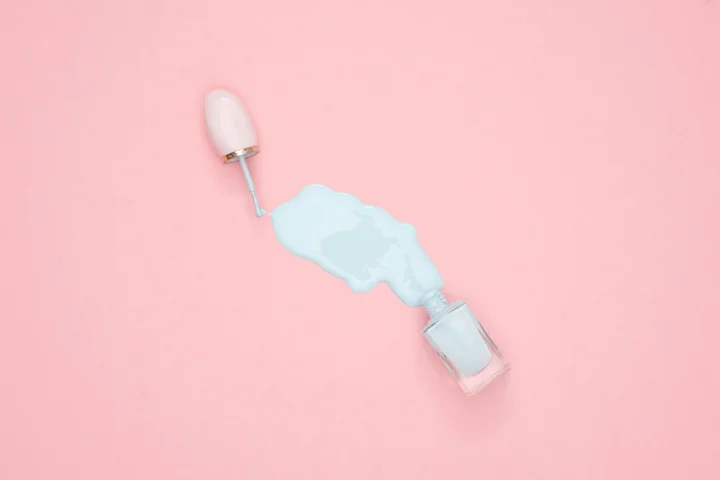
So, how do you remove nail polish stains from clothes? I face this often. My aunt Jessica, who loves wine and nail art, once spilled a bottle of metallic polish on her silk scarf during a visit. Those moments showed how stubborn polish can be on fabrics. Since then, I’ve been curious about the best ways to remove nail polish from clothes.
First, always do a spot test. Find a hidden seam, like the inside of a cuff. Dab a bit of your chosen remover there. Wait a minute. Check for color bleed or fabric damage.
This simple test can save your favorite item from permanent harm.
Work in a well-ventilated area. Open a window or turn on a fan. The fumes from polish remover are strong and have a sharp, chemical scent. My husband Roger reminds me of this every time he cleans his hunting gear.
For a Fresh, Still-Tacky Stain
Time is your friend here. The polish feels wet and slides under your finger.
- Blot the excess polish with a paper towel. Press down, don’t wipe.
- Place the stain face-down on a clean, white towel. An old cotton one works perfectly.
- Apply nail polish remover to the *back* of the stain. I use a cotton ball soaked in remover.
- Blot from the front with another clean towel. Watch as the color transfers to the towel below.
- Rinse the area thoroughly with cool water. Flush from the back to push residue out.
Now, the remover choice. Acetone is stronger. It works fast on polishes. But it can melt some synthetics, like acetate or rayon. Non-acetone remover is gentler. It might need more dabbing. For my son Jason’s polyester soccer jersey, I use acetone. For a delicate blouse, I start with non-acetone. The same approach applies to white jerseys and denim: start with gentler methods to lift stains without damaging color or fibers. If the stain resists, test a stronger remover in an inconspicuous area first.
Pushing the stain out from the back prevents it from sinking deeper into the fabric weave.
For a Rock-Hard, Dried Nail Polish Stain
This stain feels like a crunchy, colored shell. Don’t worry. I fixed a dried glitter polish stain on our living room couch cushion after a late-night DIY session. Here’s how.
- Gently scrape off the brittle top layer with a butter knife. Hold it flat. You’ll get flakes of polish.
- Apply remover and let it soak for a full minute. This softens the hardened polish.
- Use a soft-bristled toothbrush to gently agitate the area. Use tiny circles.
- Blot up the softened polish with a towel. Rinse with cool water until it runs clear.
Letting the solvent soak breaks the bond between the polish and the fabric fibers.
That couch cushion had a stubborn glitter blob. Scraping removed the bumpy top. Then, non-acetone remover and the toothbrush lifted the rest. It took patience, but the cushion looks good as new.
The Post-Treatment Check and Fabric Recovery
Check if the stain is gone. Look at the spot under a bright light while it’s still damp. Tilt the fabric. Any shadow or hint of color means you need to treat it again—especially for delicate fabrics like linen.
For the final step, wash the item alone. Use the gentlest cycle with your regular detergent. Air drying is best. I lay things flat on a drying rack.
Never put the item in the dryer until you are 100% sure the stain is gone. The heat will set it forever.
Some fabrics may feel stiff after treatment. My mother-in-law Brianna from Southern Texas taught me this trick. Run a second rinse with a half cup of white vinegar in the wash. It helps soften the fibers and removes any leftover stiffness.
How to Clean Stained Nails and Fingertips
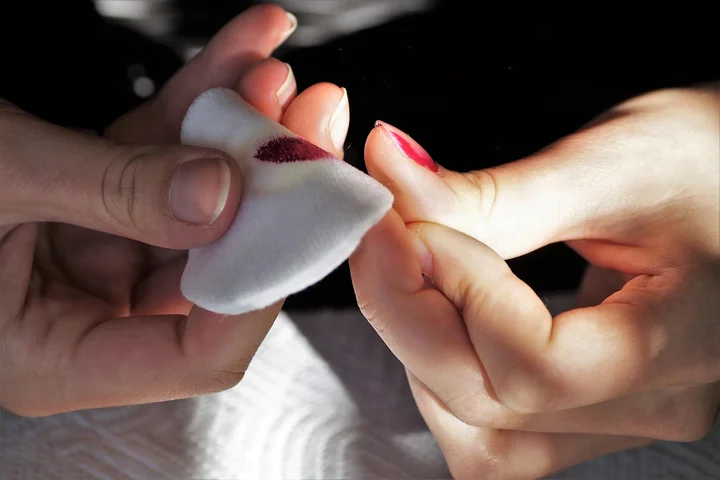
First, take a breath. If your nails look stained from polish, that color is almost always just sitting on the surface. It is not a permanent tattoo.
You are simply dealing with leftover residue and dye. Here is how I tackle it at home.
Method 1: The Gentle Buff
This is my first choice for a quick fix. A basic nail buffer block has different grits, like super-fine sandpaper for your nails.
Start with the smoothest side. Gently buff the stained nail in one direction a few times.
You just want to lift the very top layer of the nail, not sand it down to nothing.
Check your progress. The stain often buffs right out. This worked on my son Jason’s thumbnail after a particularly messy red craft project.
Method 2: The Lemon Juice Soak
For a more natural clean, lemon juice is a mild acid that helps break down stains.
- Squeeze fresh lemon juice into a small bowl, just enough to cover your fingertips.
- Soak your nails for 3-5 minutes.
- Make a paste with baking soda and a drop of water.
- Use an old, soft toothbrush to gently scrub the paste over each nail.
The baking soda provides light abrasion. Rinse with warm water. Your hands will smell lemony fresh.
Method 3: The Whitening Toothpaste Trick
This is my Aunt Jessica’s favorite method. She always has a tube in her guest bathroom in Arizona.
Whitening toothpaste often contains gentle polishing agents. Squeeze a dab onto your thumb and rub it over each stained nail.
Let it sit for a minute or two, then rinse thoroughly.
It will not whiten your nail bed, but it can help scrub away surface discoloration from polish.
For general care, keeping nails clean prevents stains from looking worse. To get dirt out from under nails, I use a soft-bristled brush with my regular hand soap. A quick scrub during handwashing does the trick.
What NOT to Use: Stain Removers That Can Cause Damage
Using the wrong product can turn a simple stain into a permanent disaster. Please avoid these.
Household bleach is a major no-go for polish stains. The chlorine can react with the dyes in the polish and cause a permanent, weird discoloration on fabric or even on your skin.
Never use paint thinner, lacquer thinner, or gasoline. I know some old guides suggest them, but they are far too harsh and volatile. These chemicals are unsafe for home use and can damage virtually any surface, not to mention your health.
Acetone is a powerful solvent, but it is not universal. On delicate fabrics like acetate or rayon, acetone will melt the fibers. It can also strip the finish off wood tables or ruin leather.
Always test it in a hidden spot first.
Finally, control is everything. Never pour nail polish remover directly from the bottle onto a fabric stain. It will saturate the area and can force the dye deeper. It is particularly risky for dye stains on clothes.
Always apply your remover to a clean white cloth or cotton ball first, then dab the stain.
This gives you precision and prevents a bigger mess. I learned this the hard way with a favorite shirt and a too-eager pour.
Smart Habits to Avoid Nail Polish Stains for Good
Let’s talk prevention. The best way to handle a nail polish stain is to never let it become one.
Start with a Shield for Your Nails
Many people ask how to avoid stained nails from the polish itself. The trick is simple and non-negotiable. Applying a clear base coat every single time creates a protective layer between your nail and the colored polish. This stops deeply pigmented reds or blues from seeping into and staining your nail plate. My Aunt Jessica loves a bold red wine, both in her glass and on her nails. She taught me this trick years ago, and it works.
Create a Contained Workspace
Never paint your nails just anywhere. I learned this the hard way on my favorite couch pillow. Do your manicure over a large, washable silicone mat or even a dedicated “messy project” cafeteria tray. This catches every drip and spill. I use the same tray for glitter crafts with the kids. If a spill happens, it’s contained on a surface I can wipe clean in seconds.
Your Instant Cleanup Kit
Speed is everything with nail polish. Don’t stash your remoter in a different cabinet. Keep a bottle of acetone-free polish remover and a bag of cotton balls or pads in the same kit as your polishes. When you get polish on your skin, you can blot it immediately before it dries. This habit has saved my jeans from countless tiny dots of color.
The Cuticle Barrier Trick
For a cleaner manicure, try my mom Martha’s old method. Before you start painting, apply a very thin layer of petroleum jelly around your cuticles and the skin bordering your nail. Any polish that smudges onto your skin will sit on top of the jelly. You can then easily wipe it away with a cotton swab. Be careful not to get any jelly on the nail itself, as it will prevent the polish from sticking.
Spills happen to everyone. My three year old, Jessica, once decided my freshly painted toes were a canvas for her stickers. The chaos was impressive. With these smart habits, you can enjoy your manicure time without the looming fear of a permanent stain. You’re now prepared for both prevention and the cure.
FAQ about Removing Nail Polish Stains
What’s the absolute first step for a polish spill on clothing?
Immediately scrape off excess wet polish with a dull edge, like a butter knife, especially when dealing with polish on stainless steel. Then, blot from the underside of fabric with a white cloth to push the stain out, avoiding water or rubbing.
How do I know if my fabric can handle acetone?
Check the care label and always do a spot test on a hidden seam first. Acetone can melt synthetics like acetate or rayon, so a non-acetone remover is a safer first choice for unknown or delicate fabrics.
I’m out of nail polish remover. Is there a safe household alternative?
For a very fresh stain on sturdy cotton, high-proof clear rubbing alcohol can sometimes work. However, it’s less effective than proper remover and should be tested first to avoid spreading the stain. If the stain is biological—like blood, sweat, or urine—consider using a remover formulated for biological stains and test on a hidden area first. In many cases, enzyme-based cleaners designed for organic stains yield better results on fabric.
How do I get rid of yellow stains on my nails from dark polish?
Yellowing is often surface dye. Gently buff your nails with a buffer block or use a paste of baking soda and lemon juice, scrubbing lightly with a soft toothbrush before rinsing.
The polish stain is gone after treatment, but the fabric feels stiff. What should I do?
Run the item through a second wash cycle with a half-cup of white vinegar added to the rinse. This helps neutralize any residue and soften the fibers without using harsh chemicals. This method is especially useful when you need to remove chemical residues from clothing.
Protecting Your Fabrics and Nails After a Spill
The most important step is to always test your chosen remover on a hidden seam or edge first. Acting quickly with gentle dabbing, not rubbing, preserves the fabric’s weave and saves your nails from damage. I share more hands-on fixes from our home-like rescuing the couch after Jessica’s glitter polish adventure—over on Stain Wiki.
Written by Suzanne Rosi Beringer. Suzanne is an accomplished chemist, laundry expert and proud mom. She knows the science and chemistry of stains and has personally deal with all kinds of stains such as oil, grease, food and others. She brings her chemistry knowledge and degree expertise to explain and decode the science of stain removal, along with her decades long experience of stain removal. She has tried almost everything and is an expert on professional and DIY stain removal from clothes, fabric, carpet, leather and any other items dearest to you.