How Do You Remove Cooking Oil Stains for Good?
That dark, greasy splatter from frying bacon or a rogue drop of olive oil can feel like a permanent souvenir on your favorite shirt. Don’t panic-with the right immediate action and a simple pantry staple, you can completely lift that oil stain.
This guide will walk you through everything, from the critical first blot to the final wash. You’ll learn:
- Why rushing to the sink with water is the worst thing you can do
- The one household powder that acts like a magnet for grease
- Special tactics for tricky fabrics like silk or suede shoes
- My fail-safe pre-treating paste that saved Roger’s best grilling apron
I’ve tested these methods for years on everything from Jason’s soccer jerseys to Jessica’s art-smock disasters, so you know they’re practical and proven.
First Aid for a Fresh Cooking Oil Stain
That sizzle and pop is usually a good sign. Until it isn’t.
My son Jason loves to help with breakfast, especially when bacon is involved. A few Saturdays ago, his excited reach for the spatula sent a perfect arc of hot grease right across his favorite soccer hoodie. The clock starts ticking the second the oil hits.
Your first move is the most important. Grab a clean, dry paper towel, cloth, or even a paper napkin.
Gently press and blot the stain to soak up as much of the surface oil as you can. Never, ever rub.
Rubbing is the enemy here. It works the oil deeper into the fabric fibers, making the stain bigger and more stubborn. It’s especially troublesome when you are trying to remove oil stains from clothing or textiles.
If you spilled something like bacon grease or butter that has solidified, use the edge of a dull knife or a spoon to gently scrape off the waxy blob first. Then, move to blotting.
Now, here’s a trick my mom, Martha, taught me years ago. After blotting, you need to absorb what’s left in the fabric. I always keep cornstarch in my cleaning cabinet for this.
- Sprinkle a generous amount of cornstarch, baking soda, or even baby powder (talc) directly onto the stain.
- Let it sit for 15-20 minutes. You’ll watch it turn from white to a translucent, greasy brown as it soaks up the oil.
- Brush or shake the powder away. This simple step pulls out a shocking amount of grease before you even add water.
This isn’t the cure, but it’s critical damage control. It makes the next step much more effective.
The Universal Method: Dish Soap to the Rescue
So, how do you remove cooking oil stains from clothes? The answer is probably already at your kitchen sink.
Liquid dish soap, like Dawn or Palmolive, is a grease-cutting superhero. It’s formulated to tackle oily plates, which makes it perfect for oily fabric. These soaps are emulsifiers. They break the bond between the oil and the fiber so it can be washed away.
This method is my first line of attack for any washable fabric: shirts, pants, cotton sweatshirts, aprons, you name it. It’s also the starting point for treating shoes or other items.
For a standard cooking oil stain on clothing, your step-by-step process is clear and effective.
- Apply a small dot of clear, blue, or green liquid dish soap directly onto the stain. I avoid heavily dyed soaps on light fabrics.
- Gently massage the soap into the fabric with your fingers. You want to work it into the fibers, not scrub hard.
- Let it sit for at least 10 minutes, or even an hour for an old stain. This gives the soap time to surround and loosen the oil molecules.
- Rinse the area thoroughly from the back of the fabric with warm water. Push the stain out, don’t pull it further in.
- Check the spot. If you see a faint shadow, repeat the soap application. Once it’s gone, wash the garment as you normally would with the warmest water the care label allows.
For shoes or a purse, I follow the same steps but use a soft-bristled brush instead of my fingers to work in the soap, and I blot rinse with a damp cloth instead of holding it under the tap.
Chemistry Corner: Why Dish Soap Works on Oil
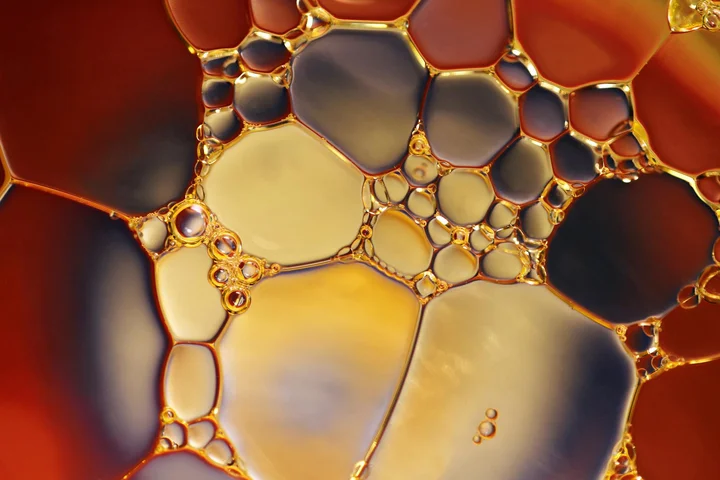
Oil and water famously don’t mix. Oil is hydrophobic, which means it literally fears water and will do anything to avoid it.
Dish soap molecules are clever. Picture a tiny tadpole. The “head” of the molecule is hydrophilic-it loves water. The long “tail” is hydrophobic-it loves grease.
When you apply soap, these molecules surround the oil droplet, with their tails buried in the grease and their heads facing out towards the water.
This forms a bubble-like structure called a micelle. Now, the oil droplet is trapped inside, with the water-loving heads allowing the whole thing to be lifted off the fabric and rinsed away down the drain. It’s a simple, brilliant piece of everyday chemistry.
Surface Compatibility: Treating Oil on Different Materials
Dish soap works on the same principle for all grease, but your technique needs to change based on the fabric. The goal is always to lift the oil without harming the material.
Think of it like washing a car versus washing a baby. You use the same soap, but your touch is completely different.
Adapting the Core Method
This quick guide shows how to tweak the basic dish soap steps for common materials.
| Material | Key Adjustment | Special Note |
|---|---|---|
| Cotton & Polyester Clothing | Scrub gently with your fingers or a soft toothbrush. | Most forgiving. You can use warm to hot water for the rinse. |
| Delicate Wool & Sweaters | Blot, never scrub. Use cool water only. | Heat and agitation cause wool to shrink and felt. |
| Sneakers & Fabric Shoes | Use a soft-bristled brush (like a nail brush) to work soap in. | Air dry away from direct heat. Never put shoes in the dryer. |
| Carpet & Upholstery | Blot from the outside in. Rinse by blotting with a water-damp cloth. | Never overwet. Place a dry towel over the spot and stand on it to pull moisture up. |
How to Get an Oil Stain Out of a Sweater
I learned this the hard way with a favorite wool cardigan. I treated a salad oil splash like I would a t-shirt, and it felted into a stiff, tiny patch.
For sweaters, your touch is everything-gentle blotting replaces any scrubbing.
- Immediately blot the excess oil with a paper towel or clean cloth.
- Apply a single drop of clear dish soap to the stain. Gently massage it in with just the pads of your fingers-no nails.
- Let it sit for 10 minutes.
- Rinse by dabbing the spot repeatedly with a cloth soaked in cool water. Never use warm or hot water on wool.
- Lay the sweater flat on a dry towel, roll it up to absorb moisture, and let it air dry flat.
How Do You Remove Cooking Oil Stains from Shoes?
My son Jason’s soccer cleats get more cooking oil on them from post-game fries than mud from the field. Fabric shoes need a firmer touch.
You need a soft brush to get the soap down into the shoe’s weave where the oil hides.
- Blot any surface oil.
- Apply dish soap and use a soft-bristled brush (an old toothbrush or nail brush works) to work up a small lather over the stain.
- Let it dwell for 15-20 minutes.
- Scrub the area gently again with the brush under cool running water until the soap is gone.
- Stuff the toe of the shoe with paper towels or a dry cloth to help it keep its shape.
- Let it air dry completely, away from radiators or direct sun, which can damage glue and fabric.
Safe DIY Alternatives When You’re Out of Dish Soap
We’ve all been there. You’re mid-cooking disaster, grease is on your shirt, and the dish soap bottle is empty.
Don’t panic. Look in your pantry or medicine cabinet.
These substitutes aren’t quite as powerful as dedicated dish soap, but they can save the day in a pinch. I keep cornstarch in my laundry room just for this reason.
Baking Soda Paste
Baking soda is a mild abrasive and can help lift stains. My aunt Jessica in Arizona swears by this for small, fresh oil spots on clothes.
Mix a tablespoon of baking soda with just enough water to make a spreadable paste. Smear it onto the stain and let it sit until it’s completely dry and crusty. Brush or shake off the powder, then launder as usual. This works best on small spots on durable fabrics, such as slime stains on clothing.
Cornstarch (or Talc/Baby Powder)
This is a pure absorption play, great for delicate items you don’t want to wet immediately. My mom Martha taught me this trick.
Cover the stain thickly with cornstarch or baby powder. Let it sit for at least an hour-overnight is better. The powder will soak up a surprising amount of oil, turning it into a clumpy, dark paste. Brush it all away, then treat any remaining shadow with another method.
Rubbing Alcohol (Isopropyl Alcohol)
Alcohol can help break the bond of oil to fabric. This is my last-resort option before a proper wash.
Always test rubbing alcohol on a hidden seam or inside hem first, as it can damage some dyes and synthetic fabrics.
If the test spot is fine, dab a small amount onto a clean white cloth. Blot the stain from the outside in. You’ll see the oil start to transfer to your cloth. Switch to a clean part of the cloth often. Let the area air dry completely, then wash it. This works well on synthetic blends like polyester workout gear.
Critical Warnings & Material Red Flags
Let’s talk safety first. One mistake can make that oil stain a permanent part of your favorite shirt.
The single most important rule for cooking oil is to never, ever apply heat until you are positive the stain is gone. Heat from hot water, a clothes dryer, or even direct sunlight will cook the oil right into the fibers. This makes it nearly impossible to remove. Same rules apply to motor oil stains as to cooking oil. Pre-treat before washing to keep the stain from setting.
Some materials need extra care. They often require a professional’s touch.
- Dry Clean Only (Silk, Acetate, Wool): Blot the stain gently with a paper towel. Do not rub. Then take it to your dry cleaner and point out the stain. Tell them it’s cooking oil.
- Leather & Suede: Home remedies are risky here. For a fresh spill on leather, blot with a dry cloth. For suede or any set-in stain, consult a specialist cleaner immediately. My Aunt Jessica learned this the hard way with a wine and oil splatter on a suede boot.
Finally, always do a spot test. The inside of a seam or the back of a shoe’s tongue is perfect.
Apply a tiny bit of your chosen cleaner there first. Wait 10 minutes. Check for color bleed or fabric damage. This simple step saves so much heartache, especially when trying to remove dye stains from clothes.
Post-Treatment: How to Dry and Check Your Work
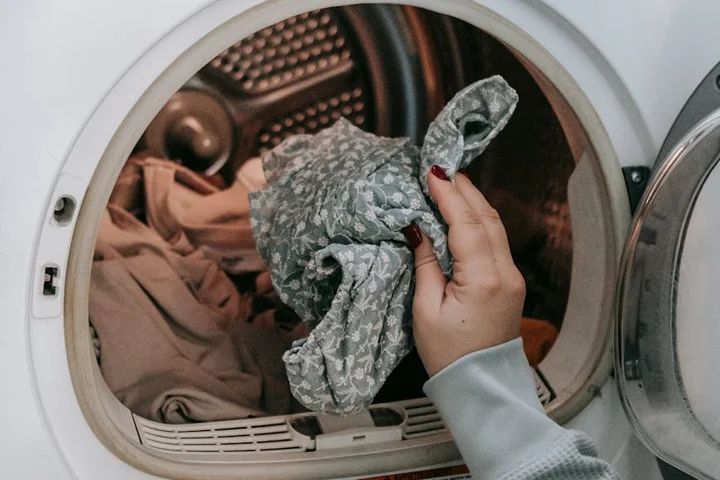
You’ve treated the stain. Now, patience is your best tool.
You must let the item air dry completely, away from heaters or direct sun. I lay things flat on a drying rack or hang them in a shaded room. This slow dry lets you see the true final result.
Once it’s bone dry, the real inspection begins. Don’t trust dim lighting.
Take the item to your brightest room or under a strong lamp. Look at the stain area from every angle-tilt it to catch the light. A faint shadow or a dull ring means oil is still there.
Next, do the feel test. Run your fingers over the spot. Does it feel slightly slick or stiff compared to the clean fabric? Any slickness means more treatment is needed.
Only when it looks perfect and feels perfectly normal in bright light should you even think about the dryer. The dryer is the point of no return for any leftover oil.
Field Note from the Editor: The Toothbrush Trick
For set-in stains on a shirt cuff or sweatshirt, I use a soft, clean toothbrush. I gently agitate the dish soap into the fibers from the outside of the stain toward the center. This prevents it from spreading and really works the cleaner in. My son Jason’s soccer sweatshirt gets this treatment monthly.
Tackling Old, Set-In Cooking Oil Stains
I know that panicked feeling. You find a splatter, wash the shirt, dry it, and the stain is still there, looking darker and more permanent.
That heat from the dryer baked the oil right into the fibers.
I can tell you from experience, many set-in oil stains are not hopeless, but they do require a more aggressive and patient approach. The key is breaking down that cooked-in grease over a much longer time. For engine oil on clothing, that same patience pays off when you remove engine oil stains with the right treatment.
Your Stronger Treatment Plan
Forget a quick dab and rinse. Think of this as a marination process for stains. You have two excellent options for this heavy-duty pre-treatment.
Option one uses a commercial heavy-duty stain remover. I keep a gel-based formula in my laundry room for this exact job.
- Apply a thick layer of the remover directly onto the dry, stained fabric.
- Work it into the fibers gently with your finger or a soft brush.
- Let the shirt sit for at least 8 hours, or overnight. Do not let it dry out.
- Wash normally with the hottest water the fabric allows, adding your regular detergent.
Option two is my go-to DIY paste for colored fabrics I’m nervous about. It uses chemistry you likely already have.
- Make a thick paste with baking soda and 3% hydrogen peroxide. You want the consistency of toothpaste.
- Slather this paste generously over the entire stain, front and back if you can.
- Let it sit on the fabric for several hours. I often leave it overnight on a stain from last week’s pizza night.
- The paste will dry and crust. Brush off the excess, then wash the item in the warmest safe water.
What Removes Deep-Seated Cooking Oil Stains from Fabric?
The direct answer is time and oxidation.
Products that contain oxygen-based bleaches or strong surfactants need hours to penetrate and break the bond between the oil and the fabric thread. That overnight soak is not a suggestion; it’s the most critical step.
For a very old stain on a sturdy white cotton tee, a diluted chlorine bleach soak can be a last resort.
Always test an inside seam first. Mix 1/4 cup of household bleach with one gallon of cool water. Soak the item for no more than 5-10 minutes, then wash immediately. Never use bleach on wool, silk, spandex, or colored fabrics, especially when dealing with delicate fabrics or outerwear.
Special Cases: Motor Oil on Work Clothes
Motor oil, transmission fluid, gear grease-these are just heavier, dirtier cousins of cooking oil.
The removal principles are identical: you need a degreaser and patience. The main difference is that these petroleum-based oils often benefit from a pre-wash soak.
I recommend a dedicated degreasing pre-treat spray or gel for these jobs. They are formulated for tougher grime.
My husband Roger’s workshop shirts see a lot of this. A long pre-soak in the laundry sink is our standard routine.
Here is our family method for his grimy hunting and mechanic shirts:
- Spray a degreaser (I use a citrus-based one) on the dry stain. Let it sit for 15 minutes.
- Fill the sink with the hottest tap water and a big squirt of blue Dawn dish soap. The dish soap is a champion at breaking up petroleum oils.
- Let the whole shirt soak for at least an hour, sometimes all afternoon if it’s really bad. You’ll see the oil slick rise to the water’s surface.
- Drain the sink, wring the shirt, and then wash it alone in a hot cycle with your regular detergent and an extra rinse.
This two-step attack-pre-treat and long soak-handles what a single wash cycle never could.
FAQ about Removing Cooking Oil Stains
I already washed and dried my shirt, baking the oil stain in. Is it ruined?
No, but it needs stronger treatment. Apply a heavy-duty stain remover gel or a paste of baking soda and hydrogen peroxide directly to the dry stain and let it sit overnight before washing again.
What’s the absolute first thing I should do the second oil splatters on me?
Immediately grab a dry paper towel and gently blot—never rub—to absorb excess oil. Then, cover the stain with cornstarch or baking soda to pull more grease from the fibers before you treat it.
Can I use hand soap or shampoo instead of dish soap in a pinch?
Yes, but they are less effective as they aren’t formulated as strong degreasers. For best results, use a liquid dish soap like Dawn, which is specifically designed to break down oils.
How can I prevent an oily stain from leaving a visible ring or residue after treatment?
Rinse the treated area thoroughly from the back of the fabric with warm water to push the oil and soap out. Always let the item air dry completely to check for any residual stain before considering it clean. For more tips on handling oily spots, visit oil stain removal for clothing.
The care tag says “Dry Clean Only.” Should I try to treat the oil stain myself?
No, do not apply water or soap. Gently blot the fresh stain with a dry cloth to absorb oil and take the garment to a professional cleaner immediately, pointing out the olive oil stain.
Your Go-To Strategy for Oil Stains
Acting fast to blot up the oil and pre-treat with a dab of dish soap is your best chance to lift the stain completely before washing. I use this exact move after everything from Jason’s post-soccer snack spills to Brianna’s southern frying splatters, and you can follow along for more real-home solutions at Stain Wiki.
Suzanne is an accomplished chemist, laundry expert and proud mom. She knows the science and chemistry of stains and has personally deal with all kinds of stains such as oil, grease, food and others. She brings her chemistry knowledge and degree expertise to explain and decode the science of stain removal, along with her decades long experience of stain removal. She has tried almost everything and is an expert on professional and DIY stain removal from clothes, fabric, carpet, leather and any other items dearest to you.