How Do You Remove Yellow Stains from Bathtubs and Toilets?
Those dull yellow rings in your tub or toilet are a common frustration, but they don’t have to be permanent. You can often eliminate them with a quick, non-toxic treatment using everyday items like baking soda or vinegar.
This guide will provide clear, tested steps to restore your bathroom. Here is exactly what we’ll cover:
- Identifying the main causes of yellow bathroom stains.
- Choosing the safest, most effective household products for the job.
- Following my precise cleaning sequences for tubs and toilets.
- Preventing stains from returning with simple habit changes.
I’ve spent years testing removal techniques in my own home, battling stains from my kids’ bath times and my dog’s adventures.
First, Don’t Panic: Assessing Your Yellow Stain
On a panic scale from one to ten, I rate bathroom yellow stains a solid three.
It’s annoying, not an emergency. I remind myself of this every time I spot a new dingy ring.
Think of it as having a “Golden Window” for cleaning.
These stains build up slowly over weeks or months. Tackling them now saves you from a major scrubbing session later. Preventing stains after washing matters just as much. Small post-wash tips can keep fabrics looking fresh.
Acting quickly turns a big chore into a small one.
Before you grab a cleaner, take a close look. The stain’s location and feel tell you a lot.
Is it a chalky ring around the drain? A slippery film on the tub wall? A rusty streak under a bottle?
Here is my non-negotiable rule, learned from a mistake on my own vintage tub.
Always test your method in a small, hidden area first, like behind the toilet or under the rim.
This quick test prevents damage to your surfaces and saves you regret.
What’s Making That Yellow Mark? The Common Culprits
You asked, “What causes yellow stains in bathtubs and toilets?”. Let’s break it down.
In my experience, it’s almost always one of these three things, or a sticky combination of them.
Hard Water: The Mineral Build-Up
This is the most common culprit in my home. Dissolved calcium and magnesium in your water leave behind a dull film.
It feels crusty or rough to the touch, not slimy.
Think of it like the white scale that forms inside your kettle, but tinted yellow by other gunk.
My mom Martha in North Texas battles this constantly. Her well water leaves a persistent, dusty yellow line in every toilet.
Rust from Water or Fixtures
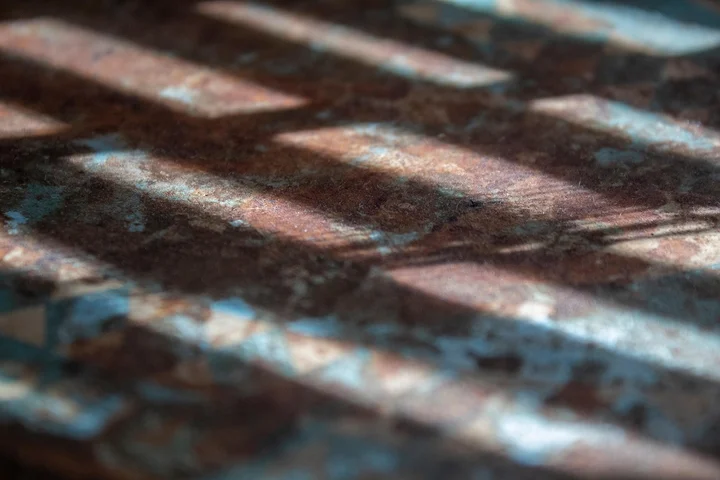
Iron in your water or from corroding pipes creates distinct orange-yellow streaks.
They often appear as thin lines or drips.
Check common spots: under metal shampoo bottles, around the tub’s metal drain, or from old pipe fittings.
I found a perfect example in our guest bath after a metal candle holder sat in a puddle for a week.
Body Oils, Soap Scum, and Toilet Rings
This is a greasy team-up of skin oils, soap residue, and mildew.
It feels slippery or tacky, unlike hard water stains. You’ll often see it as a ring at the water line.
With two active kids, Jason and Jessica, our tub develops this slick, yellow film faster than I’d like to admit.
This type of stain requires a different approach than pure mineral deposits.
The Science of the Stain (Chemistry Corner)
Here’s the key: yellow bathroom stains are usually composite stains. Minerals mix with organic goo.
That’s why a one-step cleaner often fails. You need to address both parts.
Acids like white vinegar or lemon juice dissolve mineral deposits. They fizz on contact with scale.
Alkalis like baking soda or borax cut through grease and lift organic matter.
Understanding this basic chemistry lets you choose the right tool for the job, just like picking a solvent for my husband Roger’s hunting gear.
Your Step-by-Step Removal Plan: Bathtub vs. Toilet
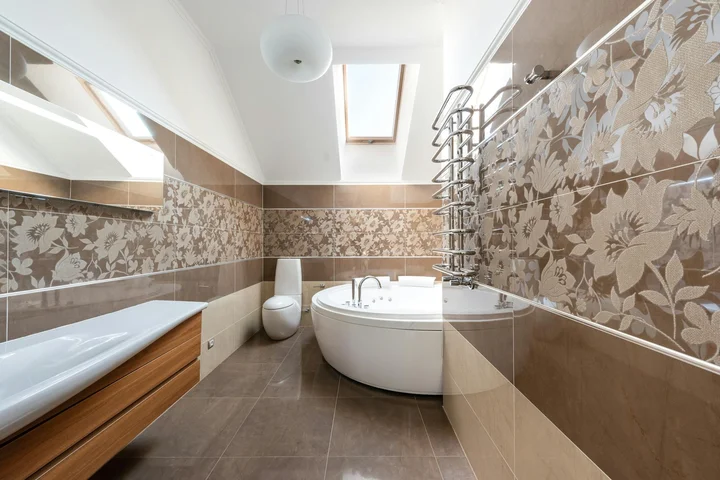
Let’s get to work. The process for a bathtub and a toilet is similar in theory, but the tools and targets are different. Follow these steps closely.
Always start with safety: open a window or turn on the fan for ventilation, wear rubber gloves, and never, ever mix different chemicals (like bleach and ammonia).
How to Clean Yellow Stains in a Bathtub
Bathtub stains often come from body oils, soap scum, and mineral deposits. My three-year-old Jessica’s epic bubble bath sessions leave a slippery, dull film that turns yellow if I don’t stay on top of it. Sometimes, they even seem to include hard water stains, making them especially tricky to clean.
What You’ll Need:
- Your chosen cleaner (baking soda paste, hydrogen peroxide, or a commercial bathroom cleaner)
- A soft-bristled brush or non-scratch scrubbing sponge
- Microfiber cloths
- A spray bottle (for vinegar or peroxide)
- Old toothbrush (for corners and drains)
- Start with a dry surface. Wipe the tub down with a towel to remove standing water. This lets your cleaner cling to the stain instead of diluting.
- Apply your cleaning paste or spray generously over the yellowed areas. Pay special attention to the ring around the drain and any textured bottoms.
- Let the cleaner soak. For a baking soda paste, I leave it for 15-20 minutes. For stronger commercial products, follow the label’s time limit.
- Scrub gently with your soft brush. Use the toothbrush for tight spots around the faucet. You should see the paste turning a grayish-yellow as it lifts the grime.
- Rinse thoroughly with warm water and wipe dry with a microfiber cloth. A dry finish helps you spot any areas you missed.
How to Clean Toilet Bowl Yellow Stains
Toilet stains are usually mineral limescale or rust from water. This is where a good, sturdy toilet brush is worth its weight in gold.
What You’ll Need:
- Toilet bowl cleaner (citric acid-based, bleach-based, or your DIY paste)
- A high-quality toilet brush with stiff bristles
- Rubber gloves
- If the water level is high, use a cup to remove some water so the stains are exposed.
- Apply your cleaner under the rim of the bowl, letting it coat the interior completely. For how to clean toilet bowl yellow stains effectively, you must get the product under that rim where water drips down.
- Let it sit. For citric acid descalers, I let it work for at least 30 minutes, sometimes overnight for bad stains.
- Scrub vigorously with the toilet brush, getting under the rim and into the trapway (the S-shaped pipe at the bottom).
- Flush to rinse. Inspect. If stains remain, repeat the process. Stubborn rings may need a second, longer application.
The Surface Compatibility Chart
Your method must adapt to your tub’s material. Scrubbing an acrylic tub like you would porcelain is a fast track to scratches.
| Surface Type | Durability | Best Cleaning Tools | Avoid |
|---|---|---|---|
| Porcelain/ Ceramic | Very durable | Non-scratch sponges, soft brushes, baking soda paste | Steel wool, harsh abrasive powders |
| Fiberglass/ Acrylic | Scratches easily | Microfiber cloths, soft sponges, liquid cleaners | Any abrasive scrubber, harsh scouring pads |
| Enameled Cast Iron | Hard but can chip | Soft brushes, gentle pastes | Abrupt temperature changes, heavy abrasives |
Choosing Your Weapon: Natural Cleaners vs. Commercial Products
This isn’t about ideology. It’s about what’s in your cupboard and how bad the stain is. I use both, depending on the day.
DIY & Natural Solutions for Yellow Stains
For light stains or regular maintenance, these pantry staples work beautifully.
The classic is a baking soda paste with a vinegar spray. Make a thick paste with baking soda and a little water. Smear it on, then spritz with white vinegar. The fizzing action helps break up the gunk.
Hydrogen peroxide (the standard 3% kind) is a gentle bleach. I spray it on, let it bubble for 10 minutes, then scrub. It’s great for organic stains.
For hard water stains, citric acid is powerful. You can use lemon juice or powdered citric acid from the canning aisle. My Aunt Jessica in Arizona swears by wiping her chrome faucets with a leftover lemon wedge after making tea. This same method can help remove hard water stains from sinks.
My mom Martha’s tip? Flat club soda. The mild carbonic acid can help with light mineral films. It’s a good quick wipe-down.
When to Use a Commercial Bathroom Cleaner
When the natural stuff doesn’t cut it, it’s time for specialized help.
Look for citric acid or lactic acid-based descalers for hard water limescale. They dissolve minerals chemically.
Oxygen bleach cleaners (with sodium percarbonate) are fantastic for organic yellowing and are generally surface-safe. They work like hydrogen peroxide but stronger.
For severe rust stains, you might need a product with oxalic acid. Always read the label for active ingredients and surface warnings. Products with hydrochloric acid (HCl) are potent but can damage some surfaces and fumes are intense, especially when used on concrete surfaces.
I keep one heavy-duty lime & rust remover in the utility closet for the really tough rings that appear in our guest toilet. It’s not an everyday product, but it has saved me hours of scrubbing. I use it especially for limescale rings in the toilet.
Keeping the Yellow Away: Simple Habits for Prevention
You just got your tub and toilet sparkling. Now, how do you stop the yellow from creeping back? I get this question all the time. Prevention is about smart, simple habits, not hard work.
Think of it like brushing your teeth. A little care each day prevents a big problem later. Let me share the routines that work in my home.
The Power of a 30-Second Wipe-Down
This is your number one defense. After every shower or bath, give the walls and floor a quick swipe. I keep a cheap squeegee hung right in the stall.
My husband Roger taught me this. He does it after his messy outdoor work showers. It takes seconds but whisks away soap scum and mineral droplets before they dry and stain.
A dry surface is a surface that can’t develop a yellow film. No fancy cleaners are needed here. Just a squeegee or an old microfiber cloth dedicated to this job.
Breathe Easy: Controlling Bathroom Humidity
Stagnant, moist air is a stain’s best friend. It lets water sit and minerals deposit. You need to move the air out.
Always run the exhaust fan during and for 20 minutes after a shower. If you don’t have a good fan, crack a window. In our main bathroom, I set a timer on my phone as a reminder to turn the fan off.
Managing humidity stops that tacky residue from ever forming on your surfaces. For extra damp climates, a small dehumidifier in the hallway outside the bathroom works wonders. This simple step also helps remove moisture and dampness from basements, bathrooms, and laundry areas. My mom Martha in North Texas swears by this.
Your Water’s Secret: Tackling Hardness
Yellow stains are often hard water stains. If your water feels chalky or leaves spots on glass, you have hard water. Those minerals love to bake onto porcelain.
For a permanent fix, consider a whole-house water softener. For a simpler approach, use a rinse aid. Once a week, I spray a light mist of white vinegar and water (half and half) on the tub and toilet bowl rim after cleaning.
Addressing water hardness attacks the yellow stain problem at its source. My aunt Jessica in Arizona, with her super hard water, uses a store-bought hard water treatment spray with citric acid. Both methods work.
Your New Best Friend: The 10-Minute Weekly Touch-Up
Forget the deep, exhausting monthly scrub. I promise a tiny weekly habit is easier. Every Sunday morning, I do a speed clean while my coffee brews.
Here is my exact routine:
- Spray all tub, shower, and sink surfaces with a mild all-purpose cleaner.
- While that sits, swish the toilet bowl with a brush.
- Wipe everything down with a damp microfiber cloth.
- Give the mirror a quick shine with the dry side of the cloth.
A consistent weekly touch-up prevents the grime buildup that demands harsh chemicals later. It’s sustainable and feels effortless compared to a major project.
Reclaiming a clean bathroom isn’t about magic. It’s about these small, consistent choices. You have the power to keep that fresh, white surface. Start with one habit, like the post-shower wipe, and build from there. Your future self will thank you.
FAQ About Removing Yellow Bathroom Stains
What’s the quickest method for a fresh yellow stain in my bathtub?
Immediately wipe the area dry and apply a thick paste of baking soda with a little water. Let it sit for 10 minutes, then scrub gently with a soft cloth and rinse-this often lifts fresh stains before they set.
Why do yellow stains reappear so quickly in my toilet?
This usually signals hard water, where minerals deposit continuously with each flush. Combat this by using a toilet tank cleaner designed for hard water or performing a monthly vinegar soak to break down residue.
Is it safe to mix vinegar and baking soda for cleaning my acrylic tub?
Do not mix them directly on acrylic; the reaction can be too harsh. Instead, apply a baking soda paste, rinse, then use a diluted vinegar spray separately, wiping gently to avoid surface scratches.
Which commercial cleaner ingredient is most effective for hard water rings?
Seek out products with citric acid or lactic acid, as these actively dissolve mineral scale. For safety, always ventilate the area and wear gloves when using these concentrated formulas.
How often should I clean to prevent yellow stains from building up?
Implement a brief weekly wipe-down with a mild all-purpose cleaner or vinegar solution. This consistent habit stops grime from accumulating and makes deep cleans far less frequent.
Your Game Plan for a Bright, Stain-Resistant Bathroom
The best defense against yellow stains is a simple, weekly clean with a mild acid like vinegar, which breaks down minerals before they can build up. I keep a spray bottle under my sink for a quick spritz after Jessica’s bath or Roger’s shave, and it saves me from harsh scrubbing later. That same weekly routine also helps remove yellow stains from white clothes, keeping them bright. I’ll share more tips on whitening and stain removal in upcoming posts.
Suzanne is an accomplished chemist, laundry expert and proud mom. She knows the science and chemistry of stains and has personally deal with all kinds of stains such as oil, grease, food and others. She brings her chemistry knowledge and degree expertise to explain and decode the science of stain removal, along with her decades long experience of stain removal. She has tried almost everything and is an expert on professional and DIY stain removal from clothes, fabric, carpet, leather and any other items dearest to you.