Steam Cleaning vs. Chemical Cleaning: Which Method is Best for Your Carpet?
Choosing between steam and chemical cleaning can be confusing, but you don’t need to guess. The right choice hinges on your stain type, carpet fiber, and whether you’re tackling a whole room or a single spot.
In this article, we’ll cover:
- How steam cleaning works and why it’s my first pick for deep cleaning
- When a chemical spot cleaner is the undisputed champion
- Real cost breakdowns, including my own rental versus pro experiences
- Side-by-side tests on messes from my dog Peeta and my son Jason’s soccer team
- Simple rules to decide which method to use instantly
I’ve spent years practically living this debate, cleaning everything from my mother-in-law Brianna’s antique rugs to the constant chaos in my own playroom.
Steam Cleaning: It’s Not Just Hot Water
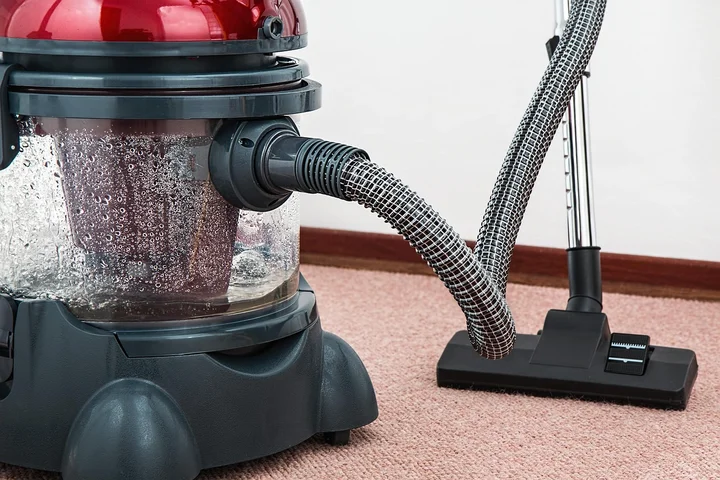
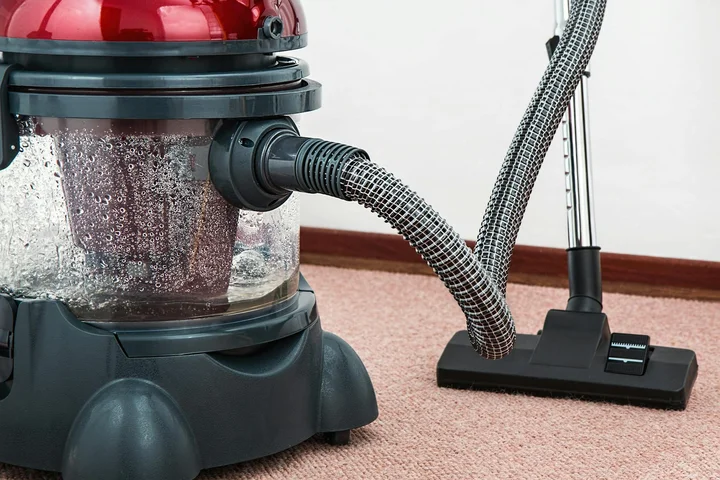
First, let’s clear something up. What you call “steam cleaning” is almost always hot water extraction. No actual steam is made. Instead, a machine shoots hot water and a cleaning solution deep into the carpet fibers under high pressure.
A powerful vacuum sucks the dirty water back out immediately. This flushes away grime from the very bottom of the carpet pile.
A common question I get is, “Does steam cleaning use any chemicals?” The answer depends. Many home rental machines use a tank for a mild detergent. Professional cleaners often rely on the power of very hot water alone to sanitize. It’s important to remove any soap or detergent stains from clothes after cleaning.
My home shampooer is my secret weapon for a quick refresh, even when carpets look clean.
I can run it with just hot water over my living room rug. The waste water always comes back a surprising gray color. It’s pulling up dirt you just can’t see.
Chemical Cleaning: More Than Just a Spray Bottle
Chemical cleaning means using a specialized product to break a stain apart before you remove it. This isn’t just a generic spray. These are detergents, solvents, or foams designed for specific jobs.
Chemistry Corner
Different chemicals target different stains. Enzymes are like tiny pac-men that eat proteins (think blood, milk, or pet accidents). Enzyme cleaners break down the science behind these types of stains. Solvents dissolve oily, greasy messes (like cooking oil or crayon wax). Knowing this helps you pick the right tool.
There are a few main methods professionals use:
- Encapsulation: A detergent crystallizes dirt into dry powder you vacuum up later.
- Bonnet Cleaning: A spinning pad soaked in cleaner scrubs the carpet’s surface.
- Absorbent Pad Cleaning: A machine uses a wet pad to agitate and absorb dirt from the carpet.
My Aunt Jessica in Arizona, a wine enthusiast, swears by a particular carpet foam for red wine spills. She keeps a can in her pantry just in case. For a targeted spot, a chemical made for the job is often the fastest fix.
How They Handle Stains: A Side-by-Side Look
So which method wins for your mess? It’s not one-size-fits-all. Here’s a quick breakdown.
Panic-Level Assessment for Common Carpet Stains
Before you decide on a full cleaning method, you need first aid. Here’s my quick-response guide.
Fresh Pet Accident (Thanks, Peeta)
- Panic Level: 9/10. Urgent to prevent setting and odor.
- Golden Window: 10 minutes.
- First Aid: Blot, don’t rub! Use towels to soak up as much liquid as possible. Rinse the area with cool water and blot again. Apply an enzyme cleaner directly and let it sit per the label’s instructions.
Red Wine Spill
- Panic Level: 7/10. The faster you act, the better.
- Golden Window: 3 minutes.
- First Aid: Blot immediately. Sprinkle with salt or baking soda to absorb moisture. Mix a drop of clear dish soap with cool water and dab the stain. Never use hot water, it sets the tannins.
Wet Mud (Hello, Jason’s Soccer Cleats)
- Panic Level: 2/10. This one is easy if you’re patient.
- Golden Window: Let it dry completely.
- First Aid: Do not touch wet mud! Let it dry to a crust overnight. Once dry, vacuum up all the loose dirt. Then use a carpet cleaner or a mix of vinegar and water for any remaining dingy spots.
Who Lives on Your Carpet? Safety and Health Factors
My main concern is always Jessica and Peeta. She’s often playing on the floor, and he naps there every afternoon. So when you ask, “Is one method safer for households with children or pets?” my immediate answer leans toward steam cleaning.
Steam cleaning uses just hot water vapor. There’s no chemical smell to linger in the air or settle on surfaces. My dog’s nose, and my kid’s developing lungs, are my top priority. Chemical cleaning introduces substances into your home’s ecosystem. You need to be sure about what you’re bringing in, especially when trying to remove pet odors from living spaces.
What are the risks of chemical residue? It’s a real thing. Some formulas can leave a faint, sticky film as they dry. This film doesn’t just sit there. It acts like a magnet for new dirt and soil. This is the biggest culprit behind carpets that look dirty again just weeks after a deep clean.
Steam cleaning solves this by its very nature. The process injects hot water and then immediately vacuums it back up. This is a continuous rinse cycle. It flushes away the dissolved grime instead of leaving it behind. I always advocate for this kind of thorough rinsing to prevent rapid re-soiling, whether you’re using a machine or a pro.
Now, let’s talk wet carpets. Steam cleaning typically has longer dry times. We’re talking 6 to 12 hours, sometimes more. This is a genuine moisture concern. You can’t let the family back on it until it’s fully dry to the touch. I use fans and open windows to speed it up. Chemical cleaning, especially encapsulation or dry methods, dries much faster. You might get traffic back in an hour or two.
Material Red Flags: Know Your Carpet Fiber
Can both methods be used on all carpet fibers? Absolutely not. Treating all carpet the same is a recipe for damage. You must know what you’re working on.
Some fibers need kid-glove treatment:
- Wool & Silk: These are protein-based, like hair. High heat and alkaline chemicals can felt, shrink, or discolor them. Always use products labeled for wool.
- Some Olefins (Polypropylene): This fiber is tough but has a low melting point. Very high heat from a steam cleaner can actually cause it to warp or shrink.
The non-negotiable rule is to test any cleaner or method in a hidden spot first, like inside a closet. I do this every single time, even with my own trusted solutions. Check for colorfastness and texture change after it dries completely.
Surface Compatibility Note: Upholstery is not carpet. The backing and padding are different. A chemical or steam setting that’s fine for a dense carpet pile can overwelm and stain delicate upholstery fabric or its backing. Always check the manufacturer’s tag first.
How to Choose Your Method: A Practical Guide
Your choice really comes down to your primary goal. Let’s match the method to the mission.
For deep sanitization and a full reset, I choose steam cleaning. The high heat is great for killing dust mites and bacteria. It’s my go-to for seasonal refreshes, especially before family visits. Which is recommended for regular maintenance vs. deep cleaning? Steam is my deep clean. For regular upkeep, vacuuming and immediate spot treatment are key.
For targeted spot stain removal, a chemical cleaner is your specialist. A red wine spill from Aunt Jessica needs an oxidizer now, not a full-room steam machine tomorrow. I keep a few targeted chemical spot cleaners for these emergencies.
For general maintenance and high-traffic areas, a low-moisture chemical method like encapsulation can be brilliant. It dries fast and you can vacuum up the powder the next day, taking dirt with it.
How do costs compare? Renting a steam cleaner is usually cheaper per use than hiring a chemical truck-mount pro. But doing a chemical clean yourself with store-bought solutions can be very affordable. Here’s my take on the pros and cons of steam versus chemical cleaners for stain removal:
- Renting a Machine: Pros are lower cost and immediate availability. Cons are the heavy labor, the learning curve, and dealing with wastewater.
- Hiring a Professional: Pros are expertise, powerful equipment, and no work for you. The con is the higher cost. A good pro will know exactly which method (steam or chemical) is right for your specific carpet and stain situation.
My personal rule has served our busy home well: I steam clean our main carpets every spring and fall for a deep refresh, but I always have a small arsenal of chemical spot cleaners (enzyme for pet accidents, oxidizer for food dyes) ready for daily messes. This hybrid approach gives me the best of both worlds: a sanitized foundation and the tools to defend it.
Post-Treatment Recovery: The Drying and Care Process
This is the part I watch like a hawk. A perfect clean can be ruined if you skip the recovery steps. Your carpet is vulnerable right now.
The Drying Process: Steam vs. Chemicals
Steam cleaning leaves your carpet much wetter. My machine sucks up a ton of water, but the pad underneath is still soaked. Chemical foam or encapsulation methods leave the carpet feeling just damp to the touch.
For a steam-cleaned carpet, plan for 6 to 12 hours of drying time, and up to 24 hours in humid climates. Chemical methods can feel dry in as little as 1-2 hours, which is a huge advantage if you need the room back fast.
To speed up drying for any method, you need air movement and low humidity.
- Open windows on opposite sides of the room for a cross-breeze.
- Point fans directly at the floor. I use two box fans from the garage.
- Run a dehumidifier if you have one. It pulls moisture from the air and the carpet fibers.
- Keep your HVAC system running on the “fan” setting to circulate house air.
The “No Walk” Zone
This is my non-negotiable rule. Keep everyone, including pets, off the damp carpet. I learned this the hard way when Peeta ran across a damp hall carpet with slightly muddy paws.
Walking on a damp carpet pushes dirt from your soles deep into the base of the fibers, creating new stains and matting the pile down permanently. It defeats the entire purpose of cleaning. Put up chairs or a baby gate if you have to.
Checking for Lingering Stains
Never assume a stain is gone just because you treated it. You must check while the carpet is still slightly damp. A stain can seem invisible when wet but reappear as a dull, shadowy ring when dry.
Here’s my check. I get down on my hands and knees in good light.
- Look at the stain area from different angles. Tilt your head.
- Gently press a clean, white paper towel against the damp spot.
- Blot, don’t rub. If any color or residue transfers to the towel, the stain is still active.
If you see transfer, you can often re-treat the specific spot with your chosen method before the whole carpet dries.
Bringing Your Carpet Back to Life
Deep cleaning can leave carpet pile looking flattened and tired. Once it’s completely dry, it’s time to fluff it back up. My mom Martha taught me this old-school trick.
Take a clean, stiff-bristled brush (a carpet rake or even a new toilet brush works in a pinch) and gently brush the pile in different directions. Don’t scrub, just tease the fibers upright.
For high-traffic areas, I go over them once more with the vacuum cleaner using just the suction hose (no beater bar) to lift the fibers and restore that fluffy look. It makes the whole room feel fresh again.
FAQ about Choosing a Carpet Cleaning Method
1. A fresh pet accident just happened. What’s the very first thing I should do before deciding on a cleaning method?
Blot up as much liquid as possible with clean towels, then rinse the area with cool water and blot again. Immediately apply an enzyme-based cleaner to break down the stain and odor at the source, especially for biological stains.
2. How can I tell if a chemical cleaner left behind residue that will attract dirt?
Once the area is fully dry, feel the carpet fibers for a sticky or stiff film. A clean, white cloth dampened with water rubbed over the spot may also pick up discoloration if residue is present.
3. My carpet is still damp after steam cleaning. How can I speed up drying without damaging it?
Increase air circulation by using fans pointed at the floor and opening windows for a cross-breeze. Running a dehumidifier or your HVAC system’s fan will also pull moisture from the air and carpet fibers.
4. When should I definitely call a professional instead of trying to clean it myself?
Call a pro for large, unknown, or old set-in stains, or if the carpet is a delicate material like wool or silk. Their expertise and industrial equipment prevent damage and ensure the correct method is used, unlike DIY stain removal methods for clothing and carpets.
5. I have a wool carpet. What’s the safest way to test a cleaning method?
Always test in a hidden area, like inside a closet. Apply the cleaner or a small amount of hot water, then check for color bleeding or texture change once the spot is completely dry.
Choosing What’s Right for Your Home
After steam cleaning our living room carpet to tackle Peeta’s dander and using a chemical spot treatment on Edward’s grape soda spill, I learned the best method depends on your need for deep sanitation or fast stain removal. Always prioritize steam for overall health and allergens, but keep a reliable chemical cleaner handy for immediate accidents. For renters, there are lease-friendly rental carpet stain removal tips that protect fibers and your deposit. I’ll cover those rental-specific tips in a linked guide next. I document all these real-life tests and share more carpet care stories right here on the blog.
Written by Suzanne Rosi Beringer. Suzanne is an accomplished chemist, laundry expert and proud mom. She knows the science and chemistry of stains and has personally deal with all kinds of stains such as oil, grease, food and others. She brings her chemistry knowledge and degree expertise to explain and decode the science of stain removal, along with her decades long experience of stain removal. She has tried almost everything and is an expert on professional and DIY stain removal from clothes, fabric, carpet, leather and any other items dearest to you.