Toothpaste or Hairspray for Stains: Do These Home Hacks Actually Work?
You’re staring at a fresh stain and wondering if that internet tip about toothpaste or hairspray is a lifesaver or a disaster waiting to happen. I’ve tested these hacks on everything from Jason’s soccer jerseys to Aunt Jessica’s wine spills, and I’ll give you the straight truth on what’s safe and effective.
In this article, I’ll walk you through my real-world tests of these common kitchen-cabinet remedies. Here’s what we’ll cover:
- The specific stains where toothpaste can help and the ones where it causes a bigger mess.
- Why hairspray has a reputation for ink removal and how it performed on my test fabrics.
- The crucial pre-test spot check you must always do to prevent damage.
- My go-to, proven alternatives when these household hacks fall short.
I’ve built this advice on years of hands-on experience removing stains for my own busy household and through rigorous testing.
The Quick Verdict on These Viral Hacks
Yes, toothpaste and hairspray can sometimes remove stains, but be careful. Treat them as last-resort options for very specific situations, not universal solutions. Applying the wrong substance can set a stain or damage a fabric in minutes. Sometimes, even hairspray itself can leave stains on fabrics.
I rate the panic level for these hacks a 6 out of 10. The “Golden Window” for action is extremely short because you’re experimenting with products not designed for your fabric.
These methods rely on simple abrasive or solvent actions, not magic. Toothpaste scrubs, and hairspray dissolves. In most cases, a proper stain remover or simple dish soap is a safer, more effective tool sitting in your cabinet.
This advice comes from years of testing. I’ve tried these tricks on old t-shirts, leather shoes, and even my car’s interior when I was desperate. The results were mixed, and I learned the hard way when to stop.
Toothpaste as a Stain Fighter: The Minty Scrub
Toothpaste works on stains that sit on the surface, not stains that soak in. Think of it as a gentle, minty sandpaper for very light scuffs. This helps debunk the common household cleaning myth that toothpaste can fix every stain. For tougher or embedded marks, other cleaners work better.
What stains can toothpaste remove? It can sometimes tackle light scuffs on smooth leather or vinyl, like on a white shoe or a purse. I’ve had minor success with some ballpoint ink on a cotton shirt cuff. It can also lift faint, dried grass or dirt marks from rubber-soled sneakers.
What stains can toothpaste make worse? Do not use it on grease, oil, or protein-based stains like blood, egg, or milk. The abrasives can grind the fat or protein deeper into the fibers. I once made a spaghetti sauce splatter on my son Jason’s jersey much worse by trying to scrub it with toothpaste—it’s a trick often advised for cleaning but not for fabrics.
Chemistry Corner
Standard white toothpaste is a mild abrasive, usually silica, suspended with water and surfactants (detergents). It works by physically scrubbing away a surface-level stain while the surfactants help emulsify and lift it. It does not penetrate or break down stains deep in the fabric.
Only use a plain, non-gel, white toothpaste. Avoid blue-striped formulas, gels, or anything with brightening crystals. These often contain dyes or bleaching agents that can leave their own discoloration on your fabric. I keep a cheap, basic tube of paste in my cleaning kit just for this.
How to Use Toothpaste on a Stain (Safely)
Always test first. Dab a tiny bit on a hidden seam or inside area. Wait 10 minutes, rinse, and check for color change or texture damage.
- Blot away any excess spill.
- Apply a small pea-sized amount of plain white paste to a clean, soft cloth or old toothbrush.
- Gently rub the paste onto the stain in a circular motion. Do not scrub hard.
- Let it sit for no more than 10-15 minutes.
- Rinse the area thoroughly with a damp cloth to remove all paste residue.
- Blot dry with a clean towel. You may need to repeat the rinse step to get rid of the minty smell.
The biggest risk is abrasion, which can roughen fabrics or fade colors. Those optical brighteners in toothpaste can also yellow white fabrics over time. And yes, you might be left with a faint minty scent, which my dog Peeta always finds confusing on a sneaker.
Hairspray as a Stain Fighter: The Sticky Solvent
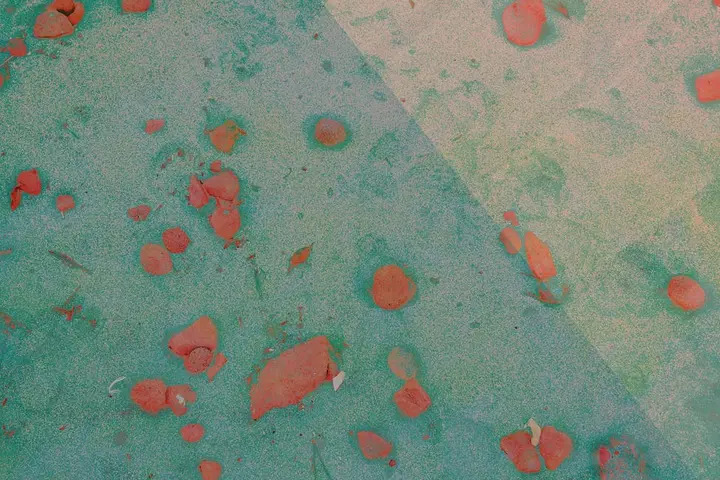
So, can a can of hairspray really save your sofa from a pen explosion? The answer is a very careful “sometimes.”
What Stains Can Hairspray Remove?
Its one true superpower is tackling oil-based ballpoint pen ink. I’ve used it more than once when Jason left a pen in his pants pocket that went through the wash.
The hack persists because it often works in a pinch. My Aunt Jessica, who loves a good DIY solution, swears by it for the ink spots on her tablecloths.
Hairspray is specifically useful for dissolving oily, greasy marks that water can’t touch.
What Stains Can Hairspray Make Worse?
Do not use it on water-based stains. Think juice, wine, or washable marker ink.
The alcohol will set these stains permanently into the fibers. I learned this the hard way trying to fix a grape juice spill on a white shirt.
For anything you could clean with plain water, hairspray is the wrong tool and will cause more damage.
Chemistry Corner: Why It Works (When It Does)
Most classic hairsprays use alcohol as a quick-drying solvent to hold hair in place. That same alcohol acts as a solvent on stains.
It breaks down the oils in ballpoint ink, dissolving the stain so you can lift it away with a cloth. It doesn’t “clean” it. It just makes it mobile, unlike most other stubborn stains such as grease or wine.
The Best Hairspray for the Job
You want the old-school, aerosol kind with a high alcohol content. Check the label for ingredients like SD Alcohol 40 or Ethanol.
Modern flexible-hold, “no-stick” formulas often use different polymers. They leave less residue in your hair but are useless for stains.
If the hairspray doesn’t smell sharply of alcohol when you spray it, it likely won’t work on ink.
How to Use Hairspray on a Stain: A Step-by-Step Guide
- Ventilate. Open a window. The fumes are strong and flammable.
- Place a clean, dry cloth or paper towel underneath the stained fabric.
- Spray the stain directly until it is thoroughly damp, not soaked.
- Watch as the ink begins to dissolve and bleed into the cloth underneath.
- Blot gently from the outside of the stain inward. Do not rub.
- Repeat spraying and blotting until no more ink transfers.
- Let the area air dry completely. The alcohol will evaporate quickly.
- Once dry, you may need to wash the item to remove any sticky polymer residue left by the hairspray.
The Risks and Downsides
The sticky residue is a real problem. If you don’t wash it out, it attracts more dirt.
The alcohol can also damage certain dyes or fabric finishes, causing fading or discoloration. Always test in a hidden spot first.
You are trading a stain for a potential texture or color change. For valuable items, a dedicated stain remover is a safer bet.
The Surface Compatibility Guide: Where to (Carefully) Try These
Not every surface can handle a toothpaste scrub or a hairspray soak. Here’s a quick guide to navigate the risks.
| Surface | Is It Safe? | Special Instructions | Biggest Risk |
|---|---|---|---|
| Carpet | Proceed with extreme caution. | For toothpaste, make a thick paste with water first. For hairspray, blot aggressively to prevent the backing from getting wet and sticky. | Hairspray can leave a stiff, sticky spot that attracts dirt. Toothpaste abrasives can damage carpet fibers. |
| Clothing | Maybe, after a hidden seam test. | Apply product to the stain, not the whole garment. Wash immediately after treatment to remove all residue. | Color loss from alcohol (hairspray) or whitening from peroxide (toothpaste). Permanent texture change. |
| Upholstery | Risky. Test on a hidden cushion seam first. | Use a very small amount. Blot, do not rub, to avoid spreading the stain or damaging the fabric weave. | Creating a water-ring effect or leaving a visible, crusty patch where the treatment was applied. |
| Hard Surfaces (Counter, Leather Shoe) | Safer for non-porous surfaces like laminate. | On leather, avoid entirely. On sealed counters, wipe clean with a damp cloth immediately after applying any product. | Scratching glossy finishes with toothpaste abrasives. Drying out and cracking leather with alcohol. |
As a general rule, synthetic fibers (polyester, nylon) often tolerate these methods better than delicate natural fibers (silk, wool).
My mother-in-law Brianna taught me that if you wouldn’t put something harsh on your skin, think twice about putting it on fine cotton or linen.
These hacks are for functional items, not heirlooms. When in doubt, test and always have a plan to fully rinse the remedy out.
When to Put the Hack Down and Pick a Better Tool
Let’s be real. A hack feels like a clever shortcut. But when that shortcut risks ruining your favorite blouse, it’s just a detour to the trash can.
Toothpaste and hairspray are blunt instruments. Compare them to precise tools like dish soap, a dedicated laundry pre-treat, or rubbing alcohol, and their flaws are obvious.
- Dish Soap vs. Toothpaste: Both tackle grease. But dish soap is a pure degreaser designed to rinse clean. Toothpaste is an abrasive paste with whiteners and fluoride. It can grind the stain into the fabric and leave a chalky, stubborn residue.
- Laundry Pre-Treat vs. Hairspray: A good pre-treat uses enzymes or surfactants to break down a stain’s structure. Hairspray just dries it into a stiff, shiny shell on the surface. You’re not removing the ink, you’re just gluing it in place.
- Rubbing Alcohol vs. Hairspray: For alcohol-based stains like ink, the active ingredient you want is alcohol. Rubbing alcohol (isopropyl alcohol) is that ingredient in a pure, controllable form. Hairspray is alcohol mixed with resins and perfumes. You get the stickiness without the reliable power.
The most reliable tool is always the one made for the job you’re doing.
Better, Safer Swaps from Your Cabinet
Skip the experimentation. Here are direct, safer replacements for the stains these hacks often target.
For fresh ink, try rubbing alcohol on a cotton ball first. It’s the same science without the sticky glue.
- Blot, don’t rub, from the outside of the stain inward.
- The ink should transfer to the cotton ball. Rinse the area with cold water afterward.
For a greasy food stain on a shirt or tablecloth, your dish soap is a superstar.
- Apply a drop directly to the stain, gently work it in with your fingers, and let it sit for five minutes.
- Rinse thoroughly under warm water. You’ll see the grease break up and wash away cleanly.
For a mystery stain or old spill on clothing, a modern enzyme-based laundry pre-treat is unbeatable.
- Apply it, let it sit for the recommended time (often 15 minutes), and wash as usual.
- It works on a molecular level to dissolve the stain, not just cover it up.
The Shirt That Taught Me a Lesson
I learned this the hard way with one of Jason’s favorite soccer jerseys. He got grass stain mixed with mud all down the front. In a hurry, I remembered the “toothpaste for stains” tip.
I used a white paste. I scrubbed. The stain lightened a bit, but a gritty, blue-tinged paste settled deep into the synthetic fibers. Rinsing just seemed to spread it. I had turned a simple organic stain into a complicated, abrasive one.
I had to spend twenty minutes carefully picking the paste out with a soft brush before I could even start on the original stain. My quick fix tripled my work and nearly ruined the fabric. A squirt of dish soap and some cold water would have handled the grass and mud in five minutes flat.
Your best first step is always to identify the stain and use a method designed for it. Start simple with cold water and dish soap. Move to targeted solutions like alcohol or peroxide. You’ll save your stuff and your sanity. Also, watch out for common stain-removal mistakes to avoid. The next steps include a quick checklist with tips to prevent them.
FAQ About Using Toothpaste and Hairspray on Stains
1. What type of toothpaste works best, and does gel toothpaste work?
Only use a plain, non-gel, white toothpaste without brightening stripes or crystals. Gel formulas lack the mild abrasive needed for scrubbing and often contain dyes that can stain the fabric.
2. Can hairspray or toothpaste damage certain fabrics permanently?
Yes, absolutely. The alcohol in hairspray can fade or bleach dyes, while the abrasives in toothpaste can roughen delicate fibers like silk or wool. Always perform a spot test on a hidden seam first.
3. I’ve tried hairspray on an ink stain and it left a sticky residue. What now?
This is a common downside. You must wash the item to remove the sticky polymers. Use a small amount of dish soap on the residue, gently work it in, and launder as usual.
4. Are there any common household items that work better than these hacks?
For most stains, yes. Use dish soap for grease, rubbing alcohol for ink, and a baking soda paste for surface odors. These are often more effective and easier to rinse out completely.
5. Can I use these methods on colored fabrics without causing fading?
It’s risky. Hairspray’s alcohol and toothpaste’s optical brighteners can alter colors. If you must try, test in a discreet area first and be prepared to wash the item immediately after treatment.
Trust Your Fabric, Test the Hack
After testing toothpaste on Jason’s soccer jerseys and hairspray on ink spots, I always start by gently blotting a stain to lift what I can. The single most important step is to identify the stain and fabric first, then test any hack on a hidden seam. This approach also applies to removing pen ink stains from fabrics like jeans. Stay tuned for a quick guide on pen ink removal for jeans in the next post. For more real-life cleanup stories from our busy home, follow along right here on the blog.
Written by Suzanne Rosi Beringer. Suzanne is an accomplished chemist, laundry expert and proud mom. She knows the science and chemistry of stains and has personally deal with all kinds of stains such as oil, grease, food and others. She brings her chemistry knowledge and degree expertise to explain and decode the science of stain removal, along with her decades long experience of stain removal. She has tried almost everything and is an expert on professional and DIY stain removal from clothes, fabric, carpet, leather and any other items dearest to you.