How to Remove Grape Juice Stains from Fabric: Upholstery, Clothing & Carpet Cleaning Guide
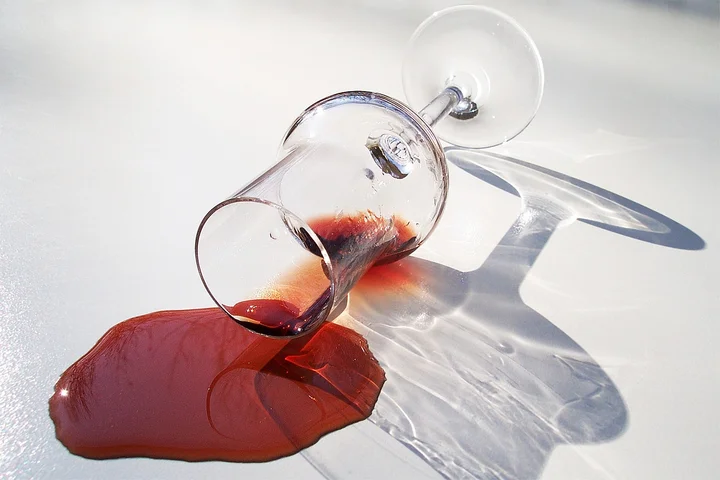
Did a glass of grape juice just tip over on your sofa or your kid’s shirt? Grab a clean cloth, blot with cold water immediately, and do not scrub-this is the single most important step to save your fabric.
This guide will give you clear, proven methods for any material:
- Why grape juice leaves such a stubborn, purple mark
- The simple, non-toxic supplies you likely already have at home
- Specific steps for clothing, upholstery, and carpet
- How to rescue a stain that’s already dried
- My personal favorites from cleaning up after my kids, Jason and Jessica
I’ve been a stain-removal specialist for years, testing methods on everything from my dog Peeta’s messes to my husband Roger’s work clothes.
First Things First: Your Stain Panic-Level Assessment
Take a breath. I’ve been there. My son Jason once celebrated a soccer goal by flinging his grape juice pouch across the room.
The stain panic-level for fresh grape juice is a moderate 5 out of 10.
For a dried, set-in purple blotch, that number jumps to an 8 out of 10.
You have a golden window of about 10 to 15 minutes before the sugar and deep pigment start bonding with the fabric.
Your immediate, universal first-aid step is to grab a clean, white cloth or paper towel and blot. Do not rub.
Rubbing grinds the stain particles deeper into the fibers, making your job much harder.
The biggest mistake you can make is reaching for hot water first.
Hot water will cook the fruit sugars into the fabric, essentially turning the stain into a permanent, sticky candy.
This same rule applies to other fruit stains like orange juice or lemonade. Cold is your friend.
The Surface-Specific Battle Plan: Clothing, Upholstery & Carpet
Your Universal Toolkit & The All-Important Test Patch
You don’t need fancy chemicals. Your kitchen and bathroom likely hold everything you need.
Your common household toolkit includes:
- White vinegar (the acidic workhorse)
- Clear dish soap (for breaking up oils)
- Isopropyl alcohol (70% or 90%)
- Baking soda (for pastes and absorbing moisture)
- 3% Hydrogen peroxide (a gentle bleach alternative)
Before you use any solution on the visible stain, you must perform the test patch ritual.
Apply a small dab of your chosen cleaning solution to a hidden seam, corner, or underside.
Wait 5-10 minutes, then check for any color bleed, fading, or change in texture. If all is clear, you’re safe to proceed.
This exact process works for how to get citrus stains out of clothes, too. The enemy is always the sugar.
Critical Warnings and Material Red Flags
Before you grab any cleaner, check your fabric’s care tag. Some materials are too fragile for standard stain fighting. That includes outerwear and delicate fabrics, which often need gentler methods. In the next steps, we’ll walk through removing stubborn stains from those fabrics.
- Delicate fabrics that can be damaged: silk, acetate, some wools, antique or heirloom fabrics without a clear care history.
My Aunt Jessica has a beautiful silk scarf she treats like a museum piece. For something like that, I wouldn’t experiment. I’d take it straight to a professional.
Some chemicals cause more harm than the stain itself, so know what to avoid.
- Never use chlorine bleach (like regular Clorox) on colored fabrics. It will remove the dye and the stain, leaving a white blotch.
- Never use ammonia on wool or silk. It can break down the protein fibers and ruin the item.
The Surface Compatibility Chart
Your approach changes based on where the stain lives. Here’s a quick guide.
| Surface | Key Action | Moisture Rule |
|---|---|---|
| Clothing | You can gently rub or agitate the fabric. You can also fully rinse it under a tap or soak it. | Rinse thoroughly until water runs clear. |
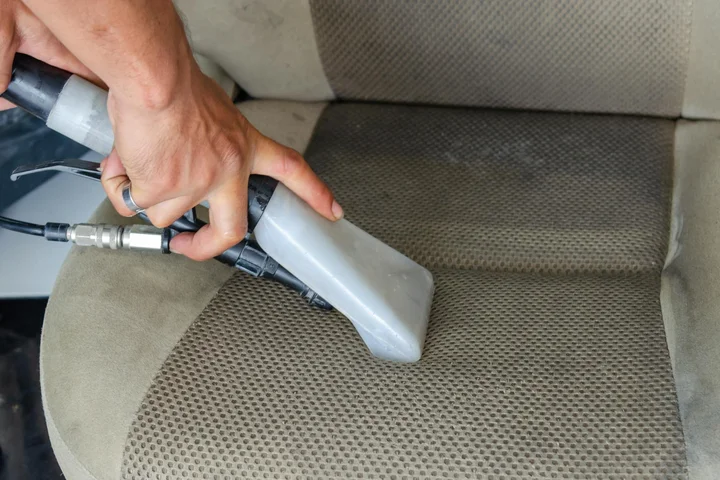
| Upholstery | Blot only. Never scrub, as it forces the stain deeper into the padding. | Use minimal moisture to prevent mold in the cushion. |
| Carpet | Blot from the outside in. You can rinse, but must extract the water carefully. | Rinse with a little clean water, then blot dry with towels. |
Safe DIY Alternatives
Out of stain remover? Your kitchen has a powerful duo.
Mix one teaspoon of clear dish soap (like Dawn) with one tablespoon of white vinegar in two cups of cool water. The soap cuts the sugars, and the vinegar helps with the color.
This mix is my first line of defense for most of Jason’s soccer jerseys and our kitchen cloths. It’s safe for most cotton, polyester, and nylon blends.
When Things Go Wrong: Dried Stains and Stubborn Ghosts
What to Do for Dried or Set-In Grape Juice Stains
I found an old stain on a white cotton shirt in the back of Roger’s closet. The purple ring looked permanent.
For any dried stain, you must rehydrate it to break it up. Mix a drop of liquid detergent into a cup of cold water. Sponge or pour this directly onto the stain. Let it sit for 15 minutes to soften. Then, blot gently. Avoid common stain-removal mistakes that can worsen stains or damage fabrics, which we’ll cover next. These pitfalls are easy to miss but can derail your results.
For a stronger attack on white, colorfast cotton or linen, make a paste. Mix a tablespoon of 3% hydrogen peroxide with enough baking soda to form a thick paste.
Test this paste on a hidden seam first. If it’s safe, spread it on the stain and let it sit for up to an hour. The paste will bubble and lift the stain. Rinse it away completely with cold water.
What If the Grape Juice Stain Remains After Treatment?
Sometimes a faint shadow remains. Don’t give up.
Stains often lift in layers, so repeating the blotting process 2-3 times can make all the difference. Be patient and keep blotting with fresh sections of your towel.
For clothing you can soak, fill a bucket with cool water and add an oxygen-based bleach like OxiClean. Soak the item for several hours or overnight, then wash as usual. This works wonders on kids’ play clothes.
Is it safe to use bleach on grape juice stains?
You must know your bleach types.
Chlorine bleach is only for solid white cotton or linen. It will destroy colors and weaken many fabrics.
Oxygen-based bleach (like OxiClean) is the safer choice for most colored fabrics. It lifts stains through oxidation, not harsh chemicals, making it a preferred option even when you remove dye stains from fabrics.
Does club soda work?
Here’s my honest take. The cold temperature of the club soda is helpful. The act of pouring it on and blotting is what does the work.
The carbonation offers a tiny bit of lift, but plain, cold water and diligent blotting works almost as well. Don’t waste your soda if you have a sink nearby. Use that money for more grape juice instead.
FAQ about Removing Grape Juice Stains
How can I stop a grape juice stain from setting if I’m not ready to clean it fully?
Blot the spill immediately with a cold, wet cloth to dilute the pigment. Keep the area damp or covered with a wet towel until you can apply a proper cleaning solution to prevent drying.
What common household items are most effective against grape juice stains?
White vinegar, clear dish soap, and baking soda are your top allies. A mix of vinegar and dish soap in cold water tackles both the sugar and color effectively.
Is white vinegar safe for all fabrics, and how should I use it?
Yes, diluted white vinegar is safe for most colorfast fabrics. Test it on a hidden spot first, then blot the stain with a 1:1 vinegar-water solution and rinse with cold water. To remove makeup stains on white fabrics, this same method can help lift residues before washing. If the stain persists, repeat the treatment and launder as usual.
What’s the safest approach for delicate fabrics like silk or wool?
Avoid vinegar and ammonia on delicate materials. Gently blot with cold water only and take the item to a professional cleaner to prevent fiber damage.
How do I test a cleaning solution to ensure it won’t ruin my fabric?
Apply a dab to an inconspicuous area like a seam or underside. Wait 5-10 minutes and check for color bleed or texture changes before using it on the stain. This is especially important when you’re applying wood stain to ensure the finish looks even and professional.
Your Fabric-Saving Game Plan
Speed is your greatest ally against grape juice stains, so always blot the spill quickly with a clean cloth to prevent setting. Pair this with a tested, gentle cleaner like diluted white vinegar, and you’ll preserve your upholstery and clothes. I share all my family tested methods, from Roger’s hunting gear to Aunt Jessica’s wine spills, over on Stain Wiki, come follow along for more.
Written by Suzanne Rosi Beringer. Suzanne is an accomplished chemist, laundry expert and proud mom. She knows the science and chemistry of stains and has personally deal with all kinds of stains such as oil, grease, food and others. She brings her chemistry knowledge and degree expertise to explain and decode the science of stain removal, along with her decades long experience of stain removal. She has tried almost everything and is an expert on professional and DIY stain removal from clothes, fabric, carpet, leather and any other items dearest to you.