How to Remove Pomegranate Juice Stains from Clothing
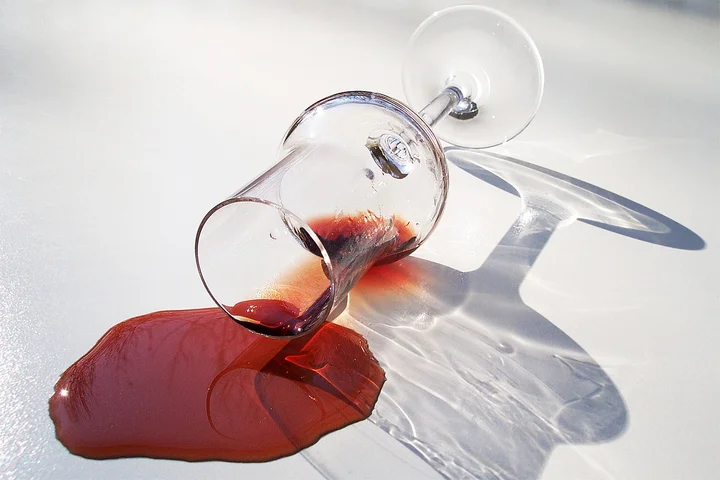
That bright red pomegranate juice spill can look scary, but I promise it’s manageable. Grab a clean cloth, blot up the juice, and rinse the stain from the back with cold water immediately-this quick action prevents it from setting.
In this guide, I’ll share my proven steps to get your clothes looking new again. You’ll learn:
- My immediate response for fresh spills, tested on my daughter Jessica’s messes
- How to use safe, non-toxic cleaners you likely already have at home
- The right way to treat different fabrics, from cotton tees to delicate blends
- What to do for a stubborn stain that’s already dried
- My final check to ensure the color and texture are fully restored
I’ve handled every juice stain imaginable while raising my active kids and caring for our home, so these methods come from real, repeated use.
Why Pomegranate Juice Leaves a Nasty Mark
That beautiful, deep red pomegranate juice is full of two stubborn things: tannins and natural dyes.
Tannins are the same stuff that makes tea stain a white mug. They latch onto fabric fibers and hold the color tight.
The natural dye in the juice just makes that colorful bond even stronger.
So, do pomegranates stain clothes? Absolutely. But are pomegranate stains permanent? Not if you act fast.
I learned this the hard way with my aunt Jessica, who loves her evening glass of wine (and sometimes pomegranate juice).
One spill on her linen shirt sat for an hour before she told me. The stain was angry and pink.
The biggest mistake you can make is using heat. Tossing the stained item in the dryer is the final step for the stain, not the clothing.
Heat from a dryer permanently cooks the tannins and dye into the fibers, turning a treatable spill into a permanent fixture.
Your First 60 Seconds: Critical Stain First-Aid
The moment the juice flies, your mission starts. Your goal is to get as much of the pigment out of the fabric as you can, right now.
First, grab a clean, absorbent cloth or paper towel. My go-to is a plain white cotton rag.
Blot, never rub. Press down firmly to soak up the liquid.
Rubbing grinds the dye deeper into the weave, like my son Jason grinding soccer mud into the doormat.
Next, get to a sink. Run cold water only on the stain. Hot water will set the protein and dye.
This directly answers the question: should you use hot or cold water? Always start with cold.
Here’s a pro tip my mom Martha taught me. Turn the garment inside out.
Hold the stain under the cold tap from the backside. This pushes the pigment out the way it came in, instead of driving it through the fabric.
Let the water run through until it runs clear from the front.
What if you’re at a restaurant or in the car? Don’t panic.
Dab gently with a wet napkin or bottled water on a cloth. Loosen the stain as best you can until you get home.
Then, head straight for the sink and follow the steps above. Time is your best tool.
Step-by-Step Guide for Fresh Pomegranate Juice Stains
What is the best method for treating fresh pomegranate juice stains? Speed. That bright red splash is a combo of pigment and natural plant oils, and it sets fast. Here’s my go-to plan, the same one I used last week when Jessica decided our white tablecloth needed “pretty red dots.”
Step 1: The Cold Water Flush
Get to a sink immediately. Turn the stain inside-out if you can. Hold the fabric taut under a strong stream of cold water, pushing the stain out from the back. You’ll see the red running right out. Hot water is the enemy here, as it can cook the proteins and set the color permanently.
Step 2: Apply Your Pre-Treater
Don’t just toss it in the wash. You need a targeted attack. I keep a small bottle of blue Dawn dish soap in my laundry room for this.
- Liquid Dish Soap: My top pick. A drop of Dawn directly on the stain works because it’s designed to cut through oily food residues, which is part of what makes pomegranate juice tricky.
- Laundry Detergent Paste: Rub a bit of your regular detergent (I use Tide) into the stain to form a paste.
- Stain Stick: A quality store-bought option like Shout or OxiClean MaxForce Gel is perfect for on-the-go treatment.
Step 3: Gentle Agitation
With the pre-treater applied, use your fingers to gently massage it into the fabric. Work from the edges toward the center. You’re trying to let the soap surround and lift the stain particles, not scrub the fibers apart. For delicate fabrics, just dab it on and let it sit.
Step 4: Wash in Cold Water
Throw the garment in the washing machine by itself or with similar colors. Always use cold water for this first wash, and choose a quality detergent with enzymes. For tougher biological stains (like blood or sweat), a quick pre-treatment can help lift them before washing. I find detergents like Persil or Tide Ultra OXI give that extra boost needed for organic stains.
Step 5: The All-Important Check
This step saves more clothes than any other. Do not, under any circumstance, put the item in the dryer. Pull it out while still wet. Hold the stained area up to a light and look for any faint shadow or discoloration. If you see even a hint, repeat the pre-treatment and cold wash cycle. The heat from a dryer will make a faint stain permanent.
Rescuing Clothes from Dried-On Pomegranate Stains
How do you treat dried pomegranate juice stains? You need patience and a stronger strategy. I found Jason’s favorite soccer jersey balled up in his hamper after a week, with a brownish-purple smudge from a post-game snack. All hope was not lost.
Step 1: Rehydrate the Stain
You have to bring the stain back to life. Submerge the entire garment in a basin or bucket of cold water. Let it soak for at least 30 minutes, but overnight is better. This softens the dried sugars and pigments, making them receptive to treatment again. Be sure to avoid common mistakes when treating stains.
Step 2: Assess and Pre-Treat
After soaking, inspect the stain. It will likely be a dull ring. Now, bring in the heavy lifters. My aunt Jessica taught me this trick for wine, and it works wonders here.
- Make a thick paste of oxygen-based bleach (like OxiClean) and a few drops of water.
- Slather this paste onto the damp stain, completely covering it.
- Let it sit for at least an hour. You’ll see the paste start to dry and change color as it works.
For pure white cotton, you can use a very small amount of liquid chlorine bleach diluted in water, but spot-test first. I rarely go this route.
Step 3: Wash and Check (And Maybe Repeat)
Wash the garment on the warmest setting the fabric allows, again with a good detergent. Check it while wet. With a dried stain, one wash might not do it. For that jersey, I had to repeat the oxygen bleach paste and wash cycle twice before the stain vanished completely. My mom Martha always says stubborn stains teach you patience, and she’s right.
Pantry Power: Homemade and Gentle Solutions
You do not need a cabinet full of specialty chemicals. I keep my kitchen stocked with a few basics that handle most juice stains.
Can Vinegar Help with Pomegranate Stains?
White vinegar is a mild acid. It helps break down the structure of the stain, making it easier to lift.
Vinegar is a great first step, but I treat it as a partner to detergent, not a standalone miracle.
For a vinegar soak, I mix one part white vinegar with two parts cool water in a bowl or sink. I submerge the stained section for 30 minutes. After soaking, I rinse the area thoroughly with cool water before washing as usual.
Lemon Juice and Salt for a Brightening Scrub
Lemon juice has natural bleaching power. Salt acts as a gentle abrasive to lift the stain particles.
I use this on white cotton or linen. Squeeze fresh lemon juice directly onto the stain, then cover it with a generous layer of table salt. Gently rub the fabric together and let it sit in the sun for an hour. The sun boosts the lemon’s bleaching effect. Rinse with cool water afterward.
Never use lemon juice on colored fabrics, as it can lighten or bleach the dye. I learned this after “helping” with a patterned shirt of Jason’s.
The Power of Oxygen-Based Bleach
Products like OxiClean are my secret weapon. They are color-safe and work by releasing oxygen bubbles that lift stains from the fiber.
For a powerful pre-soak, I follow the label’s directions for a soaking solution. My standard is one scoop per gallon of warm water. I let the garment soak for at least one hour, or even overnight for old stains, before laundering.
This method is my go-to for Jason’s white soccer jerseys after fruit-punch disasters. It tackles the color without harming the team logo.
An Old-School Tip from Brianna
My mother-in-law, Brianna, swears by a baking soda paste. She mixes baking soda with just enough water to make a thick paste, like frosting.
“You spread it on, let it dry completely, and then brush it off,” she says. The paste dries and crystallizes, pulling the stain up with it. I find it works best on fresh, non-greasy stains on sturdy fabrics like cotton.
Handling Delicate Fabrics
For silks, viscose, or labeled “dry clean,” your approach must be gentler. My Aunt Jessica has ruined a few nice blouses with rushed spot-cleaning.
Mix a teaspoon of clear, mild dish soap or a gentle wool detergent in a quart of cool water. Submerge the stain and let it soak for 15 minutes. Agitate the water gently with your hand. Rinse under cool, running water until the water runs clear. These steps help remove wool stains safely. Always test on a hidden area first to protect fibers.
Always press delicate fabrics between clean towels to remove moisture and lay them flat to air dry. Never wring them out.
Critical Warnings and Troubleshooting Tough Stains
Even with the best methods, some fabrics and situations need extra caution.
Material Red Flags
Always check the care label first. Some fabrics are incredibly sensitive.
- Silk and Wool: Their delicate fibers can be damaged by acids (like vinegar or lemon) and agitation.
- Dry-Clean Only Fabrics: Home remedies can distort the fabric or remove professional finishes.
- Any Fabric You’re Unsure Of: Perform a spot test.
I do a hidden spot test on an inside seam with any new solution, letting it dry completely to check for color loss or damage. It saved my favorite wool sweater.
The “Never Do This” List
These three mistakes can turn a simple stain into a permanent one.
- Never use hot water first. Heat sets the pomegranate’s tannins, bonding the stain to the fiber. Always start with cool or lukewarm water.
- Never put the item in the dryer if any stain shadow remains. The dryer’s heat will bake the stain in permanently. Air dry it instead so you can try again.
- Never mix chlorine bleach and vinegar. This combination creates toxic chlorine gas. It’s dangerous and won’t help your clothes.
Is Chlorine Bleach Safe to Use?
Chlorine bleach is a last resort for solid white, bleach-safe cotton or linen.
Using chlorine bleach incorrectly can turn a pink pomegranate stain into a permanent yellow or brown mark. The bleach reacts with the tannins. If I must use it, I dilute it heavily and only after trying an oxygen-bleach soak first.
What If the Stain Won’t Come Out?
Do not panic. For colored clothes, try a second, longer soak with an oxygen-based bleach. Sometimes stains need more time to loosen, especially when removing yellow stains from white fabric doesn’t work immediately.
For whites, you can attempt a diluted chlorine bleach soak, following the product’s instructions carefully.
If the stain persists after two dedicated attempts, take the garment to a professional cleaner. Tell them what the stain is and what you’ve tried. They have stronger solvents we cannot get at home.
Final Tips: Whites vs. Colors
For white clothes, you have more aggressive options. Lemon juice, oxygen bleach, and diluted chlorine bleach (with caution) are all in your toolkit, especially when dealing with stubborn stains that white jerseys or denim may encounter.
For colored clothes, stick to the safer path. Use cool water, detergent, vinegar soaks, and color-safe oxygen bleach. Your goal is to remove the stain without fading the garment’s beautiful color, especially when dealing with dye stains.
FAQ about Removing Pomegranate Juice Stains
How quickly should I act on a fresh pomegranate juice stain?
Act within the first minute to prevent setting. Immediately blot with a clean cloth and rinse from the back under cold running water.
What is the safest homemade solution for colored fabrics?
Use a cold water soak with a drop of mild dish soap or a baking soda paste. Avoid vinegar or lemon juice, as they can fade colors.
Can I use hot water to wash out pomegranate juice stains?
Never use hot water first-it sets the stain permanently. Always rinse and pre-treat with cold water, and wash in cold for the first cycle. This is especially important when you’re not sure whether to use hot or cold water for stain removal.
How do I know if a pomegranate stain is permanently set?
If the stain persists after multiple cold washes and oxygen bleach treatments, it may be set. Avoid heat drying and consider professional cleaning.
What should I do if I don’t have stain remover at home?
Blot with cold water, then apply dish soap or a baking soda paste directly. Let it sit for 15 minutes before washing in cold water with detergent.
Final Tips for Removing Pomegranate Juice Stains
Acting fast with cold water is your best defense-it lifts the juice before those tannins set into a stubborn, dull brown ring. I share all my family-tested methods, from Jason’s soccer jerseys to Aunt Jessica’s wine spills, right here on the blog.
Written by Suzanne Rosi Beringer. Suzanne is an accomplished chemist, laundry expert and proud mom. She knows the science and chemistry of stains and has personally deal with all kinds of stains such as oil, grease, food and others. She brings her chemistry knowledge and degree expertise to explain and decode the science of stain removal, along with her decades long experience of stain removal. She has tried almost everything and is an expert on professional and DIY stain removal from clothes, fabric, carpet, leather and any other items dearest to you.