Hot or Cold Water for Stains: Your Quick Guide to Saving Clothes and Carpets
Worried you’ll accidentally set a stain by using the wrong temperature? You’re not alone. Reach for cold water first for most stains, especially anything from food, blood, or mud.
This article will clear up the confusion with practical advice I use daily, covering:
- Why the type of stain dictates your water temperature
- The common stains that hot water permanently sets
- When warm or hot water is safe and effective
- Special rules for carpets and delicate home fabrics
I’ve learned this through years of testing, from Jason’s grass-stained soccer kits to Aunt Jessica’s red wine on my light rug.
The Golden Rule: Why Temperature Is Your First Decision
Choosing hot or cold water isn’t about preference. It’s science.
Think of it as setting versus dissolving. Hot water can act like a frying pan for certain stains. It “cooks” proteins, making them bind permanently to fabric fibers. It can also set natural dyes, locking a stain into place.
I use a simple kitchen analogy. Cold water is for “glue-like” stains. Think blood, egg, or milk. Hot water is for “gooey” stains. Think cooking oil, butter, or grease.
When you don’t know what the stain is, cold water is always your safer first aid. I call this the Panic-Level Assessment. You’re in your laundry room at 3 a.m. looking at a mysterious spot. That’s a Panic-Level 3 situation. Your first move? Always reach for the cold tap.
Cold Water Champions: The Stains It Loves
Welcome to the Cold Water Club. Its members fall into three main groups.
First, protein-based stains. Think bodily fluids or food. Second, tannin-based stains. These come from plants. Third, dye-based stains from things like ink or berries.
Let’s peek into the Chemistry Corner. Proteins, like those in blood or egg, are long chains. Heat makes them curl up and tighten their grip on fabric. Cold water keeps them relaxed and soluble. Tannins, from coffee or wine, are sticky molecules. Hot water helps them form a chemical bond with cloth. Cold water keeps them from bonding.
The key members of this club are:
- Blood
- Wine
- Coffee & Tea
- Grass
- Chocolate
- Mud
- Most fruit juices
- Sweat
- Ballpoint pen ink
- Deodorant marks
The universal first step for any of these is immediate action with cold water. Flush it from the back of the fabric. Soak it in a basin. Blot it with a cold, wet cloth. Just get cold water on it fast.
Should you use hot or cold water to remove a blood stain?
Always, always use cold water. I learned this the hard way with my son, Jason.
He came in from soccer with a scraped knee. A few drops got on a light-colored tee. In my rush, I rinsed it under warm water. That warm water cooked the proteins. I was left with a faint, yellowy shadow that never fully came out.
Here’s my method now. I immediately soak the item in a bowl of cold water with a tablespoon of salt dissolved in it. The salt helps pull the stain out. After 15 minutes, I make a thick paste of unseasoned meat tenderizer and a few drops of cold water. Meat tenderizer contains enzymes that break down proteins, which is especially useful for biological stains on fabric. I smear this paste on the stain and let it sit for 30 minutes before washing in cold.
You have a golden window of about 30 minutes before a blood stain starts to set permanently. Act fast, and keep it cold.
Should you use hot or cold water to remove a coffee or wine stain?
Start with cold water every time. Hot water will set the tannins, creating a permanent brown ring.
My Aunt Jessica loves her red wine. Spills happen. The best on-the-go fix is something any cafe or bar has. Pour a generous amount of club soda directly on the stain. The carbonation helps lift it. Then, cover the wet area with a thick layer of table salt. The salt acts like a blotter, pulling the stain out of the fabric. Let it sit, then brush it off. If you’re dealing with red wine on fabrics, you can find a quick guide on removing red wine stains from fabrics for more tips.
Once you’re home and the stain is gone, you can safely wash the item in warm water with your regular detergent. The key is to remove the staining agents first with cold.
Should you use hot or cold water to remove a grass or mud stain?
Cold water is your first rinse here, too. This is a weekly event in my house with Jason’s soccer gear.
A strong stream of cold water from the tap helps rinse away the loose soil and chlorophyll. Don’t scrub yet. That grinds the dirt in.
After rinsing, I pretreat the stain. I use a few drops of a blue liquid dish soap like Dawn. The degreasers in liquid detergent are perfect for tackling the plant oils in grass stains. I rub it in gently, let it sit for ten minutes, then wash the whole item in the warmest water the fabric allows.
For mud, let it dry completely first. Then brush off as much crusted dirt as you can outside. The cold water rinse after that is much more effective.
Hot Water Heroes: When Heat is the Solution
Think of hot water as your targeted strike force. It’s not for every mission. This team specializes in melting and mobilizing one specific enemy: fats.
The “Hot Water Team” is your go-to for oil, grease, wax, and the oily parts of certain food stains.
Chemistry Corner
Why does heat work? Cold grease is a sticky solid. Hot water turns it into a liquid. Think of butter in a pan. Once it’s liquid, your detergent can wrap around the oil molecules and rinse them away. Heat also makes the cleaning molecules in your soap work faster and better.
The key members of this team are:
- Cooking oil & butter
- Body oil & grease (like from a car)
- Candle or crayon wax
- Curry stains
- Tomato-based sauce (but only after a cold water step!)
Critical warning: Never send the hot water team in first if the stain is from the “Cold Water Club” (like blood or mud). Heat will cook those stains into the fabric forever. And always, always check the garment’s care label. That tag is the final boss of laundry instructions.
Should you use hot or cold water to remove a grease or oil stain?
Hot water is the goal, but you start dry. I learned this the hard way with Roger’s garage shirts.
First, blot up any excess grease with a paper towel. Do not rub. Rubbing is just painting the stain deeper into the fibers.
Next, put a drop of blue dish soap, like Dawn, directly on the stain. Use your finger to gently work it in. Let it sit for five minutes. This soap is designed to cut through grease on dishes, and it works the same magic on grease stains on clothes.
Finally, hold the stained area under the hottest tap water the fabric can safely handle, rinsing from the back of the stain to push it out. You’ll see the oily residue wash away. This technique is a common step in oil stain removal for clothing fabric. Acting quickly can prevent the oil from setting. Then wash the whole item as usual.
For a fresh grease splash on a tablecloth, my Aunt Jessica taught me a dry trick. Cover the spot with cornstarch or baby powder. Let it sit for 15 minutes to absorb the oil, then brush it away. It’s a great first move.
Should you use hot or cold water to remove a tomato-based sauce stain?
This is a two-part stain. The red pigment is a dye, and the cooking oil is, well, oil. You need both teams. Jessica’s spaghetti night is a masterclass in this.
First, deal with the red color. Rinse the stain from the back with cold water. Keep flushing until the water runs clear. This tackles the dye.
Now, tackle the oil. Apply a dot of dish soap to the damp stain. Rub it in gently. Then, rinse it under warm or hot water (check the label!) until the soap and oily feeling are gone.
Treat a tomato stain like a two-act play: cold water for the color, then hot water and soap for the grease. If you skip to hot water first, you’ll set that red tint for good.
Should you use hot or cold water to remove a sweat stain?
Sweat is tricky. It’s a mix of salt, proteins, and body oils. The salts and proteins need cold water. The oils need warmth.
For Roger’s weekend chore shirts, I use a two-step soak. First, I soak the stained areas in a bowl of cold water with a big splash of white vinegar for 30 minutes. The cold water loosens the salts, and the vinegar helps with the proteins and odor.
After the soak, I wring it out and wash it in the washing machine with regular detergent. I use the warmest water the fabric care tag allows to finally melt and remove the body oils that cause those yellow rings.
Your Surface Compatibility Guide: From Shirt to Carpet
The hot vs. cold rule adapts depending on what you’re cleaning. Here’s your quick-reference guide.
Clothing & Washable Fabrics
You have the most control here. Follow the stain-type rules above. Always let the fabric care label have the final say on temperature limits.
Carpet & Upholstery
Always use lukewarm or cool water on carpets and furniture. Hot water is a villain here. It can melt the latex backing of a carpet or set a stain by driving it deeper into the pad.
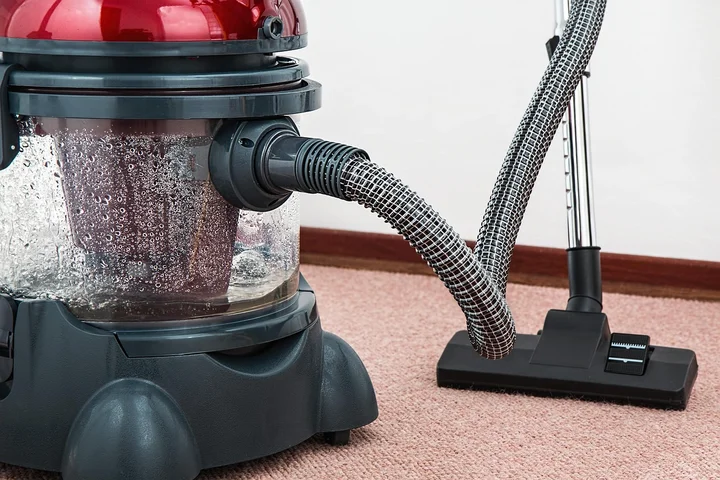
I use my carpet shampooer with only tepid water and the cleaning solution. The machine’s agitation and suction do the work, not scalding heat. For a spot clean, blot with cool water and a mild detergent.
Hard Surfaces & Driveways
Hot water shines here. For a greasy garage floor or driveway stain from Roger’s projects, hot water is a hero. I use a simple degreaser or dish soap and the hottest water from my outdoor hose or pressure washer. The heat helps break up the oil for easy rinsing.
Car Interiors
Treat your car seats and carpets like delicate upholstery. Use cool water and a very mild cleaner. Before you clean a whole seat, test any cleaner on a hidden spot, like under the front edge, to check for colorfastness. This saved me when cleaning mud from Peeta’s paws off my backseat. A cool, damp microfiber cloth is often all you need. If a stain lingers, you’ll want to know how to remove stains from car upholstery. Stay tuned for simple stain-removal tips.
Step-by-Step: How to Actually Treat a Stain with the Right Temperature
Here is your action plan. The right steps make all the difference.
How to Remove Stains with Cold Water
This is my go-to for most mystery stains and anything protein-based. I used this just last week on my son Jason’s white soccer socks after a muddy game.
- Scrape or blot away any solid residue. Use a dull butter knife to scrape or a clean cloth to blot. Don’t rub, as that grinds it in.
- Hold the stain under a cold tap, from the back side. This pushes the stain out the way it came, not deeper into the fabric. I hold the fabric taut with the stain facing down.
- Soak in a basin of cold water for 30 minutes. Add a tablespoon of white vinegar for blood or sweat stains. It loosens everything up.
- Pretreat with a stain remover or detergent. Rub a dab of liquid laundry detergent directly into the stain. Let it sit for 5-10 minutes.
- Wash in cold water. Air dry to check. This last step is non-negotiable. Tumble dryer heat will permanently set any leftover stain. Hang it up instead.
How to Remove Stains with Hot Water
Reserve this for visible grease, oil, or wax. Hot water melts fats so they can be washed away.
- Blot away excess grease. Use paper towels or a cloth to soak up as much as you can. For my dog Peeta’s paw-print grease on the rug, I blot until the paper towel stops looking wet.
- Apply a degreasing agent. I use a drop of blue Dawn dish soap. Its surfactants cut through grease beautifully. For a pre-wash spray, look for one labeled for “grease” or “oil.”
- Agitate with a soft brush. An old toothbrush works perfectly. Gently work the soap into the fibers to create a lather.
- Rinse under the hottest water safe for the fabric. Check the care label first. For cottons and linens, hot is usually fine. Hold the fabric so the suds rinse away from the back.
- Wash in the warmest appropriate cycle. Use your regular detergent. The heat will help suspend the grease molecules so they drain away.
What Helped Me (Pro-Tip): My Aunt Jessica in Arizona loves her wine and her candles. For candle wax on a linen tablecloth, she taught me to scrape off the big chunks, then place several paper towels above and below the wax spot. Iron over the top paper towel with a warm (not hot) iron. The wax melts and is absorbed into the paper. It works like a charm.
When the Water Trick Isn’t Enough: Next Steps
Sometimes, water and detergent just won’t cut it. That’s okay. Stains like ink, red wine, or set-in grease need specialized help. Proper techniques for removing such stains can make a difference.
Your next move is to match the cleaner to the stain type. Think of it like a targeted attack.
- Enzymatic cleaners are for proteins. Use them for blood, egg, dairy, or pet accidents. They use enzymes to “digest” the stain. Let them sit for the full time listed on the bottle.
- Oxidizing agents tackle organic dyes. This includes hydrogen peroxide (3% solution) or a powder like OxiClean. They bleach out the color of the stain. Always spot-test on a hidden seam first, as they can lighten some fabric dyes.
- Solvent-based spotters dissolve oil. Look for dry cleaning fluids or sprays meant for grease, ink, or lipstick. My mother-in-law Brianna swears by a specific brand for getting cooking oil out of aprons.
Post-Treatment Recovery: My rule is simple. Always air dry until you are 100% sure the stain is gone. The dryer’s heat is the final seal you can’t reverse. If a faint shadow remains, retreat the area and wash again. Patience saves clothes.
When NOT to Try This: Don’t experiment on dry-clean only fabrics like silk, wool, or suede. Avoid antique linens and any fabric you suspect might bleed color. If you feel a knot of doubt in your stomach, take it to a professional cleaner. I learned this the hard way with a favorite silk blouse.
FAQ About Using Hot or Cold Water for Common Stains
What’s the best way to get ballpoint pen ink out of a shirt?
First, place a paper towel under the stain, then dab the ink with a cotton ball soaked in rubbing alcohol to dissolve it. Rinse the area thoroughly with cold water from the back of the fabric before washing normally. Marker ink can be more stubborn and might require additional treatments.
How do I treat a fresh chocolate stain on my tablecloth?
Gently scrape off any solid chocolate, then soak the stain in a bowl of cold water for 15 minutes to dissolve sugars and cocoa. After soaking, treat and wash chocolate stains using liquid laundry detergent directly on the stain before washing in cold water.
A mud stain didn’t come out after washing. What now?
For a set-in mud stain, re-wet the area with cold water and apply a paste of baking soda and a few drops of water, gently scrubbing with a soft brush. Rinse thoroughly and wash again, but air-dry to prevent the heat from permanently setting any remaining residue.
I spilled red wine and don’t have club soda. What’s a good alternative?
Immediately cover the stain with a generous pile of table salt or baking soda to absorb as much liquid as possible. Once the powder has darkened, brush it off and then flush the area with plenty of cold water before laundering.
How can I safely test if a fabric can handle hot water treatment?
Always check the garment’s care label first for temperature limits. If you’re unsure, test your cleaning method with hot water on a hidden seam or inside hem to check for color bleeding or fabric damage.
Keeping Your Fabrics Safe with the Right Water
Always reach for cold water first to lift stains without baking them in, a rule that saves everything from Jason’s grass-stained soccer shorts to my aunt Jessica’s wine spills. Hot water is a specialized tool for grease, not a default, so starting cool preserves your fabrics. Next, I’ll break down the science of how water temperature affects stain removal and fabric care. Join me for more practical guides on Stain Wiki, where I break down everyday cleanups from my home to yours.
Written by Suzanne Rosi Beringer. Suzanne is an accomplished chemist, laundry expert and proud mom. She knows the science and chemistry of stains and has personally deal with all kinds of stains such as oil, grease, food and others. She brings her chemistry knowledge and degree expertise to explain and decode the science of stain removal, along with her decades long experience of stain removal. She has tried almost everything and is an expert on professional and DIY stain removal from clothes, fabric, carpet, leather and any other items dearest to you.