How to Remove Motor Oil and Cooking Oil Stains from Your Carpet?
Just found a slick, dark puddle on your floor after a busy day in the kitchen or garage? I know that sinking feeling well from my own home. For a fresh spill, your best move is to immediately blot up the liquid and apply a mix of blue dish soap and warm water.
This article will give you my tested, step-by-step plan to tackle both types of oily messes:
- The critical mistake everyone makes with oil stains (and how to avoid it).
- Why ordinary laundry detergent often fails and what to use instead.
- My go-to method using supplies you already have under the sink.
- How to deal with old, set-in stains that seem hopeless.
I’ve cleaned motor oil from Roger’s work boots and cooking grease from Jessica’s snack time, so I can guide you through this.
First Aid for Any Oil Spill: The Golden Rule
I learned this rule the hard way when Roger tracked fresh motor oil from the garage onto our living room carpet. The moment you see any grease, motor oil, coconut oil, or olive oil hit the floor, your first move is always the same.
Stop the spread immediately by blotting, never rubbing, with a clean, white cloth or a stack of paper towels.
Rubbing is the worst thing you can do. It grinds the oil deep into the carpet fibers and backing, making a small spot into a huge, permanent stain. That’s why you should know how to remove furniture marks stains from carpets effectively. With the right approach, you can lift those marks without spreading the oil or worsening the stain.
You need the right tools ready. I keep a kit under the sink with:
- White cotton cloths (old t-shirts work) so dyes don’t transfer.
- A thick stack of paper towels for quick absorption.
- A dull butter knife for gently scraping up any globs of solid grease or wax.
Let’s talk panic level. I rate a fresh oil spill a solid 6 out of 10. It’s serious, but not hopeless.
Your golden window for easy removal is while the stain is still wet and before it soaks all the way down and dries.
Here is my critical warning. If that grease came from food, like bacon fat or olive oil, do not pour hot water on it.
Hot water will cook any tiny food proteins in the grease, setting them into the fibers like glue. My Aunt Jessica taught me that after a wine and cheese party disaster.
Getting Fresh Motor Oil Out of Carpet Fibers
This is my go-to method for a wet, fresh motor oil stain. It works for cooking oils too. Just last month, Jason knocked over a bottle of olive oil, and this saved our hallway runner.
Follow these steps in order.
Step 1: Dry Absorption with Cornstarch or Baking Soda
Sprinkle a generous amount of plain cornstarch or baking soda right over the stain. Let it sit for 10-15 minutes.
You will see it start to clump and turn a dull gray as it soaks up the oil. This pulls a lot of the slick residue right to the surface.
Vacuum up all the powder completely.
Step 2: Apply a Degreasing Solution
Mix a solution of warm water and a few drops of a concentrated dish soap. I always use Dawn Ultra.
Dawn is my favorite because its surfactants are specifically designed to break up grease without harsh chemicals.
Apply just enough of this soapy water to dampen the stained area. Do not soak the carpet.
Step 3: Agitate Gently and Let It Dwell
Use your fingers or a soft-bristled brush to gently work the soap into the fibers. Do not scrub hard.
Let the soap solution sit on the stain for at least 10 minutes. This dwell time lets the chemistry do its work.
Step 4: The Rinse and Dry Process
This part is non-negotiable. You must rinse all the soap out.
Dampen a clean white cloth with plain, cool water. Blot the area repeatedly, rinsing your cloth often, until no more suds appear.
Leaving soap residue will attract dirt and create a sticky, reappearing stain.
Press dry with towels and let air dry completely. I sometimes point a fan at the spot to speed it up.
The Science of the Stain
Oil and water hate each other. That’s why water alone does nothing. Dish soap contains molecules called surfactants.
One end of the surfactant sticks to the oil. The other end sticks to the water. This lets the soap surround the oil globules and lift them away into the rinse water.
What Helped Me
My best trick is using an old, soft toothbrush.
An old toothbrush lets me gently agitate the soapy solution down into the carpet backing where oil loves to hide.
I used one of Jessica’s toddler toothbrushes for a deep motor oil stain by our back door. It made all the difference.
Attacking Dried and Old Motor Oil Stains
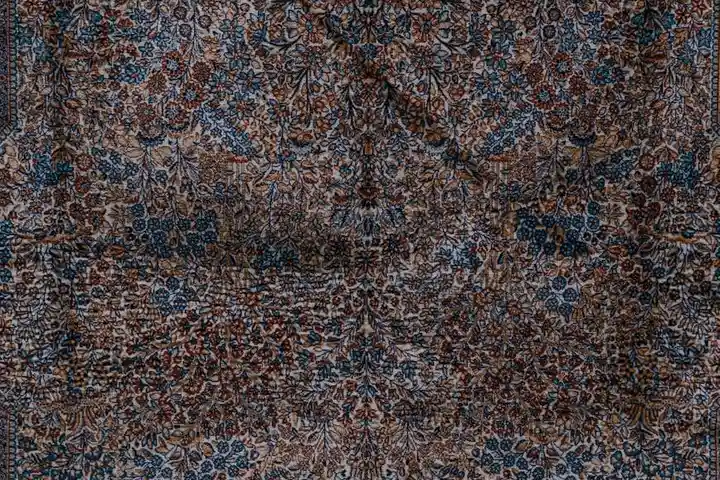
A dried motor oil stain is a tough opponent. It has set deep into the carpet fibers and oxidized, turning from a slick liquid into a hard, dark patch. I found this out when Roger left an oily hunting gear bag on our living room rug for a week.
Old oil bonds to carpet like glue, so you need to break it down before you can lift it out.
Step 1: Re liquify the Grease with a Solvent
Your first job is to soften that hardened grease. I reach for a specific solvent like dry cleaning fluid or a product like Goo Gone. Always, always spot test first before using it on hands or skin.
Dab a tiny amount on a hidden corner of the carpet. Wait 15 minutes to check for color fading or damage. This simple step saved my hallway carpet last year.
Spot testing is non negotiable; it prevents a bigger mess than the one you started with.
Once you are sure it is safe, apply the solvent directly to the stain. Let it sit for 5-10 minutes. You will see the stain become tacky again as the oil loosens. These same steps can be used to remove oil stains from clothing textiles. After treatment, launder the fabric to complete the removal.
Step 2: The Absorption Paste Method
Now, trap that loosened oil. Grab an absorbent powder. Clay based, non clumping cat litter is my favorite for this. Crush it into a fine dust with a rolling pin.
Mix the powder with just enough water to make a thick, spreadable paste. Plaster this paste over the entire treated stain. Baking soda works too for a less abrasive option.
This paste acts like a blotter, drawing the liquefied oil up and out as it dries.
Let it dry completely. This can take a few hours. I often leave it overnight, especially for a stain Peeta tracked in from the garage.
Step 3: Follow Up with a Dish Soap Wash
Once the paste is dry and crusty, vacuum it up thoroughly. You will see a big improvement. Now, finish the job with the same dish soap method used for fresh oil.
Mix one teaspoon of blue Dawn dish soap with one cup of warm water. Blot the area with this solution using a clean white cloth. Then, rinse by blotting with a cloth dipped in plain water.
This final wash removes the last traces of oil and any solvent residue, leaving the carpet clean.
What Household Items Can Be Used for Motor Oil Stains?
You might not have specialty solvents. Here is what I keep in my pantry that works:
- Baking soda or cornstarch: Great for making an absorption paste.
- Blue Dawn dish soap: Your primary degreaser for the final wash.
- White vinegar: Useful for a final rinse to cut any soap film.
- Clay cat litter: An incredibly effective absorbent for heavy grease.
Material Red Flags: Solvents to Avoid
Some solvents are too harsh for certain carpets. Be very careful with synthetic fibers.
- Avoid acetone or nail polish remover on nylon or olefin carpets. They can melt the fibers.
- Never use gasoline, paint thinner, or lighter fluid. They are flammable and can destroy the carpet backing.
- My rule from years of testing: if you would not put it on your skin, think twice before putting it on your carpet.
How to Remove Cooking Oil (Olive, Coconut, Vegetable) from Carpet
Cooking oil spills happen to everyone. My three year old, Jessica, once created a vegetable oil lake under the kitchen table. The good news? Cooking oil is simpler than motor oil.
Plain cooking oils lack the additives and grit of motor oil, so common degreasers work very well.
Handling Fresh Cooking Oil Spills
Speed is your friend. Immediately blot up the liquid with a stack of paper towels. Press down firmly. Do not rub.
Next, use the dish soap method. Mix a drop of blue Dawn in a cup of warm water. Dab it onto the stain, then blot with a clean, damp cloth to rinse. Repeat until the grease is gone—especially effective for grease stains on clothes.
Blotting, not rubbing, is the key to preventing the oil from spreading deeper.
A note on coconut oil: it solidifies when cool. If it hardens, I gently scrape off the waxy excess with a dull knife before I start blotting.
Treating Dried or Greasy Cooking Oil Stains
For a stain that has set, use a dry powder to pull it out. Generously cover the stain with cornstarch or baking soda. Let it sit for at least 30 minutes. Then follow this process to remove set-in stains from fabric and clothing.
For a stubborn stain from last night’s dinner, leave the powder on overnight. Then, vacuum it all up. You might see a faint shadow remain.
Absorbent powders slowly draw the oil to the surface, making it easy to vacuum away.
If a greasy feeling persists, follow with the dish soap wash I described above.
Why Cooking Oil is Simpler to Remove
Cooking oil is basically pure fat. Motor oil contains detergents and stabilizers that make it adhere more strongly. This means your kitchen degreasers are perfectly matched for the job.
I learned this from my mom, Martha. Her simple dish soap trick has saved countless tablecloths and rugs.
What Cleaning Solutions Work Best for Cooking Oil?
The best solutions are degreasers and absorbents. You do not need strong chemicals.
- Liquid dish soap: Especially brands like blue Dawn, designed to cut through grease.
- Dry absorbents: Cornstarch or baking soda to pull oil from deep fibers.
- Vinegar rinse: A mix of one part white vinegar to three parts water helps remove soap residue and odors.
Safe DIY Alternatives
You can handle most cooking oil stains with items already in your home. Here is my trusted list.
- Cornstarch: My go to powder for oil absorption. It is fine and effective.
- Baking soda: Doubles as a deodorizer, great for spills with food odors.
- Blue Dawn dish soap: The champion of home degreasing. I always have a bottle under the sink.
- White vinegar: Perfect for a safe, final rinse to neutralize any lingering smells.
Pro Tips for Stubborn Stains and Final Decisions
You’ve blotted and treated, but a faint discoloration lingers. This is often a stain on the carpet fibers, not grease. For this, I turn to an oxygen-based cleaner.
My garage floor rug knows this routine well from Roger’s projects. A paste of OxiClean and cool water can lift that last bit of color.
Using an Oxygen Cleaner as a Last Resort
These powders are fantastic for organic color transfer. They work by releasing oxygen bubbles that gently lift stains.
Always test this on a hidden corner of your carpet first, as some dyes can react. I mix a thick paste, dab it on the stain, and let it sit for no more than 15 minutes. Different stains require different removal methods.
Then, I follow my most critical step: the final rinse.
The Final Rinse and Dry Protocol
This step prevents “wicking,” where dirt and grease buried in the pad float back up as the carpet dries. It also stops mold.
My method is simple but non-negotiable.
- Dampen a clean white cloth with cool water.
- Blot the entire treated area repeatedly to rinse out any cleaning residue.
- Lay a stack of dry, clean towels over the spot. Stand on them to absorb as much moisture as humanly possible.
I then point a fan at the area for at least 12 hours to ensure it dries completely from the top down. My mom, Martha, taught me this trick decades ago. Skipping it can leave you with a bigger, smellier problem than the original stain.
When Should You Consider Calling a Professional?
We can’t win every battle, and that’s okay. Calling a pro is a smart move, not a defeat.
I recommend it in three main situations:
- The stain covers a very large area. Think a whole quart of oil, not a few drips.
- The rug is an antique, a high-value heirloom, or has a “dry clean only” tag. The wrong move can ruin its value.
- You’ve tried the steps twice and the stain persists. At this point, professional-grade extraction tools are your best bet.
A Note on Other Surfaces
The core principles are the same, but the tactics shift. For clothing or upholstery, you have more control.
You can often lay a shirt flat and pour cornstarch directly on the back of the stain. For my car’s cloth seats, I use the same dish soap method but am even more cautious with water to avoid soaking the foam underneath. The key difference is absorbency; carpets have a thick pad below that holds moisture and grease, while clothing and most upholstery do not, especially car upholstery.
A Final, Reassuring Thought
Sometimes, after all that work, a faint shadow remains on lighter carpets. If you’ve followed the steps, the damaging, sticky grease is gone.
What’s left is often just a subtle change in the fiber’s sheen, not an active stain. I’ve learned to make peace with these little shadows. They are proof of a life lived, a project finished, or a meal enjoyed. The carpet is clean, safe, and ready for the next adventure with Jessica, Jason, or Peeta.
FAQ about Removing Oil Stains from Carpets
I just spilled motor oil. What’s the absolute first thing I should do?
Immediately blot the stain with a clean, white cloth or paper towels to absorb as much liquid as possible. Never rub, as this will grind the oil deeper into the carpet fibers and backing. When dealing with stains on rental carpets, it’s important to handle them carefully to avoid any damage or extra cleaning charges (rental carpet stain removal tips).
What should I try if the blue dish soap method isn’t working on a grease stain?
For a stubborn stain, you likely have soap or oil residue trapped deep in the pad. Ensure you are thoroughly rinsing with clean water, and consider using a dry absorbent powder like cornstarch overnight to pull up the lingering grease.
Is it safe to use a solvent like Goo Gone on any carpet?
No, you must always conduct a spot test on a hidden area first, as solvents can damage dyes or melt synthetic fibers. Check for color transfer or texture changes after 15 minutes before proceeding with the full treatment.
Why is there still a dark shadow on my carpet after the grease is gone?
A remaining shadow is often a change in the carpet fiber’s sheen or a slight dye transfer, not active grease. If the area feels clean and isn’t sticky, the damaging oil has been removed, and an oxygen-based cleaner may help with final discoloration.
When is calling a professional cleaner the most cost-effective choice?
Call a pro if the stain is very large, on a valuable or delicate rug, or if your own diligent efforts have failed twice. Their industrial-grade extraction tools can solve deep-set problems that household methods can’t reach, saving you time and potential frustration. Especially for outdoor or specialty rugs, professional treatment can be a worthwhile investment.
Smart Habits for Oil-Free Carpets
Your best defense is to blot a fresh spill with an absorbent powder like cornstarch immediately, before it sets. I share more practical, family-tested tips like this on Stain Wiki, where we tackle real messes from my crew-Jason’s soccer gear to Roger’s hunting kit.
Written by Suzanne Rosi Beringer. Suzanne is an accomplished chemist, laundry expert and proud mom. She knows the science and chemistry of stains and has personally deal with all kinds of stains such as oil, grease, food and others. She brings her chemistry knowledge and degree expertise to explain and decode the science of stain removal, along with her decades long experience of stain removal. She has tried almost everything and is an expert on professional and DIY stain removal from clothes, fabric, carpet, leather and any other items dearest to you.