How Do You Remove Furniture Marks and Stains from Carpets?
Finding a dull dent or a strange stain after moving your couch can ruin your day. The good news is, you can fix most furniture marks with items already in your kitchen, like ice cubes or a steam iron.
In this article, I’ll share my tested methods for:
- Identifying what kind of mark you’re dealing with-is it a crush or a stain?
- Lifting carpet fibers safely with simple tools like a fork or a damp cloth.
- Treating common stains from wood, plastic, or rust without harsh chemicals.
- Preventing future marks with easy habits and protective pads.
I’ve handled these exact issues for years, from fixing dents left by my son Jason’s gaming chair to cleaning my aunt Jessica’s red wine spill on my beige rug.
First, Don’t Panic: Identifying Your Carpet’s Enemy
Take a breath. The first step is to figure out what you’re fighting. I look at it like a panic-level assessment.
Dents are low urgency. Stains are higher. For a true stain, you have a “Golden Window” of a few hours to a day before it can become a permanent resident.
Furniture leaves a calling card in a few distinct ways.
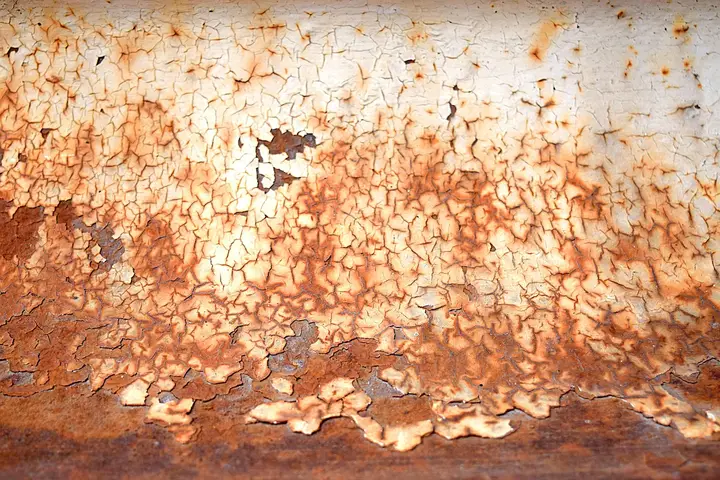
You get simple crushed pile from heavy legs. You get those ugly orange-brown rust rings from unprotected metal.
You find dark, greasy smears from rubber pads or finishes. You might even see a slight, melted burn from a hot pot someone set down.
Material Red Flags: Wool and delicate synthetics like some berbers need a gentle touch. Always check the carpet backing in a hidden closet corner first, especially when comparing wool to synthetic fibers.
Douse a tiny spot with your planned cleaning solution. Blot it dry and check for color bleed or texture change an hour later.
What types of carpet stains are caused by furniture? Let’s categorize them by what you see.
- Color-Transfer Stains: Dull brown or black marks from rubber, dyed wood, or old plastic.
- Oxidation Stains: Rusty rings from iron or steel furniture feet.
- Greasy Residue Stains: Dark spots from furniture polish, oils, or some wood finishes.
- Physical Damage: Melted fibers from heat or severely crushed pile that won’t spring back.
Is It a Dent, a Stain, or a Nasty Combo?
Get on your hands and knees. Look close, maybe with a flashlight.
Run your fingers over the spot. A dent is just a physical impression. The fibers are bent, but the color is mostly the same.
A stain changes the fiber’s color. You might feel a tacky residue if it’s from polish or oil.
Often, it’s a combo: a dent that collected dirt and oil over time, making it look stained.
Check the furniture leg. Is there a felt pad missing? Is there a sticky, gummy residue? That gunk transfers to your carpet and acts like a magnet for dirt.
The Science of the Stain: A Quick Chemistry Corner
Stains are just unwanted chemical bonds. Knowing the type tells you how to break them.
Oily stains (polish, grease) repel water. You need a surfactant, like dish soap, to break the oil into tiny droplets water can rinse away. Surfactants also act as emulsifiers, helping oil mix with water. That is how emulsifiers remove grease stains.
Tannic stains (from some woods) are plant-based. They often respond to gentle acidic solutions.
Metallic oxide stains (rust) are a chemical reaction. This issue is common on metal surfaces exposed to moisture. You need an acid, like white vinegar or lemon juice, to dissolve the oxide.
This is why a one-size-fits-all cleaner often fails: you’re using the wrong tool for the chemical job.
Lifting Those Lazy Dents: How to Erase Furniture Impressions
How do you remove furniture indentations? Start simple. My husband Roger is always moving his heavy gun safe around the basement.
The deep dents it leaves used to drive me nuts. Now I have a system. Can you use ice to remove furniture dents? Absolutely, and it’s my first move.
For fresh dents, the ice cube trick is shockingly effective and my go-to for how do you get furniture impressions out of carpet.
How deep are furniture dents? It depends on weight and pile. A sofa leg on plush carpet can crush fibers over an inch deep.
Old, set-in impressions need more persuasion, but they’re rarely hopeless.
The Simple Ice Cube Trick (My Favorite for Fresh Dents)
I keep a tray of cubes in the freezer just for this. Here’s how you do it.
- Place 1-2 ice cubes directly in the center of the dent.
- Let them melt completely. This takes a few hours. Go fold laundry.
- Blot the area with a clean, dry towel to soak up most of the water.
- Use the edge of a spoon or a fork to gently lift and fluff the damp carpet fibers.
Why it works: The fibers absorb the water and swell, helping them return to their original shape. Let the area air dry completely, then vacuum to restore the pile.
Using Steam or Heat for Stubborn Indentations
For dents that laugh at ice, I bring in heat. My garment steamer is perfect for this.
Hold the steamer head a few inches above the dent. Move it slowly to let the hot, moist air penetrate the fibers.
Immediately use your spoon or a stiff brush to lift the pile. You can use an iron, but you must use a cloth barrier.
Set the iron to a medium-low, no-steam setting. Place a thin, damp white cloth over the dent. Press the iron onto the cloth for just 3-5 seconds. Check the carpet fibers constantly to avoid melting.
Is steam cleaning effective for removing furniture stains from carpets? For dents, the moisture helps. For stains, a full steam cleaner extracts the stain, which is a different process compared to chemical cleaning methods.
What to Do With Deep, Old Furniture Impressions
What is the best method for removing deep furniture marks from carpet? Combine forces.
I treat a deep, old dent like a project. I start with the ice cube method.
After fluffing, I might follow up with a shot of steam to relax the fibers further. For the most stubborn cases, I use a trick from my mom, Martha.
Dampen the area slightly with a spray bottle of water. Lay a clean white towel over it. Place a heavy book or pot on the towel, right over the dent. Leave it for a day.
The combination of moisture, heat, and gentle, prolonged pressure can coax even old fibers back to life. Finish with a vacuum using the brush attachment to give it a final fluff.
Banishing Ugly Stains: From Rust Rings to Burn Marks

You just moved the couch and there it is. A perfect, ugly ring on your carpet. I get it. My heart sinks every time I find a new one, usually courtesy of a forgotten plant pot or a metal chair leg.
First, don’t panic. Grab a clean white cloth and some cool water for an on-the-go emergency fix.
Blot the mark gently. This can lift a fresh, surface-level stain before it sets. It won’t fix rust or a burn, but it’s your best first move.
Your Household Stain-Fighting Kit: What Really Works
You don’t need a closet full of specialty cleaners. Your kitchen has most of what you need.
- White Vinegar: This mild acid is my go-to for rust and mineral deposits. It gently breaks them down.
- Dish Soap: Use the clear, mild kind. It cuts through oily residues left by some furniture finishes.
- Baking Soda: Great for scrubbing scuffs and absorbing odors. It’s a gentle abrasive.
- Hydrogen Peroxide (3%): A careful bleach alternative. Always test it on a hidden corner of your carpet first, as it can lighten colors.
What household products remove furniture stains from carpets? Specific recipes work best.
For general grime, I mix a teaspoon of clear dish soap in two cups of warm water. For rust, I use straight white vinegar.
My aunt Jessica in Arizona has a great trick for wine spills on her light rug. She blends a tablespoon of dish soap with two tablespoons of hydrogen peroxide and a sprinkle of baking soda. She dabs it on, lets it fizz for ten minutes, then blots. It works because the peroxide tackles the color while the soap lifts the sugar.
Step-by-Step: Conquering Rust and Dark Metal Stains
That reddish-brown ring is a classic sign of rust. Here is how to tackle it.
- Soak a clean cloth in white vinegar. Wring it out so it’s damp, not dripping.
- Lay the cloth over the rust stain. Let it sit for 10-15 minutes. The acid needs time to work.
- Lift the cloth and blot the area vigorously with a dry, clean towel. You should see the rust transferring.
- Rinse the spot by blotting with a cloth dampened with plain water. This stops the vinegar from attracting dirt later.
- Blot dry. Repeat if needed.
How do you remove dark stains from metal furniture feet from carpet? Often, these are just scuffs, not true stains. For rental properties, quick, non-damaging methods work best. There are simple rental carpet stain removal tips that can lift those scuffs near the feet without harming the fibers.
Make a thick paste of baking soda and a little water. Gently rub it into the stain with your finger or a soft cloth, then vacuum it up once dry.
The paste acts like a very fine eraser. This trick saved the carpet in my son Jason’s room after he dragged his metal bed frame.
Dealing With Set-In Stains and Scorched Fibers
Old, set-in stains need patience. How do you clean old, set-in furniture stains from carpet?
I apply my dish soap solution, let it soak for 20 minutes, then blot. I might do this three times over an hour. For tougher cases, an oxygen-based bleach like OxiClean dissolved in water can help lift the stain without harsh chemicals. If you’re dealing with suede, this approach may be too harsh—suede requires gentler, water-light care. For suede-specific stain removal, gentle techniques are recommended.
Now, for the tough one. How do I get burn marks out of carpet? I need to be honest.
If the fibers are only lightly scorched and discolored, you can sometimes trim the burnt tips carefully with small scissors. If the burn is deep, the carpet backing is melted, or there’s a hole, professional repair is your only real option. I learned this after a mishap with a fallen candle.
Post-Treatment Recovery: The Crucial Drying Phase
Your work isn’t done when the stain is gone. A wet carpet pad can lead to mildew.
Blot the area with dry towels until no more moisture transfers. Then, let it air dry completely.
Keep the room ventilated. I sometimes point a fan at the spot. Avoid direct sunlight, which can fade the treated area. How do you know it’s ready? The carpet should feel completely cool and dry to the touch, not just on the surface.
Smart Moves: Preventing Future Marks and Stains
How do you prevent furniture from leaving marks on carpets? You stop the problem before it starts. It’s easier than removing a stain.
Different carpets need different tactics. Use this as a quick guide.
| Carpet Type | Protection Tip |
|---|---|
| Plush, High-Pile | Use wide, non-slip felt pads. They distribute weight and prevent deep crushing. |
| Low-Pile, Berber | Thin plastic or felt glides work. Avoid anything too thick that might cause tripping. |
| All Types | Always use a coaster or tray under plant pots to catch condensation and soil. |
Protective Measures That Actually Work
My number one rule? Felt pads on every single furniture leg. Replace them when they get dirty or thin.
Rotate your furniture seasonally. This gives crushed carpet fibers time to bounce back. I move our living room chairs every spring and fall.
My mom, Martha, taught me a brilliant temporary trick: slide a small piece of heavy-duty aluminum foil under heavy legs when you’re rearranging.
It glides smoothly and protects the carpet from scuffs. For area rugs, invest in a good, dense rug pad. It cushions the rug and your carpet underneath.
Long-Term Carpet Care for a Mark-Free Home
Vacuum high-traffic areas at least twice a week. This keeps grit from grinding into the fibers and causing wear patterns.
Blot spills immediately. Never rub. Keep a clean towel and a spray bottle of water mixed with a drop of dish soap handy for quick reactions.
Consider a professional deep clean every 12-18 months. This maintains the carpet’s health and resilience. Prevention isn’t about one big action. It’s about these small, smart habits.
FAQ about Removing Furniture Marks and Stains
How do you prevent furniture from leaving marks on carpets?
Use high-quality felt or plastic pads on every leg and replace them when they get dirty. Rotating your furniture seasonally gives crushed fibers time to recover and prevents permanent wear patterns.
What household products are safest for testing on a stain?
Always test your cleaning solution on a hidden corner first. Use a clean white cloth with diluted clear dish soap or plain water for the safest initial test to check for color bleed or texture damage.
How do you clean an old, set-in furniture stain that won’t budge?
Apply a diluted dish soap solution and let it soak for 20 minutes, repeating the process several times with blotting. For persistent color, a paste of oxygen-based bleach (like OxiClean) and water can help lift it without harsh chemicals.
Is a home steam cleaner effective for furniture stains, or just for dents?
A steam cleaner is excellent for extracting dissolved stain residue from carpets after pretreatment. For dents, the moisture helps, but the cleaning power comes from extracting the stain, not just applying steam. Steam can be gentler on fibers, but chemical cleaners sometimes deliver stronger stain removal on set-in spots. For tougher stains, using a combined approach may balance safety and effectiveness.
What should I do first for a mark that’s both a dent and a stain?
Always treat the stain component first, using the appropriate cleaner for its type (e.g., vinegar for rust). Once the stain is gone and the area is dry, then address the physical dent using the ice cube or steam method.
Smart Habits for a Mark-Free Carpet
The most important step is to tackle furniture dents and spills immediately with a gentle, tested method, like using an ice cube to lift the pile or blotting a stain with cold water. Rushing or scrubbing can grind in dirt and crush fibers, creating a much bigger problem. I share all my family-tested tricks, like how I fixed the dent from Roger’s favorite chair after his hunting season cleanup, right here on the Stain Wiki blog-follow along for more.
Written by Suzanne Rosi Beringer. Suzanne is an accomplished chemist, laundry expert and proud mom. She knows the science and chemistry of stains and has personally deal with all kinds of stains such as oil, grease, food and others. She brings her chemistry knowledge and degree expertise to explain and decode the science of stain removal, along with her decades long experience of stain removal. She has tried almost everything and is an expert on professional and DIY stain removal from clothes, fabric, carpet, leather and any other items dearest to you.