How to Remove Gum and Candy from Carpets and Rugs Without the Stress
Just discovered a wad of gum or a melted candy bar ground into your rug? I’ve been there with Jason and Jessica’s messes. For gum, reach for an ice cube to freeze it solid, then gently scrape it away.
In this article, I’ll show you my proven methods for a full cleanup. You’ll learn:
- The ice trick to lift gum without a trace
- How to dissolve sticky candy residues safely
- My favorite homemade cleaning solution for any rug
- What to avoid so you don’t damage the fibers
- A quick tip for fresh spills before they set
I’ve handled countless sticky situations from my family’s adventures, giving me real-world expertise you can trust.
Your First Response: Assess the Stain and Act Fast
Seeing gum or candy mashed into your rug is a real “oh no” moment. I’ve had plenty, usually from my kids or their friends.
Your first move decides the battle. Take a breath and look at the mess.
Panic-Level: How Urgent Is This?
Let’s rate the scare factor. Fresh chewing gum on the carpet is a 5 out of 10.
If it’s been ground in, like when my son Jason’s soccer buddy Edward tracked it in, that jumps to a 7.
For candy, a piece of hard candy is only a 3. But chocolate or a sticky gummy? That’s an 8.
The golden window is simple: gum is easiest when hardened by cold, and candy must be treated before its sugars dry and set permanently.
Critical Warnings: What to Avoid at All Costs
I learned some of these lessons the hard way. Never, ever apply heat to gum.
A hair dryer, hot water, or steam will melt it deeper into the carpet fibers, making a bigger mess.
Avoid harsh solvents like acetone or nail polish remover on synthetic carpets.
- They can dissolve the fibers or the glue holding the carpet together.
- Delicate materials like silk area rugs, acetate blends, or some outdoor carpets are especially at risk.
Always check your rug’s care label and test any method in a hidden corner first.
On-the-Go Emergency Fix (Restaurant or Office)
You’re not home with all your tools. Don’t worry, you can still act.
- For gum: Use an ice cube from your drink. Press it directly on the gum for a minute or two to harden it, then gently pry it off with a credit card edge or a spoon.
- For candy: Blot up any wet residue with a damp paper towel or napkin. If it’s sticky, sprinkle a little salt from a shaker to absorb the moisture and slow the staining.
This quick action buys you time to do a proper clean-up later.
Step-by-Step Methods to Remove Gum and Candy
How Do You Get Chewing Gum Out of Carpet?
This is the exact process I use at home. It works for fresh gum and old, dried gum.
- Freeze It: Grab a zip-top bag and fill it with ice cubes. Hold the bag firmly on the gum spot for 3 to 5 minutes. You want the gum to get rock-hard and brittle.
- Scrape It Off: Use a dull butter knife, a spoon, or a plastic scraper. Gently chip away at the frozen gum, working from the outer edges toward the center. This is how you get old gum out of carpet without pushing it deeper.
- Address Residue: If a greasy shadow remains, try the peanut butter method. Smear a small amount of creamy peanut butter onto the spot. Let it sit for 10 minutes so the oils can break down the gum, then blot it up with a clean cloth. Keep pets away if you use this!
Freezing is the most effective first step for how to get bubble gum out of carpet safely.
What Household Items Can Remove Gum?
You likely have a solution in your kitchen right now. Here’s how they compare.
- Ice: The champion. It’s reliable, free, and doesn’t risk staining.
- Creamy Peanut Butter: Great for stubborn polymer breakdown, but can leave an oily mark that needs another wash.
- Vegetable Oil: Works like peanut butter without the peanut scent. Good for a quick fix.
- White Vinegar: A mild acid that can help dissolve the last bits of sticky residue after scraping.
Is ice effective for gum removal? Yes, it’s my number one recommendation every time.
How Do You Get Candy Out of a Rug?
Candy comes in many forms, so your approach should too. Here’s my breakdown.
For a hard candy like a jolly rancher, use the cold method. Freeze it with an ice pack, then carefully break it apart and vacuum up the pieces.
For sticky candy like gummies or taffy, mix a teaspoon of clear dish soap with a cup of warm water. Dab this solution onto the stain, let it sit for five minutes, then blot it dry. If the candy stain is on delicate material, such as leather or suede, treat it carefully to avoid damage.
How do I scrape off dried candy? First, lay a damp cloth over it for a few minutes to soften it. Then, use a blunt knife to gently lift the candy from the fibers.
Can vinegar remove candy stains? Absolutely. For pure sugar stains, a 50/50 mix of white vinegar and water helps break down the crystals without harsh chemicals. It’s often more effective than baking soda.
What Household Items Can Remove Candy?
Match the candy type to the right tool from your pantry.
| Candy Type | Best Household Item | Key Action |
|---|---|---|
| Chocolate | Liquid Dish Soap | Blot with soapy water to cut through the cocoa fats. |
| Hard Candy | Ice & Vacuum | Freeze to make brittle, then vacuum. |
| Gummies/Sticky | Vinegar & Dish Soap | Use a mix to tackle both sugar and oil. |
Acting quickly with the right household item prevents a small spill from becoming a permanent eyesore.
The Science of the Stain: Chemistry Corner
Knowing why a method works makes you a more confident cleaner. Let’s break it down.
Chewing gum is a synthetic polymer. Cold temperatures make the polymer chains rigid and brittle, so they shatter instead of stretch.
Oils in peanut butter or vegetable oil are solvents that can penetrate and dissolve those polymer bonds, loosening the gum’s grip.
Candy stains are usually water-soluble sugars or oily fats. Dish soap contains surfactants that surround and lift away oily molecules.
Vinegar helps with sugar residues because its mild acidity breaks down the crystalline structure, making it easier to blot away.
Safe DIY Alternatives from Your Pantry
You don’t need a cabinet full of specialty cleaners. My mom Martha and aunt Jessica swear by these simple swaps.
- For Gum: Creamy peanut butter is a classic. Apply, wait, and wipe. Just be sure to do a spot test first, especially on colored carpets.
- For Candy Stains: Mix one part white vinegar with two parts water and a drop of dish soap. Dab it on, let it work for a few minutes, then rinse with a cloth dampened with cold water.
- For Oily Residue: Sprinkle cornstarch or baking soda on the area. Let it sit for 15 minutes to absorb grease, then vacuum it up thoroughly.
These pantry staples are effective, non-toxic, and gentle on most carpets and rugs.
Aftercare and Surface-Specific Guidance

You got the sticky stuff up. Great work. Now, let’s make sure your carpet recovers completely and doesn’t hold a grudge.
Post-Treatment Recovery: Drying and Final Checks
After any cleaning, especially with moisture, how you dry matters just as much as how you clean.
Blot the area aggressively with clean, dry, white towels. Press down hard and lift. Keep swapping to a dry section of the towel until no more moisture transfers.
I always set up a small fan to blow air across the spot. Good airflow is your best friend. Keep the area out of direct sunlight, which can bleach fibers and set any lingering residue.
Before you call it done, do a final check once the area is fully dry to the touch.
Run your fingers over the fibers. Feel for any leftover tackiness or stiffness. Look at it under a bright lamp or flashlight from different angles. Check for a dull shadow or discoloration.
My rule is simple: no one walks on it and no heat (like from a hairdryer) goes near it until it’s bone dry. Heat can bake in anything you missed.
Surface Compatibility Chart: Carpets, Cars, and More
Not all floors are created equal. Here’s how to adjust your approach.
| Surface Type | Key Consideration | Adaptation Tip |
|---|---|---|
| Car Carpet | Limited ventilation, sensitive backing glue, tight space. | Use minimal moisture. The ice method is perfect here. For cleaning solutions, apply with a cloth, don’t pour. Air out the car after. |
| Synthetic Outdoor Rug | More durable fiber, but glue can weaken when wet. | You can be more robust with scrubbing. Still, avoid soaking the backing. Hose it down outside after treatment for a full rinse. |
| Wool or Delicate Area Rug | Fibers can felt or shrink, dyes may bleed. | Always test ice or any solution on a hidden corner first. Blot, never scrub. Consider calling a professional for valuable rugs. |
Getting gum out of car carpet is a common headache. I use a ice pack wrapped in a thin plastic bag. It fits into footwells easily. Work slowly with a dull knife to pry up the frozen gum bits, and have a vacuum handy to suck them up immediately.
What Helped Me: A Pro-Tip from the Editor
My daughter Jessica once dropped a huge wad of blue bubble gum on our living room rug. Panic? A little.
I grabbed a sealed bag of frozen peas from the freezer. The bag conformed to the rug’s bumpy texture perfectly, freezing the gum solid against the fibers in about 15 minutes.
Then, I used a fine-tooth comb to gently lift and break the now-brittle gum into chunks. It popped right out. The peas went back in the freezer (for icing bumps, not for eating, obviously).
For sticky, melted candy residue that isn’t gum, I keep an old soft-bristle toothbrush dedicated to cleaning. A dip in warm water with a drop of clear dish soap lets me gently “comb” the gunk from individual carpet fibers. It works wonders, especially compared to removing glue or other stubborn adhesives which usually require more aggressive treatments.
Prevention and Smart Product Choices
An ounce of prevention is worth an hour of scraping gum. Here’s how to avoid the problem altogether and what to keep in your arsenal.
How to Prevent Gum and Candy Stains
We have a simple house rule: no chewing gum in the carpeted rooms. It’s not a popular rule with Jason, but it works.
Keep candy in bowls on tables or in the kitchen. For movie nights, I put down an old, washable blanket if we’re having sticky snacks on the couch.
The moment a spill happens, grab a dry cloth and blot. Don’t rub. Just soak up what you can immediately. This reduces the “Golden Window” pressure and makes any follow-up cleaning ten times easier.
Recommended Products for Your Toolkit
You don’t need a closet full of potions. A few strategic categories cover most sticky disasters.
- A Commercial Gum & Adhesive Remover: These are formulated to dissolve sticky polymers without hurting fibers. Look for a non-toxic, biodegradable option. I keep one in the laundry room and a small spray bottle in the car.
- Oxygen-Based Stain Remover Powder: This is my go-to for candy dye stains after the sticky mass is gone. It’s gentle, color-safe, and works on organic stains. I mix it with warm water as a post-gum treatment soak for the spot.
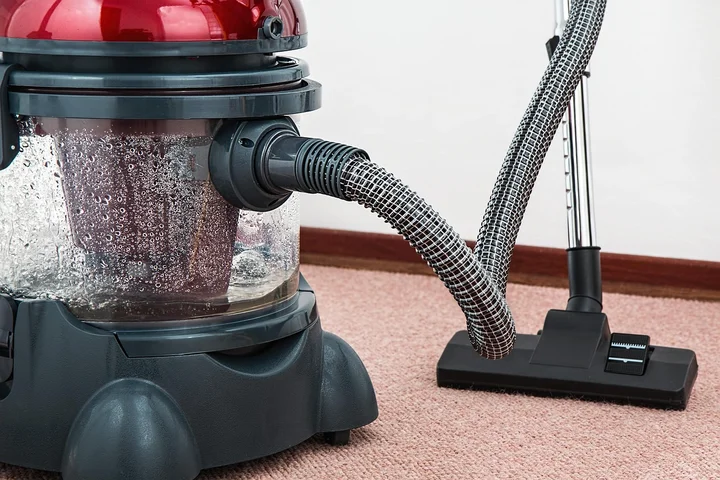
- A Portable Carpet Extractor or Wet/Dry Vac: This is for deep cleaning after any major incident. It rinses and sucks out the cleaning solution, speeding up drying and preventing residue. I use mine on house carpets and in our car.
For any product, I always look for pH-neutral, non-toxic formulas. With kids like Jessica and a dog like Peeta who loves to nap on the rug, safety is my first filter. Beyond safety, I also consider how pH balance supports carpet fiber health and longevity. Healthy carpet fibers stay stronger and colors stay truer when the pH balance is right.
FAQ About Removing Gum and Candy from Carpets and Rugs
What’s the absolute fastest way to deal with fresh gum before it sets?
Immediately reach for an ice cube. Hold it directly on the gum for 60 seconds to harden it, then use a dull knife edge to pop the bulk off. This quick freeze prevents it from being ground deeper into the fibers.
Can I use cooking spray or oil instead of peanut butter for gum residue?
Yes, a light vegetable or canola oil works similarly to break down leftover sticky polymers. This technique also applies to oil grease stain removal on clothes. Apply a small amount, let it sit for 10 minutes, then blot thoroughly with a dish soap and water solution to prevent a new oily stain.
My kid ground a lollipop into the rug. What’s the safest first step?
First, carefully pick off any large, solid pieces by hand. For the sticky, sugary patch that remains, dampen a cloth with warm water and gently blot-do not scrub-to dissolve and lift the sugar before it dries into a hard spot. Be especially cautious when removing residues from delicate surfaces, such as electronic cases, to avoid any damage.
I removed the gum but left a greasy spot. Now what?
Sprinkle baking soda or cornstarch over the area to absorb the oil. After 15 minutes, vacuum it up, then dab the spot with a mix of dish soap and water, rinsing with a clean, damp cloth and blotting dry. This method is effective for removing both motor oil and cooking oil stains.
Are store-bought adhesive removers safe for all carpets?
Not always. Always check the label for synthetic fiber compatibility and test any product in a hidden area first. To remove wool stains safely, stick to gentle, fiber-friendly methods. For delicate wools or antique rugs, a professional cleaner is the safer choice to avoid damage.
Smart Moves After a Sticky Situation
Always freeze gum with an ice pack before gently lifting it out; rushing to scrape can push it deeper and damage fibers. For candy, blot immediately with a cool, damp cloth to lift sugar before it sets into a sticky ring. I share more home-tested strategies like these on Stain Wiki, where we handle real spills from my family-like Jason’s gum disasters or Jessica’s candy experiments-so you can keep your carpets clean with confidence.
Written by Suzanne Rosi Beringer. Suzanne is an accomplished chemist, laundry expert and proud mom. She knows the science and chemistry of stains and has personally deal with all kinds of stains such as oil, grease, food and others. She brings her chemistry knowledge and degree expertise to explain and decode the science of stain removal, along with her decades long experience of stain removal. She has tried almost everything and is an expert on professional and DIY stain removal from clothes, fabric, carpet, leather and any other items dearest to you.