How to Remove Tree Sap from Clothes, Hair, and Carpets for Good
That tacky, clear blob on your sleeve after brushing against a pine tree is instantly recognizable and annoying. For a quick fix, dab some rubbing alcohol or hand sanitizer onto the sap-it will dissolve the resin so you can lift it right off.
This article gives you my proven methods for every sap situation. You’ll learn:
- The best household products to break down sap on different fabrics.
- How to get sap out of hair gently, without resorting to scissors.
- A carpet-cleaning routine that lifts the sap and prevents a greasy ring.
- Smart ways to pre-treat items before they even go in the wash.
I’ve tested these techniques for years on everything from my son Jason’s soccer jerseys to our lab Peeta’s paws.
Tree Sap Stains: Your Panic Level and Why It Sticks
My husband Roger came in from trimming the pine trees last fall with a shiny, amber-colored blob on the elbow of his good hunting jacket. I sighed. Peeta, our golden lab, is another culprit; he loves to squeeze under the low branches and comes back with sticky clumps in his fur. The first time it happened, I panicked. Now, I know better.
On our household panic scale, I rate a fresh tree sap stain a 6 out of 10. It’s not a hopeless, permanent disaster like some dyes, but it is a stubborn, sticky problem that gets worse if you ignore it.
The good news is you have a “Golden Window” of a few hours before the sap fully hardens and bonds with fabric fibers, making removal much harder.
Acting fast is your biggest advantage.
Panic-Level Assessment: The Sticky Countdown
That fresh sap is a soft, tacky blob you can often peel off in one piece. If you catch it then, you’re in great shape. Let it sit, and it transforms into a hardened, crystallized patch that grips threads and hair like superglue.
The urgency is real because dried sap requires more chemical intervention and scrubbing, which can risk damaging delicate fabrics.
You want to tackle it while it’s still that pliable, gooey mess.
Chemistry Corner: What Makes Sap So Stubborn?
Tree sap isn’t just water. Think of it as the tree’s natural glue. It’s a complex mix of plant-based oils and sticky resins called terpenes. This oily, resinous combo is what makes it adhere so fiercely.
To break it down, you need solvents that cut through oil, which is why common household items like rubbing alcohol, hand sanitizer, or even cooking oil are so effective.
Using alcohol on sap is like using dish soap on melted butter. The soap breaks down the fat, and the alcohol breaks down the sap’s oily resins, turning them into a liquid you can wipe away.
You’ll find this sticky mess on everything from cotton t-shirts and polyester jackets to hair, living room carpets, and car seat upholstery. The removal principle is the same for all, whether it’s polyester clothing or upholstery.
First Response: What to Do the Moment You Get Sap On You
Your goal is to contain the mess and remove as much bulk sap as possible without making it worse. Rubbing is the enemy here.
The universal first step is to gently scrape off the excess sap with a dull edge, like a butter knife or the back of a spoon.
My mom Martha taught me a great trick for delicate fabrics: use the stiff edge of an old credit card or library card. It gets under the blob without risking tears.
Once you’ve scraped, isolate the stained item. Don’t let it touch other clothes in the hamper, or you’ll just spread the sticky problem.
Your Immediate Action Kit
Before you start any cleaning treatment, gather a few simple tools. Being prepared keeps you from frantic searching.
- A dull knife, spoon, or credit card for scraping.
- White paper towels or clean, colorless cloths for blotting.
- Cotton swabs for applying solvent to precise spots.
- Your chosen solvent (rubbing alcohol is my first pick).
Remember the golden rule: blot, don’t rub. Press your cloth down onto the treated stain to lift the dissolved sap away. Rubbing grinds it deeper into the weave.
Always, always test your cleaning solvent on a hidden seam or spot first to check for colorfastness. A quick test saves you from a bigger stain.
The “On-the-Go” Emergency Fix (Park, Playground, or Hike)
You’re at the soccer field, and Jason gets pine sap on his jersey. No rubbing alcohol in sight. Don’t worry. Look in your bag or pocket for a makeshift solvent.
Hand sanitizer (which is mainly alcohol) is a perfect emergency sap remover. Sunscreen or a leftover butter packet from lunch works too, as their oils can break the sap’s grip.
Here’s what to do right there on the bench:
- Scrape off what you can with your fingernail or a stick.
- Apply a small dab of hand sanitizer, sunscreen, or butter directly to the sap.
- Let it sit for 30 seconds to break down the resins.
- Blot vigorously with a napkin or tissue, reapplying your solvent as needed.
This won’t make the stain vanish completely, but it will remove the bulk of the sticky mess. It prevents the sap from setting solid during the trip home, where you can give the fabric a proper wash.
Step-by-Step: Removing Tree Sap from Clothing and Fabrics

That sticky, clear blob turns into a dark, tacky mess fast. Whether you’re wondering how to remove tree sap from clothing after a hike or how do you get pine sap out of clothes from a backyard adventure, the approach is the same. You need something to cut through the resin without hurting the fabric.
The Guaranteed Method: Rubbing Alcohol and Patience
Isopropyl alcohol (rubbing alcohol) is my go-to. It works because it dissolves the oily resin in sap on contact. For most cotton, polyester, and denim, it’s perfect.
Here is how to get tree sap out of clothes with alcohol:
- Scrape Gently: Use a dull knife or the edge of a credit card to lift off any big, globby bits. Be careful not to grind it in.
- Apply Alcohol: Turn the fabric inside out. Dampen a clean white cloth or cotton ball with rubbing alcohol. Place the stained area over a folded towel. Blot the sap from the backside. This pushes the dissolved gunk out onto your towel, not deeper into the fibers.
- Blot and Repeat: You will see the sap transfer onto your cloth. Keep moving to a clean part of the cloth and re-applying alcohol until no more transfers. This takes patience. Don’t rub.
- Launder: Once the sticky feeling is gone, wash the garment as usual with your regular detergent in the warmest water safe for the fabric. This washes away the last traces of alcohol and sap.
This blotting-from-the-back method is the professional secret to lifting stains without spreading them.
Safe DIY Alternatives from Your Pantry
Out of rubbing alcohol? For sturdy fabrics like jeans or work jackets, you have options. These use common kitchen items to break down the sap.
- Peanut Butter or Mayonnaise: The oils in these can dissolve sap. Smear a generous amount on the stain, let it sit for 30 minutes, then wipe away with a paper towel. You will need to pre-treat the oily residue with dish soap before washing.
- Freezing: For a fresh, hard blob, try freezing it. Put the garment in a plastic bag and freeze it for an hour. The sap will become brittle. Gently flex the fabric or use that dull knife to chip it off. You might still need alcohol for any leftover residue.
I keep a cheap jar of peanut butter in the laundry room just for this. It saved Roger’s hunting jacket last fall. Remember, these pantry hacks are best for durable cottons and poly blends, not delicate silks or wools.
Post-Treatment Recovery: The All-Important Dry Check
Your job isn’t done after the washer stops. Heat from a dryer will permanently set any leftover sap.
After washing, air-dry the item completely. Hold it up to the light. Look for any shadowy ring or feel for a slight stiff spot.
If you see or feel anything, repeat the alcohol treatment. Only use the dryer when the fabric looks and feels perfectly clean and residue-free.
Material Red Flags: When to Call a Pro
Rubbing alcohol is a powerful solvent. It can damage or dissolve certain delicate fibers. Stop and call a professional cleaner if you see these labels or fabrics:
- Acetate (common in linings and formal wear)
- Rayon or Viscose
- Silk or Wool
- Garments with a “Dry Clean Only” label
- Suede, leather, or antique textiles
It’s cheaper to pay for professional cleaning than to replace a ruined heirloom tablecloth or a favorite blouse.
What Helped Me: The Toothbrush Trick
Jason came home from soccer with a line of pine sap right along the seam of his white t-shirt. The stitching was trapping it. My cloth wasn’t getting into the crevices.
I grabbed a soft-bristled toothbrush, dipped just the tips in rubbing alcohol, and gently agitated the stained seam. I worked from the outside of the stain toward the center to prevent spreading. This method is especially effective when removing stains from suede.
That gentle agitation with a soft tool made all the difference for textured areas like seams, embroidery, or corduroy ribs.
Untangling Sap from Hair (and Pet Fur)
Finding sap in hair is a special kind of frustration. The same question applies whether it’s for you or your dog: how to remove tree sap from hair without causing more pain? Harsh chemicals are a no-go. You need gentleness.
For Human Hair: Oil is Your Best Friend
If you’re asking how do you get pine sap out of hair, look to your kitchen. Cooking oils like olive, coconut, or even baby oil will dissolve the sap safely. Do not use nail polish remover (acetone) on your scalp. It’s far too drying and irritating.
- Saturate: Coat the sap-covered hair and the sap itself liberally with your oil of choice. Really work it in with your fingers.
- Let it Sit: Give it 5-10 minutes to break down the resin. This is a good time to distract a child with a show.
- Comb Out: Using a fine-tooth comb or your fingers, gently work the now-gooey sap out of the hair strands. Wipe the gunk off the comb onto a paper towel.
- Shampoo Twice: Wash the area thoroughly with your regular shampoo. You will likely need two rounds to cut through all the oil. Condition as normal.
The oil method safely dissolves the bond between the sap and the hair shaft, making it easy to slide off.
For Pet Fur: A Calm, Quick Approach
Our golden lab, Peeta, is a sap magnet. The process for how do you get sap out of dog fur is similar, but speed and calm are key.
Use a small amount of the same mild oil (olive or baby oil are fine). Massage it only into the matted sap spot, trying to keep it on the fur and off the skin. Let it sit for a few minutes.
Then, use a paper towel or cloth to wipe the sap away. You may need to gently separate the fur with your fingers. Follow up with a bath using pet shampoo if the area is large or oily. The goal is to remove it before they lick it.
Keeping your pet calm and preventing them from ingesting the oil or sap is the top priority. For large or stubborn mats, a groomer or vet can help safely.
Lifting Sap from Carpets, Upholstery, and Car Interiors

I hear “How to remove tree sap from carpets?” all the time. My son Jason’s friend Edward tracked it in after a soccer game under some pines. The good news is the same process works for your car seats and living room sofa. Blotting, not scrubbing, is the single most important rule to remember on these surfaces. Scrubbing grinds the sticky sap deeper and can permanently damage the fibers.
The Carpet and Upholstery Protocol
First, harden the sap. I grab an ice pack or a bag of frozen peas and press it right on the blob for a few minutes. This makes it brittle.
Next, use a dull knife or a credit card edge to gently scrape off as much of the hardened sap as you can. Lift it away; don’t dig.
Now for the solvent. Soak a clean white cloth in rubbing alcohol. Place it over the remaining stain and press down for a minute. You’ll see the sap start to dissolve into the cloth. Just make sure the cloth is clean, not like the one from your grape juice stain incident.
Blot the area firmly with a fresh, dry part of the cloth. Keep moving to a clean section as the sap transfers. This blot-and-lift action pulls the sap out instead of pushing it around.
Once the sap is gone, you need to rinse. Dab the spot with a cloth dampened with plain water to remove any alcohol residue.
Finally, blot it completely dry with a towel. I always point a fan at the area for an hour. This speeds up drying and stops any musty smell or mold from starting, a trick my mom Martha taught me.
Surface Compatibility Chart: Adapting Your Attack
Not every surface reacts the same. Here’s a quick guide to adjust your plan.
- Carpet & Rugs: Use the rubbing alcohol and blot method described above. Always test in a hidden corner first.
- Clothing & Washable Fabrics: Apply alcohol directly to the stain, let it sit for a few minutes, then launder as usual. Check the care label first.
- Upholstery & Car Interiors: Test your cleaner on a seam or hidden area. For delicate fabrics, try a milder oil like coconut oil first to soften the sap, then clean with dish soap.
- Hard Surfaces (Driveways, Tools): Rubbing alcohol or a citrus-based cleaner works fast. For my husband Roger’s sap-covered tools, I use a citrus degreaser straight from the bottle.
- Exceptions: Be extra careful with silk, leather, or antique fabrics. On these, I start with a tiny bit of olive oil on a cotton swab and proceed slowly.
Recommended Products: What Actually Works
You don’t need a cabinet full of specialty products. These three types handle almost every sap situation.
- Isopropyl Alcohol (70% or higher): This is my go-to. It breaks down the sap’s bonds without hurting most dyes. I buy it in big bottles.
- Dish Soap: After the alcohol, a greasy ring can linger. A drop of blue dish soap cuts that residue perfectly.
- Commercial Citrus-Based Degreasers: For large or old stains on durable surfaces, these are powerful. They smell better than harsh chemicals, too.
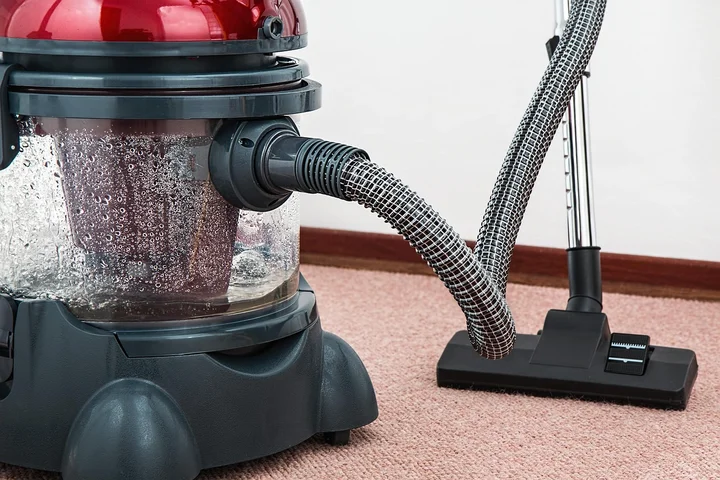
My favorite tool for car interiors isn’t a chemical. It’s the hose attachment on my carpet shampooer. After loosening sap on a car seat with alcohol, I use the attachment to spray clean water and suck it all back up. It leaves the fabric almost new.
When Sap Dries: How to Tackle Set-In Stains

“How do you get dried resin out of clothing?” or “How do you remove dried sap from fabric?” asks my aunt Jessica, who always finds old stains in her closet. Dried sap needs a different approach. It requires more soaking time and a lot of patience. That same patience helps when removing set stains from fabric clothing. A gentle pre-soak can loosen stubborn marks before treatment. For set-in stains, think of it as rehydrating and dissolving, not just wiping away.
Reviving Clothes with Old, Hardened Sap
I found a jacket with crusty sap from last season. Here’s what I did.
First, I soaked a cotton ball in rubbing alcohol and held it directly on the hardened spot. I kept it there for a full 10 minutes, adding more alcohol as it dried.
The sap turned soft and gummy again. I used the edge of a spoon to gently scrape the bulk of it off.
For really tough cases, I pre-soak the whole garment. I fill a basin with warm water and a generous squirt of laundry detergent. I let it sit for an hour before washing. This loosens everything up.
The Stain That Won’t Quit: Troubleshooting Leftover Rings
Sometimes after washing, a faint greasy ring remains. Don’t worry.
Apply a single drop of liquid dish soap directly to the ring. Gently work it in with your fingers for a minute. Then, wash the item again. The soap targets that leftover oil.
If the stain looks more like a dull brown shadow, it might be tannins from the sap. For these, an oxygen-based bleach soak is my secret weapon. I mix a scoop of a product like OxiClean in a bucket of warm water and let the fabric soak for a few hours. It lifts that discoloration without harming the fibers. This works on white and most colored fabrics my kids wear. These same steps translate well to linen fabric, where careful soaking can lift tannins without weakening fibers. Always test a hidden seam first when working with linen.
Keeping Sap at Bay: Smart Prevention Tips
You can’t wrap your whole life in plastic, but you can be a little smarter than the sap. A little forethought saves a ton of scrubbing later.
My Aunt Jessica loves red wine. She also loves my cream-colored sofa. After the second incident, I finally used a fabric protector spray. That experience taught me it’s easier to guard against a known hazard than to clean up after it—like when you have to remove red wine stains from fabric. Treat sap the same way.
- Before you park your car or lay out a picnic blanket, look up. Check for dripping branches or visible sap globs on the tree trunk.
- For items you use often outdoors, like patio furniture cushions or a favorite blanket, a spray-on fabric protector is a game-changer. It creates a barrier that makes sticky stuff easier to wipe off.
- Keep a simple barrier in your car. An old towel or a cheap blanket tossed over the seat can save your upholstery if you accidentally brush against a sappy door frame.
For Outdoor Adventures and Laundry Day
Life happens, especially with kids and dogs. Jason’s soccer practice is under pines, and Peeta finds every sticky bush on our walks. We have a system.
Your best defense is a simple change of mindset before you head out the door. Don’t make your favorite shirt the test subject.
- Wear older, darker clothes when hiking, camping, or doing yard work under pine or fir trees.
- Treat sap like a food stain. I keep a stain-removal pen in my glove box and my hiking bag. Dabbing at fresh sap on the spot can prevent it from setting.
- If you or your family are constantly outdoors, treat jackets, backpacks, and kids’ play clothes with a water and stain repellent spray. I do this every season for our gear.
- When you get home, don’t toss those clothes in the hamper. Do a visual check first. Catching sap before the laundry pile is half the battle won.
Long-Term Fabric Care After Sap Removal
You got the sap out. Great! Now, let’s make sure the fabric feels as good as it looks. The solvents and soaps we use can leave behind a subtle residue.
My mom, Martha, taught me this one. A cup of white vinegar in the final rinse cycle neutralizes soap and alcohol residues, leaving fibers soft and odor-free. It works on towels, jeans, and Jason’s sports uniforms.
This step is especially helpful if you used rubbing alcohol or dish soap. Your clothes will come out feeling fresher, not stiff or chemically.
Always check the garment’s care label before you start any treatment. And trust your gut. If a method feels too harsh for a delicate silk blouse, it probably is. Test in a hidden seam first. Your instincts, paired with the care label, are your best guides for keeping clothes in great shape for the long run.
FAQ about Removing Tree Sap
After using alcohol, how do I know if all the sap is really gone before I dry the item?
After washing, air-dry the garment completely and then feel the area for any stiffness. If it feels perfectly soft and looks clean, it’s safe to use the dryer; if not, repeat the alcohol treatment.
Can I use cooking oil on all types of fabric to remove sap?
Oils like olive or coconut are safe for most sturdy fabrics like cotton or denim, but always test first on delicate materials. Remember to pre-treat the oily residue with a drop of dish soap before laundering to prevent a new stain.
What’s the fastest method for sap in hair if I don’t have any oils handy?
Hand sanitizer or a thick, creamy conditioner can work in a pinch to loosen the sap’s grip. Gently work a small amount into the sap, let it sit for a few minutes, then carefully comb it out before shampooing thoroughly.
I got the sap out of my carpet, but now there’s a faint ring. What caused this?
A greasy ring is often leftover resin or cleaning solvent. Dab the spot with a cloth dampened with a mixture of warm water and a drop of blue dish soap, then blot it completely dry to lift the residue.
How can I prevent sap from setting if I can’t treat the stain for several hours?
Scrape off any excess sap gently and rub a small amount of hand sanitizer or sunscreen into the spot to break the initial bond. This will keep it from hardening completely, making proper removal much easier when you get home.
Smart Habits After Sap Strikes
Your best move is to dissolve fresh sap with a gentle solvent like rubbing alcohol before it sets and bonds with the fibers. Testing your removal method on a hidden seam or corner first is the single most reliable way to prevent damage. I’m always testing new methods on everything from Roger’s work shirts to Peeta’s leash, so for more practical guides, join me right here on the blog.
Written by Suzanne Rosi Beringer. Suzanne is an accomplished chemist, laundry expert and proud mom. She knows the science and chemistry of stains and has personally deal with all kinds of stains such as oil, grease, food and others. She brings her chemistry knowledge and degree expertise to explain and decode the science of stain removal, along with her decades long experience of stain removal. She has tried almost everything and is an expert on professional and DIY stain removal from clothes, fabric, carpet, leather and any other items dearest to you.