How to Remove Melted Wax from Carpets, Hardwood, Laminate, Tile, or Vinyl Floors?
Just found a glob of hardened wax ruining your floor’s look? You can fix this by first freezing the wax with an ice pack, then gently lifting it with a dull knife or credit card.
This guide walks you through the safe, effective process for all common floor types:
- The right way to harden wax for easy pickup without spreading it.
- Safe scraping tools and techniques for both carpet and hard surfaces.
- How to clean up the oily residue wax always leaves behind.
- Special steps to protect delicate hardwood or laminate finishes.
I’ve tested these methods for years, cleaning up after my kids’ craft projects and one too many tipped-over candles from family movie nights.
Stop Right There: Your Immediate Wax Spill Response
When wax hits the floor, your first job is to do nothing. I mean it. You must let that wax cool and harden completely.
Wait until it feels brittle to the touch, like a thin shell of ice. Trying to wipe liquid wax just grinds it deeper into fibers or across a floor.
Your only safe move now is to gently scrape up the hardened bits. Reach for a dull butter knife from the kitchen drawer, an old loyalty card, or a plastic paint scraper. These tools lift wax without cutting.
Never use a sharp metal blade. My mom, Martha, learned this the hard way years ago, putting a small gash in her linoleum. The core principle here is simple: cold makes wax hard and easy to remove, while heat makes it soft and mobile.
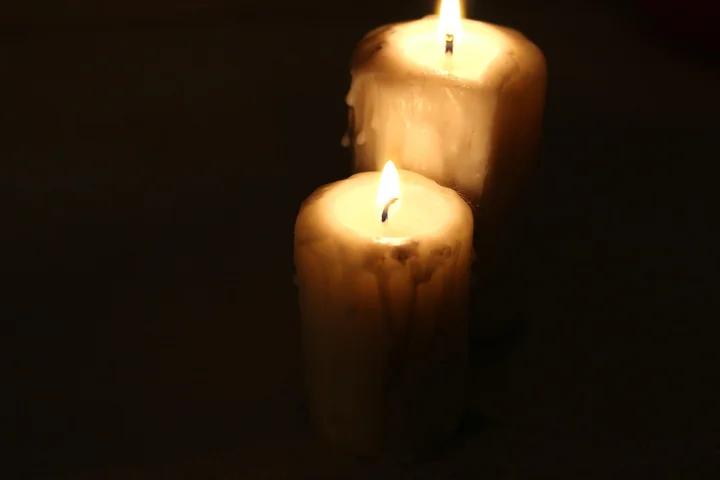
This rule guides every method I’ll share. I remember when Jessica, my three-year-old, got too excited near a lit votive. The wax pool looked like a disaster on our area rug. Waiting for it to harden was the only thing that kept it from becoming a permanent feature.
How to Get Candle Wax Out of Carpet (Without Ruining It)
If you’re wondering how to get melted wax out of carpet, you’re in the right place. The same goes for Scentsy wax or any similar spill. The trusted paper-and-iron method is your best friend.
It uses gentle heat to liquefy the wax underneath so a paper barrier can suck it up. For big spills, like when Peeta’s wagging tail knocked a table candle over during a storm, this method scales up easily. Just work in small sections.
Your Carpet Wax-Removal Toolkit
Gather these items before you start. Each has a specific job.
- Brown Paper Bags or Plain Paper Towels: The ink-free, unbleached paper absorbs wax without transferring dye. A trick I picked up from my aunt Jessica.
- A Standard Iron: You’ll use it on a dry, low-heat setting. Steam can force moisture and wax deeper into the carpet pad.
- A Dull Scraper: That butter knife or plastic card from the first step.
- Clean White Cloths: For blotting stains. White ensures no color bleed.
- Mild Dish Soap: For cutting any leftover oily dye stain.
- Isopropyl Alcohol (rubbing alcohol): A stronger option for stubborn dye, but always test it first.
The Step-by-Step Carpet Rescue
-
Harden and Scrape. Ensure the wax is completely solid. Gently scrape off as much as you can. Angle your tool to avoid snagging and pulling up carpet fibers.
-
Iron and Absorb. Place a brown paper bag or several layers of paper towel over the wax stain. Run your warm iron (no steam) over the paper for 10-15 seconds at a time to help remove melted wax from clothing.
Lift the paper to check for a greasy wax transfer; keep moving to a clean paper spot until no more wax comes up.
-
Treat Any Leftover Color Stain. If colored dye from the candle remains, mix a drop of dish soap with a cup of cool water. Blot with a cloth dipped in the solution.
For a persistent stain, test isopropyl alcohol on a hidden carpet spot first. If it’s safe, dab it on the stain with a cloth. Different fabrics, like clothing and carpets, may require different stain removal methods.
-
Blot and Rinse. Use a clean, water-dampened cloth to blot the area and rinse out any soap or alcohol. Finish by pressing a dry towel on the spot to soak up moisture.
Wax on Hard Floors: Tailored Tactics for Wood, Laminate, Tile, and Vinyl
Forget soft carpets. Hard floors change the game completely. Your first move is always the same, regardless of what’s under your feet. Grab a plastic scraper, an old credit card, or even a butter knife (use the blunt edge). Let the wax cool until it’s completely solid and opaque.
Gently scrape up as much of the waxy disk as you can. Angle your tool and push slowly. You want to lift the wax, not dig into your floor’s finish.
Once the big chunks are gone, you’ll have a ghost of a stain left behind. This is where your strategy splits based on your floor type.
Removing Wax from Hardwood Floors
How do you remove melted wax from hardwood floors? The answer is with a light touch and very little water. Hardwood and excess moisture are sworn enemies. After scraping, take a clean microfiber cloth and dampen it with cool water. Wring it out until it’s just barely damp.
Add a drop or two of a pH-neutral hardwood floor cleaner to the cloth. I keep a bottle of Bona Hardwood Floor Cleaner under my sink for this. Gently buff the remaining waxy film. The goal is to lift the residue without letting water soak into the wood or its protective seal.
Avoid using a hair dryer or heat gun here. Heat can damage wooden finishes, as my husband Roger learned the hard way in his workshop. He tried to soften some spilled candle wax on a finished table with a heat gun and ended up bubbling and discoloring the varnish. Harsh solvents like acetone or paint thinner will also strip the finish right off.
Removing Wax from Laminate Floors
Laminate flooring is even more sensitive to water than real wood. That photographic layer on top is delicate. Your cloth after scraping needs to be what I call “phantom damp.” If you can feel any moisture when you touch it, wring it out more—especially when dealing with dark stains on wood floors.
Mix a teaspoon of clear dish soap (like Dawn) into a cup of warm water. Dip your cloth in, wring it out fiercely, and wipe the area. Follow up immediately with a dry part of the cloth to remove any soapy film and moisture. Any lingering water can seep into the seams and cause the planks to swell and warp.
Removing Wax from Tile Floors
Tile is your toughest customer here. Ceramic and porcelain can handle more aggressive cleaning. After scraping, you can safely use a bit more moisture. I make a simple cleaning spray of one part white vinegar to four parts warm water in a spray bottle. That same spray is great for removing hard water stains on bathroom surfaces like tile, glass, and chrome. It’s a simple, effective step you can use again and again.
Spritz the area, let it sit for a minute to cut through any grimy residue, then wipe clean with a cloth. If your grout is sealed (which it should be), this quick wipe will clean the tile line without staining it. For unsealed grout, be swift and dry the line thoroughly. For tile stain cleaning methods by type, you’ll find options tailored to different tile materials and stains.
Removing Wax from Vinyl Floors
Vinyl plank or sheet flooring is durable but can be softened by strong chemicals. Stick with mild, soapy water. Use a soft cloth with your warm, soapy water solution to wipe away the wax residue.
Avoid the green side of a sponge or any abrasive scrub pad. These can leave tiny scratches that make vinyl look dull and cloudy over time. A soft-bristled brush is okay for textured vinyl, but always be gentle. If scratches do appear, you can learn how to remove scratches from hardwood vinyl floors safely. A careful approach preserves shine and extends the life of your floor.
Here’s a quick guide to the safest final cleaner for each surface:
- Hardwood: pH-neutral wood cleaner on a barely-damp cloth.
- Laminate: Diluted dish soap, applied with a nearly-dry cloth.
- Tile: Vinegar and water solution.
- Vinyl: Warm, soapy water and a soft cloth.
Critical Warnings: Materials and Methods to Avoid
Not every floor or rug can handle this process. Some materials are immediate red flags. If the wax is on a delicate silk rug, an antique Persian carpet, or an unsealed wood floor, stop. Call a professional cleaner. The risk of permanent damage is too high.
Also, if your floors are wax-finished (some older hardwood has a wax coating), don’t use these methods. You’ll remove the floor’s own finish along with the spill.
Some chemicals are strictly off-limits for wax removal. I keep a mental “never-use” list:
- Acetone (nail polish remover): It melts plastic and will destroy laminate or vinyl finishes instantly. It can also strip varnish from wood.
- Paint thinner or mineral spirits: These are too harsh for most home finishes and leave a toxic residue.
- Undiluted bleach: It won’t dissolve wax but will bleach your floor’s color or your carpet’s fibers.
Always, always do a test patch in a hidden corner before using any new cleaner, especially on colored carpet. This two-minute step has saved my living room rug more than once.
Products like Goo Gone can work on hard surfaces for stubborn, sticky wax, but you must check the label first. It can stain. I would never use it on carpet without an exhaustive, 24-hour spot test in a closet. Even then, I’d be nervous.
The Science of the Stain and Your Panic-Level Gauge
Chemistry Corner
Let’s talk about what wax really is. At its core, candle wax or crayon wax is an oil-based compound.
Think of it like a solid form of grease. When you apply heat, it liquefies again. That’s your removal secret weapon.
Dish soap is the perfect partner here. It contains surfactants that break down oils, surrounding them so they can be lifted away with water.
I tested this after Jessica’s third birthday. We had crayon wax melted onto the laminate by a sunny window. A hairdryer and a drop of Dawn made it vanish.
Panic-Level Assessment
First, take a deep breath. I rate melted wax a 3 out of 5 on carpet. On hard floors like tile or hardwood, it’s a 2.
The “Golden Window” for removal is very long, often days or weeks once the wax hardens, so urgency is low. Rushing can make a bigger mess.
Carpet gets a higher score because fibers can trap the liquid wax. Hard surfaces are easier since the wax mostly sits on top.
Here is the most reassuring part. Wax is a physical deposit, not a chemical bond.
It sits on or in the material without permanently bonding, which makes it very removable with the right patience.
I’ve cleaned wax off my area rug a dozen times after cozy nights with candles. It always comes up.
Need a simple analogy? Think of wax as cooled cooking oil.
If you’ve wiped up bacon grease from a stovetop, you already understand the concept. The cleanup principles are similar.
My mother-in-law Brianna from Texas once said, “Sugar, wax is just stubborn grease.” She wasn’t wrong.
FAQ about Removing Melted Wax from Floors
1. What’s the very first thing I should do when wax spills on my hardwood floor?
Immediately blot any liquid wax with a paper towel, then let the remainder harden completely. Do not wipe, as this will spread the wax and grind it into the wood’s finish.
2. Can I use the paper-and-iron method on my laminate or vinyl flooring?
No, you should avoid direct heat on laminate or vinyl as it can damage the surface. Instead, always let the wax harden fully, then gently scrape it up with a plastic card.
3. How long should I wait for the wax to harden before I start removing it?
Wait until the wax is cool, completely solid, and brittle to the touch. This usually takes 30-60 minutes, but rushing this step is the most common mistake.
4. The wax is gone, but a colored dye stain is left on my carpet. What now?
First, blot with a solution of mild dish soap and cool water. For a persistent dye stain, you can carefully dab with isopropyl alcohol, but always test it on a hidden area first.
5. What’s a safe way to clean the final oily residue from tile without special cleaners?
A simple vinegar-and-water solution works well for most tile. Avoid using vinegar on natural stone tiles like marble or travertine, as the acid can etch the surface, potentially damaging delicate marble countertops.
Your Blueprint for a Wax-Free Home
No matter the floor, always freeze the wax first to make it brittle and easy to lift. This single habit prevents the mess from spreading or becoming permanent. I keep a bag of peas in my freezer for this very reason, a trick I picked up after Roger’s hunting gear dripped candle wax on our laminate. For more hands-on advice from our family’s spills and solutions, I invite you to follow along right here on Stain Wiki.
Written by Suzanne Rosi Beringer. Suzanne is an accomplished chemist, laundry expert and proud mom. She knows the science and chemistry of stains and has personally deal with all kinds of stains such as oil, grease, food and others. She brings her chemistry knowledge and degree expertise to explain and decode the science of stain removal, along with her decades long experience of stain removal. She has tried almost everything and is an expert on professional and DIY stain removal from clothes, fabric, carpet, leather and any other items dearest to you.