How to Remove Paint Stains from Carpet and Car Interior
Just discovered a paint spill? Your first move is to gently blot, not rub, with a dry cloth, then identify if it’s water-based or oil-based paint for the right cleanup.
In this article, you’ll get clear steps on:
- Identifying the type of paint you’re dealing with quickly.
- Removing fresh paint from carpet fibers without spreading it.
- Treating delicate car upholstery and plastic surfaces safely.
- Handling stubborn, dried-on paint stains effectively.
I’ve handled this exact mess many times, from my son Jason’s poster projects to my husband Roger’s garage drips.
Your Paint Stain Panic Level: Assessment and First Move
Let’s be real. A paint spill feels like a disaster movie in your home or car.
Your heart rate tells the story.
A fresh, wet spill is a panic level 5. You have time, but you must move. A dried, crusty stain jumps to a 9. It’s not hopeless, but the work just got much harder.
For any wet paint, you have a Golden Window. It’s the first 10 to 15 minutes.
Acting in this window is the single biggest factor in a complete cleanup.
My son Jason once knocked over a sample pot of blue latex. We had it 90% gone before his 15-minute soccer highlight reel was over.
Immediate First-Aid for Paint
Your first move depends on the paint’s state.
For a wet spill, grab a stack of plain white paper towels or a clean, absorbent cloth. Do not rub. Press down firmly and lift.
You are blotting to soak up the liquid, not grinding it into the carpet fibers.
For dried paint, find a dull knife. A butter knife or plastic putty knife works perfectly.
Gently scrape up the crusty, raised bits. Hold the blade almost flat to avoid slicing the carpet.
You won’t get it all, but you’ll remove the bulk, making the next steps easier.
The On-the-Go Emergency Fix
You’re in the living room or the driver’s seat. Paint is wet. Your proper cleaners are in another room or at home.
Don’t freeze. This trick has saved me more than once.
Grab a paper towel, dampen it slightly, and a stiff card (a loyalty card, old gift card, or even a folded piece of cardboard).
Use the damp towel to blot the very edges of the spill. Then, use the card like a tiny shovel.
Slide the card under the edge of the wet paint blob to lift it off the surface in one sheet, if you can.
It’s a brilliant stopgap that removes the main mass before it sets.
Now, take a breath. Your next step is critical.
You must identify the paint type. Is it water-based (like most wall paints) or oil-based (like some enamels and primers)?
Using the wrong cleaner can set the stain permanently. Find the can or recall the project. The rest of your plan depends on it, especially when it’s one of those stain removal mistakes to avoid.
The Chemistry of Your Paint Stain
Knowing your enemy is half the battle. Paint isn’t just color. It’s a glue that holds pigment to a surface.
The type of “glue” changes everything.
Water-Based Paint: The School Glue
Think of latex or acrylic paint like the white school glue you used as a kid. Its binder is suspended in water.
When wet, it’s a gooey puddle. When it dries, the water evaporates and the glue particles stick together and to your carpet.
Because it started with water, it can often be broken down by soap and water again, if you catch it fast.
Dish soap is an emulsifier. It surrounds oily dirt and glue particles so they can be rinsed away with water.
That’s why a mix of dish soap and warm water is your first weapon against fresh latex paint.
Oil-Based Paint: The Super Glue
Oil-based paints use a binder dissolved in a strong solvent, like mineral spirits.
This is more like super glue. As the solvent evaporates, it undergoes a chemical cure, creating a very tough, plastic-like film.
Water and soap are useless against this cured film.
You need a solvent to re-dissolve that bond.
This is where a mild solvent like rubbing alcohol (isopropyl alcohol) becomes essential. It can cut into the dried paint without being as harsh as paint thinner.
My Aunt Jessica, who loves her oil-based art paints, taught me to always test a solvent in a hidden spot first, like inside a closet or under a car seat.
Remember this simple analogy. Water-based paint is school glue. Oil-based paint is super glue. You wouldn’t use water to fix a super glue mistake, and the same logic applies here.
Surface Compatibility: Carpet vs. Car Interior
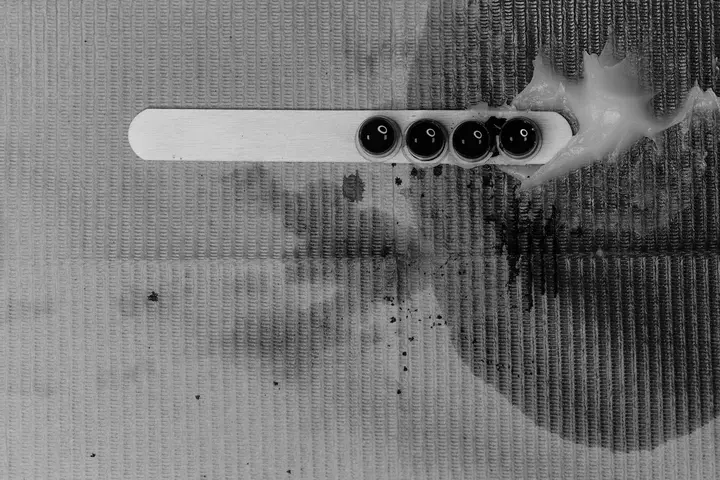
Not all surfaces are the same. What works on your living room carpet could ruin your car’s dashboard.
This quick-reference guide helps you match the method to the material.
| Surface Type | Special Notes & Warnings |
| Home Carpet (Synthetic/Nylon) | Usually durable. Blot, don’t scrub, to avoid fraying fibers. Avoid soaking the backing and pad, as this can lead to mold and odors. |
| Car Carpet (Floor Mats & Well) | This is your biggest risk zone. Car carpet is thin and glued to foam padding underneath. Soaking it will trap moisture, causing mildew and a terrible smell. Be extremely conservative with liquid. |
| Cloth Car Seats (Upholstery) | These are often a polyester blend. Test any cleaner in a hidden seam first. Press a clean cloth firmly into the stain to lift paint out of the weave, rather than rubbing it in. |
| Vinyl or Leather Seats | Always test your solvent (like alcohol) on a hidden spot first. Check for discoloration or texture change after a minute. Wipe cleaner off quickly to prevent drying out the material. |
| Plastic or Rubber Trim | Generally safe for most cleaners. A soft-bristled toothbrush can help work soap into textured plastic. Rinse well to avoid a sticky film. |
Material Red Flags: Call a Pro
Some materials are too delicate or expensive to risk a DIY mishap.
- Antique or wool area rugs
- Silk or delicate fabric car headliners
- Unprotected suede or nubuck seats
- Any surface you are not 100% sure you can handle
My aunt Jessica has a classic car with a beautiful, fragile headliner. I wouldn’t touch a stain on it myself. The cost of a professional detailer is cheaper than a full headliner replacement.
Never-Use Actions
Avoid these common mistakes that turn a small stain into a big problem.
- Never scrub aggressively. This grinds the paint deeper and frays fibers.
- Never use paint thinner, lacquer thinner, or acetone on car interiors. These harsh solvents will melt plastic, strip color from vinyl, and damage adhesives.
- Never soak car carpet. I learned this the hard way when a spilled drink led to a musty smell for weeks. The padding underneath acts like a sponge.
- Never use excessive heat from a hairdryer or steamer to dry a spot. This can set some paints and damage synthetic fibers.
How to Remove Fresh Water-Based Paint (Latex or Acrylic)
Fresh paint is the easiest to tackle. The key is speed and gentle pressure.
Grab these tools: a dull butter knife or plastic scraper, several clean white cloths (old t-shirts work great), a bowl of warm water, a few drops of clear dish soap, and a bottle of 70% isopropyl alcohol as a backup.
- Scrape Gently. Use the edge of your dull knife to lift off any big globs of wet paint. Hold the knife almost flat to the surface to avoid cutting the fibers.
- Mix Your Solution. In a bowl, mix a teaspoon of dish soap with two cups of warm water. You want lots of suds. Dish soap is a degreaser that breaks down the paint’s binders.
- Blot From the Edges In. Dip a cloth in the soapy water, wring it out well so it’s just damp. Start at the outer edge of the stain, blotting firmly toward the center. Flip to a clean section of the cloth often to avoid redepositing the paint.
- Rinse With Water. Dampen a new, clean cloth with plain warm water. Blot the area to rinse out the soapy residue. This step prevents a sticky, dirt-attracting spot later.
- Blot Dry. Use a dry, absorbent cloth or paper towels to press down on the area and soak up as much moisture as possible. Place a heavy book on top of a dry towel over a home carpet spot to finish drying.
What Helped Me (Pro-Tip)
My son Jason once shook a paintbrush near our entryway carpet, leaving a galaxy of tiny spatters. For this, I used a spray bottle filled with warm water and a soft toothbrush.
I lightly misted one spatter, let it sit for 20 seconds, then gently agitated it with the toothbrush. I immediately blotted it up with a cloth. I repeated this, one dot at a time, moving slowly. Patience with each individual spot gave me a perfect result without spreading the problem.
When to Escalate to Rubbing Alcohol
If you’re left with a faint, tacky residue after the soap and water, it’s time for the alcohol.
Test the 70% isopropyl alcohol on a hidden spot first. Then, put a small amount on a cotton ball or the corner of a clean cloth. Dab it directly onto the stubborn spot, don’t rub. You should see the leftover paint start to dissolve onto the cotton ball. Blot immediately with a water-dampened cloth to neutralize the alcohol, then blot dry.
For car interiors, be extra cautious. Use the absolute minimum amount of alcohol needed, and follow up with the water-dampened cloth right away.
How to Remove Fresh Oil-Based or Spray Paint
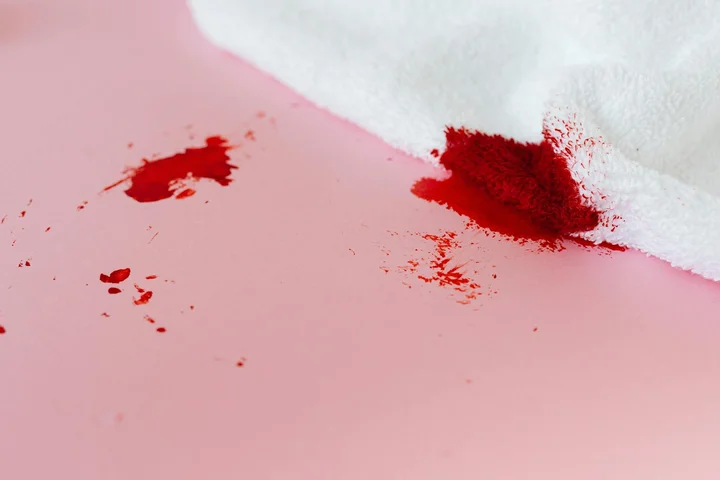
Fresh paint is a race against the clock. The moment you see that slick splatter, you need to act. Oil-based and spray paints are particularly stubborn, but they’re no match for the right solvent and a calm approach.
First, gather your tools. You’ll need a few things from around the house.
- A dull butter knife or an old credit card.
- A stack of clean, white cloths (old t-shirts work great).
- Mineral spirits (paint thinner) or rubbing alcohol (isopropyl alcohol, 70% or higher).
- A bowl for your solvent.
- Dish soap and cool water for the final clean.
Before you touch the stain with any chemical, you must test it in a hidden spot first, like inside a closet or under a car seat. I learned this the hard way when a solvent altered the color of a carpet sample I was testing. Dab a tiny amount on your cloth, apply it to the hidden area, and wait 5 minutes. If the color doesn’t change and the fibers feel fine, you’re clear to proceed with any stain removal for clothing or carpets.
Now, for the main event. Work in a well-ventilated area. Open windows and doors, or take the car outside. These fumes are no joke.
- Use the dull edge of your knife or card to gently scrape up as much wet paint as you can. Don’t rub. Just lift and scrape.
- Dampen a corner of a clean cloth with your chosen solvent. Do not soak it. A damp cloth gives you control.
- Start at the outside edge of the stain and dab gently inward. You’ll see the paint start to transfer to your cloth.
- Switch to a clean section of the cloth frequently. As soon as one area looks dirty, rotate to a fresh spot.
- Continue dabbing and lifting. Rushing this will just drive the paint deeper into the fibers.
Safe DIY Alternatives
Out of mineral spirits? Don’t panic. I keep a few backups in my cleaning caddy for just this reason.
- Hand Sanitizer: The high alcohol content in most gels can break down fresh oil paint. My Aunt Jessica’s wine spill kit always includes some, and it works on paint too.
- Non-Acetone Nail Polish Remover: Check the label. If it contains ethyl acetate or other solvents but not acetone, it can be a good option for small spots. Always test first.
- Dish Soap and Hot Water: For very fresh, small drips of oil-based paint, a mixture of Dawn dish soap and hot water can sometimes emulsify the paint enough to lift it with vigorous dabbing.
Once the paint is gone, you must clean the area of any solvent residue. Mix a teaspoon of clear dish soap into a cup of cool water. Dampen a fresh cloth and dab the entire area. Follow with a cloth dampened with plain water to rinse. Blot it all dry with a towel. This method is safe for delicate surfaces, unlike some hard water stain removal techniques which can damage car paint.
How to Get Dried Paint Out of Carpet and Car Seats
So the paint dried. Maybe you didn’t see it, or maybe the chaos of the day got the better of you. It happens to the best of us. Can you get dried paint out of carpet? Absolutely. How do I get dried latex paint out? With patience and a little steam.
This method is your best friend for dried latex or acrylic paint. For dried oil-based paint, you’ll likely still need a solvent after softening it, but start here.
The goal is to re-soften the paint so you can lift it away. You’ll need a clean cloth, hot water, and a drop of dish soap.
- Run your cloth under very hot tap water and wring it out so it’s just damp, not dripping.
- Add a single drop of clear dish soap to the cloth and fold it to create some suds.
- Lay the warm, soapy cloth directly over the dried paint spot. Let it sit as a compress for 10-15 minutes. The heat and moisture will slowly soften the paint.
After the compress, you can start the careful work of removal.
- Use your fingernails or the very edge of a dull knife to gently pick at the edge of the paint blob.
- If it has softened, you should be able to peel up small flakes or lift a whole section.
- Work slowly around the edges, lifting as you go.
A Field Note on Patience
This is a slow pick, not a fast scrape. If you try to chisel or aggressively scrape at the dried paint, you will cut and damage the carpet fibers, creating a permanent rough spot. I spent an hour on my knees removing dried glue from a craft project my daughter Jessica left, and the same rule applies. Slow and steady wins.
Once you’ve removed the bulk of the paint blob, you’ll likely see a paint stain and some residue left in the fibers.
This is your follow-up cleaning step. Mix a small amount of carpet cleaner or a teaspoon of clear dish soap in a bowl of warm water. Using a clean cloth, dab and blot the stained area. Switch to a water-only cloth to rinse the area by dabbing. Finally, press down with a dry towel to absorb all the moisture. You may need to repeat this stain-lifting process a few times for a perfect result. Be extra cautious, especially when dealing with rental carpet stains, as they can be trickier to remove.
Post-Treatment Recovery and Final Checks
You’ve tackled the stain. Now, let’s ensure your carpet or car seat recovers fully. A proper dry-down is just as important as the cleaning.
The Proper Drying Process
Your goal is to remove as much moisture as possible, quickly and evenly. I always grab a stack of clean, dry, white towels first.
Press them firmly over the damp area. Don’t rub. Just absorb. Swap for a fresh towel as soon as one gets saturated.
Next, promote air flow. I’ll often borrow the fan from Jason’s room and point it at the spot. Open the car doors or windows if you’re working in the garage.
Keep the treated area out of direct sunlight to dry, as intense heat can set any lingering stain residues or cause discoloration.
How to Check If the Stain is Truly Gone
Don’t just look from a standing height. Get down on the floor. Put your face close to the carpet fibers.
Look for any faint discoloration or a shiny, stiff residue where the paint was. Run your fingers gently over the spot.
The area should feel soft and pliable, just like the surrounding fabric; any crispness or stiffness means soap or paint remnants are still there.
If you feel or see anything, go back one step with a quick rinse of cool water and blot dry again. Patience here saves you from a permanent, crunchy patch.
Recommended Products for a Final Clean
After a paint incident, I often give the whole area a refresh. These are my go-to categories for that final polish.
- For Carpets & Fabric Upholstery: A portable carpet extractor is fantastic. The one I use for post-soccer mud also pulls out the last traces of cleaner, leaving fibers fluffy. For a quick refresh without a machine, a light mist of an upholstery-specific foam cleaner works well.
- For Vinyl, Plastic, & Leather Car Interiors: A gentle, non-toxic all-purpose cleaner diluted in water. I use it on a microfiber cloth to wipe down the entire treated panel, removing any cleaning splatters and restoring a uniform look.
- The Universal Finisher: A plain, slightly damp microfiber cloth. A final pass with this gathers any last bits of lint or fuzz from your drying towels, leaving everything looking tidy.
When NOT to Try This Yourself
Being confident is good, but so is knowing your limits. There are times when the best tool is your phone to call a pro.
Do not attempt DIY removal if:
- The spill is very large (think a whole quart can tipping over).
- The paint type is unknown and the fabric is delicate (like a silk car headliner or antique wool carpet).
- You’ve already tried a few methods and made the stain larger or set it deeper.
- The stain is on a complex material, like the car’s suede-like Alcantara.
If your gut says the situation is beyond a simple spot treatment, it probably is, and stopping prevents costly damage.
A Final Word of Reassurance
I’ve been there. Roger once tracked a half-dry latex paint footprint right onto our beige hallway carpet. My heart sank. But with the steps we’ve talked about, we got it out.
Most small, fresh paint stains come up with patience and the right technique. This also applies to removing stains from car upholstery, where fibers can trap pigment. For those truly stubborn or complex cases, a professional carpet or auto detail cleaner has industrial-grade solutions and extraction tools we simply don’t.
Calling them isn’t a failure. It’s a smart choice to protect your investment. You’ve got this.
FAQ about Removing Paint Stains from Carpet and Car Interior
What should I do if dried paint isn’t coming off with scraping and a warm compress?
For stubborn dried latex paint, make a paste of dish soap and warm water, apply it to the stain, and let it sit for 30 minutes before gently scraping again. If it’s oil-based, carefully dab with rubbing alcohol after a spot test, then rinse and blot dry to avoid residue.
What common household items can I use if I don’t have rubbing alcohol or mineral spirits?
For fresh water-based paint, dish soap and warm water are effective. For oil-based paint, try non-acetone nail polish remover or hand sanitizer, but always test in a hidden area first to prevent fabric damage. This also applies to removing paint from fabric clothing. The next steps will link to fabric-specific removal tips.
How do I safely remove paint from a car’s vinyl dashboard or plastic trim?
Dab a small amount of isopropyl alcohol on a microfiber cloth and gently wipe the paint spot, avoiding harsh rubbing. Immediately follow with a damp cloth to remove solvent residue, and dry thoroughly to prevent streaks or discoloration.
What’s the best method for removing paint from fabric car seats without spreading the stain?
Blot wet paint immediately with a dry cloth to lift excess, then use a damp cloth with dish soap for water-based paint or rubbing alcohol for oil-based. Always work from the outer edges inward to contain the stain and prevent it from widening.
How can I prevent moisture damage when removing paint from car carpet?
Use minimal liquid during cleanup and blot frequently with dry towels to avoid soaking the carpet. Ensure thorough drying with a fan or open air to prevent mold growth in the underlying padding, which can cause odors, especially after water extraction from carpet.
Your Paint Stain Game Plan
Your single most powerful move is to blot up wet paint immediately with a clean cloth-rubbing is the fastest way to set a stain forever. After that, identifying water-based or oil-based paint dictates your next step, whether it’s dish soap or a dedicated solvent. I rely on this simple two-step process every time Roger has a garage spill or Jason gets creative. Stain removal techniques have evolved—from basic blotting to targeted enzyme treatments and advanced solvents. Understanding this evolution helps you select the right approach for different stains and fabrics. For more trusted, tested methods from my home to yours, keep exploring right here on Stain Wiki.
Written by Suzanne Rosi Beringer. Suzanne is an accomplished chemist, laundry expert and proud mom. She knows the science and chemistry of stains and has personally deal with all kinds of stains such as oil, grease, food and others. She brings her chemistry knowledge and degree expertise to explain and decode the science of stain removal, along with her decades long experience of stain removal. She has tried almost everything and is an expert on professional and DIY stain removal from clothes, fabric, carpet, leather and any other items dearest to you.