How Do You Get Dog and Pet Hair Out of Car Interiors, Carpets, and Upholstery?
Pet hair woven into your car seats or sofa can seem impossible to beat. A slightly damp rubber glove or sponge will grab and lift hair from upholstery in seconds.
This article covers my proven methods for a hair-free home. You will see how to use everyday tools like lint rollers and vacuum hoses effectively. I explain the trick of misting fabrics with water to loosen hair. You will learn why a pumice stone works miracles on carpet. I also share how regular brushing cuts down on messes.
I have tested every one of these tips while managing the fur from my own golden Labrador, Peeta.
Pet Hair Panic Level: The Real Story
Let’s put this in perspective. On a scale of 1 to 10, where 10 is a permanent ink stain on white silk, pet hair cleanup is a solid 2.
This isn’t about a damaging stain, it’s about a persistent, fuzzy cleanup job. No matter how many mistakes you make in trying to cleanse it. There’s no chemical reaction to reverse, just fibers that have decided to move in and get comfortable.
I’ve learned there’s a “Golden Window” for hair, but it’s more about frequency than minutes. The longer hair sits, the more it embeds and tangles into fabric loops. Weekly cleanup after Peeta’s brush-out session is a breeze. Letting it go for a month? That’s a workout.
Old, packed-in hair is a different beast. I think of my Aunt Jessica’s Arizona home and her Samoyed, a cloud that leaves trails. That level of buildup requires a shift in strategy, from simple pickup to a full-on extraction mission.
The Pet Hair Toolbox: What Actually Works
Forget buying every gadget. Success comes from understanding the simple physics of grabbing hair. Each tool works on a specific principle.
The Friction & Static Grabbers
These tools use texture or static electricity to make hair stick to them instead of your fabric.
Rubber gloves (dishwashing type) are my secret weapon for car seats and upholstery. Dampen them slightly, put them on, and wipe in one direction. The rubber creates incredible friction, rolling the hair into satisfying clumps. I keep a dedicated pair in my car cleaning caddy.
Rubber squeegees or a dampened rubber broom use the same idea on a larger scale. They are fantastic for broad carpet areas or stairs. The pumice stone (sold as a “pet hair stone”) is a drier, more abrasive version of this, great for tightly woven fabrics.
The Adhesive Lifters
These are your classic sticky solutions.
Lint rollers are perfect for quick touch-ups on clothing or a single car seat. For a bigger, DIY version, wrap duct tape around your hand with the sticky side out. It’s crude, but it works on curtains or couch cushions in a pinch. Just be careful not to damage delicate fabrics like those used in clothes or upholstery.
The Power of Suction
This is where we answer: What is the best tool for getting pet hair out of carpets? For carpets and embedded upholstery, a vacuum with a motorized brush roll is the champion.
The spinning bristles agitate and loosen deep-down hair so the suction can pull it up. My old upright vacuum struggled. My newer model with a dedicated pet hair tool? It’s a game-changer for our living room rug.
Household Item Hacks
What household items work? You might already own the best tools.
- A damp sponge: Rubbing it over fabric creates a slight static charge that lifts hair.
- Fabric softener spray: A light mist (test first!) can reduce static cling, making hair easier to vacuum up. I dilute mine with water in a spray bottle.
- Your hand in a damp sock: This is my son Jason’s favorite “helping” method. The damp cotton acts like a mild adhesive.
The key is to match the tool to the surface: friction for smooth fabrics, adhesive for small areas, and powered agitation for deep-pile carpets. Sometimes, using two methods in sequence-like a rubber glove pass followed by a vacuum-gets the last 10% that one tool alone can’t.
Critical Warnings: What Not to Do to Your Surfaces
I rushed to clean my mom’s velour chair once with a stiff brush. It left permanent, threadbare streaks. Learn from my mistake.
- Material Red flags: Abrasive tools are a strict no for delicate fabrics. A stiff brush or heavy pumice stone will pill and shred velour, velvet, or loose-weave upholstery.
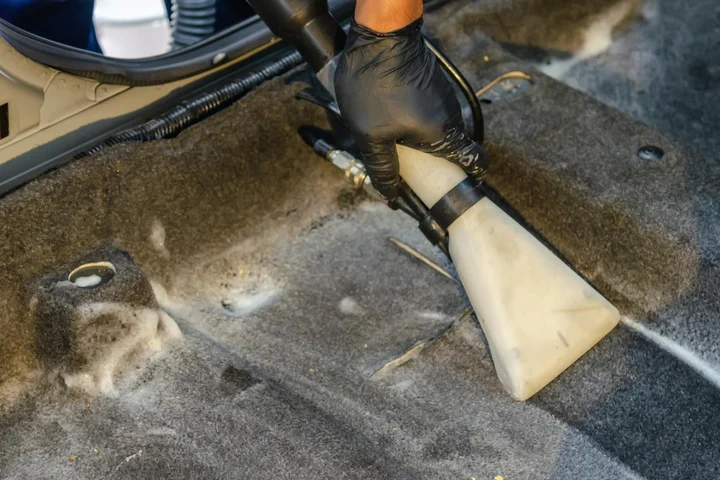
- Avoid drenching car interiors or carpets. Excess moisture gets trapped under seats and pads, leading to a musty smell and mold. My old sedan’s floor mat never fully dried after I soaked it.
- Never use strong solvents or all-purpose cleaners for hair removal. They don’t dissolve hair and can break down fabric dyes or finishes. Roger once tried a degreaser on a seat, and it left a faded, tacky spot.
- Always do a test patch first. Check a hidden area, like under the seat or behind a cushion, with any new tool, spray, or method.
How Do You Get Dog Hair Out of Car Seats and Carpets?
After our last beach trip with Peeta and the kids, my minivan seats were a fuzzy, blonde nightmare. If you’re asking how do I get dog hair out of my car, this is my battle-tested routine.
Step 1: The Dry Attack (Shake, Slap, and Loosen)
Pull every floor mat out. Take them outside and slap them hard against the driveway or a fence post. You’ll see clouds of hair and sand fly out.
For the seats, use your hands or a stiff brush. Rub firmly against the nap of the fabric to agitate the fibers and push hidden hair to the surface.
Step 2: Employ Friction and Static
Put on a pair of damp rubber gloves. Run your hands over the upholstery in short, quick strokes. The static makes the hair cling to the gloves in satisfying clumps.
A window squeegee works on the same principle. Drag it across the fabric to roll hair into easy-to-pick-up piles.
For dense car carpet, a pumice stone can help. Use it gently in one direction on looped fibers. Remember the warning: never use it on delicate or flat-woven materials, especially when removing stains from car mats and carpets.
Step 3: The Vacuum Finale
Now, use your vacuum with the right attachments. The crevice tool is perfect for seat seams and tight corners.
The motorized brush head is your best friend for seats and carpets. Hold the nozzle just above the surface to create powerful suction that lifts hair.
Is a vacuum enough to remove embedded pet hair? Usually not on its own. It needs help from steps one and two to loosen the hair first.
What’s the trick for getting hair off of cloth car interiors? Breaking the static cling. Rubber gloves, squeegees, or even a damp sponge create the friction needed to release the hair.
For Stubborn Car Carpet Hair
When you’re still wondering how do you get dog hair out of car carpet that’s woven in tight, a light mist can help. This trick also works on mats and upholstery where pet hair from dogs and cats tends to tangle.
Use a spray bottle with plain water or a mix of one part fabric softener to three parts water. Lightly spritz the area.
This weighs the hairs down for a moment. Vacuum it up immediately before any moisture soaks in. My Aunt Brianna swears by this for her truck’s carpets.
How Do You Get Cat and Dog Hair Out of House Carpets and Upholstery?
I get this question all the time, especially from friends with new puppies or shedding cats. The first thing to know is your carpet type. Low-pile carpet, like the Berber in our hallway, is much easier. The hair sits on top. Plush or shag carpet, like the one in my aunt Jessica’s living room, is a different story. The deep fibers trap hair, making it a real challenge to get out.
My golden Labrador, Peeta, leaves a trail everywhere. I’ve spent years figuring out how do you get dog hair out of carpet and how do you get cat hair out of carpet without losing my mind. The secret is matching your tool to the surface.
The Surface Compatibility Chart
Not every tool works on every fabric. This quick chart saves me time. I keep it taped inside my cleaning closet.
Pre-Vacuum Preparation is Key
You asked, “How do you prepare upholstery before vacuuming pet hair?” I never vacuum first. That just pushes hair deeper into the fibers. I start with a dry or damp gather.
For the couch, I put on a pair of cheap rubber cleaning gloves. I dampen them slightly under the tap. Then I just run my hands over the fabric. The hair balls up instantly. A rubber broom does the same thing on carpet. For small areas, a dampened kitchen sponge works too.
This simple step lifts about 80% of the surface hair, making your vacuum’s job effective instead of frustrating. I learned this after watching my 3-year-old, Jessica, spread cracker crumbs and dog hair all over the rug. A quick glove-pass made cleanup a breeze.
Deep Cleaning Carpets: Beyond the Vacuum
When hair is woven deep into the pile, your vacuum might not reach it. This happens a lot before I use my carpet shampooer.
I use a carpet rake or a pet grooming tool. You rake it against the carpet’s nap. This pulls the buried hair up to the surface where you can vacuum it. It’s satisfying to see the little fur tumbleweeds form.
Field Note: The Tuft Trick. On our favorite armchair, hair gets wound tightly around the button tufts. A vacuum won’t touch it. I keep a seam ripper from my sewing kit in my cleaning caddy. I gently work the point under the hair and lift it out. A fine-tooth comb for hair works the same way. Just be patient to avoid snagging the fabric.
The Science of Stubborn Fur: A Static Cling Problem
Let’s talk chemistry. Pet hair removal isn’t about stain solvers or bleach. It’s a physics fight against static electricity and friction. Removing pet hair from clothes often requires different techniques than regular stain removal.
When Peeta runs across the carpet, his fur rubs against the fibers. This creates a static charge, making the hair cling. Rubber is a natural insulator. When you rub it on the fabric, it creates an opposing static charge that lifts the hair right off. A light mist of water works because it reduces the static cling, letting the hair release easier.
Different fibers hold hair in unique ways. Nylon carpet has a slicker surface, so hair can slide off if you break the static. Polyester car seat fabric is more textured, so hair physically hooks into the tiny loops. That’s why a rubber glove or a squeegee, which provides friction and counter-static, is so effective on car interiors.
My husband Roger’s hunting jackets are a perfect example. The synthetic lining grabs dog hair like glue. A damp rubber glove always wins that battle, where a plain dry cloth just smears it around.
Post-Removal Care and Quick Fixes
Got most of the hair up? Great job. Now let’s make sure your work lasts and you have some tricks for next time.
Post-Treatment Recovery
Did you use a damp sponge or a fabric freshener spray? Any moisture needs to evaporate completely.
In the car, I open all the doors for an hour. I point a small fan at the seats if it’s a humid day.
Letting fabric stay damp invites mildew, and that sour smell is much harder to fix than dog hair. Always dry thoroughly, especially when you need to remove that musty mildew smell.
Safe DIY Alternatives
You don’t always need a special tool. Some of the best solutions are already in your home.
- A Dampened Sponge: The rubbery kind from your kitchen sink works wonders. Run it under cold water and wring it out completely. Wipe the upholstery in one direction. The slight friction and dampness roll the hair into satisfying little clumps.
- The Duct Tape Mitten: Wrap a length of duct tape around your hand, sticky side out. Pat and lift. It’s crude, but it grabs hair, dust, and even sand from car floor mats. My husband Roger uses this on his truck seats after hunting.
- The Static Balloon: Blow up a balloon, rub it on your hair or sweater for a few seconds, and then hover it over the fabric. The static charge pulls the fine hairs right up. My kids think this is magic, and it works great on lamp shades and couch cushions.
“On-the-Go” Emergency Fix
What if you see a friend walking to your car and the passenger seat looks like a golden retriever convention?
I keep two things in my glove box for this exact panic.
A travel lint roller is the fastest fix. A small roll of packing tape works just as well.
No tape? Grab a paper towel. Dampen it slightly with a few drops of water.
Wipe the seat firmly in one single direction, and you’ll gather a surprising pile of hair into a corner for a quick grab. It’s not perfect, but it’s a great save.
How Do I Maintain a Hair-Free Car and Home? (The Realistic Plan)
People often ask me, “What is the best way to maintain a hair-free car with pets?”
My honest answer? You don’t. You manage it. The goal is control, not a sterile museum. Here’s the realistic plan my family uses.
Battle the Source: Regular Grooming
The best defense happens before the hair hits the seat.
I brush my lab, Peeta, in the garage before any car ride. I use a rubber curry brush that grabs his undercoat.
Ten minutes of brushing outside saves me thirty minutes of vacuuming inside.
A quick pre-trip brush is the single most effective thing you can do to reduce car hair. It just becomes part of the routine, like grabbing your keys.
Strategic Barriers and Habits
Contain the mess with simple barriers. I use old, machine-washable blankets on the back seat for Peeta.
Every Sunday evening during heavy shed season, I put on a rubber glove and run my hand over the living room couch. The hair balls up instantly for easy disposal.
My vacuuming order matters, too. I always vacuum the car interiors first, then the house carpets.
This stops you from tracking loose car hair from your shoes back onto your clean living room rug. It’s a small habit with a big impact.
You love your pet. The hair comes with the deal. These steps just make the deal a lot easier to live with.
FAQ about Removing Pet Hair from Car Interiors, Carpets, and Upholstery
Is a vacuum enough to remove embedded pet hair?
No, a vacuum alone often pushes hair deeper. Always loosen hair first with a rubber glove, squeegee, or brush, then use a vacuum with a motorized brush roll for extraction.
Can lint rollers remove pet hair from car interiors?
Yes, they are excellent for quick surface hair removal on seats and headliners. For large, embedded hair, use them as a final touch-up after a more thorough dry-cleaning method.
What’s a safe household item trick for stubborn cloth car seats?
A slightly dampened rubber kitchen sponge is highly effective. Wipe the fabric in one direction; the friction and static will roll hair into easy-to-remove clumps without chemicals. The static helps in lifting hair from the fabric.
What is the one critical step before vacuuming upholstery?
Always do a dry “friction pass” first with damp rubber gloves or a rubber broom. This lifts the surface layer of hair, preventing your vacuum from merely packing it deeper into the fabric fibers.
What’s the single most effective habit for a hair-free car with pets?
Brush your pet thoroughly outside before any car ride. This proactive step tackles the source and drastically reduces the amount of hair that can embed itself in your interior fabrics, especially when dealing with dye-stained hair.
Your Simple Routine for a Hair-Free Home
After managing Peeta’s constant golden retriever glitter, I know the single most effective strategy is a quick, dry pickup before hair gets ground in. Reach for a damp rubber glove or a static-cling duster first-they grab hair instantly without harming fabrics. For more ways to handle the messes my kids, pets, and family throw your way, follow along with all our practical tests right here on Stain Wiki, especially on how to remove hair product stains from fabrics.
Written by Suzanne Rosi Beringer. Suzanne is an accomplished chemist, laundry expert and proud mom. She knows the science and chemistry of stains and has personally deal with all kinds of stains such as oil, grease, food and others. She brings her chemistry knowledge and degree expertise to explain and decode the science of stain removal, along with her decades long experience of stain removal. She has tried almost everything and is an expert on professional and DIY stain removal from clothes, fabric, carpet, leather and any other items dearest to you.