How to Remove Hair Dye Stains from Bathroom Countertops, Sinks, and Tiles?
Did a vibrant hair dye splash leave a mark on your bathroom surface? Don’t worry-grab some rubbing alcohol or make a baking soda paste, and you can usually wipe that stain away in minutes.
This article will walk you through everything you need to know, including:
- How to choose the safest method for your specific countertop, sink, or tile material.
- The common household products (think toothpaste or hydrogen peroxide) that tackle dye effectively.
- Clear, step-by-step scrubbing instructions to lift the stain without scratching.
- What to do if the stain has dried and seems set in.
- Simple tips to protect your bathroom during your next color session.
I’ve handled countless dye disasters, from my own at-home color jobs to the time my son Jason’s friend Edward left a blue splash on the vanity, so you’re getting proven, practical advice.
First Things First: Assessing Your Hair Dye Stain Situation
Your heart just dropped. A splatter of burgundy dye is now a permanent-looking feature on your white sink. Take a breath.
This situation is a solid 6 out of 10 on the panic scale. Manageable, but it needs immediate attention.
The “Golden Window” for cleanup is while the dye is still wet and gooey.
Once it dries, it sets more firmly. A dry stain requires more effort, but it is almost always removable with the right plan.
The Science of the Stain (Chemistry Corner)
Most permanent hair dyes work through oxidation. Think of them as tiny color molecules that activate and bond.
They bond to your hair. They can also bond to your countertop. Our job is to interrupt that bond before it becomes a long-term tenant.
We use two main strategies: dissolving the stain with solvents or gently lifting it with mild abrasives.
The surface material decides which strategy we use first.
Your Universal Tool Kit
Before you start, gather these items. I keep mine in a bucket under the sink.
- Several clean, white microfiber cloths.
- A soft-bristled brush (an old toothbrush is perfect).
- A plastic scraper or an old gift card.
- Rubber gloves. Always wear gloves.
Here is the single most important rule in stain removal.
Always perform a test patch in an inconspicuous area first, like the back edge of the counter or inside a cabinet.
This simple step prevents a bigger disaster. I test every single time.
What Helped Me (A Pro-Tip from the Editor)
My Aunt Jessica visited last fall. She decided to touch up her fiery red dye in my guest bathroom.
The sink looked like a crime scene. I learned two things that day.
First, creamy dyes wipe up easily with a damp microfiber cloth if you catch them fast. Second, the little drips that dry on the faucet need a different approach.
I now keep a dedicated “Dye Day Caddy” ready.
It has my microfiber cloths, a spray bottle of isopropyl alcohol, a magic eraser, and my old toothbrush. Being prepared turns panic into a simple clean-up task.
Material Red Flags: What to Avoid
Some surfaces need a softer touch. Pause if your stain is on these materials.
- Unsealed natural stone (like marble or travertine).
- Antique or vintage porcelain fixtures with delicate glazes.
- Certain plastics or cultured marble that scratch easily.
You must also know what chemicals to avoid.
Never use acetone (nail polish remover) or pure bleach directly on natural stone.
They can etch and permanently damage the surface. Avoid harsh abrasive powders on glossy finishes, as they will leave tiny scratches.
A Quick Guide: Surface Compatibility for Hair Dye Removal
This table is your cheat sheet. Find your surface, see your options, and know your limits.
| Surface | Safe Starter | Aggressive Option (If Needed) | Absolute No-No |
|---|---|---|---|
| Granite / Marble (Sealed) | Dish soap & warm water. Rubbing alcohol. | Paste of baking soda & water. Specialized stone poultice. | Acetone. Vinegar. Bleach. Abrasive scrubs. |
| Porcelain Sink | Dish soap & warm water. Magic Eraser. | Rubbing alcohol. Non-gel toothpaste. | Steel wool or green scrub pads. |
| Ceramic Tile | All-purpose cleaner. Magic Eraser. | Baking soda paste. Rubbing alcohol. | Scouring powder on glossy glaze. |
| Acrylic / Fiberglass | Dish soap & water. Soft scrub. | Rubbing alcohol on a cloth. Very gentle baking soda paste. | Abraisve cleaners. Acetone. Anything that scratches. |
| Grout | Oxygen bleach paste (OxiClean). | Hydrogen peroxide. Specialized grout cleaner. | Chlorine bleach on colored grout. |
How to Get Hair Dye Stains Out of Bathroom Countertops
You ask how to remove hair dye stains from bathroom countertops. The material of your countertop tells you everything. You must treat laminate differently than granite. Water stains on granite can be stubborn, so the right method matters. For granite countertops, removing water stains is a common care step.
Your first step for any spill is the same. Grab a damp cloth and wipe up the wet dye right away. Do not let it dry. Acting fast is the single most effective thing you can do for any hair dye stain.
Treating Granite & Marble Countertops
Granite and marble are beautiful but sensitive. They are porous and can be etched by acids. You need a gentle, pH-neutral approach, especially when trying to remove stains from marble countertops.
My mom Martha taught me a great trick for porous stone. Make a thick paste of baking soda and a little water. You want the consistency of peanut butter.
- Spread the paste over the stain.
- Cover it with a piece of plastic wrap to keep it moist.
- Let it sit for several hours, or even overnight for a bad stain.
- Gently wipe the paste away with a soft, damp cloth.
This is called a poultice. It draws the stain up and out of the stone. For a fresh spill, a store-bought pH-neutral stone cleaner might work alone. For something that has set, trust the baking soda poultice.
Treating Quartz & Solid Surface Countertops
Quartz and solid surface counters (like Corian) are less porous. They can handle stronger solvents. I reach for isopropyl alcohol (rubbing alcohol) here.
It works as a solvent to break down the dye. I keep a spray bottle of 70% isopropyl alcohol under my sink for quick cleanups.
- Spray or dab the alcohol directly on the stain.
- Let it sit for just a minute to work.
- Scrub gently with a soft cloth or a non-abrasive sponge.
- Rinse the area thoroughly with water and dry.
The alcohol evaporates quickly and is less likely to harm the non-porous surface, making it a safe first choice.
Treating Laminate or Cultured Marble
These surfaces are tougher but can scratch. You can use a slightly more abrasive paste.
I have had great luck with non-gel, whitening toothpaste. The mild abrasives and hydrogen peroxide work together.
- Apply a dab of paste to a soft cloth.
- Rub in small circles over the stain.
- Let it sit for 5-10 minutes if the stain is stubborn.
- Rinse completely.
You can also make a paste from baking soda and a drop of dish soap. Always test any cleaner in a hidden corner first, and never use a razor blade or abrasive scrubber that can ruin the finish.
How to Get Hair Dye Out of a Bathroom Sink or Bathtub
This answers your search for how to remove hair dye stains from bathroom sinks and tubs. Most sinks and tubs are porcelain, ceramic, or fiberglass. These are hardy, non-porous surfaces, unlike fabric which requires different treatment.
For Porcelain, Ceramic, and Fiberglass Tubs
You have two excellent options right in your home. I use rubbing alcohol or toothpaste here too.
My Aunt Jessica, a fan of bold hair colors, swears by the toothpaste method for her Arizona bathroom.
- Put a little non-gel toothpaste on a damp microfiber cloth.
- Rub the stain firmly using small, circular motions.
- For a set-in stain, smear toothpaste over it and let it sit for 5 minutes.
- Rinse everything away with warm water.
The mild abrasives lift the stain while the peroxide helps lighten it, all without harsh chemicals.
For Stubborn Blue or Black Dye in the Tub
Dark blues and blacks can be tenacious. This is for the search on how to get blue hair dye out of tub specifically.
I upgrade to a powdered oxygen bleach. My brand is OxiClean Versatile Stain Remover.
- Make a thick paste with the powder and a bit of warm water.
- Smear it over the stain, covering it completely.
- Let it sit for 15-20 minutes. You might see it start to bubble.
- Scrub gently with a soft brush and rinse very well.
Do not use liquid chlorine bleach. It can react badly with other cleaners and does not work much better on this type of dye stain. The oxygen bleach is a safer, more targeted choice when removing hair dye stains, whether on skin or fabric.
Field Note: The Toothbrush Trick
Our bathroom sink has a textured basin. Stains love to hide in the little grooves.
After Jason used colored hair spray for Halloween, I had a ring of green to tackle. My normal cloth scrubbing wasn’t reaching.
I grabbed an old electric toothbrush. I took the batteries out first. I put some baking soda paste on the bristles and let the gentle vibration work the paste into the texture. It saved my sink. An old toothbrush, manual or electric, is the perfect tool for getting into grout lines or textured surfaces without wearing out your arm.
How to Get Hair Dye Stains Off Bathroom Tiles and Grout
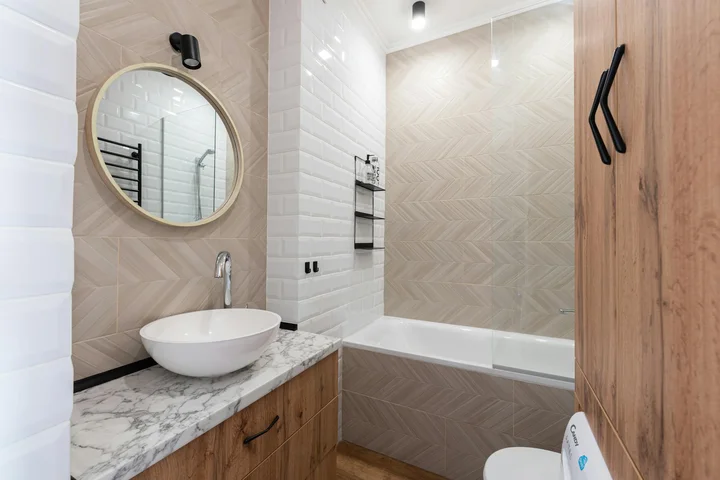
You ask, “How to remove hair dye stains from bathroom tiles?” I’ve been there.
My son’s friend Edward once had a “temporary” green hair gel incident in our guest bath. The tiles told the story for days.
Removing hair dye from tiles is all about understanding the two surfaces you’re dealing with.
The tile face is glazed. It feels smooth and shiny, like a dinner plate.
Dye sits on top of this surface. It is usually easy to wipe away.
The grout is a different beast. It is rough and porous, like a sponge.
Grout drinks in the dye, making stains much trickier to lift.
Cleaning Glazed Ceramic or Porcelain Wall Tiles
Treat the tile surface like you would a porcelain sink. Gentle solvents are your friend.
Rubbing alcohol or plain white toothpaste work beautifully here.
I use 70% isopropyl alcohol in a small spray bottle. I spritz it right on the stain.
Let it sit for a minute to break the dye’s grip.
An old toothbrush is your best tool for control around edges and corners.
Scrub in tiny circles. The bristles get into the microscopic texture of the glaze.
For smaller spots, I grab the toothpaste. The mild abrasives lift the stain.
A dab of paste, a quick scrub with the toothbrush, and a wipe cleans it up. My mom Martha taught me this trick decades ago.
Reviving Stained Tile Grout
This is the hardest part. Grout stains require patience and a gentle touch.
Always start with the mildest method. A thick baking soda paste is perfect.
Mix baking soda with just enough water to make a paste. It should be like wet sand.
Smear it over the stained grout lines. Let it sit for 15-20 minutes.
The paste dries and can pull some of the color out with it.
Scrub it off with a stiff brush. An old toothbrush works, but a dedicated grout brush is better.
If the stain remains, try a stronger paste. Mix baking soda with 3% hydrogen peroxide.
This creates a fizzy, oxidizing paste that can lighten the dye.
You must test this peroxide paste on a hidden grout line first. It can bleach colored grout.
Apply the paste, let it fizz for 10 minutes, then scrub and rinse. My aunt Jessica in Arizona uses a similar mix for wine spills.
For a permanent, dark stain that won’t lift, a grout pen is a last resort.
It paints over the stain. Think of it as makeup for your bathroom. It covers the flaw but doesn’t clean it.
After the Stain is Gone: Rinsing and Protecting Your Bathroom
Your work isn’t done when the color disappears. Cleaning residue can cause problems later.
Rinse every cleaned surface thoroughly with clean, cool water. Do this until all paste or cleaner is gone.
I rinse twice, sometimes three times. Any leftover baking soda will feel gritty.
Dry everything with a clean, soft towel. This prevents water spots and stops mildew in damp grout.
For your next hair coloring session, a little prevention saves a big cleanup.
Apply a thin barrier of petroleum jelly around your hairline and the sink edge. It creates a slick wall the dye can’t stick to.
Lay an old, dark towel over the counter. My mother-in-law Brianna does this without fail. It catches every drip.
Most hair dye stains come out with patience and a gentle method. I’ve cleaned up my fair share, and my bathroom still looks fresh. However, sometimes washing out hair dye can be tricky.
FAQ about Removing Hair Dye from Bathrooms
1. I just spilled dye! What’s the absolute first thing I should do?
Immediately wipe up all wet dye with a damp microfiber cloth. Acting within this “golden window” before it dries is your most effective step and can make the entire cleanup much easier. Quick action is also key to removing dye stains from fabrics and other textile surfaces. In the next steps, implicit links will lead you to fabric-specific stain-removal tips.
2. What’s a good alternative if I don’t have rubbing alcohol?
Non-gel, whitening toothpaste is a highly effective substitute on sinks and tiles. Its mild abrasives and peroxide content can lift stains without harsh chemicals, but always test it in a hidden spot first.
3. How can I stop this from happening during my next color session?
Apply a thin layer of petroleum jelly around the sink edge and your hairline to create a barrier. Also, lay down a dedicated dark-colored towel over the counter to catch any accidental drips or splatters.
4. What if the stain is totally dry and my usual method isn’t working?
For a dried, set-in stain, switch to a poultice method. Cover the stain with a thick paste of baking soda and water, seal it with plastic wrap, and let it sit for several hours to draw the color out. This technique is one of the many stain removal methods that have evolved over time.
5. Is hand sanitizer safe to use on these surfaces for a quick fix?
Yes, the alcohol in hand sanitizer can work as a quick solvent on non-porous surfaces like porcelain or sealed quartz. Apply a small amount, let it sit for a minute, then wipe clean and rinse thoroughly.
Smart Habits for a Stain-Free Bathroom
The most critical advice is to always act the moment you see the stain. Blotting up wet dye before it dries makes every cleaning method that follows easier and more effective. I rely on this fast response for everything from Roger’s hunting gear to unexpected messes. If you’re dealing with dyed fabrics, the remove dye stains from clothes guide offers quick, step-by-step tips. It’s a natural next read after these quick fixes. Find more of my real-life cleanup stories and solutions on the Stain Wiki blog.
Suzanne is an accomplished chemist, laundry expert and proud mom. She knows the science and chemistry of stains and has personally deal with all kinds of stains such as oil, grease, food and others. She brings her chemistry knowledge and degree expertise to explain and decode the science of stain removal, along with her decades long experience of stain removal. She has tried almost everything and is an expert on professional and DIY stain removal from clothes, fabric, carpet, leather and any other items dearest to you.