
How to Remove Water Stains and Other Stains from Granite Countertops
Seeing a cloudy ring or dark spot on your granite can make your heart sink. Take a deep breath-you can usually fix it with items from your pantry, like baking soda or isopropyl alcohol.
This guide will walk you through everything you need to know:
- How to quickly identify water stains versus oil-based stains like cooking grease.
- Safe, non-toxic cleaning solutions that won’t etch or dull your counter’s shine.
- My tested poultice method for pulling deep, stubborn stains right out of the stone.
- Simple daily habits to prevent new stains from ever setting in.
I’ve cared for granite in my own home for over a decade, troubleshooting stains from my kids’ art projects and my husband’s workshop gear.
Why Does Granite Stain in the First Place?
Think of your granite countertop less like a solid plate and more like a very dense, polished sponge. Even the most beautiful slab has microscopic pores.
A quality sealant is your granite’s first and most important defense, acting like an invisible raincoat for those tiny pores. I reapply sealer to my kitchen island every year, right after I deep-clean my oven. It’s become a ritual.
It’s vital to know the difference between a stain and an etching. A stain happens when a liquid is pulled into the stone and gets trapped. An etching is a chemical burn, usually from acid, that permanently dulls the polished surface.
We’re talking about stains today. My mom, Martha, gave me a harsh lesson on etching years ago. She left a sliced lemon on her brand-new granite vanity overnight. The next morning, there was a sad, foggy ring where the lemon juice ate into the shine. That’s etching, and it needs a different fix.
Is It a Water Stain or Something Else? How to Tell
Identifying your stain correctly saves you time and prevents more damage. They each have a distinct personality.
Hard water stains appear as chalky white rings or splotches. They feel slightly rough or gritty to the touch. You’ll often find them around the faucet where water droplets constantly evaporate.
Oil-based stains are darker. Think cooking grease, butter, or lotion. They create a deep, shadowy spot that can look wet. A simple water test can confirm an oil stain: if the dark spot seems to vanish when you splash water on it, you’re dealing with an oil-based intruder.
Soap scum leaves a filmy, rainbow-colored sheen, usually near the sink. It feels slick and doesn’t absorb like water or oil.
Organic stains from coffee, wine, or fruit juice can be reddish or brown. They soak in and leave a colored mark behind, just like they would on fabric. Organic stains on fabric can be tricky to remove.
Take a moment to really look at the spot. The right identification leads you straight to the right solution.
My Go-To Method for Removing Water Stains and Mineral Deposits

I call these “ghost rings.” You know the ones. A dull, cloudy white mark from a sweating glass, or a faint ring left behind from a damp sponge. My granite island sees it all, from Jessica’s endless cups of “tea” (mostly water) to Roger’s sweaty post-workout shaker bottles.
For these common hard water stains on granite, a baking soda poultice is my absolute first move every single time. It’s gentle, non-toxic, and uses something you already have. Think of it as a drawing salve for your countertop.
How to Make and Use a Baking Soda Poultice
Grab your box of baking soda and some hydrogen peroxide (the standard 3% solution from the first aid aisle) or water. I prefer hydrogen peroxide for a little extra lifting power on tougher mineral deposits.
- Create your paste. In a non-metallic bowl, mix baking soda with your liquid. You want a thick, spreadable paste. The perfect consistency is like creamy peanut butter or thick frosting. If it’s runny, add more baking soda.
- Clean the area. Wipe the stained spot with a damp cloth to remove any surface crumbs or grease. A clean surface lets the poultice work directly on the stain.
- Apply the paste. Using a plastic putty knife or even a old gift card, spread a thick layer (about 1/4 inch) over the stain. Extend it about an inch past the stain’s edges.
- Cover and wait. This is the patience part. Tear a piece of plastic wrap and press it tightly over the paste to seal it in. This prevents it from drying out too fast. Let it sit for at least 12 hours, or up to 24 for stubborn rings.
- Remove and reveal. Peel off the plastic. The paste will be dry and crumbly. Use the plastic putty knife to gently scrape it all away into the trash. Wipe the area thoroughly with a clean, damp cloth.
Why This Simple Trick Works
The science is pretty neat. As the wet poultice slowly dries on the granite surface, it creates a capillary action. This action pulls the mineral deposits (the calcium and magnesium from hard water) up and out of the stone’s microscopic pores and into the baking soda paste.
This exact method is how I get hard water stains off my granite island every week. It’s my reliable, first-response tactic. For rings that have been there longer, like one left by a plant pot from my Aunt Jessica’s last visit, I might need to repeat the process once more. But 9 times out of 10, this does the trick beautifully, unlike traditional cleaning methods for granite counters which often fall short.
How Do You Get Stubborn Oil and Grease Stains Out of Granite?
Water-based stains are one thing. Oil and grease? They’re a whole different game.
Water sits on the surface. Oil gets pulled down deep into the stone’s pores.
You can’t just wipe an oil stain away; you have to draw it back out from the inside. This means you need a different tool in your kit, a method called a poultice.
The Poultice Method: Drawing Stains Out from the Inside
Think of a poultice like a magnet for grease. You mix an absorbent powder with a safe chemical that can break down oil. You paste it over the stain, cover it, and let it sit.
As the liquid in the paste evaporates through the plastic wrap, it literally pulls the oil up out of the granite and into the powder. It’s slow, but it works.
For oil and grease, a baking soda poultice with acetone is highly effective for many stains. Acetone is a powerful solvent for breaking down oils. Surfactants and emulsifiers help lift and emulsify grease, making it easier to rinse away. They work well with solvents to tackle oily stains.
Please note: Acetone is flammable and has strong fumes. Only use it in a very well-ventilated area, away from any open flame. Wear gloves. This is a method I reserve for professional-level jobs at home.
How to Make and Use a Baking Soda & Acetone Poultice
- Mix baking soda and acetone in a glass or ceramic bowl until it forms a thick, spreadable paste, like peanut butter.
- Dampen the stained area of the granite with a little water. This helps the poultice stick.
- Spread the paste over the stain, about 1/4 to 1/2 inch thick. Extend it an inch past the stain’s edges.
- Cover the paste completely with plastic wrap. Tape down the edges with painter’s tape to seal it airtight.
- Let it sit for 12 to 24 hours. This is not a quick fix.
- Remove the plastic and let the paste dry completely to a powdery crust.
- Gently scrape the paste away with a plastic putty knife or credit card. Wipe the area clean with a damp cloth and dry it.
A Cautionary Tale: Roger’s Hunting Gear
I learned my lesson about harsh degreasers the hard way.
My husband, Roger, left his freshly cleaned (but still slightly oily) rifle case on our kitchen island. It left a dark, hungry blotch.
In a panic, I grabbed a heavy-duty citrus degreaser. I sprayed it on, let it sit, and scrubbed.
The stain lightened a little, but I was left with a dull, etched patch where the harsh acids in the cleaner damaged the granite’s polish. I traded a stain for a permanent dull spot. It was a frustrating lesson.
Store-bought degreasers, vinegar, and lemon juice are too acidic for granite. They will etch the surface every single time.
The Virtue of Patience
After fixing Roger’s mess properly with a poultice, I learned the key rule for oil stains: patience.
Do not rush this process. If the stain is still visible after your first 24-hour treatment, simply mix a fresh batch of poultice and do it again.
Deep oil stains from cooking grease, butter, or lotions can take two, sometimes three, overnight sessions to fully pull out. Don’t get discouraged if it doesn’t vanish immediately.
Repeat the poultice treatment until no more oil is being pulled into the paste, which you’ll see as a dark discoloration in the dried powder.
Quick Fixes for Food, Ink, and Other Common Spills

Granite feels solid, but daily life throws messy surprises at it. I keep these simple steps ready for the spills my family makes most often.
-
Coffee or Tea
My mother-in-law Brianna adorns her sweet tea. During her last visit, a condensation ring formed under her glass. I acted fast. Blot every drop with a clean, dry microfiber cloth immediately. Next, I used a drop of clear dish soap in a bowl of warm water. Gently wipe the area with the soapy water using a soft cloth, then rinse and dry completely. This prevents a dull, permanent ring.
-
Berry Juice
Blueberry smoothie splatters or strawberry juice drips leave a vivid stain. Time is your best friend here. Sop up the fresh juice right away with a stack of paper towels. Mix baking soda with a little water to form a thick, spreadable paste. Cover the stain with the paste and let it work for several hours or overnight. The paste will draw out the color. Wipe it off with a damp cloth.
-
Ink
A leaked pen can cause real panic. I keep a bottle of 91% isopropyl alcohol in my cleaning kit for this. This method is also handy for removing pen marker ink stains from fabrics and hard surfaces. Dab the ink spot carefully with a cotton swab soaked in alcohol. Always do a quick test on a hidden corner first. The alcohol dissolves the dye. Follow by wiping the area with a water-dampened cloth to remove any residue.
-
Crayon
My daughter Jessica’s abstract art period involved our granite countertops. I found waxy, colorful lines everywhere. First, softly scrape off the bulk of the wax with a plastic scraper or an old credit card. Metal tools can leave fine scratches. Clean the remaining film with a cloth, warm water, and a tiny bit of mild soap. For any last sticky bits, a cloth with a little rubbing alcohol does the trick.
What Cleaning Solutions Are Safe for Granite? (And What to Run From)
Let’s get straight to your biggest question. You want a sparkling countertop, but you’re terrified of creating a permanent, dull spot.
I get it. Choosing the wrong cleaner on granite is a heart-stopping mistake you only make once.
The golden rule for granite is simple: you must use cleaners that are pH-neutral or very slightly alkaline. This helps prevent staining, which is particularly important compared to other materials like quartz or marble.
Your Short List of Safe, Daily-Use Cleaners
For everyday messes, from peanut butter smears to dried milk, you only need a couple of trusted options.
- Plain Water & A Microfiber Cloth: This is your first line of defense. For probably 80% of my family’s spills, a damp microfiber cloth is all I grab. It lifts crumbs and light grime without any chemical risk.
- A Dedicated pH-Neutral Stone Soap: I keep a bottle of this in my cabinet. It’s formulated specifically for natural stone. A few drops in warm water creates a gentle, effective clean that won’t degrade your countertop’s protective sealant over time.
- Diluted Isopropyl Alcohol (for disinfecting): When my son Jason brings home a cold, or after handling raw chicken, I want to sanitize. Mix 70% isopropyl alcohol with an equal part of water in a spray bottle. It disinfects and dries streak-free without harming the stone.
The “Absolutely Never” List: What to Run From
This list is non-negotiable. My Aunt Jessica adores her white wine and her homemade vinegar cleaner for her Arizona tile, but that bottle never touches my granite.
Using acids or harsh chemicals on granite is like using sandpaper to clean your car’s wax-you strip away the protection and damage the surface underneath.
Here is what you must avoid, and exactly why:
- Vinegar, Lemon Juice, or Any Acidic Cleaner: These etch the stone. They chemically burn the surface, leaving a cloudy, dull spot where the shine is gone forever. Water stains can sometimes look like etching, but real etching is a permanent scar.
- Glass Cleaners (like Windex), Bleach, or Ammonia: These are often too harsh or acidic. They can slowly break down the sealant, leaving your stone vulnerable to deeper stains and more etching.
- Abrasive Powders or Scrubbing Pads: Think baking soda paste or a green scrubby pad. These can physically scratch the polished surface. Granite is hard, but the polish is not immune to grit.
Remember, a sealed granite countertop has a protective barrier. Harsh cleaners don’t just clean the surface; they eat away at that crucial shield. Once it’s gone, your counter is a stain magnet. Keep it simple and safe. That same stain-removal maintenance mindset applies to quartz countertops as well. For quartz, use gentle, pH-neutral cleaners and blot spills promptly to keep them looking pristine.
How to Protect Your Granite and Stop Stains Before They Start
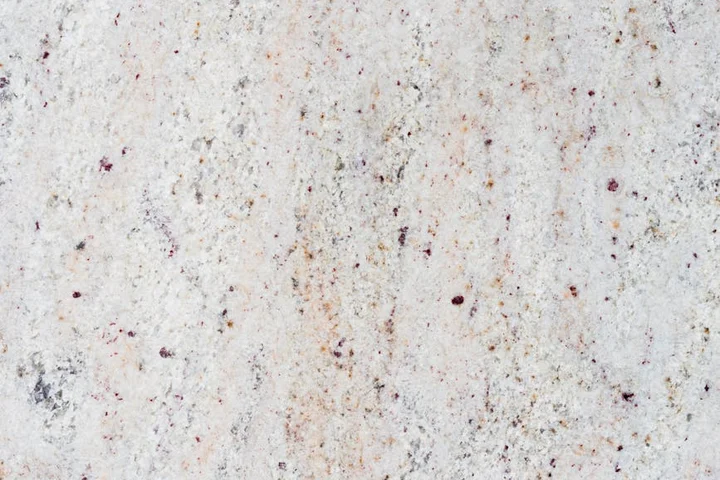
Let’s talk prevention. It’s far easier to stop a stain than to fight one later.
I think of granite sealant like a raincoat for your counter. This liquid product soaks into the stone’s tiny pores and creates a barrier.
A good sealant repels water, oil, and juice, giving you precious time to wipe up spills before they become permanent marks.
Is Your Sealant Still Working? The Simple Water Bead Test
My mom, Martha, taught me this years ago. You don’t need any special tools.
Sprinkle a few drops of water on a dry section of your granite. Watch closely for a minute.
If the water forms tight, shiny beads that sit on the surface, your seal is strong. If the water soaks in fast and leaves a dark, damp ring, it’s time for a fresh coat.
I do this test in my own kitchen every six months, usually when I’m wiping down after dinner. It takes seconds and sets my mind at ease.
Smart Habits Are Your Best Defense
Sealant is a shield, but daily care is your strategy. I have a simple kitchen rule everyone knows: “No cup, no cutting, directly on the stone.”
This means we always use:
- Coasters for every glass, mug, or bottle. Condensation is a sneaky cause of water rings.
- Trivets or hot pads under pots, pans, and baking dishes. Sudden heat can stress the sealant.
- Cutting boards for all food prep. Even a quick chop can leave a scratch for stains to hide in.
My husband Roger is an outdoorsman, and his hunting gear gets the same respect. We don’t set wet field knives or oily tools directly on the granite in the mudroom.
These habits become automatic, like putting on a seatbelt, and they prevent almost every common stain.
With this kind of care, your granite will stay beautiful for years. It’s a durable, resilient surface.
Honestly, a well-maintained granite countertop is tougher than the soccer cleat stains I scrub out of Jason’s uniforms every week. A little prevention makes all the difference.
FAQ about Removing Stains from Granite
1. The water stain on my granite isn’t coming off with a regular wipe. What’s my next step?
For a cloudy white water ring, create a poultice by mixing baking soda with hydrogen peroxide or water into a thick paste. Cover the stain with it, seal with plastic wrap, and let it sit for 12-24 hours to draw the minerals out.
2> I just spilled something (wine, grease, ink) on my counter. What should I do right this second?
Immediately blot-don’t wipe-the spill with a clean, absorbent cloth or paper towel. Then, clean the area with a soft cloth, warm water, and a drop of pH-neutral dish soap, rinsing and drying thoroughly.
3> What’s a simple, safe cleaner I can make at home for daily use?
For daily cleaning and disinfecting, mix 50% water and 50% 70% isopropyl alcohol in a spray bottle. It’s safe for granite, cuts grease, disinfects, and dries without streaks.
4> What is the single most damaging thing I should avoid using on my granite?
Never use vinegar, lemon juice, or any acidic cleaner. These will permanently etch the surface, creating a dull, cloudy spot that cannot be polished out without professional help.
5> How often do I really need to reseal my granite to prevent stains?
Test your sealant every 6 months with the water bead test. If water soaks in instead of beading, it’s time to reseal; for most homes, applying a quality impregnating sealer every 1-2 years is sufficient.
Smart Habits for Stain-Free Granite
Always start with a gentle, pH-neutral cleaner for any stain-it safely lifts messes without damaging the stone’s seal. Quick blotting and regular sealing prevent most problems, keeping your counters resilient against everything from water rings to Jessica’s art-project spills.
I rely on these simple rules in my own home, a lesson reinforced after Martha showed me how her worn North Texas counters stayed perfect. For more hands-on guides and stories from our messy, wonderful household, join me here at Stain Wiki.
Suzanne is an accomplished chemist, laundry expert and proud mom. She knows the science and chemistry of stains and has personally deal with all kinds of stains such as oil, grease, food and others. She brings her chemistry knowledge and degree expertise to explain and decode the science of stain removal, along with her decades long experience of stain removal. She has tried almost everything and is an expert on professional and DIY stain removal from clothes, fabric, carpet, leather and any other items dearest to you.