How to Get Curry Stains Out of Clothes and Carpets
Seeing a curry stain spread on fabric can feel defeating, but I promise it’s fixable. Your first move is always to blot up excess sauce and flush the area with cold water to dilute the oils and pigments.
This article gives you my proven, step-by-step plan. Here’s exactly what we’ll cover:
- Why curry’s turmeric and grease create such a tough, two-part stain.
- The immediate treatment for fresh spills on cotton, polyester, and delicate fabrics.
- My carpet-cleaning routine that saved my rug after a dinner with Aunt Jessica.
- How to tackle a dried, set-in stain that’s been sitting for days.
- Smart prevention tips I use with my own kids, Jason and Jessica.
I’ve tested these methods for years, on everything from my husband Roger’s work shirts to my dog Peeta’s favorite nap spot.
Curry Stain Panic-Level and Why It’s So Tough
I give a fresh curry spill a panic-level of 7 out of 10. It’s serious, but not hopeless if you move fast.
You have a golden window of about 30 to 60 minutes before the stain’s components really set into the fibers.
Curry is a triple threat. First, it has an oily or greasy base that bonds to fabric. Second, it often contains turmeric, a powerful natural yellow dye that stains like a marker. Third, it can have acidic tomato or creamy dairy, which each need different handling.
I learned this the hard way when my son Jason brought home a takeout container and his elbow landed right in a plate of tikka masala. The result was a greasy orange blob on his prized white soccer jersey. We had to act immediately.
Think of it as a combination of a cooking oil stain and a permanent marker. It’s tougher than red wine but has a similar urgency as a fresh grease stain.
Before you put anything on the stain, you must do a test. Find a hidden seam or corner and apply your cleaning solution there first. Check for colorfastness and material damage after a few minutes, especially when trying to remove dye stains.
Your Stain Removal Toolkit: What You’ll Need
Gathering your supplies before you start saves precious time. Here’s what I always have ready.
- White Cloths or Paper Towels: You need a clean, white, absorbent material for blotting. Color from a dyed towel can transfer.
- A Dull Knife or Spoon: This is for gently scraping off any chunky, solid bits of food without grinding them in.
- Liquid Dish Soap (like Dawn): This is your first line of defense. Dish soap is engineered to cut through grease and oils on contact.
- White Distilled Vinegar: Its mild acidity helps break down the stain and can neutralize odors. It’s great for a follow-up rinse.
- Baking Soda: This acts as a gentle abrasive and odor absorber. For carpets, I make a paste with water to help lift residue.
- Enzyme Laundry Detergent (like Persil or Tide Ultra Oxi): The enzymes target organic matter, breaking down the proteins and fats in the curry.
- Oxygen-Based Bleach (like OxiClean): This is your MVP against turmeric’s yellow dye. It oxidizes and lifts the color without the damage of chlorine bleach.
My favorite tool is the simple spray bottle I keep under the sink, pre-mixed with a bit of dish soap and water. It lets me apply a pre-treatment fast, which is half the battle.
First Aid: What to Do the Second Curry Spills
Speed is everything. Don’t panic, just start this sequence.
First, use the dull edge of a knife or a spoon to gently lift off any big pieces of meat or vegetable. Be careful not to press down and spread the stain.
Next, grab a white cloth. Start blotting from the outside edge of the stain toward the center. The rule is to blot, never rub. Rubbing pushes the oil and dye deeper into the fabric, making it harder to remove oil stains from clothing.
For carpets and upholstery, you need to tackle the oil before adding moisture. Putting a drop of clear dish soap directly on the stain, like you would for couch or sofa fabric, helps break down the grease. Let it sit for one full minute, then dab gently with a damp white cloth.
For clothes, get to a sink. Turn the garment inside out and run cold water through the back of the stain. This pushes the stain out the way it came in, instead of flushing it deeper into the fabric. Quick rinsing is especially effective for poop stains, helping keep the stain from setting. In the next steps, we’ll link to poop-stain removal tips.
My aunt Jessica taught me a tough lesson years ago. She spilled curry on a linen tablecloth and immediately threw it in a hot wash. The heat permanently set the turmeric dye and the oil. We could never get it out. Heat is the enemy-avoid hot water, dryers, or irons until the stain is completely gone.
How Do You Get Curry Stains Out of Clothes? A Fabric-by-Fabric Guide
Curry is a tough stain because it has both oily grease and strong pigments. The key is to treat the grease first, then tackle the color.
Your fabric type decides your battle plan.
For Washable Cottons, Linens, and Polyester
This is your most forgiving scenario. You can be a bit more aggressive.
- Scrape. Gently use a dull knife or spoon to lift any thick, pasty bits off the fabric.
- Pretreat the Grease. Put a drop of clear dish soap (like Dawn or Palmolive) directly on the stain. Rub it in gently with your fingers. Let it sit for 10 minutes. The soap breaks down the oils.
- Soak in Enzyme Power. Fill a sink or basin with cool water. Add a scoop of an oxygen-based cleaner (like OxiClean) and a capful of an enzyme laundry detergent (like Tide or Persil). Soak the garment for at least one hour, or overnight for old stains.
- Wash. Wash the item in the hottest water the care label allows, using your regular detergent. Check the stain before drying. If it’s gone, dry as normal. If a shadow remains, repeat the soak and wash.
Never put a curry-stained item in the dryer until the stain is completely gone, as the heat will set it permanently.
For Delicate Wool, Silk, or Synthetic Blends
These fabrics are more temperamental. You need a softer touch.
- Blot, Don’t Rub. Use a clean, white cloth to blot up as much curry as possible. Rubbing pushes the stain deeper.
- Test Your Solution. Mix one tablespoon of white vinegar with two tablespoons of cool water. Dab this on a hidden seam or hem to check for colorfastness.
- Apply the Vinegar Solution. If the test is clear, dab the stain with your vinegar-water mix. Use a blotting motion from the outside of the stain toward the center.
- Rinse and Repeat. Blot with a cloth dampened with plain cool water to rinse. Keep alternating between the vinegar solution and plain water blotting until the stain lightens.
- Wash Gently. Hand wash according to the garment’s care instructions with a mild detergent. Let it air dry.
For “Dry Clean Only” Garments
Your job here is damage control for the professional.
Blot away any excess with a clean cloth immediately. Do not add water or soap. As soon as you can, point out the stain clearly to your dry cleaner. Being aware of common stain-removal mistakes to avoid will help you get the best result and set up the next steps smoothly.
Tell them exactly what caused the stain-mention “curry” or “turmeric grease.” This gives them the best chance to use the right solvents.
My Aunt Jessica, who loves her elegant silk blouses, taught me this. She once spilled curry on a favorite top at a dinner party. She calmly blotted it, bagged the shirt, and told her cleaner the next day. They got it out completely because she gave them the right information from the start.
For Old, Set-In Curry Stains
If a stain has been through the wash and dryer, it’s a challenge. Don’t give up yet.
Make a thick paste of baking soda and a little water. Smear it over the stain and let it sit for an hour. The baking soda can help pull out old, oxidized pigment, especially pen or marker ink stains.
For white cottons, try a longer soak. Use the oxygen bleach and enzyme detergent soak from the first method, but let it sit for 6-8 hours. Check progress periodically.
A Quick Note on Recommended Products
Having the right tools makes this easier. I always keep two things on hand.
- An Enzyme Pre-Wash Spray: Products like Shout or Zout are great for a quick application on grease before a wash.
- An Oxygen-Based Powdered Cleaner: This is your heavy lifter for soaks. It’s safe for colors and breaks down organic stains brilliantly.
My Go-To Homemade Curry Stain Solution
Sometimes you just need a quick fix from the kitchen. This paste has never let me down.
Mix one drop of clear dish soap, a small splash of white vinegar, and enough baking soda to make a spreadable paste. The soap attacks the grease. The vinegar works on the turmeric dye. The baking soda foams and lifts everything from the fabric fibers.
I used this last week on Roger’s favorite light-blue work shirt. Jason was showing him a new soccer move at the dinner table, and a spoonful of yellow curry went flying. I applied the paste, let it fizz for 15 minutes, then rinsed it under cool water. The stain washed right out in the next load. It’s my first line of defense for fresh messes.
How Do You Remove Curry Stains from Carpets and Upholstery?
The principle is the same: grease first, then color. But with carpets, you have to be careful not to overwet the padding.
- Blot the Grease. Use a stack of plain white paper towels or a clean cloth. Press down firmly to soak up the oily part of the spill. Change towels as they get stained.
- Apply a Dilute Dish Soap Solution. Mix a teaspoon of clear dish soap with a cup of warm water. Dab this onto the stain with a clean cloth. Don’t pour it. Blot gently to work it in.
- Blot and Rinse. Blot up the soapy solution with dry towels. Then, dab the area with a cloth soaked in plain cool water to rinse out the soap.
- Attack the Color. Mix one part white vinegar with two parts cool water. Dab this solution onto any remaining yellow stain. You should see the color transfer to your cloth.
- Blot Dry. Use dry, absorbent towels to press out as much moisture as you can. Place a heavy book on a dry towel over the spot for an hour to pull out residual dampness.
For Thick Rugs or Deep Pile Carpet
My living room rug is thick. Spoons aren’t just for eating here.
After applying your cleaning solution, I gently use the back of a spoon to work it into the fibers. This helps the cleaner reach the base of the stain without harsh scrubbing that can fray the carpet.
I lay down multiple layers of dry towels and stand on them to really press the moisture up and out of the deep pile.
For Car Interiors and Furniture
Use the exact same blot-and-dab method. Always test your vinegar solution on a hidden area first, like under a car seat or behind a cushion.
For microfiber upholstery, blot even more carefully. Too much moisture can leave a water ring. I learned this cleaning the sofa after Peeta decided to nap with muddy, curry-scented paws. Slow, patient blotting with a barely-damp cloth worked wonders.
For Stubborn Old Carpet Stains
If a stain has been there a while, you may need to repeat the entire process two or three times.
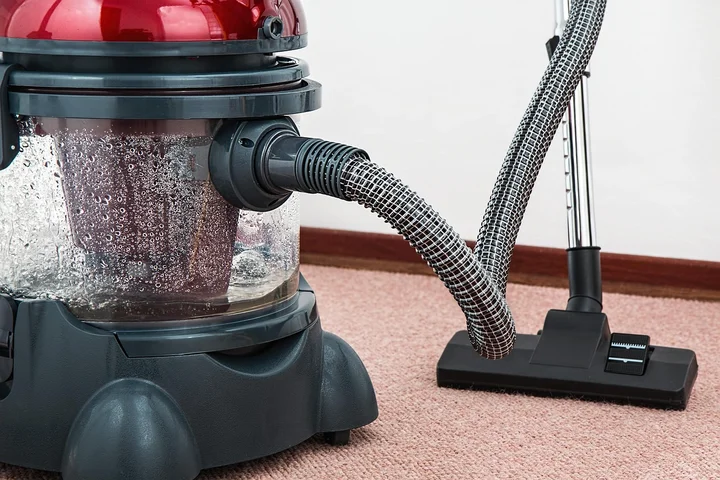
If you own a carpet cleaner extractor, use it with just hot water after your manual cleaning. The suction will pull deeply embedded stain remnants from the base of the carpet. My machine has rescued our hallway carpet more than once after hurried dinner spills. For tougher stains, a brief cold-water pre-rinse can help before the hot extraction. That hot–cold approach is a common tip you’ll see in stain-removal guides as you proceed.
After the Clean: Drying, Checking, and Preventing Future Messes
You’ve scrubbed and rinsed. Now, the most critical phase begins. I call this the ‘Post-Treatment Recovery.’ Getting this wrong can undo all your hard work.
Always, always let the item air dry completely. Find a spot away from direct heat and sunlight. My laundry room has a rod perfect for this.
Heat is your enemy here, as it can cook any leftover oils or pigments right back into the fibers. I learned this the hard way with one of Roger’s good shirts. A faint shadow I missed turned permanent after a trip through the dryer.
How to Check if the Stain is Really Gone
Never trust a quick glance. Once the fabric is bone dry, do a proper inspection.
- Take it to the best light in your house. I stand by a window.
- Look at the spot from different angles. A lingering stain often shows as a dull shadow.
- Run your fingers over the area. Does it feel slick or crusty? Oily residue means more dish soap work is needed.
The golden rule in our house is simple: if you have even a sliver of doubt, air dry it again and retreat. The dryer is only for confirmed victories.
Stopping the Next Curry Catastrophe
Prevention is less stressful than removal. My mom Martha, who makes a fiery Texas curry, has one non-negotiable rule: the apron goes on before the pot comes out. It’s a good rule.
I keep a small caddy under the kitchen sink with my first-line defenders. It has a spray bottle of dish soap solution, a tub of OxiClean powder, and a roll of paper towels.
Treating a spill immediately, before it thinks about setting, is the single best thing you can do. For my toddler Jessica, “immediately” sometimes means mid-meal. A quick blot and a dab of soap on her sleeve saves a full laundry session later.
For carpets, I keep a few commercial stain wipes in the drawer of the dining table. They’re not perfect for everything, but they’re fantastic for instant blotting on a creamy turmeric drip. I’ve learned that different stains often require different methods for clothing and carpets.
Don’t Lose Hope on Tough Stains
Did a stain set before you found it? Maybe it went through the dryer. It happens to everyone.
Most set-in stains can be significantly improved, if not completely removed, with patience and repeated treatments. That old tablecloth from my aunt Jessica? It had a year-old yellow ring. Two overnight soaks in enzyme detergent and sunlight drying got it 95% better.
For fabrics that can handle it, letting the pre-treatment paste sit for a full 24 hours can work wonders. For carpets, a second gentle scrub with the carpet cleaner a week later often lifts the last bit of color.
Curry is a tough opponent, but it’s rarely unbeatable. With calm steps and a little persistence, you can win.
FAQ about Removing Curry Stains
What if I don’t have dish soap for the initial grease treatment?
Immediately blot the spill and sprinkle baking soda or cornstarch on it to absorb the oil. Follow this by dabbing with a cloth dampened with white vinegar to start breaking down the turmeric dye before a proper wash.
The yellow stain is still visible after washing my shirt. What now?
Do not dry the garment. Create a thick paste of oxygen-based bleach (like OxiClean) and water, apply it directly to the remaining stain, and let it sit for an hour before washing again in cool water. This is especially useful for set-in stains on fabric.
Is vinegar safe for all delicate fabrics like silk or wool?
Always test vinegar on a hidden seam first. If you’re concerned, skip it and use a longer, cool-water soak with a few drops of mild enzyme laundry detergent instead, then rinse thoroughly.
How can I prevent a stain from setting if I can’t treat it for a few hours?
Blot up all excess, then lightly dampen the stain with cold water and roll the item in a plastic bag. This keeps the stain from drying out and setting until you can properly treat it, especially when dealing with suede stains.
My item is a cotton-polyester blend. Which removal method should I use?
Follow the guide for “Washable Cottons, Linens, and Polyester.” These synthetic blends are durable and respond well to dish soap pre-treatment and an enzyme detergent soak.
Your Curry Stain Success Strategy
Your best defense is treating the stain the instant you see it, using an enzyme-based detergent to tackle the oily turmeric base. I follow this rule after every meal with Jessica’s “help,” and it keeps our clothes and carpets clean. For more proven methods from our messy, real-life tests, keep reading right here on Stain Wiki.
Written by Suzanne Rosi Beringer. Suzanne is an accomplished chemist, laundry expert and proud mom. She knows the science and chemistry of stains and has personally deal with all kinds of stains such as oil, grease, food and others. She brings her chemistry knowledge and degree expertise to explain and decode the science of stain removal, along with her decades long experience of stain removal. She has tried almost everything and is an expert on professional and DIY stain removal from clothes, fabric, carpet, leather and any other items dearest to you.