How Do You Remove Makeup Stains from White Clothes and Other Fabrics?
That sinking feeling when lipstick or foundation meets your favorite white shirt is all too real. Act fast by dabbing the stain with a makeup remover wipe or a drop of clear dish soap-this quick response can stop the stain from setting.
This guide will walk you through the entire process. Here’s what we’ll cover:
- Why makeup stains are so tricky, especially on bright white fabrics.
- Step-by-step methods for foundation, lipstick, mascara, and blush.
- Safe, non-toxic products that work without damaging fibers.
- How to rescue clothes with old, set-in makeup stains.
- Simple habits to prevent future stains during your routine.
I’ve tested these methods for years, saving everything from my son Jason’s soccer jerseys to my own light-colored work blouses.
Immediate First-Aid for Any Makeup Stain
When makeup hits fabric, your first reaction decides everything. I learned this the hard way watching my daughter Jessica smear her hands on her dress after touching my vanity.
The single most important rule is to blot, never rub. Rubbing grinds the oils and pigments deep into the fibers, making a small smudge into a permanent, ground-in stain.
Your action plan in those first 60 seconds is simple.
- Gently scrape off any globs of product with a dull knife or the edge of a spoon.
- Quickly check the garment’s care label. It tells you what the fabric can handle.
- Always place a clean paper towel under the stain and work from the back of the fabric.
This pushes the stain out onto the towel, not deeper into the cloth.
Heat is your enemy here. My husband Roger once threw a shirt with a little foundation smudge in the dryer, “to get it out of the way.” The heat permanently set the oils, creating a faint yellow shadow we could never lift.
For white clothes especially, this quick action prevents the oils from oxidizing into a stubborn yellow stain that screams “makeup accident.” Keep the item cool and dry until you can treat it properly.
The Makeup Stain Decoder: Treating Each Type
Think of makeup stains like different types of mud on a soccer uniform. You wouldn’t treat thick clay mud the same as a greasy grass stain. Identifying your enemy lets you choose the right weapon.
How Do You Get Foundation Out of a Shirt?
Foundation is a double threat: oil and pigment. Your best first weapon is a clear, liquid dish soap like Dawn. It’s a degreaser designed to break down oils.
First, do a spot test on an inside seam. This is non-negotiable for white or delicate fabrics.
- Place the stain face-down on a clean towel.
- Apply a single drop of dish soap directly to the back of the stain.
- Gently massage it in with your fingertip or a soft-bristled brush. You’ll see the oily residue start to loosen and transfer to the towel below.
- Let it sit for 10-15 minutes, then rinse thoroughly with cool water from the back side.
For white clothes, this dish soap step is critical to lift the oil before any pigment has a chance to linger and discolor the fibers. After rinsing, you can follow up with a laundry pre-treater.
How Do You Get Lipstick Out of Clothes?
Lipstick is wax and oil with intense color. My Aunt Jessica, a red lipstick devotee, has gifted me plenty of practice with this one on shirt collars.
Start by scraping. Use that dull knife edge to remove as much of the waxy top layer as you can.
Rubbing alcohol (isopropyl alcohol) is a fantastic solvent for breaking down the waxy oils in lipstick. Again, test it first.
- Dampen a white cloth or cotton ball with rubbing alcohol.
- Blot the stain from the back, switching to a clean part of the cloth as the lipstick transfers.
- You’ll see the color magically appear on your cloth. Keep blotting until no more transfers.
- Rinse the area and wash as usual.
How Do You Get Eyeliner and Mascara Out of Clothes?
Pencil formulas are waxy. Liquid ones, especially waterproof, are designed to resist water. This is one time I reach for a product made for the job: makeup remover.
A basic micellar water or an oil-based eye makeup remover on a cotton pad can work wonders. Blot gently from the back.
These removers contain gentle surfactants or oils that break down makeup’s binding agents without harsh scrubbing. They also work on makeup stains on fabrics and carpet, including lipstick and mascara, and can help remove makeup stains from carpet. For stubborn waterproof mascara, let the soaked pad sit on the stain for a minute before blotting.
After treating, I always rinse the area with a little cool water to remove any remover residue before washing.
Heavily Pigmented Stains: Eyeshadow, Blush, Bronzer
These are primarily powder pigments, sometimes with a silicone or oil base. The goal is to lift the powder without grinding it in.
First, gently tap or shake the fabric over a trash can to dislodge loose powder.
Make a thick paste from a few drops of water and a bit of your regular liquid laundry detergent. The detergent enzymes help suspend the pigment.
- Apply the paste to the stain.
- Using a soft toothbrush or your finger, gently agitate it in a circular motion. Don’t scrub violently.
- Let it sit for 30 minutes. You’ll see the paste start to pull the color out.
- Rinse thoroughly from the back with cool water until the water runs clear.
This paste method is gentle and very effective for pulling vivid pigments from white and colored fabrics alike.
| Surface | Best Method to Adapt | Key Adjustment & Note |
|---|---|---|
| Clothing (Cotton, Polyester) | Dish Soap Pretreatment & Laundry | You can be more vigorous here. Scrape off excess makeup, then work the dish soap in with an old toothbrush before washing as usual. For whites, add an oxygen bleach like OxiClean to the wash. |
| Clothing (Delicate: Silk, Lace, Wool) | Gentle Dish Soap & Cold Water Blotting | Skip the alcohol and scrubbing. Patience is your only tool with delicate fabrics. Dilute a drop of clear dish soap in cold water, dab it on, and rinse by blotting with a cold, wet cloth. Let it air dry. |
| Carpet & Rugs | Dish Soap Solution & Blotting | Your main goal is to avoid soaking the backing. Mix a teaspoon of dish soap in a cup of warm water. Blot (never rub) from the outside in. Blot dry with a clean towel. For a set-in stain, my mom Martha’s trick is a paste of baking soda and water left to dry before vacuuming. |
| Upholstery & Car Interior | Rubbing Alcohol for Waxes, Dish Soap for Oils | Test any method in a hidden spot first, like under a cushion. Blot more, rinse less to avoid overwetting the padding. For my car’s cloth seats, I use the cotton ball and alcohol trick for lipstick. For foundation on the headliner, a barely-damp soapy cloth is all I dare use. |
| Hard Surfaces (Countertops, Sinks) | Direct Dish Soap & Wipe | This is the easiest one. A little dish soap on a damp microfiber cloth usually wipes it right off. For stubborn mascara or eyeliner rings, a spritz of rubbing alcohol on the cloth breaks it down fast. Just avoid using alcohol on certain stone surfaces. |
How do you remove makeup stains from other fabrics? The chart above covers the big categories. The rule is simple: match the method to the fabric’s toughness. For sturdy fabrics like denim or canvas, treat them like cotton. For anything fragile or “dry clean only,” stick to the delicate method. When my Aunt Jessica spilled wine and lipstick on her silk blouse, the slow, cold water blotting was what saved it. It’s especially important for stains like lipstick or soda-based makeup stains which can be stubborn.
Chemistry Corner: Why Your Tools Work

Makeup stains are tricky because they’re a team of troublemakers. Think of them as a two-part problem. You have oils and waxes that hold everything together, and you have powdered pigments that provide the color.
The Grease-Cutting Power of Dish Soap
Dish soap is designed to tackle grease on plates. Its molecules have a water-loving end and an oil-loving end. When you apply it, the oil-loving ends swarm around the makeup’s oily base, breaking its grip on the fabric fibers. The water then rinses these encapsulated oil droplets away. It’s like a tiny magnet pulling the stain apart.
Rubbing Alcohol for the Tough Stuff
Products like lipstick, mascara, and some eyeliners contain waxes and resins. These are too tough for dish soap alone. Rubbing alcohol (isopropyl alcohol) is a solvent. It dissolves these waxy binders on contact, turning them from a solid stain back into a liquid you can blot away. I always keep a small bottle in my laundry room for this exact purpose.
The Brightening Boost for Whites
After the oils are gone, you might see a dull color shadow left by the pigments. On white clothes, hydrogen peroxide or an oxygen bleach (like the sodium percarbonate in OxiClean) helps. These work by oxidation. They release oxygen molecules that break the chemical bonds of the colored pigments, making them colorless or easier to wash out. It’s a gentle bleaching action that’s usually safe for colored fabrics too, but especially effective for yellow stains on white clothes.
Safe DIY Alternatives from Your Pantry
Running out of specialty cleaner doesn’t mean the stain wins. I often raid my kitchen for these helpers.
Baking Soda Paste
Mix baking soda with a few drops of water to make a thick paste. I use this on fresh, oily foundation or concealer spills.
The paste acts like a magnet, pulling the oily residue and pigment up and out of the fabric fibers. Spread it on, let it dry to a dull white crust, then brush it off gently.
Vodka or Clear High-Proof Alcohol
No rubbing alcohol? A plain vodka from your cabinet can work in a pinch for lipstick or cream blush.
This acts as a solvent to break down the waxy, oily binders in makeup without leaving a water ring. Dab it on with a clean cloth, working from the edge of the stain inward.
Cornstarch
For a heavy, greasy stain on a sturdy cotton tee, cornstarch is fantastic. My son Jason’s baseball caps often need this.
Generously sprinkle cornstarch on the spot and let it sit for 30 minutes to absorb the grease completely. You’ll see it change texture. Then, just brush or shake it off outside.
Always do a hidden test patch first, especially with alcohol on dark or synthetic fabrics. I learned this the hard way with a pair of Roger’s workout shorts.
What Helped Me: Real-Life Stain Wars
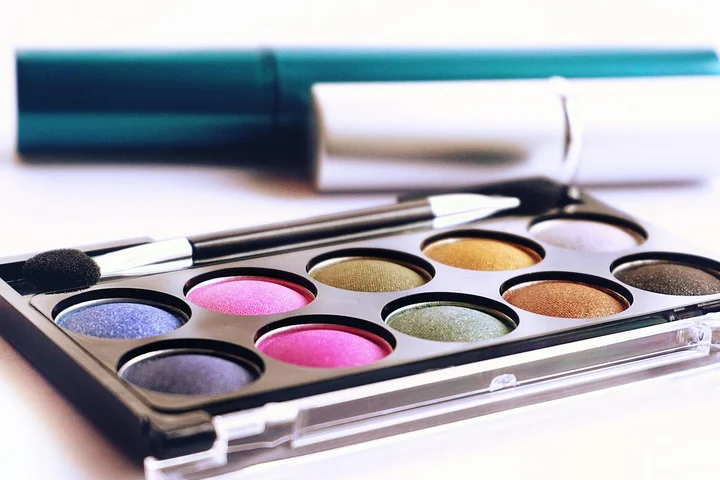
My aunt Jessica’s bold red lipstick met my white linen tablecloth during a family dinner. I saw that bright, waxy smear and my heart sank.
That incident taught me that panic sets stains, but patience and the right solvent lift them. I used a cotton ball with clear alcohol, dabbing slowly and blotting with a paper towel underneath. The red transferred away completely after a few minutes.
For a delicate blouse, I use an old, soft toothbrush. I put a drop of liquid detergent on the stain’s backside.
Gently brushing from the back pushes the stain out through the fabric, not deeper into it. This saves silks and thin linens from damage. For linen fabric, this approach is a simple way to remove stains without harming the fibers.
Set-in mascara on a white cotton pillowcase is a common battle in my house. My fix is simple.
A one-hour pre-soak in warm water with a scoop of oxygen bleach loosens the most stubborn, set-in color. I then wash as usual. It hasn’t failed me yet.
When Stains Fight Back: Troubleshooting Set-In Makeup
So you treated the stain, but a faint mark remains. I get it. This happened just last week with a cream blush stain on my light sweater.
First, take a breath. A leftover stain is a signal, not a defeat.
It tells you the stain has layers or the fabric needs a different approach.
Switch Your Solvent for a Second Attack
If isopropyl alcohol didn’t fully work, the makeup likely has a stubborn oily base. You need a degreaser.
Clear dish soap is my next move because it breaks down oils without harsh chemicals.
Here is exactly what I do, using the bottle of Dawn by my kitchen sink.
- Lay the garment flat, stain side up, on a clean towel.
- Apply a single drop of clear dish soap directly onto the residue.
- Using your finger or a soft-bristled toothbrush, gently work the soap into the fibers for 60 seconds. You will see a slight lather form.
- Rinse the spot under cool, running water, pushing the soap out from the back of the fabric.
- Blot dry with a towel and check. Often, this lifts what the alcohol left behind.
Understanding the “Set” Stain
That stubborn, defined ring? That is a set stain. My aunt Jessica’s wine-stained lip print set into a tablecloth after my mom Martha dried it in the sun.
Heat from a dryer, iron, or hot water binds the oils and pigments tightly to the fabric.
For this, you need a longer, gentler breakdown. An enzymatic pre-soak is your best friend.
Fill a basin or sink with cool water and add a scoop of oxygen-based bleach, like OxiClean. Submerge the item for at least six hours, or overnight. The bubbles work to lift the stain from the inside out.
The Final Option for White Clothes
For pure white, colorfast cotton or polyester, a careful bleach alternative exists. I used this on a white tee after my son Jason’s friend Edward got face paint dye stains on it.
Diluted hydrogen peroxide is a mild oxidizer that can lighten the last traces of pigment.
Mix one part 3% hydrogen peroxide with six parts cool water in a cup. Dip a Q-tip into the solution and dab it only on the stained threads. Wait five minutes, then rinse thoroughly. Always test this mix on an inside seam first.
Can You Really Get Makeup Stains Out?
This is the quiet worry in the back of your mind. I have asked it myself, holding a silk blouse with a foundation smudge.
The answer is almost always yes, with patience and the right sequence of treatments.
Fabrics are resilient. From my daughter Jessica’s crayon mishaps to my own mascara disasters, I have learned that stains usually surrender to consistent, correct care, especially when you know how to remove mascara stains from fabric sheets.
FAQ about Removing Makeup Stains from White Clothes and Other Fabrics
How soon after a makeup spill should I start treating it to save my white shirt?
Act immediately—within the first minute—to blot the stain with a makeup wipe or dish soap. This quick response stops oils from setting and prevents yellow discoloration on white fabrics, especially when dealing with oil stains on denim.
Can I use hand sanitizer instead of rubbing alcohol on a lipstick stain?
Yes, if it’s clear and contains at least 60% alcohol, but test it on a hidden area first. Blot gently and rinse well, as gels may leave residue that attracts dirt.
What should I do if a makeup stain has already dried or been through the dryer?
Pre-soak the item in cool water with an oxygen-based bleach for several hours. Avoid heat until the stain is gone to prevent further setting, especially for biological stains like blood or sweat.
Is it safe to use chlorine bleach on white clothes with makeup stains?
No, chlorine bleach can react with oils and create permanent yellow stains. Use oxygen bleach or diluted hydrogen peroxide for safe, effective brightening.
How can I prevent makeup stains when applying or removing makeup?
Cover your clothes with a towel or robe during your routine and use dedicated makeup removers. Always check for smudges before dressing to catch spills early.
Your Fabric’s Best Defense Against Makeup
Always blot a fresh makeup stain with a clean cloth and a bit of makeup remover or dish soap-rubbing just grinds it in. I keep a travel-sized remover in my bag because, between Jessica’s face-paint experiments and my own lipstick mishaps, quick action saves outfits. If lipstick stains sneak onto fabric, a quick dab-and-blot can lift them before they set on clothing. Find more of my family-tested methods for every spill and smear right here on Stain Wiki.
Written by Suzanne Rosi Beringer. Suzanne is an accomplished chemist, laundry expert and proud mom. She knows the science and chemistry of stains and has personally deal with all kinds of stains such as oil, grease, food and others. She brings her chemistry knowledge and degree expertise to explain and decode the science of stain removal, along with her decades long experience of stain removal. She has tried almost everything and is an expert on professional and DIY stain removal from clothes, fabric, carpet, leather and any other items dearest to you.