How to Remove Grass, Dirt, and Turf Stains from Sports Pants, Jeans, and Other Fabrics?
Grass stains on your kid’s soccer pants or dirt on your jeans after gardening can seem stubborn, but don’t worry. Act quickly by scraping off loose debris and rinsing the stain from the inside out with cold water to prevent it from setting.
In this guide, I’ll walk you through my proven steps, covering:
- The crucial difference between treating fresh mud versus dried-on turf stains.
- My go-to pre-treatment paste using common dish soap for most fabrics.
- How to safely lift stains from delicate synthetics and sturdy cotton denim.
- When to reach for oxygen bleach and how to use it without damaging colors.
- The simple final check I always do before the dryer to ensure the stain is truly gone.
As a stain-removal specialist with years of hands-on experience, from Jason’s soccer kits to Roger’s hunting gear, I’ve tested these methods in my own home.
Stop the Stain Now: Your First 3 Minutes
You know the scene. Jason bursts through the back door, a proud grin on his face and a perfect imprint of the soccer field on his knees. My heart sinks for a second, but I’ve learned to move fast.
Acting before the stain dries and sets is the single biggest factor for getting it out completely.
Your first steps are the same, no matter the fabric. Here’s exactly what I do:
- Take everything outside. Give those pants or that jersey a good shake over the grass to dislodge loose dirt and turf pellets. This keeps the mess out of your house.
- For wet, clumpy mud, grab a dull butter knife or an old spoon. Gently scrape the bulk of the muck off the fabric. Always scrape from the outside of the stain inward to avoid pushing it deeper.
- Let the item air dry if it’s soaked. Never, ever put a stained item in the clothes dryer. The heat will permanently bake the stain into the fibers.
Now, for the big mistakes to avoid. I learned some of these the hard way.
- Don’t rub the stain. Rubbing grinds the pigments and soil deeper into the fabric weave. Instead, gently blot or dab.
- Don’t use hot water initially. Hot water can “cook” proteins and set certain dyes. Start with cool or cold.
- Don’t forget to check pockets. Nothing ruins your day like washing a forgotten crayon with a load of whites.
This immediate care works for Peeta’s muddy paw prints on the carpet, too. Scrape, then blot with a cool, wet cloth. It’s all about containing the mess before you treat it.
Understanding Your Enemy: Grass, Dirt, and Turf Are Different
Treating every outdoor stain the same is like using a mop to clean a mirror. It might spread the problem around.
Grass, dirt, and artificial turf leave behind fundamentally different residues that require tailored approaches. Let’s break them down.
The Green Marker: Grass Stains
Grass stains are tricky because of chlorophyll, the green pigment. Think of it like a green marker. Water alone won’t cut it. You need to break down the waxy plant cells and lift the color. I find enzymatic cleaners or a simple paste of baking soda and water works wonders on these.
The Mud Pie: Dirt Stains
Dirt is rarely just dirt. It’s a mix of clay, soil, organic matter, and often traces of motor oil or grease from driveways. This makes it a combination stain. You’re dealing with both particulate (the grit) and oily components. My approach is to tackle the oil first with a little dish soap, then deal with any remaining discoloration. You can find detailed tips on how to remove motor oil and cooking oil stains before handling the rest of the stain.
The Colored Chalk Mix: Turf Stains
Artificial turf is a modern headache. The black rubber infill crumbles and embeds itself, and the green plastic blades can leave dye stains, especially on light-colored fabrics. It’s like ground-up colored chalk. Vacuuming or using packing tape to lift the rubber bits is your first critical step before any liquid touches the fabric.
Your fabric matters just as much as the stain. Denim is a tough, thick canvas that can handle more vigorous scrubbing. Sports polyester is slick and designed to wick moisture, which can also mean it absorbs stains quickly. I always test my cleaning solution on an inside seam first, especially on those shiny team uniforms. For grease stains on polyester and nylon, a gentle, targeted approach works best. I’ll cover how to remove grease stains from polyester and nylon clothing in the next steps.
The Go-To Treatment for Fresh Grass Stains

How do you remove grass stains from jeans? You act fast and attack the stain from the back. Do grass stains come out of jeans? Absolutely. I’ve salvaged countless pairs from Jason’s soccer practices and Peeta’s muddy backyard romps.
What You’ll Need From Your Kitchen or Laundry Room
You don’t need special products. My mom Martha taught me this simple setup years ago.
- Liquid dish soap: The blue dawn kind is my hero. It breaks down the plant oils that hold the green pigment.
- White vinegar: A mild acid that can help fade the stain’s color.
- Hydrogen peroxide (3%): A gentle oxidizer, like a milder bleach. Check your bathroom cabinet.
- An old toothbrush: For gentle agitation.
- A clean cloth: White or light-colored is best to prevent dye transfer.
Step-by-Step: From Stained to Clean
I just did this on Jason’s white baseball pants last week. Here’s the exact process.
-
Turn the fabric inside out. Run cold water through the back of the stain. This pushes the grass particles out of the fabric, not deeper into it. Hold it under the tap until the water runs clear. Similarly, berry stains respond to the same back-rinse method to lift pigment. The next steps will cover a quick berry-stain removal tip.
-
Apply a thick paste of dish soap and a few drops of water directly onto the stain. Rub it in with your finger. For a really set-in stain, I let it sit for a full 10 minutes. The soap needs time to work.
-
Gently scrub the area with the damp toothbrush. Use a circular motion. Rinse thoroughly with cold water again from the back.
Check the spot. If you still see a faint green shadow, you have options.
For colored fabrics like jeans, dab on some white vinegar with a cloth, let it sit for 5 minutes, then rinse.
For sturdy white fabrics, a bit of 3% hydrogen peroxide can be the final touch. Always test it on a hidden seam first, like the inside of a waistband. Apply, let it bubble for a minute or two, then rinse completely.
Should you treat grass stains before or after washing? Always before. Throwing a grass-stained knee into the washer without pretreatment just bakes the stain in with heat. I learned that the hard way with a pair of Roger’s work pants.
After your pretreatment, wash the item as you normally would, using the warmest water safe for the fabric. This washes away any remaining cleaning agents and the lifted stain. Always air dry until you’re sure the stain is gone. The heat from a dryer can make any residue permanent. To help prevent stains after washing, recheck for missed spots and treat promptly. The next steps will offer simple tips to prevent stains from setting after washing.
Battling Mud and Ground-In Dirt on Sports Gear
Sports stains are a special kind of grimy. They are a gritty, greasy mix of soil, sweat, and grass. That oily element is what makes dirt seem to reappear after a wash.
You need a two part attack. First, deal with the bulk. Then, break down the grease.
Let the Mud Do the Work First
My first instinct used to be to rinse mud immediately. I was wrong.
With a thick, caked-on mud stain, your best friend is patience. Let the mud dry out completely until it’s pale and crumbly. This changes the game.
Wet mud just pushes deeper into the fibers when you touch it. Dry dirt has no grip.
Once it’s dry, take the piece outside. Give it a good shake. Then, use a stiff brush (an old dish brush works) or even the edge of an old credit card to scrape and brush off every bit you can.
You will be shocked how much of the stain you remove before a single drop of water hits it.
The Degreasing Wash for Sports Pants
After brushing, you’re left with the shadow of the stain and the oily residue. Now you treat it.
I turn the pants inside out. I look for the darker, greasy spots. This is where I apply my pre treatment.
My go-to is a dab of clear dish soap. The kind you use for hand washing dishes is a degreaser. I rub a tiny drop directly into that oily area and let it sit for 10 minutes.
A pre wash spray like Shout or a paste of OxiClean and water also works great here.
The wash cycle is non negotiable. Use the warmest water temperature the fabric’s care label allows. Heat helps dissolve oils and activates your detergent.
For organic, greasy stains like this, you want a detergent that eats the problem. An enzyme-based detergent is my first choice. The enzymes break down the proteins and oils in the soil.
I never skip the extra rinse cycle for sports gear. It makes sure all the suspended dirt and soap is fully flushed out.
Jason and his friend Edward are soccer fanatics. Last Saturday, their white uniforms came home looking brown from the knees down. It was pure, wet Texas clay.
I laid them flat on the patio table to bake in the sun. An hour later, I brushed off what looked like a terracotta sculpture. The pre wash was dish soap. The wash was hot (the uniforms are polyester, so it was safe) with an enzyme detergent.
They came out like new. No ghost stains, no gritty feel. Just ready for the next muddy adventure.
Dealing with Tough Turf Stains and Old, Set-In Stains
Can you remove old, set-in grass stains? Yes, you can. I have saved many pairs of pants from my son Jason’s soccer bag that were forgotten for days.
What is the best way to treat turf stains from fabric? A targeted, patient soak is the answer. This method lifts the deep-down grime that quick wipes miss.
The Power Soak for Stubborn Stains
I make a stain-fighting bath in a plastic tub or clean sink. Fill it with warm water and dissolve oxygen-based bleach, like OxiClean, according to the package directions.
Submerge the stained item completely. Let it soak for several hours or overnight. You will see the water turn a dull, greenish-brown as the stain releases.
Always check colorfastness first by testing the solution on a hidden seam or inside pocket. This soak works miracles on white baseball pants and is safe for colored jerseys where harsh chlorine bleach would cause fading or damage. It’s especially effective for removing yellow stains from white clothes.
When a Stain Survives the First Wash
If you pull the item from the washer and the stain remains, stop. Do not put it in the dryer. The heat will set the stain for good.
- Keep the fabric damp.
- Reapply your pretreatment or a thick paste of oxygen bleach and water directly to the stain.
- Let it sit for 30 minutes to an hour.
- Wash the item again with regular detergent.
How do you remove turf stains from white pants? An oxygen bleach soak is safer and more fabric-friendly than chlorine bleach. Chlorine can weaken fibers and leave a harsh smell, but oxygen bleach simply lifts the stain away. It works well for white jerseys and denim.
I always air-dry pants after this second wash to be sure the stain is gone before any heat touches them.
The All-Important Dry Check: How to Avoid Setting Stains Forever
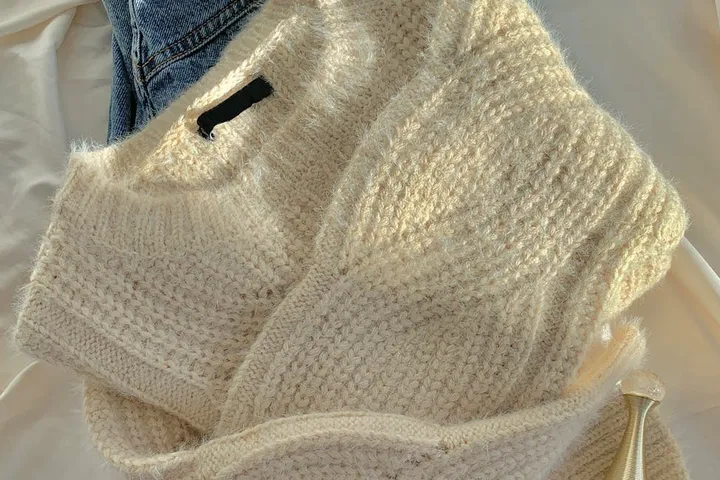
This is the single most important rule in stain removal. I’ve seen it ruin so many clothes. The heat from your dryer will bake any leftover stain right into the fabric’s fibers. Once that happens, the stain becomes a permanent part of the garment. It’s heartbreaking.
My mom, Martha, taught me this rule decades ago. I still messed it up with Roger’s favorite work jeans once. I was in a hurry, tossed them in the dryer, and that faint grass shadow turned into a permanent, dull brown badge of my impatience. He still wears them for messy jobs, but I see that stain every time.
Always, Always Air Dry First
After you wash the item following any stain treatment, you must skip the dryer. Every single time. Take the damp garment and hang it up or lay it flat to air dry completely.
Find a spot with good air flow, but keep it out of direct sunlight. Sunlight can be great for bleaching some stains, but it can also yellow white fabrics and cause colors to fade unevenly over the damp area.
I use a foldable drying rack in my laundry room for this. For my kids’ sports pants or Peeta’s muddy towel, I’ll often hang them on a plastic hanger over the shower rod. The key is patience.
The Stain Inspection
Once the item is bone dry, the real test begins. Do not assume the stain is gone just because the fabric is dry.
Hold the item up to a bright light or a window. Look closely at the area where the stain was. You’re searching for any shadow, slight discoloration, or a faint ring. Move the fabric around. If it looks perfectly clean and uniform under the light, you won.
You can safely toss it in the dryer next time you wash it.
If you see any trace of the stain, do not panic. The stain is not set yet because you air-dried it. This just means you need to repeat your treatment process. Sometimes ground-in dirt or chlorophyll from grass needs a second pass. This inspection step saved Jessica’s white soccer socks more times than I can count.
Beyond Clothing: Treating Carpets, Upholstery, and Car Interiors
Grass and dirt don’t stay on clothes. My golden lab, Peeta, taught me that. He brings the whole field inside on his paws. The same methods we use for pants can work elsewhere, but you must be gentler. Surfaces like your couch or car seats are more delicate than denim.
Always start by scraping off any dry, caked-on dirt with a dull knife or a credit card to avoid grinding it in deeper. This simple step saves so much effort later. I learned this from my mom, Martha, who has decades of North Texas dirt to contend with.
The Surface Compatibility Chart
Here’s a quick guide I keep taped inside my cleaning cabinet. It’s based on my own tests on everything from my living room rug to Roger’s truck seats.
| Surface | Recommended Method | My Quick Tip |
| Carpet | Blotting with a white vinegar and water solution (1:1 mix). | Use a white cloth so you can see the stain transferring. Never scrub. |
| Upholstery | Light spray of a mild dish soap mix (1 tsp soap to 2 cups water), then blot dry. | Pretend the fabric is a fragile antique. Dab, don’t rub, to prevent fading. |
| Hard Surfaces (Driveway, Floors) | Hose and a stiff brush. For oil-based turf marks, use a degreaser. | Roger swears by this for our driveway. A garden hose with a spray nozzle is your best friend here. |
For car interiors, always test your cleaner on a hidden spot of the fabric or plastic first, like under the seat. I ruined a vinyl trim once with a too-strong mix. A thirty-second test can save you from a permanent, shiny patch.
So, how do you get grass stains out of carpet specifically? When Edward, Jason’s soccer buddy, tracked in a huge green smear, I used this blotting routine. It works every time.
- Mix equal parts white vinegar and cool water in a spray bottle.
- Spray the stain lightly until it is damp, not soaked.
- Lay a clean, white cloth over the spot and press down firmly with your hand. Hold for 30 seconds.
- Lift the cloth. You will likely see a dull green transfer. Move to a clean section of the cloth and repeat.
- Once the stain is gone, blot the area with a cloth dampened with plain water to rinse.
- Place a dry towel over the spot and weigh it down with a book to dry completely and prevent a watermark.
The vinegar breaks down the chlorophyll while the blotting pulls it up without damaging the carpet fibers. If a faint shadow remains after drying, a second treatment usually takes it out. Patience is your most important tool.
Smart Prevention and Your Stain-Fighting Toolkit
You just got home from the field. Your kid’s white soccer pants have a vibrant green smear right on the knee.
I see it all the time with Jason. The trick isn’t magic, it’s speed. Grass stains set when the chlorophyll and dirt dry into the fibers.
The single best thing you can do is to keep the stain wet until you can treat it. A quick rinse in the sink or a spritz with plain water buys you time.
Your kitchen and laundry room already hold powerful cleaners. You don’t need a cabinet full of specialty products.
Here’s what I always have ready:
- White Distilled Vinegar: Cuts through the waxy chlorophyll in grass.
- Liquid Dish Soap (the blue Dawn kind): Its grease-fighting power breaks down dirt and body oils trapped with the stain.
- 3% Hydrogen Peroxide: A gentle, color-safe bleach alternative.
- Baking Soda: For making a gentle scrubbing paste.
- A soft-bristled toothbrush: Your tool for gently agitating the treatment into the fabric.
Make a Pre-Treat Spray (Aunt Jessica’s Tip)
My Aunt Jessica, who enjoys her Arizona patio, taught me this. She uses it on everything from grass to spilled wine.
It’s dead simple. Fill a small spray bottle with one part white vinegar to two parts cold water. Shake it up.
Keep this bottle in your laundry room or even your sports bag.
When Jason comes in with a fresh stain, I give it a generous spray until the fabric is damp. The vinegar starts working on the grass’s pigments immediately. This quick action prevents the stain from becoming a permanent, dull brown shadow.
Let it sit for 10-15 minutes before you move to the next step. The slight sour scent will vanish in the wash.
The Pre-Game Defense for Sports Uniforms
For serious grass and turf stains, I use a two-part strategy with Roger’s hunting gear and Jason’s soccer uniforms.
Before the season starts, I wash the new uniform once. Then, I take it outside and spray it evenly with a commercial fabric guard, like the kind made for outdoor furniture or sneakers.
I let it dry completely. This creates an invisible barrier on the fibers.
Dirt and grass still stick, but they sit more on the surface. It doesn’t make them stain-proof, but it makes the stains lift with far less effort.
You’ll need to reapply the guard every few washes, but it turns a daunting stain into a simple one.
What Never to Use
In a panic, it’s tempting to grab the strongest cleaner. Please, don’t.
Chlorine bleach is a disaster on colored fabrics with organic stains like grass or mud. It reacts with the chlorophyll, often turning the green stain a permanent yellow or brown. It can also strip the garment’s dye.
My mom, Martha, learned this the hard way on a favorite tablecloth. The grass stain was gone, but so was a patch of the floral pattern.
Also, avoid ammonia-based cleaners or harsh solvents like acetone on these stains. They can damage synthetic fibers in athletic wear and set protein-based stains if dirt is mixed with sweat. To tackle set-in stains on fabric clothing, gentle, fabric-safe methods work best. The next steps will outline practical ways to remove set-in stains from fabric clothing.
Always test any treatment on an inside seam or hidden area first. Wait a few minutes to check for color bleeding or fabric damage.
Remember, a little mess means they’re playing hard and making memories. My floor by the back door is permanently designated as the “dirt drop zone.” We manage the stains, but we don’t let them stop the fun.
FAQ about Removing Grass, Dirt, and Turf Stains
What household items work best on fresh grass stains?
Liquid dish soap is your first line of defense-it breaks down the plant oils holding the green pigment. For color-safe lifting, follow with a dab of white vinegar or a paste of baking soda and water.
Is it safe to use bleach on colored fabrics for grass stains?
Never use chlorine bleach on colored fabrics with grass stains; it can react with the chlorophyll and cause permanent yellowing or dye loss. Opt for oxygen-based bleach (like OxiClean) or hydrogen peroxide, always testing on a hidden seam first.
What type of laundry detergent is most effective against grass and dirt?
Use an enzyme-based detergent, as the enzymes actively break down the organic proteins and oils in grass and soil. Always wash stained items in the warmest water safe for the fabric to maximize the detergent’s effectiveness.
How can I prevent grass stains from setting before I can wash the clothes?
Keep the stain wet by lightly spraying it with water or a 1:2 vinegar-water mix until you can treat it properly. This stops the chlorophyll from drying and bonding to the fabric fibers. This approach also helps when removing biological stains from fabric in the next steps.
The stain is still there after washing. What did I do wrong?
You likely put the item in the dryer-heat permanently sets any remaining stain. Always air-dry first, inspect the spot in bright light, and re-treat if needed before considering another wash.
Protecting Your Fabrics for the Next Game
Your most powerful tool against grass and turf stains is a quick reaction with cool water and a gentle blot. Let every treated area air-dry fully before you toss it in the drawer, a step that saved Roger’s work jeans just last week. I’m always testing methods on everything from Jason’s soccer pants to Peeta’s muddy paws, so for more trusted advice, keep joining me right here on Stain Wiki.
Written by Suzanne Rosi Beringer. Suzanne is an accomplished chemist, laundry expert and proud mom. She knows the science and chemistry of stains and has personally deal with all kinds of stains such as oil, grease, food and others. She brings her chemistry knowledge and degree expertise to explain and decode the science of stain removal, along with her decades long experience of stain removal. She has tried almost everything and is an expert on professional and DIY stain removal from clothes, fabric, carpet, leather and any other items dearest to you.