How Do You Get Urine Smell Out of a Memory Foam Mattress? A Practical Guide
That sour, lingering smell from a mattress accident doesn’t have to be permanent. You can eliminate urine odor from memory foam by immediately blotting the area and using an enzyme cleaner to break down the source.
Here’s exactly what I’ll cover to help you solve this for good:
- Why memory foam is so tricky to clean and how urine gets trapped.
- The immediate blotting technique I use on every fresh accident.
- My go-to homemade enzyme spray recipe that’s safe for foam.
- How to dry your mattress thoroughly to prevent mold and mildew.
- What to do for old, set-in smells that just won’t quit.
I’ve tested these methods after everything from my toddler Jessica’s leaks to my dog Peeta’s mistakes, so you’re getting real, lived-in advice.
First, Don’t Panic: Your Immediate Response Plan
On a scale of one to ten, your panic level here is an eight. I get it.
Memory foam drinks liquid like a sponge. It doesn’t just sit on top. It soaks deep down.
You have a golden window of about thirty minutes to an hour before the smell really sets up camp.
Move fast, but stay calm. Here is exactly what to do right now.
The Critical First Steps
Strip every piece of bedding off the mattress. Toss it all straight into the wash.
Grab a stack of clean, dry towels. The fluffier, the better.
Press the towel firmly onto the wet spot. Do not rub or scrub.
Rubbing grinds the urine deeper into the foam. Pressing lifts it out.
Stand on the towel if you need to for good pressure. Replace it with a dry one as soon as it feels damp.
Keep doing this until you can’t pull up any more moisture.
The Enemy: Heat
Do not reach for a hairdryer, a steam cleaner, or an iron.
Applying heat will cook the urine proteins into the foam, locking the smell in forever.
Your goal is to pull liquid out, not bake it in.
I learned this the hard way with Peeta, my golden retriever. A sick puppy and a 2 a.m. accident taught me more about mattress rescue than any book.
My panic was real, but the blotting worked. It gave us a fighting chance.
The Science of the Smell: Why Pee is So Stubborn
Let’s take a quick trip to the chemistry corner. Knowing your enemy makes it easier to defeat.
Urine isn’t just yellow water. It’s a complex cocktail.
- Urea (breaks down into smelly ammonia)
- Various salts
- Uric acid crystals
The Real Culprit: Uric Acid Crystals
These tiny crystals are the main source of that persistent, sharp odor.
Uric acid crystals do not dissolve in plain water. They are like the hard, crusty salt ring left in a glass after seawater evaporates.
If you just use water, you might dilute the urea and salts, but you leave the crystals behind. They react with moisture in the air later to bring the smell right back.
To truly eliminate the odor, you need to break the crystals apart.
You need the right solvent. This is why the cleaning methods that really work all use ingredients that are alkaline or enzymatic.
They neutralize the acid and dissolve those crystals so you can blot or extract them away for good.
Your Cleaning Arsenal: What Works on Memory Foam

You probably have half the solution in your house already.
For memory foam, you need cleaners that lift odor from its deep pores without damaging the sensitive material.
Three core methods work well, but they do different jobs.
- Enzyme Cleaners: These are your top-tier solution. They use live bacteria to digest the urine crystals at a molecular level. They don’t just mask the smell. They eat it.
- White Vinegar Solution: Vinegar is a weak acid. It neutralizes the alkaline salts in urine and helps dissolve the uric acid crystals that cause the persistent odor.
- Baking Soda: This is a phenomenal odor absorber, not a cleaner. It pulls smells from the air and material after the stain itself has been treated.
Some products can ruin your mattress for good. My mom, Martha, taught me this rule: when in doubt, don’t pour it out.
Never use these on memory foam:
- Chlorine bleach or ammonia based cleaners. They react badly with urine compounds and can permanently discolor foam.
- Straight hydrogen peroxide. It’s too harsh and can break down the foam’s structure.
- Heavy steam or soaking the mattress. Memory foam holds water, which leads to interior mold. A light mist is all you need.
The Enzyme Method: The Most Effective Fix
If you ask me for the single best answer, it’s a quality enzymatic cleaner.
I keep a bottle specifically labeled for pet accidents on hand for Peeta’s occasional mishaps. It works just as well on human urine.
Enzymatic cleaners contain live bacteria that consume organic waste, breaking it down into harmless carbon dioxide and water. This enzymatic action also targets odor-causing residues at the source, making bio enzymatic cleaners effective for odor elimination.
Look for one marketed for “pet stains” or “urine elimination.” They are formulated to target uric acid.
Application is simple but requires patience.
- Blot up any wetness with a clean, dry towel first. Press down hard. Don’t rub.
- Soak the stained area thoroughly with the enzyme spray. You want it to penetrate deep into the foam.
- Walk away. Do not blot it up. The enzymes need to stay wet and active to work, often for several hours. Check the bottle’s label.
- Let it air dry completely. This is non-negotiable. A fan helps.
I used this on Peeta’s orthopedic dog bed last year. I soaked a yellow spot, let it sit overnight, and by morning the smell was gone. The stain lightened significantly too. It was just like when I treated cat urine stains on bedding—the odor disappeared completely.
The Vinegar & Baking Soda One-Two Punch
Can you use vinegar? Absolutely. My aunt Jessica swears by it for wine spills, and it’s great for this too.
How does baking soda help? Think of it like a sponge for bad smells, sitting on the surface and pulling odors up.
This method uses chemistry you can see. The vinegar breaks things down, and the baking soda soaks it all up.
Mix a solution of equal parts white distilled vinegar and cool water in a spray bottle. A 1:1 ratio is perfect.
Here is the process.
- After blotting, lightly mist the area with your vinegar solution. Don’t drench it.
- Let it sit for 10-15 minutes. You might see some faint bubbling. That’s the acid working.
- Now, cover the damp spot with a generous, thick layer of baking soda. I mean, really pile it on like a small snow drift.
- Let this sit for at least 8 hours, or overnight. The baking soda will pull moisture and odor from the foam as it dries.
- Vacuum the baking soda powder away thoroughly.
Patience is the key ingredient here. Rushing this process means the odor won’t be fully pulled from the foam’s core.
The Step-by-Step Battle Plan to Get Pee Smell Out of a Bed
Let’s combine everything into a single, foolproof action plan. This is the sequence I follow.
- Blot Immediately. Use dry towels to absorb every bit of liquid you can. Press, change towels, press again.
- Choose Your Treatment. For a fresh accident, I go straight for the enzyme spray. For an older, set-in smell, I start with the vinegar mist.
- Apply and Wait. Soak with enzyme cleaner and let it sit per the instructions, or mist with vinegar solution and let it dwell for 15 minutes.
- Air Dry Completely. This is critical. Use fans, open windows, and dehumidifiers if you have one. Never remake the bed while the foam is damp.
- Apply Baking Soda. Once the mattress surface is fully dry to the touch, cover the area with a heavy layer of baking soda. Let it sit for several hours or overnight to absorb any lingering odor molecules.
- Final Vacuum. Use an upholstery attachment to suck up all the baking soda. Go over it twice to be sure.
Proper ventilation while drying prevents the only thing worse than a smelly mattress, a moldy one. Memory foam traps moisture deep inside.
How long does the whole process take? Be realistic. Between treatment dwell times and full drying, you are looking at 24 to 48 hours before you can sleep on it again. A persistent smell might need a second enzyme treatment. It is not fast, but it is thorough.
Material Red Flags and Critical Warnings
Memory foam is a fantastic material for comfort. But it requires a very specific cleaning approach.
Getting it wrong can ruin your mattress faster than the smell you’re trying to remove.
The Absolute “Never-Do” List
My rule is simple. If you wouldn’t do it to a sponge, don’t do it to memory foam.
- No Soaking. Never pour, spray, or dump large volumes of liquid onto the spot.
- No Steam Cleaners. The intense heat and injected moisture will drive water deep into the foam’s core where it cannot escape.
- No Harsh Chemicals. Avoid ammonia, bleach, or undiluted vinegar. They can break down the foam’s structure.
Why Moisture is the Real Enemy
Think of memory foam like a kitchen sponge. It’s designed to be open and airy.
When you saturate it, all those tiny air pockets fill with liquid. Gravity pulls that liquid down, deep into the center.
That trapped moisture creates a perfect, dark, warm environment for mold and mildew to grow inside your mattress.
You might fix the surface smell only to have a worse, musty odor erupt from the core weeks later.
Your First Step: The Spot Test
Before you put anything on the stain, find a hidden corner. The underside or a back corner works.
Apply a tiny dab of your chosen cleaning solution there first.
Wait an hour. Check for discoloration or texture change. This simple step saved my guest mattress when my aunt Jessica’s cabernet remedy reacted badly with the foam cover.
The Steam Cleaner Question: A Firm No
I get this question constantly. The answer is a definitive no.
Steam cleaners force hot vapor under pressure into materials. For memory foam, this is a disaster.
You cannot control where that moisture goes. It will penetrate deeper than any spill ever did. The heat can also potentially degrade the foam. Use fans to dry, not steam to clean.
Post-Treatment Recovery: How to Dry Your Mattress Right
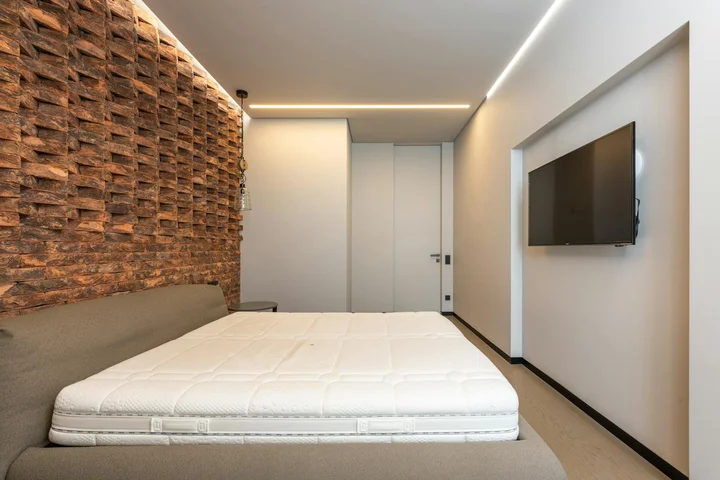
Drying is not a passive step. It’s the most active part of the process.
If you clean for 15 minutes, you should dry for hours, maybe even a full day. Patience here is everything.
Creating Your Drying Station
You need airflow, and lots of it.
- Fans are your best friends. Position a box fan or two directly facing the wet area. Crank them to high.
- Open windows. Cross-ventilation pulls damp air out and brings dry air in. My mom Martha taught me this trick for humid North Texas mornings.
- Use a dehumidifier. If you have one, run it in the room. It actively pulls moisture from the air, speeding up the process dramatically.
Gravity is Your Helper
If your mattress is a single-sided design (no “flip” side), check if it’s safe to stand it on its side.
This lets air circulate around it and helps any internal moisture wick toward the floor edge. Prop it against a wall with the treated area facing out.
Just make sure it’s stable and won’t fall over. Enlist a helper (my husband Roger is always recruited for this).
The “Is It Really Dry?” Test
The surface can feel dry to the touch while the core is still damp. You must check deeper.
Press your hand firmly on the cleaned area. Hold it there for 30 seconds.
Now lift your hand away and immediately place your cheek or the back of your fingers on the spot. If it feels cool or damp, it’s still wet inside. Keep the fans going.
A completely dry mattress will feel like room temperature.
The Final Sniff Check
Once it’s fully dry, do a final odor assessment. Don’t just hover over it.
Get close and press your nose lightly against the fabric. Take a deep breath. Sometimes a slight sour scent lingers in the top fibers even after the core is clean. Deodorize clothes properly to eliminate any odors.
If you smell anything musty, a light, final mist of an enzyme cleaner followed by another, shorter drying cycle usually nabs it. Then you can finally make the bed again.
Keeping It Clean: Smart Prevention for the Future
Getting the smell out is a victory. Keeping it from happening again is the real win.
Your focus should shift from reaction to protection. A memory foam mattress is an investment worth guarding.
Your First Line of Defense: A Waterproof Protector
I learned this lesson the messy way. My son Jason had a bad flu a few years back. Let’s just say the mattress didn’t survive the night.
I spent two days with a carpet cleaner and a fan trying to salvage it. The smell lingered for a week.
That week, I ordered a high-quality, fully waterproof (not just resistant) mattress protector with a soft, breathable top.
It zips around the entire mattress like a fitted sheet. Now, any accident stays on a surface I can wipe down or throw in the wash.
Add a Second Layer for Trouble Spots
For extra peace of mind, I use washable bed mats. My golden lab Peeta is allowed on the guest bed, and my toddler Jessica still has the occasional overnight accident.
These absorbent pads sit right on top of the sheets. If there’s a spill, you just pull the pad off and wash it.
It saves you from stripping the entire bed in a midnight panic.
Build Good Habits
Prevention is also about routine. For pets, consistent training is key. For kids, we keep a small nightlight on and make that last bathroom trip non-negotiable.
Most importantly, we act fast. A fresh accident gets blotted immediately with a towel, not ignored until morning.
Quick action turns a deep clean into a simple surface wipe, every single time.
Surface Compatibility: Adapting This Knowledge for Other Spills
The core lesson here isn’t just about urine or memory foam. It’s about how to think about any absorbent material.
The enzyme cleaner method is your universal tool. The real trick is managing how much liquid you use.
Material Absorbency Guide
Think of different surfaces like sponges with different thirst levels.
| Material | Key Trait | Liquid Rule |
|---|---|---|
| Memory Foam Mattress | Extremely absorbent, slow to dry | Minimal misting only. Never soak. |
| Carpet & Pad | Absorbent, but you can extract water | You can use more solution, but must extract thoroughly with a wet vacuum. |
| Car Upholstery | Often has a non-absorbent foam layer underneath | Use slightly more than for a mattress, but less than for a carpet. Airflow is crucial. |
| Clothing or Towels | Fully washable and dryable | You can soak it! Follow bottle instructions for pre-treating laundry. |
Applying the Lessons
For a carpet, I’m less cautious with my enzyme spray. I’ll apply it, agitate it with a brush, and then use my carpet cleaner to suck all the moisture back out. The extraction power changes the game. Extracting water from the carpet helps prevent stains from setting.
For a car seat, I think of it like a thin mattress. I’ll mist, blot, and then aim a portable fan at it for hours. My husband Roger’s hunting gear once left a muddy, sweaty smell that this method fixed.
The enzyme breaks down the organic source of the smell on any fabric. Your job is to adapt the cleanup to the material’s ability to get wet and dry completely.
If a material can’t get thoroughly dry in a day, you must use much less liquid from the start. That’s the golden rule I learned from all my tests.
FAQ about Removing Urine Smell from Memory Foam
Is it possible to completely eliminate urine odor from memory foam?
Yes, with prompt and proper treatment, you can completely eliminate the smell. The key is using an enzyme cleaner to break down the odor source and ensuring the mattress dries thoroughly to prevent any residual sourness. That same approach also helps remove bad smells from bedsheets and the mattress itself, keeping your entire sleeping environment fresh.
What commercial cleaners are safe and effective for memory foam?
Look for enzymatic cleaners specifically formulated for pet urine, as they target uric acid crystals. Always avoid cleaners containing bleach, ammonia, or strong solvents, which can damage the foam or fabric, especially when cleaning a mattress.
Should you use a steam cleaner on a memory foam mattress for urine stains?
No, never use a steam cleaner. The intense heat and forced moisture will drive liquid deep into the foam’s core, creating a perfect environment for interior mold and permanently setting the odor. This is especially problematic when compared to chemical cleaners used for stain removal.
How long does it take to get urine smell out of a memory foam mattress?
From treatment to complete dryness, plan for 24 to 48 hours. The enzyme treatment itself requires several hours to work, and the slow-drying nature of memory foam demands extended airflow to prevent mold.
How do you prevent mold and mildew when cleaning urine from memory foam?
After any cleaning, immediate and aggressive drying is non-negotiable. Use fans, open windows, and a dehumidifier to create maximum airflow until the mattress is completely dry to the touch and no longer feels cool inside.
Protecting Your Memory Foam After the Cleanup
Your best defense against lingering urine smell is a targeted enzyme treatment that breaks down the source, paired with patient, thorough drying to guard the foam’s structure. I learned this the hard way after Peeta had an accident on our guest bed, but sticking to this method has kept our mattresses fresh. For more hands-on tips from our messy, real-life home, follow along on the Stain Wiki blog.
Suzanne is an accomplished chemist, laundry expert and proud mom. She knows the science and chemistry of stains and has personally deal with all kinds of stains such as oil, grease, food and others. She brings her chemistry knowledge and degree expertise to explain and decode the science of stain removal, along with her decades long experience of stain removal. She has tried almost everything and is an expert on professional and DIY stain removal from clothes, fabric, carpet, leather and any other items dearest to you.