How Do You Remove Water Stains and Spots from Leather?
That cloudy ring on your favorite jacket or sofa can be alarming. Don’t worry, most water marks on leather are surface-level and can be fixed with gentle, non-toxic solutions you likely have at home.
This guide will cover everything you need to know:
- Why plain water leaves behind a stain on leather.
- How to make a reliable cleaner from white vinegar and olive oil.
- Specific steps for furniture, jackets, and accessories.
- Simple habits to prevent future water spots.
- Signs that a stain needs professional care.
I’ve handled these stains for years, from Jessica’s cup rings on the couch to restoring a vintage bag from Aunt Jessica’s closet.
Does Water Stain Leather? Your Panic-Level Assessment
Yes, water can absolutely stain leather. I learned this the hard way with Roger’s favorite work jacket after a surprise downpour.
Here’s why a simple splash leaves a mark. First, water contains minerals. As it dries on the surface, those minerals get left behind, forming a dull, chalky ring. Second, water disrupts the leather’s natural oils and any applied protective finish. This changes how the surface reflects light, creating a visible spot.
Suede is even more sensitive. Its napped surface acts like a tiny sponge, absorbing water deeply. This can cause a dark, stiff patch where the water hit.
Your Water-on-Leather Panic Level: 4/10
This isn’t a code-red emergency like a permanent ink spill. You have some time to work. But you can’t ignore it.
Acting quickly is your biggest advantage because you’re working with the stain before it becomes a permanent feature.
The Golden Window for Action
You typically have a few hours to a full day before a water spot decides to stay forever. The clock starts ticking the moment the water lands.
Old, dry water stains are a different story. They’ve set. Removing them often requires gently re-wetting the area and using a conditioner to redistribute oils, which is a more delicate process than removing hard water stains from bathroom surfaces.
While we’re talking delicate materials, water behaves differently elsewhere. Silk or satin can get permanent water spots almost instantly because the fibers are so fine. Leather gives you a fighting chance, which is good news.
First Aid for Wet Leather: Act Before the Stain Sets
The moment you see water on leather, follow this drill. I keep an old cotton t-shirt in my cleaning caddy just for this.
- Blot, never rub. Rubbing pushes water deeper into the leather and can scratch the surface. Gently press a soft cloth down onto the wet spot to soak up the moisture.
- Switch to a dry part of your cloth and blot again. Keep doing this until no more moisture transfers to the cloth.
- Let the item air dry naturally, away from direct heat or sunlight. A fan blowing gently across the room helps with circulation. Never use a hair dryer or place it near a radiator.
What to Grab From Your Home Right Now
- Soft, Lint-Free Cloths: Old, white cotton t-shirts or microfiber cloths are perfect. Avoid paper towels on suede, as they can leave lint.
- Clean Water: For initial blotting, sometimes using a slightly damp cloth (wrung out completely) helps lift the mineral residue.
- A Fan: For steady, cool airflow.
The Non-Negotiable Safety Step: The Test Patch
Before you put anything on a stain, even plain water, test it. Find a hidden spot, like an inside seam or the back of a cushion. This is especially important when dealing with car seat upholstery or any delicate fabric.
Apply a tiny dab of your intended cleaner, blot it, and let it dry completely. This tells you if it will discolor or damage the finish. My Aunt Jessica’s vintage suede bag taught me this lesson permanently—especially when trying to remove oil stains from leather or suede.
Surface Compatibility: Adapting Your First Aid
- Smooth, Finished Leather (Couches, Jackets): Blotting is usually enough. You can follow up with a barely-damp cloth to wipe the area clean once the bulk of the water is gone.
- Suede or Nubuck: Blot carefully. After blotting, use a dry, soft-bristled brush (like a clean toothbrush) to gently fluff the nap once the area is completely dry. Water can mat it down.
- Coated Accessories (Handbags, Wallets): These have a plastic-like coating. Blotting is safe, and they often wipe clean easily with a damp cloth after. Be extra cautious with test patches on colored items.
How to Remove Water Stains from Leather Furniture
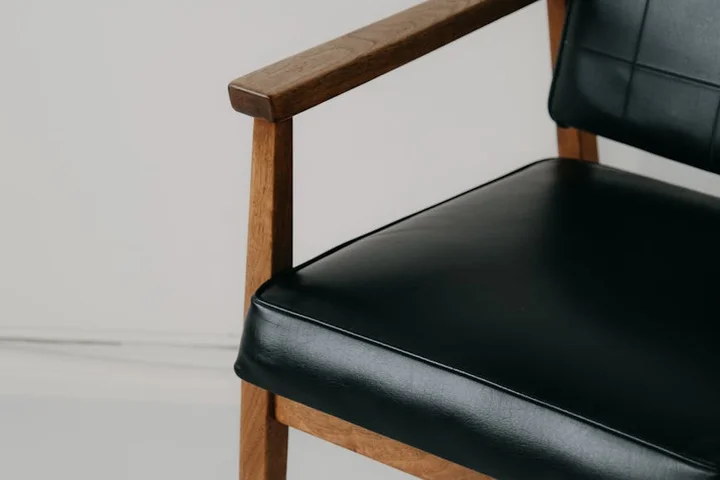
Seeing a cloudy ring on your leather couch is frustrating. I know that feeling. The good news is you can almost always fix it yourself. The method depends on how long that water mark has been sitting there.
The Vinegar and Water Solution for Fresh Stains
For a stain that just happened, look in your pantry. A mix of white vinegar and distilled water is my go-to. I use a 50/50 ratio in a spray bottle.
Vinegar is mildly acidic. This helps dissolve the mineral deposits from your water that create the visible ring. It’s gentle on the leather’s finish.
Here is the step-by-step process I follow every time.
- Shake your vinegar solution well.
- Lightly dampen a soft, white cloth. Wring it out until it’s barely wet.
- Gently wipe the stained area. Use small, circular motions.
- Take a second clean cloth, dampen it with only distilled water, and wipe the area again to remove any vinegar residue.
- Blot the spot firmly and thoroughly with a dry, absorbent towel.
I used this exact method last month. Jason left a sweaty sports cup on our tan sofa arm. It left a perfect, dull ring. The vinegar mix took it right off with a few passes. The slight sour scent faded in minutes as it dried.
Dealing with Set-In Stains and Water Spots
Older stains are tougher. The water has dried and the minerals have bonded deeper into the leather’s pores. You’ll see a darker, more defined spot.
For these, you need to feed the leather. A quality conditioner replaces lost oils and can often blend the stain away. I’ve had great results with Lexol Leather Conditioner for years.
Conditioning is about slow, gentle nourishment, not scrubbing.
- Apply a tiny dab of conditioner to a clean microfiber cloth.
- Massage it into the stain using small, gentle circles. Work the product into the entire panel for an even look.
- Let it absorb for at least 30 minutes, or as the bottle directs.
- Buff off any excess with a fresh, dry part of the cloth. You want a matte finish, not a greasy one.
Never use harsh cleaners here. Ammonia, bleach, or alcohol-based products will strip the leather’s protective topcoat. This leaves it dry, cracked, and more prone to future stains.
Post-Treatment Recovery
Your work isn’t done after applying a solution. How the leather dries is crucial.
Always let the piece air dry at room temperature. Keep it away from direct sunlight, radiators, or hair dryers. Heat will bake in the stain and damage the leather.
Check your work the next day in natural light. If the spot is gone, you’re done. If a faint shadow remains, repeat the conditioning process once more.
Removing Water Spots from Leather Jackets and Coats
Leather jackets are different. They’re thinner, more delicate, and have a structured shape you need to preserve. Panic is not required, just a gentle touch.
For Light Rain Spots and Splashes
Light, fresh water spots are the easiest. For these, I skip the DIY mixes and use a dedicated product. I keep a bottle of Apple Brand Leather Cleaner in my laundry room for this exact reason.
These cleaners are pH-balanced for leather. They clean without being aggressive.
Always clean the entire panel, not just the spot, to prevent a blotchy finish.
- First, do a spot test on an inside seam.
- Spray the cleaner onto a soft cloth, not directly onto the jacket.
- Wipe down the entire sleeve, back, or front panel where the spots are.
- Use a second dry cloth to buff off any residue.
- Lay the jacket flat on a towel or hang it on a wide, padded hanger to air dry. Never dry it bunched up.
When Water Stains Have Dried and Darkened
This is for the tough cases. Maybe a jacket got soaked and dried with weird blotches. The leather fibers have shrunk and tightened around the dirt.
You need to relax those fibers first. I use a very careful “steam and condition” method.
You have two options. Use a garment steamer, holding it at least six inches away and never letting it touch the leather. Or, hang the jacket in your bathroom while you run a hot shower to create a steamy room.
The steam plumps the fibers. This lets you condition the leather more effectively right after.
After steaming, let the jacket cool for a minute. Then, apply a light leather lotion or conditioner, like the one from Apple Brand. Work it in gently. This replaces the oils lost from the water damage.
Roger’s favorite vintage bomber jacket taught me this. He got caught in a downpour last fall. It dried with dark, stiff patches on the shoulders. I steamed it in the bathroom, conditioned it thoroughly, and let it rest for a day. The leather softened up and the color evened out beautifully. It’s back in his regular rotation now.
Cleaning Water Marks from Leather Accessories: Purses, Bags, and Shoes
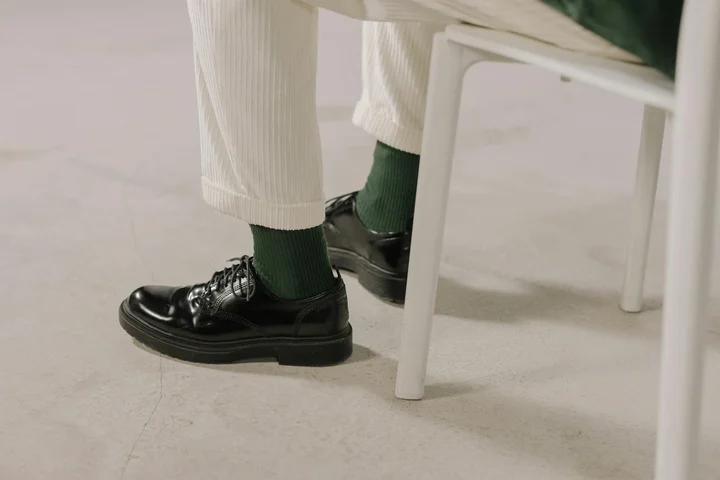
This is where a little panic often sets in. That favorite bag or pair of shoes feels more personal. I get it. My heart sank when I saw a cloudy water ring on my good leather handbag after a sudden rain shower.
First, a common question: does water stain Birkenstocks? The leather footbeds can show dark spots if they get soaked and dry unevenly. The key is to let them air dry completely away from direct heat, then gently brush the footbed with a dry suede brush or a soft toothbrush to lift the nap. Patience fixes most marks on this type of oiled leather.
Smooth Leather Bags and Wallets
For smooth leather purses, totes, and wallets, you need a cleaner made for the job. I keep a bottle of leather soap or saddle soap in my cleaning kit. It’s gentle and effective. There’s a suede nubuck smooth leather cleaning guide you can reference for more detailed care. It covers the right cleaners and gentle techniques for those finishes.
Here’s my step-by-step method:
- Dampen a soft, white cloth with cool water. Wring it out so it’s barely damp.
- Apply a small dab of leather soap to the cloth and work it into a light lather.
- Gently wipe the stained area using small circles. Don’t scrub. You’re just lifting the mineral residue causing the spot.
- Rinse your cloth thoroughly, wring it out well, and wipe the area again to remove all soap residue. This rinse step is critical.
Drying is just as important as cleaning for items that need to hold their shape. After cleaning my handbag, I stuffed it firmly with crumpled paper towels or a clean, dry towel. This absorbs moisture from the inside and prevents the leather from warping or creasing as it dries.
The Suede and Nubuck Exception
Does water stain suede? Absolutely. It causes those dreaded dark, blotchy spots by matting down the delicate nap. My son Jason learned this the hard way with new suede sneakers.
For suede or nubuck, put the liquid cleaners away. Your best friends are a suede brush and a suede eraser. You can buy them as a cheap little kit.
- Let the item dry completely at room temperature first.
- Once dry, use the suede brush to gently brush the nap back up. Brush in one direction.
- For persistent spots, use the suede eraser. Rub it gently back and forth over the mark like you’re erasing pencil.
- Finish by brushing the area again to restore the texture.
I never use liquid cleaners or home remedies on suede unless a professional advises it. You risk setting the stain or creating a bigger, harder-to-remove spot.
Aftercare and Keeping Leather Water-Resistant
Cleaning the spot is only half the battle. How do you prevent water spots on leather? The answer is in the aftercare. Think of it like skincare for your stuff.
The Right Way to Dry and Condition
Always let leather air dry naturally. I place items in a room with good airflow, but never near a heater, radiator, or in direct sunlight. Heat bakes and cracks the leather.
How do you know it’s fully dry? The surface will feel cool and smooth to your touch, not cold or damp. This is the perfect time to condition. Conditioning replenishes the natural oils you just washed away, preventing the leather from becoming stiff and brittle. It’s like putting lotion on your hands after washing dishes.
Apply a small amount of leather conditioner to a soft cloth and massage it in using circular motions. Let it soak in for the time recommended on the bottle.
Using a Leather Protectant Spray
For ongoing defense, I use a silicone-free leather protectant spray. Silicone can clog the leather’s pores over time. After conditioning, I take the item outside or to a well-ventilated area.
Hold the spray about 6 inches away and apply a light, even coat over the entire surface. Let it dry completely. My mom, Martha, taught me to treat new leather shoes and bags with a protectant spray before their first wear or use. It creates a barrier that makes future clean-ups so much easier.
Most water stains come out with this methodical approach. For very old, set-in stains or extremely valuable antique items, consulting a professional leather cleaner is a smart investment. For everything else, a little gentle soap, patient drying, and consistent conditioning will keep your leather looking its best for years. Stain removal for leather, suede, and other delicate materials benefits from a gentler touch. A patient, test-first approach helps prevent damage.
FAQ about Removing Water Stains and Spots from Leather
How quickly do I need to act to prevent a water stain from setting on leather?
You have a window of a few hours to a day. Blot the wet area immediately with a soft, dry cloth and let it air dry away from heat to stop the stain from bonding.
Can I use something like dish soap or window cleaner on a leather water stain in a pinch?
No. Harsh cleaners like dish soap or ammonia-based products can strip leather’s protective finish. For a safe household alternative, use a 50/50 mix of white vinegar and distilled water on a cloth after testing. Always be cautious when trying to remove stains from leather bags or purses.
Does the method for removing water spots differ between suede and smooth leather accessories?
Absolutely. For suede, only use a dry brush and eraser after the item is fully dry. For smooth leather, a damp cloth with a dab of leather soap is safe-never use liquids on suede unless directed by a pro.
What should I do if a water stain on my leather jacket darkens after I try to clean it?
This usually means the leather is dehydrated. Immediately stop cleaning and apply a light leather conditioner to the area to restore moisture, then let it dry completely before deciding on next steps.
How can I make my leather furniture more resistant to water spots in the future?
Apply a thin coat of silicone-free leather conditioner every few months to maintain oils. Follow up with a protectant spray to create a water-repellent barrier that makes spills easier to wipe off.
Keeping Your Leather Looking Its Best
The most reliable way to tackle a water stain is to act with patience and a gentle touch. Rushing or using harsh chemicals can cause more harm than the original spot. For ongoing protection, a simple routine of conditioning keeps leather supple and far more resistant to future spills and spots.
I’m always testing new methods and old tricks on everything from Jason’s soccer bag to my favorite chair. For more solutions you can trust, find me right here on Stain Wiki.
Suzanne is an accomplished chemist, laundry expert and proud mom. She knows the science and chemistry of stains and has personally deal with all kinds of stains such as oil, grease, food and others. She brings her chemistry knowledge and degree expertise to explain and decode the science of stain removal, along with her decades long experience of stain removal. She has tried almost everything and is an expert on professional and DIY stain removal from clothes, fabric, carpet, leather and any other items dearest to you.