How to Clean Mold from Surfaces and Air Vents?
Finding fuzzy patches in your home can be scary, but you’re not powerless. You can often handle small mold problems yourself with simple ingredients like distilled white vinegar.
This article breaks down the process I use. Here’s exactly what we’ll cover:
- The essential safety gear you must wear before starting
- How to make my favorite non-toxic cleaning spray for most surfaces
- Step-by-step cleaning for walls, tiles, and tricky air vent covers
- Real-world tips to stop mold from returning, tested in my own home
I’ve been a stain and mold removal specialist for years, tackling everything from Jason’s soccer gear to our family’s HVAC system.
First Assessment: Panic Level, Safety, and Your Plan
On my personal stain panic scale, mold sits at a solid 7 out of 10. The urgency isn’t about ruining your grout. It’s about health. My son Jason and his buddy Edward both have allergies, and mold spores are a major trigger. We have to stop it quickly.
The moment you see that fuzzy patch or catch that damp, earthy smell is your golden window for action. Your goal shifts from simple cleaning to containment. You’re not just removing a spot, you’re stopping a living thing from spreading its spores to every corner of the room.
Your Non-Negotiable Safety Setup
I treat small mold cleanups like a mini science project, with safety as rule number one. Skipping this is asking for trouble.
- Gloves: Wear durable rubber gloves. Don’t use your nice cleaning ones.
- Mask: A proper N95 respirator is essential. A cloth mask won’t stop spores.
- Goggles: Simple safety glasses keep spores from irritating your eyes.
- Ventilation: Open windows and use a fan to blow air OUT of the room.
- Isolate: Close doors to other rooms to contain the spore cloud you’ll disturb.
Material Red Flags: When to Step Back
Some materials absorb mold roots too deeply for a surface clean. My Aunt Jessica learned this the hard way with an antique chair. If you see mold on these wooden pieces, pause.
- Antique fabrics, upholstery, or delicate heirlooms.
- Porous stone like unsealed sandstone or limestone.
- Insulation, ceiling tiles, or drywall that feels soft or damp.
- Your car’s cabin air filter or deep inside HVAC ducts.
How Much Mold is Too Much for DIY?
This is the big question. My rule, which I learned from remediation guides, is simple.
If the patch is larger than a standard sheet of paper (about 10 square feet), stop and call a professional.
Also call a pro immediately for any mold in your heating and air conditioning system, or if you suspect it’s growing behind walls due to a leak. My mom Martha had a slow fridge leak that caused this. The cost to fix the hidden damage was much more than the surface clean would have been.
The Science of Mold and Your Cleaning Arsenal
You can’t scrub mold away like dirt. Think of it differently.
Chemistry Corner: It’s Alive!
Mold is a colony of tiny living organisms. Wiping the visible part is like mowing a weedy lawn. The roots remain. To win, you must kill the organism at its source and remove the staining it left behind. This two-step process is key for lasting results. That same two-step approach also applies to fabrics—it’s effective for removing mold stains from blankets and other textiles.
Your Cleaner Lineup: A Side-by-Side Comparison
Each common household option works in a different way. Your surface material decides the winner.
| Cleaner | How It Fights Mold | Best For | My Notes |
| White Vinegar | Acid penetitates and kills over 80% of mold species. | Non-porous surfaces, grout, glass, solid wood. | My first grab for small spots. The smell fades fast. Don’t mix with bleach. |
| 3% Hydrogen Peroxide | Oxidizer that kills mold and bleaches the stain. | Light-colored, non-porous surfaces, fabrics (test first!). | Great for that green/black stain on shower caulk. It bubbles on contact. |
| Concrobium Mold Control | Encapsulates and crushes mold spores as it dries. | Larger areas, porous surfaces like concrete, when you want no bleach. | I keep a spray bottle for our garage floor after rainy seasons. |
| Diluted Bleach | Kills surface mold on contact and bleaches stains. | Last resort for non-porous surfaces like tiles or tubs. | It does NOT kill roots on porous surfaces. It can also irritate lungs, so ventilation is extra critical. |
Safe DIY Mixes for Small Battles
For a sudden spot on window sill caulk or a basement wall, you can mix your own defense.
- Vinegar Spray: Use straight white vinegar in a spray bottle. No dilution needed.
- Peroxide Spray: Use standard 3% hydrogen peroxide straight from the brown bottle.
- Baking Soda Scrub: Make a paste with water. It’s abrasive for scrubbing and deodorizing after killing the mold with vinegar.
My mother-in-law Brianna swears by a vinegar spray followed by a baking soda scrub for her patio furniture.
Recommended Products for a Full Campaign
For recurring issues or bigger cleanups, these tools help you win the war.
- EPA-Registered Mold Removers: Products like Moldex or RMR-86. They’re formulated specifically for the job and often include inhibitors.
- True HEPA Vacuum: Essential for cleaning up dead spores from surfaces after scrubbing. A regular vacuum will blow them back into the air.
- Dehumidifier: The ultimate mold prevention tool. Keeping humidity below 50% takes away mold’s water source. We run one in our basement during humid Indiana summers.
How to Clean Mold from Different Surfaces
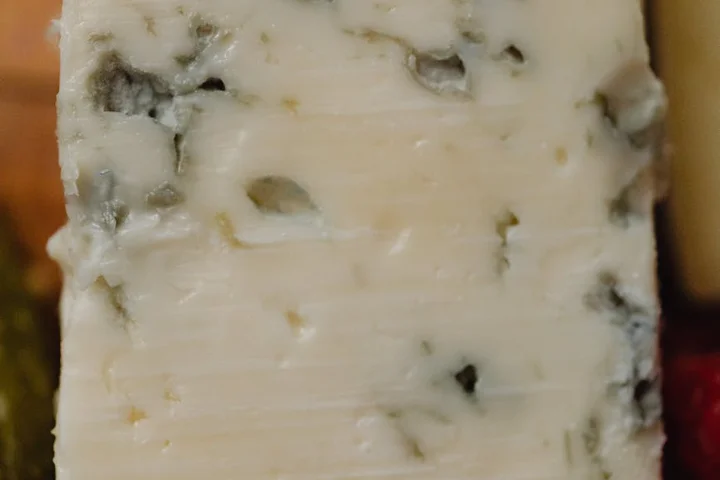
Mold doesn’t care if it’s on your favorite jacket or your basement wall. I treat each surface differently, like how I’d clean a silk blouse versus our concrete driveway. The first step is always to figure out what you’re dealing with.
Surface Compatibility Chart
| Hard Non-Porous | Tile, Glass, Metal | Easiest to clean. Mold sits on top. |
| Porous | Drywall, Unsealed Wood | Tricky. Mold roots can dig in deep. |
| Semi-Porous | Concrete, Brick | Can be cleaned, but may stain. |
| Soft | Fabric, Carpet, Upholstery | Requires gentle, thorough drying. |
This chart is my cheat sheet. It tells me how aggressive I can be.
Fabric: Tents, Clothing, and Linens
I found a musty old tent in our garage, a relic from a pre-kids camping trip with Roger. Mold had made a home on the canvas.
Sunlight is your first and best weapon against mold on fabrics. UV light is a natural mold killer, especially when combined with proper mold and mildew removal techniques.
- Take the item outside on a sunny, dry day.
- Brush off any loose spores outdoors. Don’t do this inside your house.
- For washable items, soak in a solution of one part white vinegar to four parts warm water for an hour. My aunt Jessica swears by this for wine-stained linens, and it works on mold too.
- Wash in the hottest water the fabric allows with your regular detergent. Add an extra rinse cycle.
For non-washable items, a light spritzing with vinegar and a full day in the sun can do wonders. Just test for colorfastness first.
Carpet and Upholstery
After a rainy season, our basement carpet near Peeta’s bed developed a few dark spots. Here’s my method.
Always wear a mask for this. You don’t want to breathe in those spores.
- Start with a HEPA-filter vacuum. Go over the area slowly to pull up loose mold. This is crucial.
- Lightly mist the stain with 3% hydrogen peroxide. Don’t soak it. Let it bubble for 10-15 minutes.
- Blot with a clean, dry cloth. Repeat if needed.
- This next part is non-negotiable: you must dry it completely. I use a fan directly on the spot for at least 24 hours.
If the mold has grown into the padding underneath, the carpet usually needs to be replaced. Spills that seep into the padding can leave stains that travel through to the carpet. That’s why stain removal gets tougher when padding is involved. I learned this the hard way in a rental years ago.
Driveways and Basement Walls
Roger noticed black streaks on our driveway after some shaded landscaping work. For these tough, semi-porous surfaces, you need more power.
A pressure washer is your friend here. Use a wide-angle tip to start and don’t get too close, or you’ll etch the concrete.
- Wet the area with plain water first.
- Apply a dedicated concrete cleaner or a mix of one cup bleach to a gallon of water (use in a well-ventilated area, wear gloves).
- Let it sit for 10 minutes, but don’t let it dry.
- Scrub with a stiff-bristle brush, then pressure wash the cleaner away.
My mom Martha in North Texas uses simple dish soap and a scrub brush for lighter jobs on her patio. Both methods work if you finish with a thorough rinse. For more specialized cleaning, consider different stain cleaning methods based on the tile type.
Post-Treatment Recovery: The Dry-Down
Killing mold is only half the battle. If you leave moisture behind, it will come back. Every surface must be bone-dry, including fabrics.
I run a dehumidifier in problem areas for days after cleaning. A fan on low speed helps too.
To check if mold is truly gone, do the sniff test and the tape test. The area should smell clean, not earthy or sour. Press clear tape onto a suspect spot, pull it off, and look for dark specks. If you see them, you’ve got more work to do.
Focus on Air Systems: Vents, AC Units, and Ducts
Field Note: What Helped Me
Our cold air vents used to puff out dust bunnies. Before I even thought about cleaners, I grabbed our vacuum with a crevice tool and a soft brush attachment. I popped off each vent cover and vacuumed every slat, inside and out. It made a huge difference in our air quality and stopped the cycle of blowing dust around.
How to Clean Mold from AC Vents
This is about cleaning the registers or grilles you can see and reach. If you see fuzzy growth here, it’s a red flag.
- Turn off your HVAC system at the thermostat.
- Remove the vent cover. Most just pop out or have a couple of screws.
- Take it outside or to a utility sink. Wash it with warm, soapy water or a vinegar solution. A soft brush gets into the grooves.
- Rinse thoroughly and let it dry completely before putting it back.
- While the cover is off, vacuum a few inches into the duct opening with your brush attachment.
Never spray liquid cleaner directly into your ducts. You’ll just create a wet, mold-friendly environment deeper in the system.
How Do You Get Mold Out of an Air Conditioner?
I’m talking about window units or portable ACs here. The core issues are usually the coils and the drain pan.
Unplug the unit first. Always.
- Remove the front filter and wash it. If it’s moldy, replace it.
- You’ll see the evaporator coils. Spray them with a coil cleaner from the hardware store, following the label. This breaks down gunk and mildew.
- Find the drain pan underneath. If it’s clogged, that’s a mold buffet. Clean it with a vinegar-water mix and ensure the drain hole is clear.
Let everything dry fully before plugging it back in. My mother-in-law Brianna does this every spring for her unit in Southern Texas, and it saves her from musty summer air.
The Limits of DIY: Ductwork
You asked about cleaning mold from AC ducts. Here’s my honest take.
You can clean the first foot or so with a vacuum attachment. For anything more, you need a professional.
If you suspect widespread mold in your ductwork, call an HVAC specialist. They have powerful vacuums, brushes, and cameras to do the job properly without contaminating your whole house.
Prevention: Stop the Mold Food Source
Moisture and organic material feed mold. In air systems, mineral deposits from hard water are a big culprit. They create a rough surface for mold to cling to.
This is why cleaning mineral deposits from your humidifier or evaporative cooler is a critical prevention step. No scale, no easy mold hotel.
Keeping Mold Away for Good: Prevention is the Cure
Humidity Control is Your First Defense
Mold spores float everywhere, but they only grow with moisture. I keep our home’s humidity below 60%. I use cheap hygrometers from the hardware store to monitor damp spots like the basement and bathroom.
If the reading climbs, I run a dehumidifier. My Aunt Jessica in Arizona taught me this trick for her garage.
Ventilation Moves Moisture Out
Stagnant air lets dampness settle. I make it a habit to create airflow every day. Run your bathroom fan during and for 30 minutes after every shower to pull steam outside.
Always use the kitchen hood when boiling water. Even cracking a window while you clean lets fresh, dry air sweep through.
The 24-48 Hour Dry-Out Rule
After a spill or leak, you have a short window. Soak up all standing water with towels immediately. Then, use fans and dehumidifiers to dry the area completely within two days.
I learned this after our washing machine overflowed. We dried the floor fast, and no mold ever appeared.
On-the-Go Emergency Fix for Musty Smells
Notice a sour, damp odor from a vent? You can tackle it without harsh chemicals. Place a small, open container of baking soda right near the vent to absorb odors quietly. It’s often more effective than vinegar for this kind of situation.
Then, wipe the vent cover with a cloth lightly dampened with white vinegar. The slight sour scent of vinegar fades, taking the mustiness with it.
A Personal Tip from Our Locker Room
My son Jason’s soccer bag taught me a lesson. It sat wet in his locker and developed a mildewy smell. Now I use damp-rid bags in all our sports gear and gym bags to wick away moisture and remove any musty mildew smell from fabrics.
It’s a simple, set-it-and-forget-it fix that really works.
FAQ about Cleaning Mold from Surfaces and Air Vents
I just found a small mold spot. What’s the very first thing I should do?
Immediately put on an N95 mask and gloves to avoid breathing in or touching spores. Isolate the area by closing doors and open a window to ventilate before you start cleaning.
How long should I wait to use a room or vent after cleaning mold from it?
Wait until the cleaned surface and the surrounding area are completely bone-dry to the touch. Running a fan or dehumidifier can speed this up, but it may take several hours to a full day.
What’s the safest cleaner I can use on a painted wall with mold?
For painted drywall, use distilled white vinegar sprayed directly on the spot. Gently scrub with a soft cloth or sponge, as aggressive scrubbing can damage the paint.
How can I clean mold from my car’s air vents without damaging them?
Use a vacuum with a brush attachment to remove loose spores from the vent slats. Then, wipe the vents carefully with a cloth lightly dampened with a 50/50 mix of water and isopropyl alcohol, which will disinfect and evaporate quickly.
The mold keeps coming back in the same spot. What does this mean?
This signals an ongoing moisture source you haven’t addressed. Find and fix the leak or humidity issue first, then re-clean; otherwise, you are only treating the symptom, not the cause.
Your Blueprint for a Healthier Home
Remember, the single most effective move isn’t just scrubbing the mold you see, it’s detective work to find and stop the moisture that invited it in. I learned this the hard way after dealing with a musty closet; cleaning alone didn’t stop it from coming back until I fixed a tiny plumbing leak. If you’re dealing with damp basements, bathrooms, or laundry rooms, subtle changes can make a big difference in removing moisture and preventing mold. For ongoing advice on protecting your surfaces and air, I share all my tests and family stories right here on the blog.
Suzanne is an accomplished chemist, laundry expert and proud mom. She knows the science and chemistry of stains and has personally deal with all kinds of stains such as oil, grease, food and others. She brings her chemistry knowledge and degree expertise to explain and decode the science of stain removal, along with her decades long experience of stain removal. She has tried almost everything and is an expert on professional and DIY stain removal from clothes, fabric, carpet, leather and any other items dearest to you.