How to Remove Crayon and Marker Stains from Upholstery and Car Seats?
Just found a vibrant marker line or a smeared crayon patch on your sofa? You can usually lift the stain by gently scraping off any waxy buildup and dabbing the area with a cotton ball soaked in isopropyl alcohol.
Here’s exactly what I’ll walk you through:
- How to tell if you’re dealing with oily crayon wax or liquid marker ink.
- My step-by-step cleaning methods tested on my family’s furniture and car.
- Tailored advice for different materials like microfiber, cloth, and leather.
- Simple habits to discourage future decorating sessions on your seats.
I’ve perfected these methods after cleaning crayon from my car interior thanks to my son Jason and marker from the armchair after my daughter Jessica’s creative spells.
Your First Move: Assessing the Crayon or Marker Stain
Is It Crayon Wax or Marker Ink?
I found a bright red streak on the armchair. Was it from Jessica’s markers or Jason’s crayons? The answer changes everything.
Crayon wax is hard and waxy. Marker ink is wet and dye-based. Use a butter knife to gently test the stain.
Scrape lightly. If it flakes off in chunks, it’s crayon. If it smears a wet line, it’s marker ink.
Identifying the stain type is your first win-it guides your entire cleanup strategy.
The All-Important Test Patch: Why You Can’t Skip It
My mom Martha always says, “Test first, cry later.” I’ve learned to listen.
Choose a hidden spot, like under a cushion or on a seam. Apply a dab of your planned cleaner with a white cloth.
Wait five minutes. Check for color transfer or fabric damage. If the spot looks unchanged, you’re good to go.
Skipping this step risks setting the stain permanently or damaging your furniture.
Gathering Your Stain-Fighting Toolkit
Before tackling the stain, gather these items. Having them on hand saves time and stress.
- White cloths or paper towels (they won’t add dye)
- A dull butter knife or spoon for scraping
- Mild dish soap (like Dawn)
- Isopropyl alcohol (rubbing alcohol, for marker ink)
- A vacuum cleaner for any loose bits
Keep pets like my golden lab Peeta away. He sees cleanup as a new game and will spread the mess.
A prepared toolkit turns a panic moment into a manageable task.
How to Get Crayon Out of Upholstery and Car Seats (Step-by-Step)
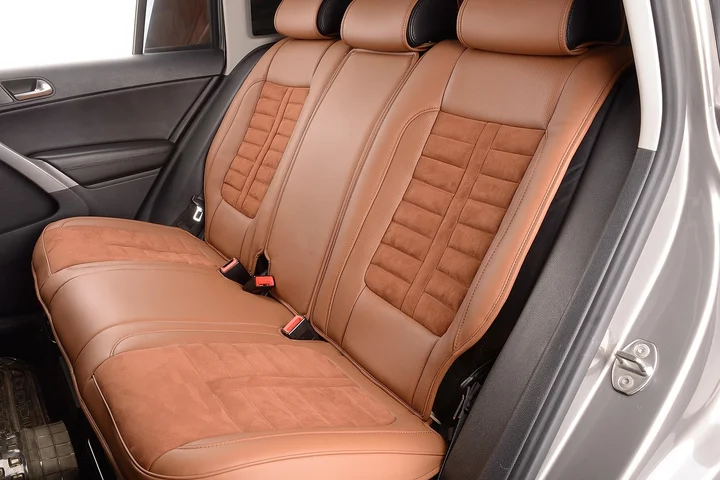
If you’re wondering how do you get crayon out of a couch, follow these steps. They work on car seats too.
Step 1: Scrape and Chill the Waxy Buildup
Start by gently scraping off any excess crayon wax with a dull knife. Don’t press too hard.
Then, wrap an ice cube in a plastic bag. Hold it on the stain for a minute to harden the wax.
Scrape again. The chilled wax will come off in bigger pieces, like peeling dried glue.
Chilling the wax first makes it brittle and easy to remove without smearing.
Step 2: Use Heat to Lift the Crayon Stain
Now for the heat. Place a few layers of white paper towel over the stain. Set your iron to low heat, no steam.
Press the iron onto the paper towel for 5-10 seconds. Lift it up. The wax will melt and soak into the paper.
Repeat with fresh paper towels until no more wax transfers. This method saved our living room couch after a playdate with Edward.
Heat draws the wax out of the fibers, and the paper towel acts like a blotter.
Step 3: Wash Away the Color with Dish Soap
After the wax is gone, you might see a color shadow. Mix a solution of mild dish soap and warm water.
Dab it on with a white cloth. Blot gently to lift the dye. Rinse with a damp cloth and blot dry.
When Jason drew a green river on the car seat, this soapy wash removed every trace. No harsh chemicals needed.
Dish soap cuts through the oily crayon dye, leaving your fabric fresh and clean.
What to Do If the Crayon is Ground Into Carpet Fibers
For crayon ground into carpet, like on car floor mats or upholstery with deep pile, be extra gentle.
Use the same scrape, chill, and heat method. If residue remains, dab a small amount of isopropyl alcohol on a cloth.
Blot the area, then vacuum once it’s dry. My aunt Jessica uses this for her car’s carpeted seats.
Patience and gentle blotting are key for ground-in stains to avoid spreading the color.
How to Remove Marker Stains from Fabric Furniture and Car Interiors
Targeting Permanent Marker and Sharpie Stains
First, know your enemy. Permanent markers, like Sharpies, use strong oil-based inks that bond to fibers.
Dry-erase markers are water-based and wipe away much easier. For permanent ink, isopropyl alcohol is your best friend. It’s especially useful when dealing with stubborn ink stains on skin or clothes.
It breaks down the oils without harming most fabrics. I keep a bottle in my cleaning caddy for emergencies like this.
The Blotting Technique with Rubbing Alcohol
Always blot, never rub. Rubbing grinds the stain deeper into the fabric.
Here is my exact method for how do i get permanent marker out of carpet or upholstery.
- Blot up any wet ink with a clean, white cloth or paper towel.
- Pour a little 70-90% isopropyl alcohol onto another clean cloth. Do not pour it directly on the stain.
- Gently press the alcohol-dampened cloth onto the stain. Hold it there for 30 seconds to let it work.
- Lift the cloth and see the ink transferring. Use a clean section of the cloth and repeat, working from the outside of the stain inward.
Hand sanitizer works in a pinch, as the main ingredient is alcohol. I used it on a dining chair after my daughter Jessica decided it was her new canvas.
Cleaning Up Dry-Erase Marker Smudges
For dry-erase markers, you often need less firepower. A damp cloth with a drop of dish soap usually does the trick.
If a smudge remains, a quick pass with an alcohol cloth will lift it. This answers how do you get dry erase marker out of carpet without harsh chemicals.
My son Jason’s dry-erase board sessions sometimes migrate to the couch, and this simple fix works every time.
Final Rinse and Drying for a Clean Finish
After the ink is gone, you must remove the cleaning residue. Leftover alcohol can attract dirt.
Dampen a fresh cloth with cool water and a tiny bit of mild liquid soap. Blot the entire cleaned area.
Follow with a cloth dampened with only water to rinse. Blot with a dry towel to absorb moisture.
Let the spot air dry completely before using the furniture or car seat again. I learned this after cleaning Jessica’s marker masterpiece from the car seat; rushing the drying left a slight sticky film.
Special Cases: Old Stains, Delicate Fabrics, and Kid’s Car Seats
When the Stain Has Set: Treating Old Artwork
An old, set-in stain needs patience. First, try the alcohol blotting method again, but let the alcohol sit a minute longer.
If color remains, make a thick paste of baking soda and water. Spread it over the stain and let it dry completely. For more tips on removing dye stains from clothes, see our dye stain removal guide.
The paste can draw out leftover pigment. Vacuum it up once it’s dry and powdery.
For very old stains, you might need to repeat the process two or three times. My aunt Jessica once had a wine glass leave a ring on her sofa for a week, and a baking soda paste was her savior.
Handling Delicate Upholstery and Specialty Fabrics
Fabrics like velvet, microsuede, or silk demand a gentle touch. Rubbing alcohol can damage their texture or finish.
Your first step is always to check the manufacturer’s cleaning code, usually on a tag under the cushion.
If you can’t find it, test any cleaner on a hidden spot, like the back or underside. For delicate fabrics, I often recommend calling a professional cleaner. When dealing with stubborn stains on outerwear and delicate fabrics, it’s even more important to be cautious.
My mother-in-law Brianna’s velvet armchair is off-limits for DIY fixes after a microsuede footstool experiment went wrong.
Safe Cleaning for Children’s Car Seats and Boosters
Getting marker out of a kid’s car seat is a top worry for parents. Safety is the priority.
Use the mildest effective solution. For most markers, a 50/50 mix of water and isopropyl alcohol is strong enough.
Blot carefully, then rinse the area thoroughly with a water-dampened cloth several times. You must remove all cleaning solution to prevent skin contact for your child.
Let the seat dry fully in the sun if possible. I do this every time after my kids, Jason and Edward, have post-snack car seat adventures.
What Works Best: Homemade Solutions vs. Commercial Cleaners
You can spend a fortune on specialty cleaners, or you can use what’s under your kitchen sink. I’ve tested both paths for years.
Homemade solutions win on cost and convenience. You can mix them in seconds.
Store-bought upholstery cleaners offer convenience and are formulated to avoid over-wetting, which is their main advantage for nervous first-timers.
The Power of Simple Ingredients: Dish Soap and Rubbing Alcohol
Dish soap and rubbing alcohol are my cleaning cabinet heroes. They tackle 90% of kid-made stains in my house.
Dish soap cuts through the oily wax in crayons. A tiny drop in warm water creates a powerful solution.
Isopropyl alcohol (rubbing alcohol) is the ultimate solvent for permanent marker ink, breaking it down almost on contact.
I keep a spray bottle of 70% isopropyl right next to my cloths. My mom, Martha, taught me that trick decades ago. It’s saved my sofa more times than I can count.
When to Reach for a Store-Bought Upholstery Cleaner
I buy a commercial cleaner in two situations. The first is for a large, set-in stain I don’t want to risk.
The second is for my car’s fabric seats. Their formulas often include protectants and dry faster, which prevents mold.
A quality oxygen-based cleaner (like OxiClean) is worth having for old, mysterious stains that have been baked into a car seat.
It lifts color through oxidation, not bleaching. I used one on a vintage plaid chair from a thrift store with amazing results.
My Go-To Mix for Tough, Blended Stains
When Jessica uses a marker to color over her crayon masterpiece, I need a blended attack. This is my battle mix.
- Mix one teaspoon of clear dish soap with one cup of warm water in a bowl.
- Add two tablespoons of 70% isopropyl alcohol.
- Stir it gently. You’ll see it turn slightly cloudy.
This combo lets the soap tackle the wax while the alcohol attacks the ink simultaneously, saving you from scrubbing in stages.
Test it on a seam first. Blot, never rub, with a white microfiber cloth.
Critical Warnings: Fabrics and Chemicals to Avoid
Removing the stain but ruining the fabric is the worst outcome. I’ve had some close calls.
Always, always check the manufacturer’s tag first. It’s your roadmap.
If the tag has a “W” for water-based cleaning only, do not use alcohol. It can dissolve the fabric’s finish.
Fabrics That Demand Extra Caution (or a Pro)
Some fabrics are too delicate for DIY methods. Proceed with extreme care or call an expert.
- Silk or Acetate: Alcohol can cause permanent discoloration and texture changes. Water can leave rings.
- Untreated or Aniline Leather: Any home cleaner will likely stain it worse. This needs a leather specialist.
- Some Performance Fabrics: Modern microfiber or treated fabrics can lose their water-repellency. Spot test in three places.
Harsh Chemicals That Can Ruin Your Upholstery
What you don’t use is as important as what you do use. Keep these far away from your furniture and car interior.
- Acetone (Nail Polish Remover): It will melt many synthetic fibers and dissolve dyes instantly.
- Chlorine Bleach: It will strip color and weaken fabric fibers, creating a hole.
- Undiluted Ammonia: Too harsh for dyes and can cause severe fading.
My aunt Jessica learned the acetone lesson on a beautiful velvet pillow. It left a melted, crusty spot we couldn’t fix.
Heat and Moisture: Avoiding Damage to Car Interiors
Car interiors are brutal. Plastics become brittle, and fabrics mildew fast. You must be gentle.
Never use a steam cleaner or hair dryer on high heat to dry a car seat. The heat can warp plastic side panels and cause synthetic fabrics to shrink or become tacky.
Roger learned this trying to dry his hunting vest in the car with a heat gun. The vest was fine, but the door panel trim never looked right again.
Always blot up as much moisture as you can. Then, roll the windows down and let the air dry it naturally, even if it takes a day.
Keeping It Clean: How to Prevent Future Artwork on Your Furniture
After you clean one marker stain, the next thought is always how to stop it from happening again.
I get it. With Jason and Jessica turning our home into their personal canvas, I’ve had to get creative with prevention.
Creating Kid-Friendly (and Furniture-Safe) Zones
The single best tip I learned from my mom, Martha, is to control the chaos before it starts.
You need a space where making a mess is not just allowed, but expected.
Set up a dedicated art station away from your nice furniture, like at the kitchen table or a small desk.
Keep washable mats or a vinyl tablecloth there. It saves your upholstery every time.
For furniture you can’t avoid, like our living room couch, I use washable slipcovers.
They are a game-changer. When Edward came over for a playdate and spilled juice, I just pulled the cover off and tossed it in the wash.
No panic, no permanent stain.
For immediate accidents, keep a clean white cloth and a bottle of club soda handy to blot spills before they set.
Blotting lifts the liquid without grinding it deeper into the fabric.
Do Fabric Protectors and Stain Guards Really Work?
I bought a spray-on fabric protector after Jessica’s first crayon masterpiece appeared on our light-beige couch.
My hope was high. The reality was more complicated.
These products can buy you precious time, but they are not a magic force field.
They work by creating a thin, invisible barrier that causes liquids to bead up on the surface.
This gives you a minute or two to grab a cloth and soak it up.
From my tests, they work well against water-based spills like juice or milk.
But oily markers or waxy crayons? They can still stick and stain.
The protector on our couch made the marker smear easier to wipe off, but I still needed the rubbing alcohol method to get it all out.
Also, these guards wear off. Foot traffic, friction from sitting, and cleaning will break down the coating over time.
You have to reapply them every few months, which is easy to forget.
The Best Defense: A Calm Response to the Next Mess
No zone or spray can prevent every accident. Life with kids and pets is wonderfully messy.
Peeta will track in mud. A new, “washable” marker will prove it’s not.
The real secret is to stay calm when the next stain appears, because you already know how to fix it.
I used to get frantic. Now, when I see a new waxy line on the car seat, I just sigh and grab my hairdryer and paper towels.
Embrace the mess as a sign of a home that’s lived in and loved.
Your furniture can be cleaned. The memories your kids are making are worth a little extra work.
FAQ about Removing Crayon and Marker Stains
How quickly do I need to act on a fresh stain?
Acting fast is best, but don’t panic. For fresh marker, immediately blot the wet ink with a dry cloth to prevent it from soaking deeper. For crayon, scrape off any excess waxy bits first before they get ground in. Pen marker ink stains can pop up on different surfaces too, so fast action matters. The next steps cover how to remove pen marker ink stains efficiently.
What’s the safest way to tackle a very large area?
Work in small sections, no larger than a dollar bill, to avoid over-wetting the fabric. Always clean from the outer edges of the stain toward the center to prevent it from spreading. Be especially careful when dealing with polyester clothing or upholstery, as improper cleaning can damage the fabric.
Is hand sanitizer a safe alternative to rubbing alcohol?
Yes, it’s an effective and often handy substitute, as its main ingredient is alcohol. This makes it a great first-response option for marker stains on kids’ car seats or furniture.
How can I lift the stain without leaving a watermark or ring?
Always follow your cleaning solution with a rinse step using a water-dampened cloth, then blot thoroughly with a dry towel. This removes any cleaning residue that could dry and attract dirt, creating a ring.
What’s a quick fix if I don’t have an iron for a crayon stain?
Use a hairdryer on a warm setting over paper towels laid on the stain. The heat will melt the wax, and the paper will absorb it, though an iron with direct pressure is often more effective. Despite this, you may still need to remove the residue from fabric.
Your Game Plan for a Stain-Resistant Home
Your best defense is to always test any cleaner on a hidden seam first; this five-second step has saved my own sofa from permanent damage more times than I can count. For lasting peace of mind, a simple fabric guard can turn a potential crayon crisis into a quick wipe-down. I share all my real-life cleanup stories with Jason, Jessica, and Peeta on the Stain Wiki blog, where we find practical solutions for every messy moment.
Suzanne is an accomplished chemist, laundry expert and proud mom. She knows the science and chemistry of stains and has personally deal with all kinds of stains such as oil, grease, food and others. She brings her chemistry knowledge and degree expertise to explain and decode the science of stain removal, along with her decades long experience of stain removal. She has tried almost everything and is an expert on professional and DIY stain removal from clothes, fabric, carpet, leather and any other items dearest to you.