How Do You Remove Old Coffee Stains and Other Set-In Stains from a Mattress?
That dark, set-in ring on your mattress doesn’t have to be permanent. You can often lift old stains safely using common household items like enzyme cleaners, vinegar, or baking soda.
In this guide, I’ll cover everything you need to know, including:
- The crucial first step for any old stain to avoid setting it deeper.
- My tested homemade recipes for coffee, wine, and biological stains.
- How to use commercial cleaners effectively without damaging the fabric.
- The absolute must-do drying process to prevent mold under the surface.
- Real-life lessons from cleaning up after my family’s messes.
I’ve been solving these problems for years, from toddler spills to hunting gear mishaps.
First, Don’t Panic: Assessing Your Mattress Stain
An old, set-in stain feels permanent. I get it. You see that dark ring and think it’s part of the mattress now.
Let’s rate the panic. For a year-old coffee stain, I give it a solid 4 out of 10. Annoying, but very beatable. A biological stain, like old urine, is more like a 7/10. It needs specific attention.
The “golden window” for easy cleanup is long gone, but that just makes this a more satisfying project. Think of it as a challenge, not a disaster. You can win this.
Your very first job is to play detective. What made the stain? Coffee, tea, or soda? Sweat or body oils? Urine or another biological fluid? A mystery spill from a kid’s secret snack?
Knowing the stain type tells you which cleaner to use. Greasy stains need dish soap. Tannin stains like coffee love vinegar. Biological stains require an enzyme cleaner.
My son Jason once had a friend sleep over. They smuggled hot chocolate into his room. The brown circle left behind was a classic “set-in beverage” case. We figured it out by the sweet, faint smell.
This approach is totally different from a fresh spill. With a new stain, you’re blotting and diluting. With an old one, you’re breaking down and lifting.
Gear Up: What You’ll Need to Clean a Mattress at Home
You don’t need fancy gear. You likely have everything in your house right now. Here is my battle kit.
The Cleaning Agents
- White Distilled Vinegar: Cuts through old coffee or tea stains and neutralizes odors.
- Clear Dish Soap (like Dawn): For breaking up any oily or greasy residue in the stain.
- Baking Soda: Your ultimate odor absorber and gentle abrasive for pastes.
- 3% Hydrogen Peroxide: A mild bleach alternative. Fantastic for organic stains, but always test first.
- Enzyme Cleaner (like Nature’s Miracle): Non-negotiable for old urine or vomit. It eats the stain at a molecular level.
The Tools
- Clean white cloths or microfiber towels (colored cloths can bleed dye).
- A spray bottle for applying vinegar or peroxide solutions.
- A small bowl and spoon for mixing pastes.
- A vacuum cleaner with a hose and upholstery attachment. This is key for drying.
My mom, Martha, taught me to keep a dedicated “stain box” under the kitchen sink. It’s just a plastic bin with these supplies. When disaster strikes, I grab the box and go. No frantic searching.
Last month, my golden lab Peeta got sick on the guest bed. The stain was hours old. I grabbed my box, mixed an enzyme solution, and treated it before it could set forever. The box saves me every time.
Before you put anything on your mattress, you must do a test patch. Find a hidden spot, like a corner under the sheet.
Apply a tiny bit of your cleaning solution and blot it dry. Wait an hour to check for discoloration or damage. This one step prevents a small stain from becoming a huge, ruined patch.
The Chemistry Corner: Why Old Stains Stick Around

You know that pale, yellow-brown ring on your mattress? The one from a coffee spill months ago? That is a textbook “set-in” stain. It is no longer just a spill sitting on top of the fabric. It has dried completely, often oxidized (which means it has reacted with air and darkened, like an apple slice turning brown), and bonded to the fibers of your mattress ticking and padding.
Think of it like wood glue. When it is wet, you can wipe it right up. Let it dry and harden, and you are chiseling. Old stains work the same way. The liquid carrier (water, milk) evaporates, leaving the stain particles behind to get cozy and tight with the fabric.
Meet the Usual Suspects: Tannin, Protein, and Oil
Not all old stains are the same. Knowing what you are fighting helps you pick the right weapon. Your mattress stain is usually a nasty cocktail of these three.
- Tannin Stains: These are from plant-based liquids. Coffee, tea, and red wine (like the one Aunt Jessica spilled last Thanksgiving) are the big ones. They leave behind dark, discolored patches that can look almost rusty.
- Protein Stains: This is the icky stuff from bodies. Think sweat, urine (from kids or pets like my dog Peeta), and even blood. They start invisible but turn yellow or brown as they age and oxidize.
- Oil Stains: Our skin and hair produce oils. So do lotions and creams. These greasy marks attract dirt, making a stain look darker and feel slightly tacky over time.
Your Cleaning Agents, Explained Simply
You do not need a chemistry degree, just a basic idea of how your cleaners work. I keep it simple in my own home.
White vinegar is acidic. That acidity is great at breaking down mineral deposits and helping to dissolve the bonds that set-in stains make. It is like how vinegar cuts through limescale in your kettle.
A plain liquid dish soap (like Dawn or Palmolive) is a degreaser. Its job is to surround oily molecules and lift them away from fibers so water can rinse them out. I use it on everything from greasy pans to Jason’s grass-stained soccer shorts.
For old, set-in stains, you often need a one-two punch: something to break the stain’s grip (like vinegar) and something to lift it away (like soap).
Critical Warnings Before You Start Cleaning
Cleaning a mattress isn’t like scrubbing a countertop. One wrong move can trap moisture deep inside or ruin the materials for good. I treat every stain removal project here with a healthy dose of caution.
Let’s start with the biggest red flags. These are the mistakes I see most often.
- Never, ever soak your mattress. Water will wick down into the padding and core, creating a perfect home for mold. This happened to a friend who tried to clean a spill by pouring water directly on it.
- Avoid harsh bleach or ammonia-based cleaners. They can break down mattress fibers and leave a brittle, weakened spot. The fumes are also terrible to sleep on.
- Use extreme caution with memory foam or latex. These materials are sensitive. Harsh chemicals or too much moisture can break down their structure permanently.
Some common advice is actually terrible for specific stains. You need to match your method to the mess.
- Never use hot water on protein-based stains like blood, milk, or vomit. Heat cooks the proteins, binding them tightly to the fabric. I learned this after an incident with Jessica and a sippy cup of milk.
- Do not use undiluted vinegar on certain fabrics without testing. Its acidity can damage some fibers or finishes, leading to discoloration.
Ventilation is your best friend. Always open a window or turn on a fan while you work and for hours after. Good airflow is the single biggest factor in preventing a musty smell later.
Your main job is to protect the mattress core from getting wet. Think of the surface like skin; you just want to clean the top layer without letting anything soak in. My husband Roger learned this the hard way after a hunting trip mishap.
Before you touch anything, find the care tag. Check your warranty paperwork, too. Using an off-label cleaner can void your mattress warranty in an instant. My aunt Jessica in Arizona found this out the expensive way.
Your Mattress Care Safety Checklist
Follow these four rules every single time. They are the foundation of safe, effective cleaning.
- Always do a test patch in a hidden corner first. I test every new solution on the mattress edge near the foot of the bed. This saved me from discoloring our guest bed last year.
- Blot, never rub or scrub. Rubbing pushes the stain deeper and frays the fabric. Use a clean, white cloth and press straight down to lift the mess.
- Work from the outer edge of the stain inward. This contains the spill and stops it from spreading into a larger, uglier blotch. My mom Martha taught me this trick.
- Use the minimal amount of moisture needed. Your goal is a damp cloth, not a wet one. If the mattress feels cool or damp underneath the surface, you’ve used too much liquid.
How to Remove Old Coffee Stains from a Mattress
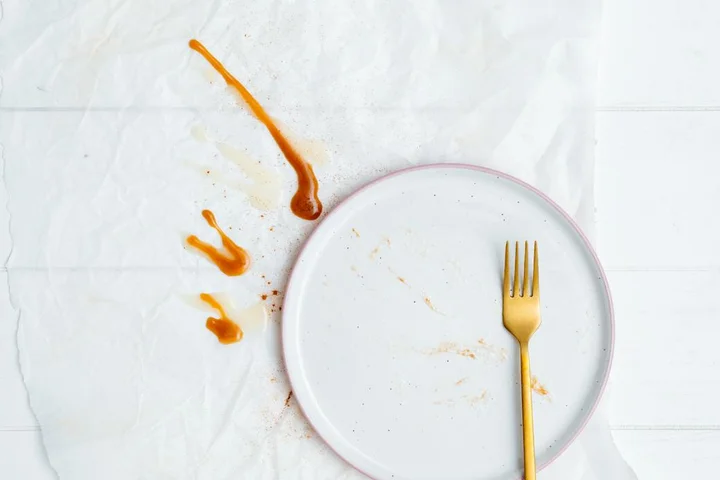
You can remove an old coffee stain from a mattress with a simple vinegar and dish soap solution. The trick is understanding what you’re fighting. Coffee is a double agent. It leaves behind dark tannins and oily residue from the beans, unlike urine stains which have a different composition.
Vinegar breaks down the tannin bonds, while dish soap cuts through the grease. I rely on this combo for set-in stains.
My husband Roger is a night owl. After a late gaming session, he left a full mug of coffee on our guest room mattress. Two days later, we found a perfect, dark brown ring. It looked permanent.
This exact method lifted that old stain completely, saving us from an awkward conversation with Aunt Jessica during her next visit.
For textured mattress fabric, I keep an old, soft-bristled toothbrush handy. After applying the cleaning solution, I use the brush to gently *tickle* the fibers. This helps the solution penetrate the stain without scrubbing and damaging the fabric.
The Vinegar & Dish Soap Solution Steps
Gather white vinegar, blue dish soap (like Dawn), water, clean white cloths, and baking soda.
- Vacuum the area thoroughly. This removes any dry debris that could grind into the fabric during cleaning.
-
Mix your solution. In a bowl, combine 1 part white vinegar to 2 parts cool water. Add one small drop of blue dish soap and swirl to mix. The blue soap helps you see where you’ve applied it.
-
Apply and blot. Dampen a white cloth with the solution and press it onto the stain. Do not pour liquid directly on the mattress. Let it sit for 5 minutes. This method is especially effective for removing period blood stains from a mattress. For more tailored tips on period blood stain removal, see the next steps.
Take a dry, white cloth and press down firmly. Lift to absorb the liquid. Never rub. Rubbing spreads the stain and damages fibers. It’s one of the most common errors to avoid when treating stains.
Repeat the apply-and-blot cycle until your cloth picks up little to no more color. This requires patience for an old stain.
-
Apply a baking soda paste. Mix a tablespoon of baking soda with just enough water to make a spreadable paste. Dab this over the damp area.
Let it dry completely, which can take several hours. The baking soda neutralizes any vinegar odor and helps lift the last bits of residue to the surface. Vacuum it up once it’s bone dry.
When to Bring in Hydrogen Peroxide
For white or light-colored mattress covers, hydrogen peroxide is my secret weapon for lingering discoloration. It’s a mild, oxygen-based bleach.
You must test it first in a hidden seam or corner. Apply a drop of the diluted solution and wait 30 minutes. Check for bleaching or color change.
If the test passes, use a 3% hydrogen peroxide solution. Mix it with an equal part of water. Apply it with a cotton swab or a cloth, only to the stained area.
Let it bubble for no more than 10 minutes, then blot it dry with a clean cloth. Follow with a rinse of plain water on a cloth and a final blot to remove any peroxide residue.
I only use this on known, colorfast white fabrics. On anything colored or unknown, I stick with the vinegar method to be safe.
How to Remove Other Set-In Stains from a Mattress
You asked about other set in stains, and I get it. Coffee is just one villain in a long lineup. My mattress has seen everything from Roger’s sweaty work clothes to a memorable incident with Aunt Jessica’s red wine.
Each stain type has a personality, and you need the right approach to convince it to leave. Here is a quick reference chart I made after testing these methods on our own family beds.
| Stain Type | Primary Method | Key Notes from My Tests |
|---|---|---|
| Sweat/Body Oil | Dish Soap Paste | Mix a drop of blue dish soap with baking soda into a paste. It cuts grease without harsh fumes. I use this on Jason’s pillowcases all the time. |
| Urine | Enzyme Cleaner | This is non negotiable for smells and stains. It breaks down the proteins. I learned this after Peeta’s puppy phase. |
| Blood | Cold Water & Hydrogen Peroxide (3%) | Always use cold water first. Heat will cook the stain into the fabric. Peroxide gently bubbles it away. |
| Mystery Yellowing | Baking Soda Paste or Distilled White Vinegar Spray | This is often old sweat or oxidation. A paste lifts it, while vinegar breaks down the residue. My mom Martha swears by the vinegar method. |
For urine and blood, treat them with extra care. I always wear gloves and make sure the spot is bone dry afterwards to stop any mold or mildew. A fan helps speed this up.
The Surface Compatibility Chart: Mattress vs. Other Fabrics
The tricks I use on a mattress often work elsewhere. But you must adapt them. What’s gentle on a thick mattress pad might be too rough on a silk blouse.
This chart shows you how to adjust my go to mattress methods for other fabrics in your home. It’s saved me when Edward spilled juice on the couch and when Brianna visited with her lipstick mishap.
| Cleaning Method | On Carpet | On Upholstery | On Clothing |
|---|---|---|---|
| Baking Soda Paste | Great for lifting odors. Let it dry completely and vacuum. | Use a very thin layer. Over wetting can damage the padding. | Rinse it out thoroughly with cold water before tossing in the wash. |
| Enzyme Cleaner | Perfect for pet accidents. Soak the area and let it work. | Spray lightly and blot. Do not pour it on. | Soak the garment in a bucket with the cleaner first, then wash normally. |
| Dish Soap Paste | Works on greasy food stains. Blot, do not scrub hard. | Apply a tiny dab with a cloth. Always test a hidden seam. | Pre treat the spot, then wash in the warmest water the fabric allows. |
| Hydrogen Peroxide | Only on light colored carpets. Test for colorfastness first. | Blot gently. Rubbing can fray delicate fibers like on a favorite chair. | Always dilute it and do a spot test on an inside seam. Some colors will fade. |
My golden rule, from cleaning Jessica’s messy art smocks to the car seats, is to test first. A hidden spot tells you everything before you commit to the whole stain.
The All-Important Drying and Final Check

You have blotted and treated the stain. Now the real work begins. I call this phase Post-Treatment Recovery, and it is just as critical as the cleaning itself — especially when you remove biological stains from fabric, as they require extra care.
Your goal is to return the mattress to a safe, sleepable state. This means it must be completely dry all the way through the padding.
A damp mattress is a breeding ground for mold and mildew, which is a health hazard you do not want.
I learned this from my mother-in-law Brianna. She once let a cleaned spot air dry on its own in a closed room. A faint, unpleasant smell developed within days.
Always plan for a full drying window. For most homes, this means 6 to 8 hours of dedicated drying time. In a humid climate or for a deep-set stain, give it 12 hours or even overnight.
Do not just walk away and hope for the best. You need to actively pull moisture out. I use a three-pronged attack every single time.
First, I open the windows in the room to get cross-ventilation. Second, I point a standing fan directly at the damp area. Third, if the air feels thick, I plug in a dehumidifier. My Aunt Jessica in Arizona laughs, but her dry air is a natural dehumidifier.
Airflow is your best friend here. It evaporates moisture that your towels could not reach.
Before you remake the bed, you must verify two things. Is it dry? And is the stain gone?
Check for dryness with your senses. Press the palm of your hand firmly on the treated spot. It should feel the same temperature as the surrounding fabric. If it feels cooler, it is still damp inside.
Lean in and take a light sniff. You should smell nothing but clean fabric or your cleaning solution. Any sour, musty odor means moisture remains. Wait longer.
Only when it passes the touch and smell test should you do a visual inspection for the stain.
Use the best light you have. Pull back the curtains and use daylight. Move a lamp close to the mattress and look from different angles. What looked gone in dim light might show a residue in bright light.
Set your expectations. With old, set-in coffee stains, you may have lifted the bulk but left a faint tan shadow. This is very common.
My son Jason’s old mattress had a ghost of a chocolate milk stain from years ago. The spot was clean, dry, and odor-free. That is a successful removal. A faint shadow is okay. A damp mattress is not.
When DIY Isn’t Enough: Considering Professional Help

Sometimes, you need to know when to fold ’em. I learned this the hard way trying to save my mom Martha’s heirloom quilt. My home methods just pushed the stain deeper into the batting. Calling a professional cleaner isn’t a failure; it’s a smart strategy for specific, tough situations.
Signs It’s Time to Make the Call
You’ve blotted, you’ve enzyme-treated, you’ve let it air out. The stain remains. Listen to your mattress. Here are the clear signals to bring in reinforcements.
- Large or Widespread Area: A single coffee cup spill is one thing. But if a whole pot tipped over or a stain covers a significant portion, DIY extraction is incredibly difficult to do evenly and thoroughly.
- Mold or Mildew Concerns: If the mattress ever got truly soaked (from a flood, a major leak, or even just excessive cleaning solution) and you suspect moisture inside, stop. Mold isn’t just a stain; it’s a health hazard. Pros have industrial equipment to dry cores properly.
- Persistent, Funky Odor: You’ve cleaned the spot, but a sour, stale, or “off” smell lingers. This often means biological matter (think urine, sweat, spilled milk) has migrated deep into the padding where your vacuum and sprays can’t reach.
- A Valuable or Specialty Mattress: Got a high-end organic latex, wool, or antique mattress? The wrong cleaning agent can ruin its materials or void warranties. A pro knows fabric and filling specifics.
What Does a Professional Mattress Cleaning Actually Do?
It’s more than a bigger bottle of spray. Think of it like the difference between washing a shirt in your sink and taking it to an industrial laundry. I’ve talked to local cleaners in my area to understand their process.
They start with a detailed inspection, just like a doctor. They identify the stain type and test fabric compatibility in a hidden corner. The main event is usually hot water extraction. This isn’t a carpet cleaner you rent. Their truck-mounted units pull a powerful, deep vacuum that literally yanks old spills and contaminants from the bottom layers of your mattress up to the surface.
They use professional-grade, targeted cleaning solutions for different stains. Afterwards, they use high-velocity air movers to ensure the mattress is completely dry in hours, not days, preventing that damp feeling and mold risk.
Weighing the Cost Against the Benefit
Let’s be practical. Professional cleaning isn’t cheap. For a standard mattress, you might spend what you would on a nice dinner out. So, is it worth it?
For a newer or mid-life mattress (under 7 years old), investing in a pro clean can absolutely extend its life and improve your sleep hygiene, making it a solid value. It’s far less than replacement cost.
For an older mattress (8+ years) that’s already sagging or uncomfortable, I’m more hesitant. My rule of thumb? If the mattress itself is due for replacement soon, use your DIY skills to manage the stain and start saving for a new one. But if that older mattress is still structurally sound and the stain is the only issue, a one-time professional refresh can buy you more time.
My aunt Jessica spilled red wine on her guest room mattress last year. It was a decent mattress, about 5 years old. She tried her home remedy (soda water, of course), which lightened it but left a shadow. For her, paying for a pro clean was worth the peace of mind for when guests visit. She said it came back looking and smelling like new.
Keep It Clean: How to Prevent Future Mattress Stains
Now that your mattress is fresh, let’s keep it that way. This is about peace of mind, not perfection.
After dealing with my fair share of mattress mishaps, I can say one thing with total confidence.
A high-quality, waterproof mattress protector is non-negotiable for any home, especially one with kids or pets.
Think of it as a full-coverage raincoat for your bed. It stops spills, sweat, and accidents from ever reaching the fabric. I learned this the hard way when Jason, then 5, had a midnight stomach bug. The protector saved our mattress from a much worse fate.
Make Maintenance a Simple Habit
I vacuum my mattress every time I rotate it, which is about every season. It’s a five-minute task that makes a huge difference.
This simple habit pulls out dust, dead skin, and allergens you can’t see, keeping the surface fresh between sheet changes.
Use your vacuum’s upholstery attachment. Go slowly over the entire surface and pay extra attention to the seams and edges where dust loves to hide.
Act Fast, Even with Protection
My golden rule? Blot first, ask questions later. If a spill happens on the protector, treat it immediately.
Grab a clean, dry cloth and press down firmly. Don’t rub. Just soak up as much liquid as you can. Even if the liquid doesn’t penetrate, letting it sit can create a sticky residue on top of the protector.
Immediate blotting is the single most effective thing you can do to prevent any stain, new or old, from setting. I keep a stack of old towels in the linen closet just for this purpose. That habit also helps prevent stains after washing by stopping them from spreading during handling. It naturally leads into the broader tips on preventing stains after washing.
Reclaim Your Clean Sleep Space
Dealing with an old stain can feel defeating. Preventing the next one is empowering.
You’ve done the hard work to restore your mattress. A good protector and simple routines are your best tools to protect that investment.
A clean mattress isn’t just about looks; it’s the foundation for a healthy, restful sleep. You’ve got this.
FAQ about Removing Old Mattress Stains
How long should I let the vinegar solution sit on an old coffee stain?
Let it sit for 5 minutes before blotting. For deep-set stains, repeat the apply-and-blot cycle patiently until your cloth stops picking up color.
Can I use laundry stain remover spray on my mattress?
Test it first on a hidden spot, as many sprays contain harsh chemicals that can damage fibers. Stick to gentler options like vinegar or dish soap solutions for safety.
What should I do if the stain is still visible after drying?
Apply a baking soda paste to lift any residual discoloration. If a shadow remains, it may be a sign to consult a professional cleaner for deeper extraction.
Is hydrogen peroxide safe for all mattress colors?
No, always test it in a hidden seam first. Reserve it for white or colorfast fabrics only, as it can bleach or discolor darker materials.
How can I quickly blot a new spill before it sets?
Use a clean, dry cloth and press down firmly without rubbing. Immediate blotting is your best defense to prevent a fresh spill from becoming a set-in stain.
Final Tips for Removing This Stain
The single most important step is to always blot a set-in stain gently from the outside in, never scrubbing, to avoid damaging the mattress fibers. Let the area dry thoroughly after cleaning, as I learned when Peeta’s damp paw prints led to a musty smell in Jason’s room. Should odors linger, there are simple ways to remove bad smells from bedsheets and mattresses. I’ll walk you through them in the next steps. For more trusted, home-tested advice on keeping your fabrics fresh, follow along with me on Stain Wiki.
Suzanne is an accomplished chemist, laundry expert and proud mom. She knows the science and chemistry of stains and has personally deal with all kinds of stains such as oil, grease, food and others. She brings her chemistry knowledge and degree expertise to explain and decode the science of stain removal, along with her decades long experience of stain removal. She has tried almost everything and is an expert on professional and DIY stain removal from clothes, fabric, carpet, leather and any other items dearest to you.