How Do You Clean Stains from Suede Without Causing Damage?
Seeing a stain on suede can feel like a disaster. Stay calm-your first step is always to gently blot with a dry cloth and avoid any liquid, which can set the stain permanently.
This article will walk you through my proven, non-toxic methods:
- The immediate response for fresh spills, perfected after my son Jason’s many soccer mishaps.
- Safe DIY cleaning solutions for common offenders like oil, wine, and mud.
- The simple tools you need, like the suede brush that saved my husband Roger’s boots.
- How to tackle old, set-in stains that seem impossible to remove.
- Easy care tips to keep your suede looking and feeling soft for years.
I’ve personally rescued countless suede items from my kids’ messes and our dog Peeta’s muddy paws.
What’s the First Thing I Should Do with a Fresh Stain?
You see a dark spot on your suede. Your heart jumps. I know that feeling.
First, take a breath. Panic makes you rub, and rubbing is the worst thing for suede.
- Blot, never rub. Press a clean, dry cloth straight down to soak up the liquid.
- Try to see what made the stain. Is it oil, juice, or dirt? This clue helps pick your cleaner.
My absolute rule is to never pour water directly on a fresh, unknown stain. Water can spread the stain and leave a permanent ring.
Always use a clean, dry microfiber cloth for blotting. It grabs moisture without leaving fuzz behind.
I learned this with my daughter Jessica. She spilled grape juice on my suede shoes. I grabbed a napkin and scrubbed. It made a sticky, matted patch that was much harder to fix.
The Gentle Rules: How to Clean Suede Without Ruining It
Think of suede as the soft, fuzzy underside of leather. It’s delicate, like the skin of a peach.
Cleaning it is about being gentle. Your core tools are a suede brush, white vinegar, and cornstarch.
The method is always the same: brush first, clean the spot, and dry it slowly.
Before any cleaning, you must test your method on a hidden spot first. Check inside a seam or under a cuff for color changes or texture damage.
Your Suede Stain-Fighting Toolbox
I built my kit over years of spills. Jason’s soccer mud, Roger’s garage grease, Peeta’s slobber.
Here is what I keep ready.
- Absorbents (for wet or oily stains): Cornstarch or baking soda. They soak up liquids and oils like a dry sponge. Cornstarch is my favorite for pizza grease on the couch.
- Gentle Cleaners (for stuck-on grime): A mix of equal parts white vinegar and water, or one drop of mild dish soap in a cup of water. Vinegar breaks down salt stains from winter boots.
- Tools (for physical removal): A suede brush, a soft microfiber cloth, and a dull butter knife. The brush fluffs the nap. The knife scrapes off dried mud without cutting.
My Aunt Jessica in Arizona taught me the vinegar trick for red wine. It’s saved many a suede purse.
Step-by-Step: The General Clean for Everyday Messes
Use this for light dirt or dust. I do this weekly on Jason’s suede sneakers.
- Brush the entire item with your suede brush. Brush in one direction to lift the fibers and push out loose dirt.
- Make your cloth barely damp. Wet it and wring it out until it feels just damp, not wet. Too much water is dangerous.
- Wipe the surface gently. Move in one direction, like you are smoothing feathers. Do not scrub in circles.
- Let it dry naturally. Keep it away from radiators, sun, or hair dryers. Heat makes suede brittle.
- Brush it again once it is completely dry. This brings back the soft, velvety feel.
If you accidentally get the suede too wet, blot it hard with a dry towel immediately. Stuff the item with crumpled paper to help it keep its shape as it dries. My mom, Martha, showed me this with a soaked suede hat.
Battle Plans for Specific Suede Stains
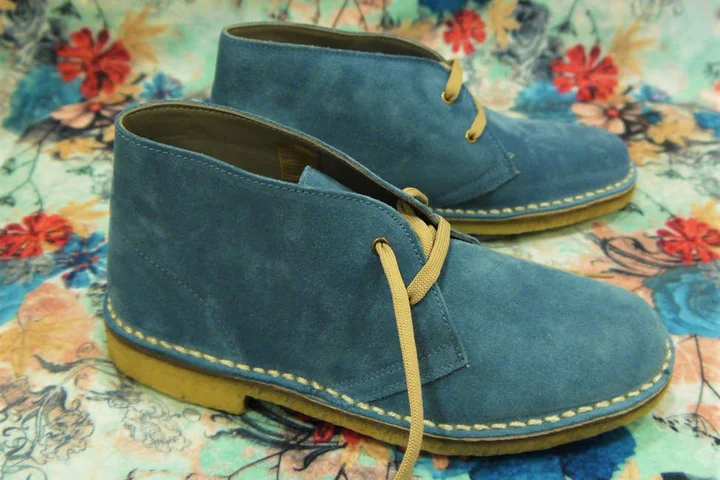
Let’s tackle suede stains one by one. I frame each method as a direct answer to the question I hear most often. For every stain, start by identifying it.
Look for the specific signs I describe. This tells you which battle plan to use.
How Do You Get Oil and Grease Stains Out of Suede?
What you’ll see/feel: A dark, soaked-in spot that feels slightly slick or greasy to the touch. It won’t brush out.
Your first move is absorption. Cover the stain completely with a thick layer of cornstarch or baking soda. I keep a dedicated jar of cornstarch in my laundry room for this. Let that powder sit on the stain for at least 8 hours, or overnight.
The powder acts like a magnet, pulling the oil up and out of the delicate suede fibers.
Brush the powder away with a suede brush the next day. If a faint shadow remains, I use a cotton swab dipped in a tiny bit of white vinegar to gently dab the area. Let it air dry, then brush again.
Roger’s hunting jacket cuff taught me this. He brushed against some greasy engine parts, leaving a perfect black smudge. A night under cornstarch lifted it right out, and you’d never know it was there.
How Do You Get Blood Out of Suede?
What you’ll see/feel: A wet, red or brownish spot that can feel sticky as it dries. Act fast.
Grab a clean white cloth and dampen it with cold water. Gently blot the stain. Do not rub. Keep blotting with a clean part of the cloth to lift the blood stain.
This is critical: never, ever use hot or warm water on a blood stain. Heat can set stains, making them permanent. Heat will set the proteins in the blood, making the stain permanent.
For a fresh stain, that might be enough. For a more set-in mark, make a paste from a drop of mild dish soap and cold water. Use your finger or a cotton swab to apply a tiny amount to the stain. Blot gently with a cold, damp cloth to rinse. Also, avoid common stain-removal mistakes. Always test on an inconspicuous area before you proceed, and don’t rub hard.
Old blood stains require patience. You may need to repeat the cold water blotting several times over an hour. I learned this from helping Jason with a scraped-knee incident on his favorite suede sneakers.
How to Get Water Stains Out of Suede Shoes or Boots
What you’ll see/feel: A dull, darker ring or spot where water dried. The nap is matted down.
That ring is usually just the suede’s texture lying flat. First, let the item dry completely. Then, use a suede brush to vigorously brush the area in all directions to lift the fibers.
If a shadow persists, use steam. Hold the suede over the steam from a boiling kettle, but keep it at a safe distance. Move the item constantly. The gentle steam will relax the fibers.
While the suede is still slightly damp from the steam, brush it again to restore the nap. You can also hang the shoes in a bathroom during a hot shower for ambient steam.
Do not use a direct-jet clothing steamer. The force and concentrated heat can damage the suede and create new water spots.
How to Clean Stained Suede Shoes from Mud, Dirt, and Rain
What you’ll see/feel: Crusty, dried mud or a general film of grime. For wet mud, let it dry completely first. Do not touch it while wet.
Once the mud is dry, use a suede brush to knock off all the loose dirt. Brush in one direction. For remaining dirt, a white pencil eraser works wonders. Gently rub the stained area.
Winter brings salt stains. These look like white, crusty rings. Wipe them with a cloth dampened with a 50/50 mix of white vinegar and water. Let dry and brush.
For smooth suede, brush gently to avoid scuffing. For nubuck or rough-out suede, use a stiffer bristle brush or a specialty nubuck block to clean deeper textures. Peeta’s muddy paw print on my boots was no match for this dry-brush-first method.
Tackling Ink, Lipstick, and Sticky Residue
What you’ll see/feel: A sharp, colored line from a pen, a waxy smear from lipstick, or a tacky blob from gum or candy.
For ballpoint ink, use a cotton swab dipped in a small amount of rubbing alcohol (isopropyl alcohol). Dab very carefully at the stain. Do not soak the suede. Keep in mind that different types of ink may require different treatments.
Always test the alcohol on a hidden seam or inside tag first to check for color bleeding or damage. This is non-negotiable.
For lipstick or gum, harden the substance first. Put the item in a sealed plastic bag in the freezer for an hour. Once frozen solid, use the dull edge of a butter knife to carefully scrape off the bulk. Brush the area clean afterwards. My aunt Jessica’s wine-and-lipstick mishap on a purse was fixed with the freezer trick.
Post-Treatment Recovery: How to Dry Suede Properly and Restore the Nap
After any cleaning, drying suede correctly is the most important step. I follow these strict rules every time.
Always air-dry suede at room temperature. Keep it away from radiators, hair dryers, direct sunlight, and hot vents. Heat will shrink and harden the leather, which can cause wrinkles and damage.
For shoes or boots, stuff them tightly with crumpled white paper, like newsprint or paper towels. This absorbs moisture from the inside and maintains the shape. My mom Martha taught me this old trick.
Once the item is completely dry, take your suede brush and go to town. Brush vigorously in every direction. This final step fluffs up the nap and erases any last traces of a cleaning session, restoring that soft, velvety feel.
Critical Warnings and Material Red Flags
Suede is beautiful, but it’s a sensitive material. Before you try to fix a stain, you need to know what will make it permanently worse. I learned this the hard way on a pair of Roger’s gloves. Suede and leather require special care when removing stains.
Think of suede like a very short, delicate velvet. The “nap” is what gives it that soft feel and color. Damage that nap, and you damage the whole piece.
The Absolute “Never” List for Suede
These items are common in cleaning, but they are your suede’s worst enemy.
- Hot Water: Hot water can shrink or stiffen suede, just like it can ruin a wool sweater. Always use cool water only.
- Harsh Soaps or Detergents: Standard dish soap or laundry detergent leaves a sticky residue that attracts more dirt and can discolor the leather.
- Abrasive Brushes or Scrubbers: Stiff bristles will scratch and mat the delicate nap. You’ll be left with a permanent bald spot.
- Standard Stain Sticks or Pens: These are formulated for fabrics and often contain solvents or oils that will set a stain into leather.
- Direct Heat Sources: Never use a hairdryer, clothes dryer, or place suede near a heater. Heat bakes in stains and causes the leather to crack and curl.
The Non-Negotiable First Step: The Test Patch
Every suede item reacts a little differently. My Aunt Jessica’s wine-colored boot might handle a cleaner that my beige bag won’t.
You must test any cleaner or technique in a hidden spot first, like the inside of a shoe tongue or under a collar. Apply a tiny amount, let it dry completely, and check for color change or texture damage. If anything looks off, stop immediately.
When to Wave the White Flag and Call a Pro
I’m all for DIY, but sometimes professional help is the smartest move. Call a trusted leather cleaner if:
- The stain is large, old, or has already been set by a failed home remedy.
- You’re dealing with a very expensive or designer item. The risk is too high.
- The material is a delicate blend or has a pronounced, long nap you’re not confident handling.
My mom Martha always says, “Knowing when to stop is half the wisdom.” She’s right.
Keeping Your Suede Clean: Stories and Smart Prevention
Once you’ve tackled a stain, the real goal is to stop the next one from ever happening. This is where a little routine makes all the difference.
The single best thing you can do is use a suede protector spray. I treat every new suede item before it ever leaves the house. It creates an invisible barrier that causes water to bead up and gives you precious minutes to blot away spills before they soak in.
A Simple Post-Wear Routine
This takes two minutes and keeps suede looking fresh for years.
- After wearing, let the item air out away from direct sunlight.
- Use a suede brush (the soft brass-bristle kind) to gently brush the entire surface. This erases light scuffs and lifts the nap back up.
- For shoes, stuff them with paper to help them hold their shape as they rest.
I keep a small suede brush in the closet. It’s become as automatic as hanging up a jacket.
The Tale of Peeta and the Ottoman
All my prevention talk was put to the test last winter. Our golden lab, Peeta, decided my new suede ottoman was the coziest bed in the house.
I found him curled up, leaving a perfect circle of flattened, slightly damp nap. My heart sank. But because I had used a protector spray, the moisture hadn’t soaked in deeply.
I gently brushed the area in a circular motion for a few minutes. The nap slowly fluffed back up. You can barely see the spot now. Suede is more resilient than it looks, but only if you care for it proactively. Now, Peeta has his own bed placed right next to it. Problem solved.
FAQ about Cleaning and Removing Stains from Suede
Can I use common household items like vinegar or baking soda on suede?
Yes, white vinegar (diluted with water) is a safe cleaner for many stains, and baking soda or cornstarch are excellent for absorbing fresh oil. These tips also apply when you need to remove cooking oil stains from clothes. For fabric stains, dab with diluted vinegar or sprinkle baking soda before washing. Always test any substance on a hidden area first to check for color or texture changes.
What should I do if I get a suede item completely soaked, like in a rainstorm?
Immediately blot away excess water with a dry towel, then stuff the item with crumpled paper to hold its shape. Let it dry naturally at room temperature, away from direct heat, which can cause cracking and shrinkage.
How do I fix scuffs or flattening of the suede’s soft texture (the nap)?
Use a dedicated suede brush, brushing vigorously in one direction and then the other to lift the fibers. For stubborn flat spots, gently rubbing the area with a clean white pencil eraser can help restore the nap.
Is it safe to use a hairdryer to speed up the drying process after cleaning?
No, never use a hairdryer, radiator, or direct sunlight. Direct heat will bake stains into the material, stiffen the leather, and can cause permanent, irreversible damage. Patience and air-drying are essential.
When should I completely avoid DIY and take suede to a professional?
Take it to a professional leather cleaner for large, old, or unknown stains, or if the item is very valuable. Also seek help if a home remedy has already set the stain or damaged the dye, as further DIY attempts often make it worse, especially when dealing with leather stain dye removal.
Your Suede Care Routine Going Forward
Always treat suede stains immediately with a dry brush or eraser, and never rush the drying process after any spot cleaning. I share all my real-life tests, like rescuing Jessica’s suede shoes from mud, over on Stain Wiki so you can keep your materials looking their best.
Written by Suzanne Rosi Beringer. Suzanne is an accomplished chemist, laundry expert and proud mom. She knows the science and chemistry of stains and has personally deal with all kinds of stains such as oil, grease, food and others. She brings her chemistry knowledge and degree expertise to explain and decode the science of stain removal, along with her decades long experience of stain removal. She has tried almost everything and is an expert on professional and DIY stain removal from clothes, fabric, carpet, leather and any other items dearest to you.