How Do You Remove Stains and Dye from Leather Furniture, Jackets, and Accessories?
Seeing a new stain or color bleed on leather can make your heart sink. For most fresh spills, a quick blot with a clean, damp cloth is your best first move to prevent setting the stain.
I’ll guide you through the entire process, safely and effectively:
- Identifying your leather type-because aniline and coated leather need different care.
- Using gentle, homemade cleaners for common stains like coffee, ink, or makeup.
- Step-by-step dye removal from denim or other fabric transfers.
- Aftercare to condition and protect your leather so it lasts.
- Recognizing when a stain is beyond DIY to avoid costly damage.
I’ve handled everything from red wine on my sofa to permanent marker on Jason’s baseball glove, so I know what works in real homes.
Panic-Level Assessment: Your First 60 Seconds Matter
Leather is not like your cotton t-shirt. A stain here is more like a guest who might decide to move in permanently.
The first minute decides everything. My panic scale runs from 1 to 10.
A spill of clear water on a protected, aniline-dyed leather sofa? That’s a 2. Blot it and breathe. Dye transfer from a new pair of dark jeans onto a pale leather bag? That shoots up to an 8.
The Stain Type Dictates Your Panic
- Panic Level 9-10: Ink, nail polish, hair dye. These are aggressive and penetrate fast. Your “Golden Window” is about 3 minutes.
- Panic Level 7-8: Red wine, coffee with cream, cooking oil. These contain dyes and fats that sink in. You have maybe 10-15 minutes.
- Panic Level 4-6: Water-based spills (soda, juice, mud), food solids. The liquid can leave a ring, but you often have 30 minutes to an hour.
I learned this the hard way. I once found a perfect, tiny blue pen line on my cognac-colored armchair. Jessica, my three-year-old, had been “decorating.” That was a full 10 on the panic meter. The ink was already drying.
Urgency Changes With The Item
A stain on your family sofa feels like a home disaster. On your favorite leather jacket, it feels personal.
For furniture, you’re fighting to preserve the look of a room. For a jacket or bag, you’re saving a companion with memories stitched in. The process is the same, but the emotional stakes are different. Act fast for both.
The Universal First-Aid for Any Fresh Leather Stain
Before you even think about cleaners, these steps are your universal translator for stain emergencies. Do them in order.
Step 1: The Gentle Blot
Grab a clean, white, lint-free cloth. A microfiber cloth for glasses works perfectly. Paper towels can shred and leave bits behind.
Place it over the stain and press down firmly. Do not rub. Rubbing is the enemy. It grinds the stain deeper into the leather’s pores. Think of it like dabbing a wound, not scrubbing a pan.
Step 2: Scrape Off Solids
For dried oatmeal, cookie crumbs, or mud, you need to remove the bulk.
Use the dull edge of a butter knife or a plastic card. Hold it at a very low angle to the leather. Gently push the solid matter toward the edge of the stain to lift it off. Oil stains on leather or suede may need a different approach. The next steps explain how to remove oil stains from leather and suede.
The goal is to skim the surface without applying pressure that could scratch or dent the leather. My son Jason once left a dried blob of ketchup on his baseball glove. A gentle nudge with a gift card lifted the whole thing off in one piece.
Step 3: Identify Your Foe
Stop. Look. Smell. Think.
Is the stain oily and dark? Is it sticky and colored? This is the most critical question before you proceed. Using a water-based cleaner on an oil stain, or vice versa, can make a small problem a huge one.
My Aunt Jessica, a red wine enthusiast, taught me this. Knowing it’s Pinot Noir and not olive oil changes your entire battle plan.
Your Leather First-Aid Kit
Be ready. I keep a small kit in a closet drawer. It has:
- Several white microfiber cloths.
- A small container of plain cornstarch (for instant oil absorption).
- A soft-bristled toothbrush (for textured leathers).
- A tiny spray bottle of distilled water.
Cornstarch is my first response for any fresh, greasy stain. It sucks the oil out like a sponge, giving you time to plan the real clean-up. Just sprinkle, let it sit for an hour, then brush away.
Critical Warnings: What Can Ruin Your Leather Forever
I’ve seen too many good pieces ruined by haste. Leather isn’t like cotton or polyester.
Treating it like a regular fabric is the fastest way to cause permanent, expensive damage. Let’s talk about what to avoid before we even think about cleaning.
Never-Use Chemicals: The Household Culprits
Your kitchen or bathroom cabinet holds some of leather’s worst enemies. I keep these far away from my leather couch and Roger’s favorite hunting jacket.
- Bleach is an absolute destroyer. It doesn’t just lighten stains; it chemically burns the leather’s fibers, leaving them dry, cracked, and discolored.
- Ammonia-based glass or all-purpose cleaners are too aggressive. They strip away the essential oils and protective finishes leather needs to stay supple.
- Acetone or standard nail polish remover acts like a paint stripper. It will dissolve dyes and sealants on contact. I learned this after a small incident with some polish on a bag strap.
- Vinegar and rubbing alcohol, while mild elsewhere, can dry out leather. They disrupt the pH balance and can leave a stiff, lifeless patch behind.
Extra-Delicate Leathers That Demand Kid Gloves
Not all leather is created equal. Some types are inherently more vulnerable.
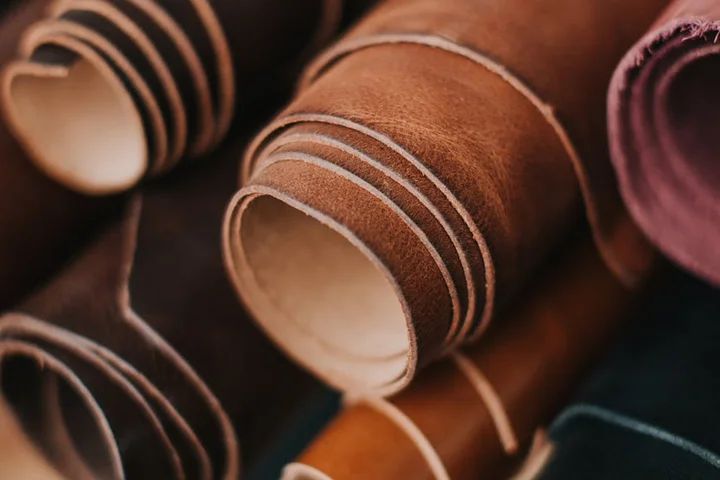
Aniline-dyed leather is the most porous and natural-looking. It has little to no protective pigment topcoat, so any liquid-water, juice, wine-soaks right in and stains deeply. My mom Martha’s antique aniline chair shows every spill history.
Suede and nubuck have a soft, brushed surface that mats down. Using a wet cleaner or rubbing too hard can create permanent, shiny bald spots. Peeta’s muddy adventure on a suede ottoman was a tense cleanup lesson.
The Non-Negotiable First Step: The Hidden Spot Test
This isn’t a suggestion; it’s your insurance policy.
You must test any cleaner, even a DIY mix of mild soap and water, in a hidden area first. I do this every single time, without fail. Choose a spot like the back of a cushion, an inside seam, or the underside of an arm.
- Apply a small dab of your cleaning solution.
- Gently blot with a clean, white cloth.
- Wait for it to dry completely.
Look for any color transfer, darkening, or change in texture. If the leather passes, you can proceed.
Testing for Colorfastness: A Crucial Second Check
That hidden spot test also answers a vital question: is the dye stable?
If color bleeds onto your white cloth during the test, the dye is not colorfast. This means aggressive rubbing or moisture will likely make the stain worse by spreading the dye itself.
For colorfast leather, you can clean more freely. If the dye bleeds, your best move is gentle, minimal moisture and a call to a professional for serious stains.
Identifying Your Stain: A Spotter’s Guide
Before you grab any cleaner, you need to know your enemy. Leather is like skin-you treat a scrape differently than you treat a sunburn.
I learned this the hard way with my son’s baseball glove. I used a strong cleaner on what I thought was dirt, but it was actually a dried, oily conditioner. It stripped the leather. Getting the stain right is your first and most important step, especially when dealing with leather surfaces.
The Oily or Greasy Stain
This is a common culprit in my house. Think pizza fingers on the couch arm or hand lotion on a bag strap.
An oily stain often leaves a darker, shiny ring. If you touch it, the spot might feel slightly slick or tacky, even after it’s dried.
The grease from a pepperoni pizza slice will leave a distinct, waxy ring that darkens the leather over time.
On a stationary piece like a sofa, the oil has time to soak deep into the leather’s pores. On a jacket or bag, it’s more likely to sit on the surface finish first, giving you a slightly better chance to catch it.
The Water-Based Stain
This includes coffee, juice, soda, or even rain spots. My daughter Jessica once spilled apple juice on my favorite chair, and it left a perfect, dull circle.
These stains usually dry to a matte finish, often lighter or with a whitish, cloudy ring. They can feel a bit stiff or raised compared to the surrounding leather.
A spilled latte won’t feel greasy, but it leaves a noticeable, crusty beige blotch that changes the leather’s texture.
On furniture, the liquid can pool and be absorbed in one concentrated area. On a jacket, it might create a wider, splashed pattern that doesn’t penetrate as deeply unless you sat in it.
The Dye Transfer Stain
This is the sneaky one. It happens when a darker, non-colorfast material rubs against light leather. New dark jeans on a light car seat are the classic example.
The stain is a direct color copy. You’ll see a blue or purple smudge with crisp edges where the fabrics met. There’s usually no texture change-it’s pure pigment sitting on top.
That faint purple stripe on your cream bag isn’t a texture stain; it’s dye lifted right from your new jeans.
On flat furniture surfaces, the dye transfer is often a perfect, solid imprint. On a worn jacket, it might appear as streaky color on the creases and high points from friction.
Quick Stain Identification Guide
| Stain Type | Look & Feel | Common Culprits |
|---|---|---|
| Oily/Greasy | Dark, shiny ring; feels slick or tacky | Body oils, food grease, lotions, conditioner |
| Water-Based | Dull, matte ring; can feel stiff or crusty | Coffee, soda, juice, ink, rain spots |
| Dye Transfer | Pure color smudge; no texture change | New jeans, dark fabrics, printed materials |
Here’s my rule of thumb, passed down from my mom, Martha: if you’re not sure, gently dab the spot with a cotton swab dipped in distilled water. If the color comes off on the swab, you’re likely dealing with a surface dye transfer. If nothing transfers, you’re probably looking at an absorbed stain that needs a different approach.
Take a breath and look closely. Identifying the stain correctly means you can choose the right remedy and avoid doing more harm than good.
Safe DIY Stain Fighters from Your Kitchen
You don’t need a cabinet full of specialty cleaners for leather. I find most of what I need right in my kitchen.
Here are two household staples I reach for constantly.
- Cornstarch: This is my hero for grease stains. It handles everything from Jason’s buttery popcorn hands to Roger’s workshop oil transfers.
- Mild Dish Soap: My choice for general grime. It tackles the dirt from Peeta’s paws or Jessica’s sticky fingerprints.
Let me explain how they work in simple terms.
Cornstarch absorbs oil. Think of each tiny grain as a magnet for grease. It pulls the oil up and out of the leather’s surface.
Mild soap lifts dirt. The soap molecules act like tiny claws. They grab onto dirt and grease so you can wipe them away without damage.
You can combine these into a gentle, all purpose cleaner. This is my go to recipe.
A Trusted Leather Cleaning Mix
You only need three things.
- 1 cup of cool, distilled water
- 1 teaspoon of clear, mild dish soap (I use Dawn)
- 1 teaspoon of white vinegar
Mix them in a bowl. Dampen a soft, white cloth in the solution. Wring it out completely.
Always test on a hidden spot first. Gently dab the stained area. Never scrub or soak the leather.
Follow up by wiping with a cloth dampened with plain water. Dry immediately with a clean towel.
People often ask me about other kitchen remedies. Here are the answers I give most.
Your DIY Leather Cleaning Questions
Can I use baking soda on my leather couch? Yes, for odors. Sprinkle it on, let it sit for 30 minutes, then vacuum. It’s too abrasive for scrubbing stains, so use it only to freshen.
Is vinegar safe for colored leather? In the diluted recipe above, it’s generally safe for sealed leather. Never use it straight, as the acid can strip finishes and fade dyes.
Now for a little family wisdom. Use it carefully.
What Helped Me: My Aunt Jessica showed me her trick for a scuffed leather chair. She used a drop of olive oil on a rag to buff out the mark. This is only a temporary mask for very light scuffs, not a true cleaner. Olive oil can go rancid and attract more dirt. I might try it in a pinch, but I always apply a proper leather conditioner right after.
Step-by-Step Removal for Common Leather Stains
How Do You Get Food, Drink, and Oil Stains Out of Leather?
Leather can handle a surprising amount. My sofa has seen more apple juice spills than I can count.
Acting fast is your best tool. For any liquid, grab a clean, dry, absorbent cloth immediately. Do not wipe. Blot from the outer edge toward the center to contain the spill.
This gentle blotting action lifts the stain without grinding it deeper into the leather’s pores.
For grease or oil, like pizza fingers on a chair arm, your pantry holds the answer. Make a thick paste of cornstarch and a few drops of water. Spread it over the slick spot.
Let it sit overnight. The cornstarch will pull the oil up, turning clumpy and dry. Brush it away in the morning.
I keep a soft microfiber cloth and a tiny bottle of leather-specific cleaner by the sofa. For final cleaning, I dampen the cloth with cool water and a drop of mild soap like Castile.
Wring it out completely so it’s just barely damp. Wipe the area gently, then immediately wipe with a second cloth dampened with plain water to rinse.
Always dry the leather with a clean, dry cloth afterward to prevent watermarks.
Now, the leather item matters. A plush sofa cushion absorbs spills into its padding. You need to blot more, and work the cleaner gently into the surface grain. My husband Roger’s work boot has a heavily treated, waxy surface.
For his boots, I can be a bit more firm. I often use a soft-bristled brush with the soapy water to lift grime from the treads.
A frequent question is the best method for a fresh oil stain. My answer is always cornstarch. Commercial degreasers can strip leather’s natural oils. Cornstarch is non-toxic, effective, and safe for all leather types if you let it do its slow, absorbing work.
How Do You Get Ink and Dye Transfer Out of Leather?
These stains are scary but often manageable. Ink requires a solvent. I’ve had success with a high-percentage isopropyl rubbing alcohol (90% or higher) when removing ink stains from fabric.
You must test this on a hidden spot first, like a back corner or inside seam, to see how the leather’s color and finish react.
Dip a cotton swab in the alcohol. Gently dab at the center of the ink stain. You will see the ink start to dissolve and transfer to the swab.
Use a fresh swab often to avoid reapplying ink. Go slow. This isn’t a scrub. It’s a careful, patient lift.
Dye transfer is different. That blue tint from new jeans on a light leather car seat or handbag isn’t a penetrating stain yet. It’s sitting on top. A dedicated leather cleaner is your first line of defense.
Apply it to a microfiber cloth and use small, circular motions. The dye should lift off. For a stubborn case, a tiny amount of saddle soap on a damp cloth can work, but condition the leather afterward.
I learned about ink the hard way. My son Jason left a pen in his soccer bag. It leaked all over his leather team key fob.
I was worried it was ruined. I tested the alcohol on the back of the fob’s strap. The color held, so I went for it. Five minutes and a dozen cotton swabs later, you could barely see a shadow where the ink blob had been.
How Do You Get Blood or Hair Dye Out of Leather?
Biological stains need a gentle touch. For blood, the rule is cold water only. Hot water will set the protein in the blood, making the stain permanent.
How do you get blood out of leather? Start by blotting up any fresh blood with a cold, wet cloth.
Mix a drop of mild soap into a bowl of cold water. Dampen a clean cloth, wring it out thoroughly, and gently dab the stain. Rinse the cloth with cold water and dab to rinse the area. Blot dry.
Repeat until the stain lightens. Patience is key here.
Hair dye is a tougher challenge. Its pigments are designed to be permanent. Speed is absolutely critical. If you catch it wet, blot it immediately with a dry cloth.
Then, use a leather cleaner wipe or a damp, soapy cloth to try and lift the pigment from the surface.
How do you get hair dye out of leather? You act in seconds, not minutes, and know that complete removal is not always possible.
If the dye has dried, you are likely dealing with a permanent stain. You can try a specialized leather stain remover, but test it invisibly first. Often, the only solution is to use a leather dye or conditioner in a matching color to camouflage the spot.
My aunt Jessica, a fan of bold hair colors, has a small, faint pink mark on her light leather purse strap as a reminder to be more careful.
Adapting the Treatment: Furniture, Jackets, Shoes, and More
I remember when my son Jason’s greasy soccer snack bag left a dark smudge on our leather recliner. My first instinct was to panic, but then I remembered: not all leather is created equal. You can’t treat a delicate suede jacket like you would a work boot.
This is where your strategy needs to adapt. Think about the item’s purpose, finish, and construction.
Leather Treatment Quick-Reference Chart
Use this as your starting point before any cleaning session.
| Item Type | Key Consideration | Primary Adjustment |
| Porous Furniture (Aniline, Suede) | Highly absorbent, stains soak in fast. No protective topcoat. | Blot, don’t rub. Use minimal moisture. Condition immediately after. |
| Durable Shoe or Boot Leather | Has a protective finish, built for abrasion. Laces and seams trap dirt. | You can be more aggressive with brushing. Focus on cleaning seams thoroughly. |
| Jacket with Delicate Lining | The leather exterior and fabric interior react differently to moisture. | Never soak. Spot-treat from the outside only. Pad the inside with a towel. |
| Accessories (Belts, Bags) | Often have mixed materials (metal, fabric, stitching). | Test on a hidden seam first. Protect non-leather parts from cleaners. |
Why Your Approach Must Change
Let’s break down the big differences between a fixed piece of furniture and something you can hold in your hands.
Your living room couch is a giant, immobile project. You can’t dunk it in a sink. This means you have absolute control over where your cleaner goes. I always keep a stack of white cloths and cotton swabs nearby for precision work on my sofa.
For furniture, you work from the outside of the stain inward, applying cleaners with a dabbing motion to prevent the stain from spreading into a larger, uglier ring.
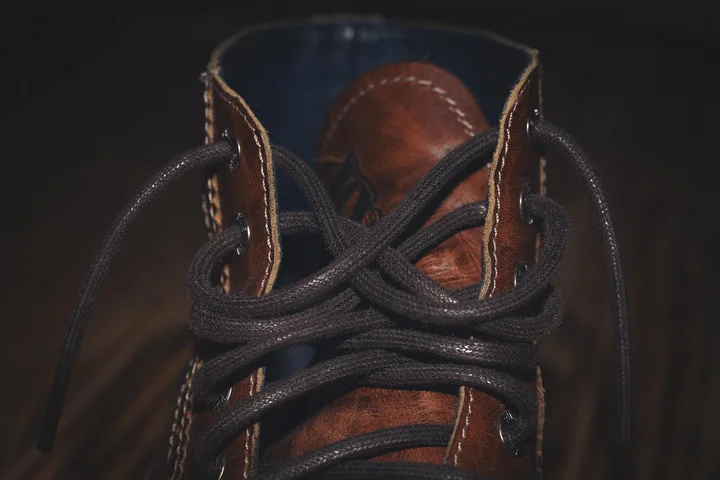
Now, think about how do you get stains out of leather boots or shoes. You have options! You can often remove the laces and the insole. My husband Roger’s hunting boots get this full treatment.
I take the laces out and wash them separately with a dab of soap. The removable footbed gets scrubbed. This lets me attack the leather interior directly, something impossible with a couch cushion.
For jackets, the danger is the lining. Saturating the leather to clean a spot can send moisture seeping into the inner fabric, causing water rings or shrinkage. When my Aunt Jessica spilled wine, we padded the inside of her jacket sleeve with a rolled towel to absorb any seepage before treating the spot.
Padding protects the lining and gives the leather a firm surface to work against, giving you much better control.
Spotlight on Footwear
Shoes and boots take a beating. The question of how do you get stains out of leather shoes often comes down to identifying the stain type and the shoe’s finish.
Mud on smooth leather? Let it dry completely, then brush it off. Salt stains from winter? A mix of equal parts water and white vinegar, dabbed on and wiped off, works wonders. Salt stains on leather boots like UGGs can be stubborn. After drying, brush lightly and use a suede-safe protector.
For oily stains on durable boots, a tiny drop of dish soap on a damp cloth can cut the grease without harming a sturdy finish. Always follow up with a leather conditioner to restore flexibility.
The key is to clean the entire shoe, not just the stain. This prevents a clean spot that looks oddly different from the rest of the leather.
When Stains Won’t Budge: Dealing with Set-In and Water Marks
Some stains just settle in and refuse to leave. I found an old ketchup smear on my car’s passenger seat from a drive-through trip with the kids. It was baked in by the sun. For stains like this, your gentle first attempt might not be enough.
For stubborn, old stains, start by re-applying your initial cleaning method with more time and pressure. Mix a fresh batch of mild soap and water. Apply it to the stain and let it sit for a full 15 minutes. Use a soft-bristled brush, like an old toothbrush, to gently agitate the area in tiny circles.
Blot firmly with a dry towel. Repeat this process two or three times. Patience is your best tool here.
Bringing in Reinforcements: A Leather-Specific Cleaner
If re-applying doesn’t work, a specialized cleaner is your next logical step. Generic cleaners can be too harsh and strip the leather’s natural oils, especially when used on leather bags or purses.
I tested a pH-balanced leather cleaner on those set-in car seat stains. I used Lexol Leather Cleaner. Its pH level is designed to clean without disrupting the leather’s delicate acid mantle.
The cleaner lifted the oily, discolored residue from my car seat without leaving a dull or cracked patch behind. It worked because it cleans without damaging the protective topcoat. I followed it with their conditioner to keep the leather supple.
The Mystery of the White Ring
White water rings look alarming, but they’re often just mineral deposits. My mom, Martha, taught me this fix. The goal is to gently rehydrate the leather and blend the minerals back in.
Dampen a microfiber cloth with distilled water. Wring it out completely. Gently rub the white ring with the cloth, using small circular motions for a minute or two.
Immediately after, apply a dime-sized amount of leather conditioner to the same area. Buff it in with a clean, dry cloth. The conditioner replaces lost oils and helps the leather absorb the moisture evenly, making the ring vanish.
Answers to Common Stubborn Stain Questions
Can I use hydrogen peroxide or bleach on a leather stain? I strongly advise against it. These can cause permanent color loss or severe drying. Leather is skin, and you wouldn’t use bleach on your own, especially when trying to remove bleach stains from leather.
How do I treat a water stain on suede or nubuck? For these textured leathers, never use a wet cloth. Use a dry, soft suede brush to gently raise the nap. For a set-in stain, a dry powder cleaner like cornstarch can help absorb oils before brushing.
What if the water stain is very old? The method still applies. You may need to repeat the hydrating and conditioning step 2-3 times, letting the leather dry fully between attempts. However, for particularly stubborn stains on delicate materials like suede, you might want to take extra care when treating them.
When should I absolutely not try to fix it myself? If the stain has completely altered the leather’s texture or color, stop. A deep dye transfer or a stain that has caused cracking or hardening needs a professional. I learned this with a purse from Aunt Jessica; a professional leather restorer was the only solution.
The Essential Aftercare: Cleaning and Conditioning

You got the stain out. Great job. Now, the real work to save your leather begins.
I learned this lesson after cleaning ink off our sofa. The stain was gone, but I rushed the next steps. The leather there became stiff and dull within a month.
Your first move is simple but non-negotiable. Wipe the entire treated area with a clean, damp cloth to remove every trace of your cleaning solution. Any leftover cleaner acts like a magnet for dirt and can dry out the leather—especially if you’re trying to remove water stains from leather.
Use a microfiber cloth lightly moistened with distilled water. Wring it out so it’s barely damp. Gently wipe in one direction. Let the spot air dry completely. You should not feel any sticky or gritty residue.
Think of leather like your own skin after a shower. Applying a leather conditioner restores lost moisture and oils, which prevents the material from cracking and becoming brittle. My Aunt Jessica in Arizona swears by this for her wine-stained handbags.
How do you apply it? Choose a conditioner made for your leather type. Put a dime-sized amount on a soft cloth. Rub it into the leather using small, overlapping circles. Cover the whole item, not just the clean spot, for an even finish.
People often ask me how to clean and condition leather properly after a stain. The timing matters. You must always let the leather dry fully from your cleaning wipe-down before you even open the conditioner bottle. Conditioning damp leather can trap water and lead to a sour, mildewy smell.
Another frequent question is about product choice. I avoid anything with heavy silicones or waxes for most items. For years, I’ve used a simple, pH-balanced conditioner on everything from Peeta’s leash to our car seats. It nourishes without clogging the pores of the leather.
Here is a pro-tip from caring for Roger’s hunting jackets. Use conditioner very sparingly on leather jackets to avoid a greasy, uncomfortable feel. Jackets flex with your body and can over-absorb product.
I use about half the amount I would on a couch. A pea-sized dab for each sleeve is plenty. Buff it in until the leather looks matte and feels soft, not slick.
Your New Leather Care Routine to Prevent Future Stains
Once you’ve tackled a stain, the smartest move is to build habits that stop the next one. I focus on prevention because it’s the real secret to never worrying about how do you get stains out of leather.
Simple, consistent care keeps leather beautiful for years.
Build These Three Simple Habits
- Dust with a dry microfiber cloth every week. This removes abrasive grit that can scratch the surface when you sit down.
- Use fabric protectors on materials that touch your leather. Spray Scotchgard on throw pillows or adjacent fabric chairs to prevent dye transfer.
- Keep leather out of direct, hot sunlight. Sunlight dries leather out, making it brittle and prone to cracking. We keep our living room couch away from the big window.
These small actions form a powerful defense. They answer the question can you get stains out of leather by making stains less likely to set in the first place.
Invest in a Leather Protector Spray
For items that see daily use, a quality leather protector spray is your best investment. It creates an invisible, breathable barrier against spills and oils.
I always treat our family room sofa and Roger’s favorite hunting jacket. This spray turned a major red wine scare from my aunt Jessica into a simple blot-and-wipe incident.
Caring for Leather After Cleaning: Your Questions
How often should I condition leather? I condition every 4 to 6 months. If the leather feels stiff or looks dull, it’s time. My mother-in-law Brianna swears by using a tiny amount and buffing it in well.
Can a protector spray be used on all leather? Always check the label. Test any product on a hidden seam first. Aniline or suede leathers need specific, gentle formulas.
My most important personal rule came from a mistake. “No new jeans on the light leather couch.” Roger’s new dark denim left a faint blue dye ring on our cream-colored sofa arm.
Now, all new denim gets washed twice before it’s allowed near the leather. This one habit has saved us so much cleaning hassle.
Sticking to this routine means you’re protecting your investment. You’ll spend less time searching for how do you remove stains and more time enjoying your beautiful leather items.
FAQ about Removing Stains from Leather
What’s the fastest thing I can do for a fresh oil stain on my leather jacket?
Immediately cover the spot with a thick layer of cornstarch or baking soda to absorb the oil. Let it sit for several hours or overnight, then brush it away before cleaning the area with a damp cloth.
Can I use rubbing alcohol to get ballpoint ink off my leather couch?
Only as a last resort and only after testing on a hidden spot, as alcohol can strip dyes and dry out leather. Dab a tiny amount of 90% isopropyl alcohol on a cotton swab and gently tap the stain-do not rub.
How do I stop dye from my new jeans from rubbing off on my light leather car seats?
Prevention is key: always wash new, dark denim at least twice before wearing it near light leather. For existing transfer, use a dedicated leather cleaner with a microfiber cloth, applying it with small circular motions.
What’s a safe homemade cleaner I can mix for general dirt on leather bags?
Mix a teaspoon of clear, mild dish soap with a cup of cool distilled water. Dampen a cloth with the solution, wring it out completely, and gently wipe the leather, then follow with a clean, damp cloth to rinse. Make sure to use gentle methods for delicate materials to avoid damage.
I have a white water ring on my leather ottoman. How do I fix it?
Gently rub the ring with a barely damp microfiber cloth, then immediately apply a small amount of leather conditioner to the area. This rehydrates the leather and blends the mineral deposit away.
Your Leather’s Long-Term Care After a Stain
The most critical step after cleaning leather is to replenish its moisture with a quality conditioner. I learned this the hard way after saving a chair from a wine spill at Aunt Jessica’s, only to have the leather crack weeks later because I skipped this part. That same care also applies to suede, nubuck, and smooth leather. Our suede nubuck smooth leather cleaning guide covers material-specific steps you can follow after conditioning. For more real-world fixes and tips from our home, keep following along right here on the Stain Wiki blog.
Suzanne is an accomplished chemist, laundry expert and proud mom. She knows the science and chemistry of stains and has personally deal with all kinds of stains such as oil, grease, food and others. She brings her chemistry knowledge and degree expertise to explain and decode the science of stain removal, along with her decades long experience of stain removal. She has tried almost everything and is an expert on professional and DIY stain removal from clothes, fabric, carpet, leather and any other items dearest to you.