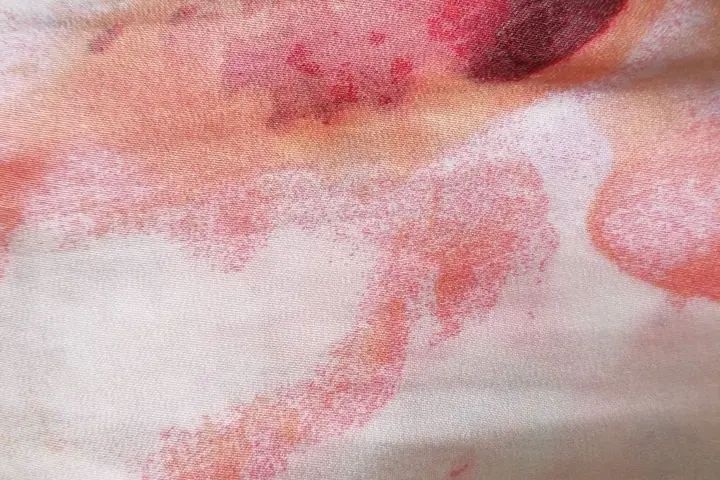
How to Remove Blood, Sweat, and Period Stains from Underwear?
Noticed a fresh stain on your underwear? Grab some cold water and salt right away-this simple combo can stop many stains from becoming permanent.
Here’s exactly what I’ll show you in this article:
- The one rule every expert follows for blood stains (my Aunt Jessica learned this the hard way with wine).
- A powerful enzyme soak that eliminates sweat smells, perfect for my son Jason’s soccer gear.
- A gentle, non-bleach method for set-in period stains using common household items.
- How to safely treat delicate fabrics without fading or damage.
- Easy laundry shifts to prevent stains from coming back.
I’ve tested these methods for years on everything from my dog Peeta’s messes to my own laundry blunders.
Your Immediate Action Plan for Fresh Stains
You just noticed a stain. Panic sets in. I’ve been there, especially after my daughter Jessica’s messy art projects.
Your very first move is to blot, never rub, with a clean, dry cloth or paper towel. Rubbing grinds the stain deeper into the fabric weave, especially when dealing with berry stains.
Think of it like my son Jason’s soccer mud. You dab it up, you don’t smear it around.
For any stain involving blood, reach for cold water only.
Hot water will cook the proteins in the stain, setting it into a permanent shadow on your fabric. My aunt Jessica taught me this years ago when a wine spill met a white tablecloth.
You can build a powerful stain-fighting kit from your kitchen and laundry room.
Here is my go-to home kit for tackling these stains:
- Cold water
- Table salt
- 3% hydrogen peroxide
- Baking soda
- White distilled vinegar
- An enzyme-based laundry detergent
My mother-in-law, Brianna, swears by having these ready. They work on so much more than just underwear.
Before you treat any visible area, you must check for color safety.
Always perform a spot test on an inside seam or hidden area with your chosen cleaner. Wait a few minutes to ensure no fading or damage occurs.
How to Remove Blood Stains from Underwear for Good
Let’s get straight to your question. You can remove blood stains from underwear reliably.
The strategy changes completely depending on whether the stain is fresh or has dried. A new stain is wet and red. An old stain is dry and often turns a dull brown.
That brown color is oxidized blood, and it needs a different approach. I see it all the time on my husband Roger’s work shirts.
For a Fresh Blood Stain
Acting quickly gives you the best chance. This method uses simple salt.
Hold the stained area under a stream of cold running water, pushing the flow through from the back of the fabric. This pushes the stain out, not deeper in.
Next, make a thick paste with table salt and a few drops of cold water.
- Gently work the salt paste into the damp stain with your fingers.
- Let it sit for about 15 minutes. The salt acts as a gentle abrasive to lift the stain.
- Rinse the paste away thoroughly with more cold water.
- Wash the underwear as usual with cold water and your regular detergent.
I keep a little salt shaker in my laundry room just for this. It’s my first line of defense.
For an Old or Set Blood Stain
Don’t lose hope if the stain has dried. It just needs a longer soak and a stronger boost.
Old blood stains often look brown because the iron in the blood has rusted on the fabric. This is very common with forgotten laundry.
- Fill a small bowl or sink with cold water. Add a scoop of enzyme-based laundry detergent and stir to dissolve.
- Submerge the stained underwear and let it soak for at least 30 minutes. The enzymes work to break down the proteins.
- After soaking, gently scrub the stain area between your fingers. Rinse with cold water.
- If a brownish mark remains, apply a small amount of 3% hydrogen peroxide directly to it.
- Let it bubble for a minute or two, then rinse the area thoroughly with cold water.
- Wash the garment normally. Check the stain before drying, as heat from a dryer can set any residue.
I used this exact method on a pair of my own underwear that sat in the hamper too long. The hydrogen peroxide is the key to lifting that last bit of discoloration.
Fighting Sweat Stains and Yellow Discoloration
How do you remove sweat stains from underwear? First, know that yellow stains on underwear are completely normal and can be tricky to remove, especially when mixed with blood or other discharge.
I see them on Roger’s workout gear and Jason’s soccer uniforms all the time. They form from a mix of body oils, salts, and proteins reacting with fabric and antiperspirant over time.
Yellow discoloration is a common issue, not a sign you’re doing anything wrong.
For light stains, a gentle pre-treatment is often enough. For stubborn, set-in yellowing, you’ll need a more targeted approach, especially when trying to remove yellow stains from white clothes.
Also, those white, crusty marks? My mom Martha taught me they’re often urine mineral deposits, especially in men’s underwear like Roger’s.
The Baking Soda Paste Method
This is my first line of defense for mild yellowing. Baking soda is great for absorbing oils and odors.
I keep a box in the laundry room just for this.
- Mix baking soda with a small amount of water to make a thick, spreadable paste.
- Spread the paste over the entire yellowed area until it’s fully covered.
- Let it sit for at least one hour. For a tough stain, I might leave it overnight.
- Gently scrub the paste into the fabric using an old toothbrush.
- Wash the underwear as usual with your regular detergent in cold water.
This paste method lifts away fresh sweat stains without damaging delicate fabrics.
The Vinegar Soak for Tough Stains
When baking soda isn’t enough, I turn to white vinegar. My aunt Jessica in Arizona uses this for her linen shirts.
It’s excellent for breaking down those old, set-in stains.
- Prepare a soak of one part white vinegar to four parts cold water in a sink or basin.
- Submerge the stained underwear completely in the solution.
- Let it soak for 30 minutes. You might see the water cloud slightly.
- After soaking, drain the solution and wash the underwear normally with detergent.
A vinegar soak cuts through stubborn yellowing and helps neutralize any lingering odors.
A Practical Guide to Removing Period Stains
How to remove period stains from underwear? I approach this with empathy and practical steps.
Treat these as protein-based stains, similar to blood, but with additional biological materials. The strategy changes if the stain is fresh or dried. This sets up the topic of removing biological stains from fabric, with practical tips to follow in the next steps.
Acting quickly is best, but even set-in stains can often be rescued with patience.
When You Catch It Fresh
Finding a stain right away gives you the best chance. Here is exactly what I do.
- Rinse the stain immediately under a strong stream of cold water. Always push the water through from the inside of the fabric.
- Rub a drop of clear liquid dish soap, like Dawn, directly into the damp stain.
- Let the soap sit and work on the stain for about 10 minutes.
- Rinse the area thoroughly with cold water again until the soap is gone.
- Launder the underwear in the washing machine with cold water and detergent.
Cold water and dish soap can flush out a fresh stain before it has time to bind to the fibers.
For a Set, Dried Period Stain
Old period stains often oxidize and turn a brown color. I’ve dealt with these on my own clothes and my daughter Jessica’s.
Start by soaking the underwear in a bowl of cold water mixed with an enzyme-based laundry detergent for 30 minutes. Enzymes break down the proteins.
Then, make a powerful lifting paste.
- Combine a tablespoon of baking soda with a few drops of 3% hydrogen peroxide to form a paste.
- Apply a thick layer of this paste directly onto the brown stain.
- Let it sit and fizz for about 15 minutes. The fizzing action helps lift the stain.
- Rinse the paste away completely with cold water.
- Wash the underwear in the machine as you normally would.
For dried stains, an enzyme pre-soak followed by a fizzing paste is the most effective way to tackle that brown discoloration.
Chemistry Corner: Why These Methods Work

Think of stain removal as a tiny science experiment on your laundry. Knowing what you’re dealing with is half the battle—especially when you separate fact from fiction in stain removal myths.
Blood & Period Stains: It’s All About the Protein
Blood is mostly water, salt, and protein. The protein is what makes the stain set. My mom, Martha, taught me this years ago: heat makes protein cook, just like an egg turns from clear to white in a hot pan. Cold water prevents that cooking process, letting you gently rinse the proteins away before they bind to the fabric.
Enzyme-based cleaners (found in many laundry detergents and dedicated stain removers) are your secret weapon. They are biological catalysts that break down protein molecules into smaller pieces, making them easier to wash out. It’s a chemical process, not just a cover-up.
Sweat Stains: A Tricky Trio of Grime
Sweat is a mix of body oils (grease), salt, and yes, a little protein. That yellow tinge on a white tee or the stiff ring on underwear is this combo baked in. You need a two-pronged attack.
Baking soda is a mild alkali. It cuts through the oily residue. Vinegar is a mild acid. It dissolves the salty, mineral deposits. Using them together (not at the exact same moment) neutralizes the whole mess. That contrast sits at the heart of baking soda vs white vinegar stains. It’s a simple example of how pH affects stain removal. For a really set-in underarm stain on Roger’s work shirts, I make a paste of baking soda and water, let it sit, then follow with a vinegar rinse.
A Quick Note on Other “Bodily” Stains
Stains from poop or urine are also organic, which means enzyme cleaners work well on them. The key difference is bacteria; these stains can harbor germs, so hygiene is your first priority before tackling the visible mark. We have a whole article on whether poop stains are dangerous and how to handle them safely, especially with little ones like Jessica around. For fabrics, pre-treating stained areas before washing helps prevent set-in stains. Practical tips for poop stain removal from clothes are covered in a dedicated section.
Those Mysterious Bleach Stains
This one baffled me for years. You’ll see lightened, sometimes yellow, patches on colored underwear, and it’s easy to blame a laundry mistake. In most cases, it’s not your fault. The natural pH balance of the vagina can interact with certain fabric dyes, causing a color change that looks just like a bleach stain.
It’s a chemical reaction, not a cleaning error. If this happens frequently, you might opt for underwear with different dyes or fabrics, but don’t stress about your laundry routine.
Critical Warnings: Protecting Your Delicate Fabrics
Getting the stain out is great. Ruining the fabric in the process is a total defeat. Here’s how to avoid that.
Fabric Red Flags: Test First, Always
Vinegar, hydrogen peroxide, and even baking soda can be too harsh for some delicate materials. Silk, wool, delicate lace, and some synthetic blends require a much gentler touch. I learned this the hard way with a silk camisole.
Your rule is simple: dilute any treatment more than you think, and test it on an inside seam or hidden area first. Dab it on, wait 10 minutes, and check for color loss or texture change. If all is well, proceed with caution.
The Golden Rule: No Heat Until It’s Gone
This cannot be overstated. Never, ever use hot water, a dryer, or an iron on a blood, sweat, or period stain before you are 100% sure it’s gone. Heat will set the stain permanently by bonding the proteins or oils to the fibers.
I treat any underwear with these stains as “cold wash only” until after the first wash cycle. Only if the stain is completely invisible do I feel safe drying it with heat.
The Danger of Chlorine Bleach
Chlorine bleach is a harsh oxidizer. On colored cotton or synthetic underwear, it doesn’t clean stains-it destroys dye molecules, leaving you with permanent white splotches or a weird, faded color. For colored fabrics, avoid chlorine bleach entirely; it creates more problems than it solves. For whites, it’s an option, but peroxide is usually a safer, fabric-friendlier choice.
When a Stain is More Than a Stain
Our focus is on removal, but your health matters more. If you notice persistent, unusual stains that don’t respond to normal treatment-like recurring brown or yellow spots-it’s wise to mention it to your healthcare provider. It’s likely just a stubborn residue, but getting checked provides peace of mind no cleaning hack can offer.
FAQ about Removing Stains from Underwear
1. What’s a good alternative cleaner if I don’t have hydrogen peroxide for an old blood stain?
For a dried blood stain, you can substitute with a paste of baking soda and cold water. Apply it thickly, let it sit for an hour, then rinse and wash with cold water and an enzyme detergent. These tips also apply to blood stain removal fabrics, helping you treat stains without damaging the material.
2. I treated a sweat stain but it left a faint outline after washing. What now?
Do not dry the garment, as heat will set the remaining residue. Re-soak the area in white vinegar and cold water for 30 minutes, then wash again using cold water.
3. How can I prevent sweat stains from forming in the first place?
Apply a barrier by using an antiperspirant on your skin, not on the fabric. Always wash underwear promptly after wearing, using the warmest water safe for the fabric.
4. Is dish soap or laundry detergent better for a fresh period stain?
Clear liquid dish soap is superior for immediate spot-treatment as it cuts through oils and proteins on contact. Use laundry detergent for the full wash cycle after rinsing the initial stain out.
5. My white cotton underwear has a stubborn yellow stain. Is it safe to use bleach?
Chlorine bleach can be used on resilient white cotton as a last resort, but it risks fabric damage. A safer, more effective method is a prolonged soak in a baking soda paste followed by a vinegar rinse.
How to Keep Your Underwear Looking Fresh
The single most important thing you can do is treat any stain with cold water as soon as you possibly can. Acting quickly with the right, gentle method is always better than using a harsh chemical on a set-in stain later. I share all my real-life tests and fabric-saving tricks right here on the blog, so you’re never alone in tackling a tough mess. Later, I’ll explain how hot vs cold water can change stain outcomes and when to switch temperatures. These quick checks will help you decide the best approach before you wash.
Written by Suzanne Rosi Beringer. Suzanne is an accomplished chemist, laundry expert and proud mom. She knows the science and chemistry of stains and has personally deal with all kinds of stains such as oil, grease, food and others. She brings her chemistry knowledge and degree expertise to explain and decode the science of stain removal, along with her decades long experience of stain removal. She has tried almost everything and is an expert on professional and DIY stain removal from clothes, fabric, carpet, leather and any other items dearest to you.