How Do Enzymatic Cleaners Remove Blood and Protein Stains?
Did your kid’s scraped knee or a cooking accident leave a worrying blood stain? Enzymatic cleaners are designed to break down the proteins in these stains, making them much easier to wash out completely.
This article will give you the clear, practical science behind the cleanup. You’ll get:
- A plain-English explanation of what makes blood and protein stains so tough.
- How enzymes like proteases actually “eat” the stain molecules for you.
- My proven, step-by-step method for using enzymatic cleaners correctly.
- Common mistakes that can set a stain permanently.
- Real-life tests from my home, like cleaning Jason’s soccer jerseys or Roger’s hunting gear.
I’ve been solving these messy problems for years, from my aunt Jessica’s wine spills to my dog Peeta’s muddy paws.
The Panic Level: Understanding Your Blood Stain Emergency
Let’s talk panic. I remember when Jason, my eight-year-old, scraped his knee on our driveway. He came running in, and bright red blood had already soaked into his white soccer shorts. My heart sank for a second. But I knew the drill.
I use a simple “Panic-Level” scale from 1 to 10 to gauge the situation. A fresh spill is a manageable Level 3. A stain that’s been sitting for days? That’s a full-blown Level 8 emergency.
The key is the “Golden Window,” the first hour after the accident, where your actions decide if the stain comes out or becomes a permanent resident.
Your immediate first-aid is simple: grab a clean cloth and some cool water. Do not, under any circumstances, use hot water. I’ll explain why in a bit, but trust me on this one.
Panic-Level Assessment: From Fresh Spill to Old Nightmare
Here’s how to assess the damage quickly. A fresh blood stain, less than 10 minutes old, is a Panic-Level 3. It’s still wet and bright red. You have time.
A dried, set stain is a Panic-Level 8. It has turned a dull brown or rust color. This is when you need the big guns, like enzymatic cleaners.
The color change is your visual cue: bright red means go, dull brown means proceed with caution and a good cleaner.
Your First 60 Seconds: The Critical Blotting Step
Action is everything in that first minute. Get a clean, absorbent cloth-I keep old white towels just for this.
You must blot, never rub. Rubbing grinds the stain deeper into the fibers, making it infinitely worse.
Flush the area with a steady stream of cool water from the back of the fabric if you can. Cool water helps dilute the blood without “cooking” it. Hot water is your enemy here.
The Biochemistry Breakdown: Why Blood Stains Are So Stubborn
So, what makes blood such a nightmare? It’s not like grass or wine. Blood is a protein-based stain. Think of it like egg white drying on a frying pan.
The main troublemakers in blood are proteins like hemoglobin (which gives it color) and various plasma proteins. These aren’t simple dirt; they’re complex molecules that bond tightly to fabric fibers.
Chemistry Corner: The Protein Puzzle
This is the core of the problem. Blood isn’t an oil or a tannin from fruit. It’s a network of proteins.
When you add heat-like hot water from the tap-you do the same thing as heating an egg. You denature the proteins, causing them to coagulate and bind permanently to the material.
That’s why I yelled “cool water only!” when Jason’s shorts needed help. Heat sets a blood stain for good.
Enzyme Allies: What’s in Your Cleaner?
This is where science saves the day. Enzymatic cleaners contain special proteins called enzymes that break down other proteins. The stars of the show are proteases.
Protease enzymes target the peptide bonds that hold blood proteins together. They act like microscopic scissors, chopping the large, sticky protein molecules into tiny, water-soluble pieces.
Proteases are the specialized workers that dismantle the blood stain at a molecular level, something soap alone can’t do. Some cleaners also have amylases for starches or lipases for fats, but for blood, protease is the key.
The Support Crew: Role of Surfactants
Enzymes do the cutting, but something needs to wash the pieces away. That’s the job of surfactants.
Surfactants are what make soap bubbly. They work by surrounding the broken-down stain particles, loosening them from the fabric, and suspending them in water so they rinse out.
Think of surfactants as the clean-up crew that follows the enzymes, lifting the debris so your wash cycle can carry it all down the drain. It’s a perfect team effort inside the bottle.
Your Action Plan: Step-by-Step Enzymatic Cleaning
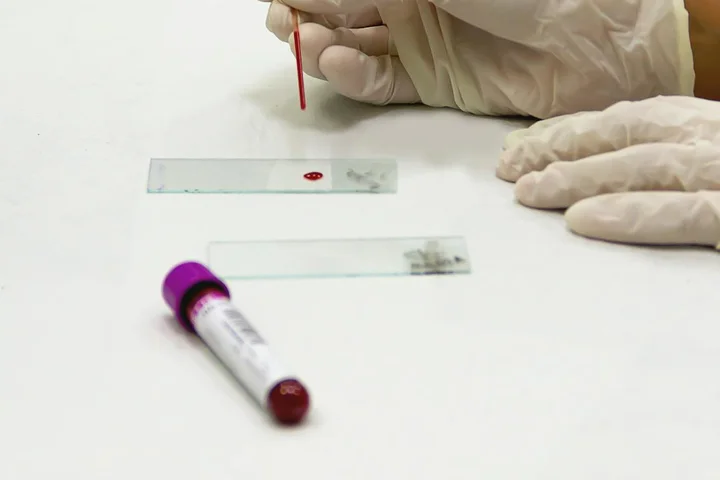
What are the typical steps for effectively using an enzymatic cleaner? You follow a simple, patient routine. I always start with a hidden test patch to ensure colorfastness and fabric safety.
- Blot up any fresh residue with a cool, damp cloth.
- Soak the stained area thoroughly with cool water.
- Apply the enzymatic cleaner directly, making sure it soaks in.
- Let it sit for the recommended time, usually 15 to 30 minutes.
- Rinse completely with cool water until the water runs clear.
- Air dry the item away from direct heat or sunlight.
What helped me is using an old, soft-bristled toothbrush for gentle agitation on sturdy fabrics like denim. It works the cleaner into the fibers without causing damage.
Step 1: The Pre-Soak and Application
First, I soak the stain with cool water. This loosens the protein structure and prepares it for the cleaner. Then, I apply the enzymatic solution generously, making sure it penetrates the fabric. These steps are particularly useful for removing biological stains from fabric. They help break down proteins so stains lift more easily during washing.
Enzymes are biological workers that break down stains slowly, so give them at least 15 to 30 minutes to do their job. Rushing this step is a common mistake.
Step 2: The Waiting Game and Temperature Rule
Why is it important to use cool or tepid water rather than hot? Heat denatures enzymes. It changes their shape so they can’t lock onto stain molecules anymore.
Keep your water, your cleaner, and your rinsing water cool. I learned this the hard way trying to hurry a blood stain from Roger’s hunting shirt. I used warm water, and the stain set permanently. That experience taught me to check temperature before treating stains. A hot water stains temperature guide can help you decide when heat will lift a stain or set it, depending on the fabric.
Patience and cool temperatures are non-negotiable for enzymatic cleaning to work.
Step 3: Rinsing and Post-Treatment Recovery
Rinse the area thoroughly with cool water. You need to wash away all the cleaner and broken-down stain particles. I run water through the back of the fabric until it looks clear.
After rinsing, lay the item flat to air dry. Keep it out of direct sun, which can fade colors. Check the stain is completely gone before you even think about the dryer.
The heat from a dryer will bake any leftover protein residue into the fibers forever. Always air dry first as a final check.
Safe DIY Alternatives When You’re Out of Cleaner
You can use a few household items in a pinch. Make a thick paste with unseasoned meat tenderizer and cool water. Meat tenderizer contains papain, an enzyme from papayas. Apply it and let it sit for 30 minutes before rinsing.
A simple saltwater soak can also help draw out fresh stains. My mom Martha in North Texas taught me to use cold salt water on a fresh blood spot on cotton underwear. Soak it, then rinse.
These DIY methods are helpful for fresh stains, but they lack the power of commercial multi-enzyme formulas for old or set-in messes. Enzyme cleaners work by breaking down stain molecules, a clear example of the stains breakdown science at work.
Surface-Specific Strategies: From Shirts to Carpets
Not all surfaces are the same. Use this quick chart to adapt the core steps.
| Surface | Key Adaptation | Special Caution |
| Clothing & Linens | Pre-treat, then wash in cold water. | Always check the care label first. |
| Carpet & Upholstery | Blot, don’t scrub, to avoid overwetting. | Use a white cloth to prevent dye transfer. |
| Car Interiors (Vinyl/Leather) | Test in a hidden spot first. | Rinse well to avoid sticky residue. |
| Hard Surfaces (Driveways) | Use on fresh stains only. | May require mechanical scrubbing for concrete. |
For Clothing and Linens
Apply the enzymatic cleaner directly to the stain as a pre-treatment. Let it sit, then toss the item into the washing machine on a cold cycle.
Cold water in the wash preserves the enzyme activity and prevents the stain from setting. I always double-check the care tag for any fabric-specific instructions.
For Carpets and Upholstery
Blot up as much liquid as you can first. Apply the cleaner, then blot again with a clean, white cloth. The white cloth lets you see the stain transferring out, especially when trying to remove dye stains from fabrics.
Be careful not to overwet the padding. This can lead to mildew and a sour smell. I’ve cleaned up after Peeta, my Labrador, when he had a scrape on our living room rug.
Extra blotting and using a white cloth are my top tips for preventing damage and dye transfer on carpets.
For Car Interiors and Hard Surfaces
Enzymatic cleaners can work on protein-based stains on vinyl seats or leather. Test a small amount in an unseen area, like under the seat, to check for discoloration.
For driveways with a fresh blood stain, you can try an enzymatic cleaner. It might help break it down before it sets into the porous concrete. For other types of stains on your driveway, patio, or concrete floors, you can follow these guidelines for concrete stain removal.
On hard surfaces, always follow application with a thorough rinse to remove any cleaning residue that could attract dirt.
Enzymatic vs. Traditional Cleaners: Safety and Smarts
You stand there, a protein-based stain staring back at you. Do you grab the bleach or an enzymatic spray? I’ve tested both on everything from Roger’s hunting gear to Jason’s soccer jerseys. The choice is clear.
Think of bleach as a demolition crew and enzymes as a team of specialized recyclers. Chlorine bleach doesn’t remove a stain, it destroys it through oxidation. It breaks chemical bonds, which can destroy the stain’s color but also the dye in your fabric and even weaken the fibers over time.
Enzymatic cleaners work completely differently. They use biological catalysts, like protease for protein stains, to digest the mess. They break large, complex molecules into tiny, water-soluble pieces you can easily blot or rinse away.
| Aspect | Enzymatic Cleaners | Oxidants (Bleach, Peroxide) |
| Primary Action | Digests & breaks down specific stain molecules. | Oxidizes & destroys molecules, including dyes. |
| Effect on Fabric | Generally color-safe and gentle on fibers. | Can cause color fading, yellowing, or fiber damage. |
| Best For | Organic stains (blood, food, sweat, pet mess). | Disinfection, whitening whites, removing certain dyes. |
| Safety Profile | Non-toxic formulas are common, but still require care. | Can produce harmful fumes; harsh on skin and lungs. |
I keep a good enzymatic pre-treater in my laundry room. For colored kid’s clothes and our living room rug, it’s my first line of defense. But “gentler” doesn’t mean “no rules.” You still need to use them wisely.
Why Enzymes Win on Protein Stains
Here’s the critical lesson I learned the hard way. One time, I tried to rinse a tiny blood spot from a shirt with a bleach pen. It turned the spot a permanent, rusty brown.
Heat and bleach can actually “cook” or coagulate proteins, setting them into the fabric for good. That’s why you use cold water on blood. Enzymes avoid this entirely. They are designed to target only the specific bonds in protein chains.
Using bleach on a protein stain is like using a sledgehammer to fix a watch. You might break the visible problem, but you’ll ruin the machinery. An enzyme is like the precise key that unlocks the stain and disassembles it, piece by tiny piece, without harming the watch itself. This contrast also highlights why enzyme detergents are favored over bleach for biological stains, as enzymes target proteins gently while bleach can be harsher on fabrics.
For Roger’s bloodstains from field dressing game, or a spot from raw meat on the counter, nothing works like a protease enzyme. It eats the stain I can’t even see yet.
Handling with Care: Essential Safety Notes
Even though my favorite enzymatic cleaners are biodegradable and non-toxic, they are still chemical products. I treat them with the same respect I give my bleach bottle, especially with kids and pets like Peeta around.
Always protect yourself and your home when using any cleaner, enzymatic or not.
- Wear gloves. Your skin has proteins too. Prolonged contact can cause irritation.
- Avoid eye contact and ensure good ventilation. Open a window when cleaning a big mess indoors.
- Keep all cleaners locked away from kids and pets. The bottle might look harmless, but ingestion is dangerous.
Here are two more specific tips for enzymes:
Enzymatic cleaners have a shelf life. The biological agents lose potency over time, especially if stored in extreme heat or cold. If your old bottle doesn’t seem to work, it’s probably expired.
Never, ever mix them with other household chemicals. Do not add bleach or ammonia to an enzymatic soak. You could create dangerous gases or simply neutralize the enzymes, wasting your effort. Use them separately and always rinse thoroughly in between.
FAQ About Using Enzymatic Cleaners on Blood Stains
How long do I really need to let the enzymatic cleaner sit on the stain?
For a fresh stain, 15-30 minutes is often enough, but for set-in or old stains, letting it sit for several hours or even overnight is far more effective. Enzymes are biological workers that need time to digest the stain, so patience is key to complete removal.
Can I use an enzymatic cleaner on delicate fabrics like silk or wool?
Always check the cleaner’s label and do a spot test in a hidden seam first, as some formulas may be too strong for delicate fibers. For fine silks or wools, a gentle dab with a solution of cool water and a tiny amount of the cleaner is safer than a full soak.
What can I do if the blood stain is still visible after treatment and washing?
Do not put the item in the dryer, as heat will permanently set any remaining residue. Re-treat the stain with the enzymatic cleaner, allowing for a much longer dwell time (several hours) before washing again in cool water.
Is it safe to use enzymatic cleaners around children and pets?
While many are biodegradable and non-toxic, always store them out of reach and use gloves to protect your skin. Ensure the area is well-ventilated during use and that fabrics are thoroughly rinsed before pets or children have contact with them again.
Why should I choose an enzymatic cleaner over a regular stain remover or bleach for a protein stain?
Traditional stain removers or bleach can oxidize and “cook” the protein, locking the stain and its color into the fabric. Enzymatic cleaners specifically target and break down the protein molecules, safely lifting the stain without damaging most colored fabrics, especially when used for blood stains.
Applying Enzyme Knowledge to Real Stains
Never use hot water on blood or protein stains—it cooks them into the fibers, making removal nearly impossible. Instead, soak the spot in cold water, then apply an enzymatic cleaner and let it sit for the full recommended time so the enzymes can digest the stain. For more step-by-step guides and tales from my own cleaning trials with Jason’s soccer gear or Jessica’s art surprises, especially on choosing the right temperature for stain removal, follow along on Stain Wiki.
Written by Suzanne Rosi Beringer. Suzanne is an accomplished chemist, laundry expert and proud mom. She knows the science and chemistry of stains and has personally deal with all kinds of stains such as oil, grease, food and others. She brings her chemistry knowledge and degree expertise to explain and decode the science of stain removal, along with her decades long experience of stain removal. She has tried almost everything and is an expert on professional and DIY stain removal from clothes, fabric, carpet, leather and any other items dearest to you.