Choosing Your Countertop: Which Handles Stains Better?
Picking a countertop can feel stressful. I’ve tested stains on them all, and the best choice depends entirely on your kitchen’s daily life.
This guide will show you exactly what to expect from granite, quartz, and marble. I will share my real-world cleaning tests with each material, covering:
- Their natural risk level for oil, wine, and acid stains.
- The real deal with sealants and which one truly needs it.
- My go-to cleaning products for each surface to prevent damage.
- How a spilled glass of Merlot or lemon juice actually behaves on each one.
- Long-term care that keeps them looking new for years.
I’ve spent years cleaning up after my family’s messes, from Jason’s smoothie spills to Aunt Jessica’s wine nights, which gives me practical insight into how these surfaces really perform.
The First-Aid Rule for All Countertop Spills
I drop things. You drop things. It happens to everyone. The single most important thing you can do in that moment is to grab a cloth and blot.
Blotting soaks up the liquid without smearing it deeper into the surface or across a wider area. Wiping is what turns a small coffee splash into a giant, streaky brown shadow.
I keep a simple kit under my sink for instant reaction. You should too.
- A stack of soft, white microfiber cloths.
- A bottle of plain, mild dish soap (like Dawn).
- A spray bottle filled with warm water.
For most fresh spills, a mix of a few drops of soap in your warm water spray bottle is all you need. Spray, blot, repeat with a clean part of the cloth until the residue is gone. This method also helps remove chemical residues from spills on clothing and fabric, preventing set-in stains.
Not all spills create the same level of urgency. Here’s my real-world “Panic-Level” guide, from 1 (take a breath) to 10 (spring into action now).
| Spill | Granite | Quartz | Marble |
| Red Wine | Panic 4 | Panic 2 | Panic 9 |
| Cooking Oil | Panic 6 | Panic 3 | Panic 7 |
| Water | Panic 1 | Panic 1 | Panic 4 |
You have a “Golden Window” of about 10 to 15 minutes before a liquid starts to become a permanent mark, especially on porous stone. My Aunt Jessica’s Merlot taught me this lesson on my marble cheeseboard. I admired the deep red color for a minute too long, and now it has a permanent pinkish hue.
How We Tested Stain Resistance in a Real Kitchen
We didn’t use lab machines. We used my kitchen island, which has seen more action than a short-order cook’s grill.
I set up sample slabs of granite, quartz, and marble. Then, with the bravery of someone who has sealed their counters twice, I invited the mess. Jason “tested” grape juice. I recreated the memory of Aunt Jessica’s wine spill. Roger even contributed a drop of clean motor oil from his garage project.
Our test stains were the usual suspects:
- Black coffee
- Cabernet Sauvignon (red wine)
- Extra virgin olive oil
- Fresh lemon juice
I applied each one, let it sit for 20 minutes, then cleaned it with my standard soap and water method. My evaluation was straightforward.
I asked three questions:
- Did it leave a visible stain (a dark or colored mark)?
- Did it etch the surface (a dull, whitish scratch you can feel)?
- How easy was it to clean up with just soap and water?
Testing a hidden area first, like a corner under the overhang, is non-negotiable with any new cleaner or method. My mom, Martha, taught me that. What works on my quartz might react poorly with the specific sealant on your granite. A two-minute test can save you from a two-thousand-dollar mistake.
The Stain Resistance Breakdown: Material by Material
Granite: The Durable Classic
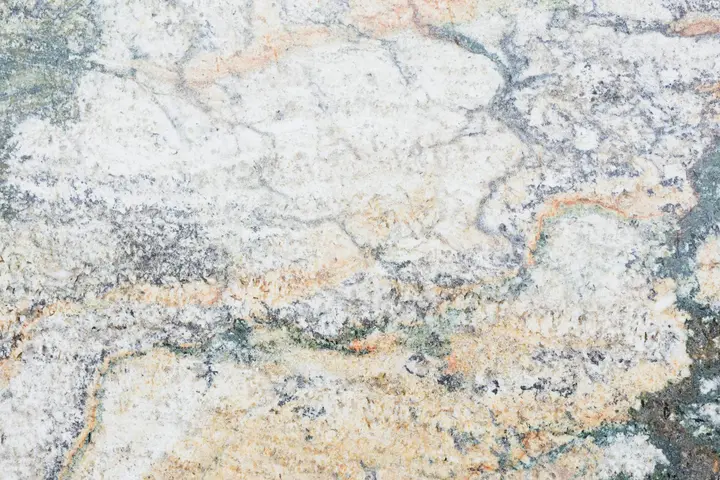
Granite looks solid, but it’s full of tiny pores. Imagine the stone is like a hard sponge.
If you don’t seal it, liquids seep right in. A good sealant fills those pores, creating an invisible shield.
For oil-based stains like cooking grease or salad dressing, a properly sealed granite countertop is your best defender.
It also holds up better to acidic spills than marble. A lemon wedge left on granite might not cause a disaster if you wipe it quickly.
Material Red Flag: Never use vinegar or harsh acids to clean granite. They can break down that crucial sealant over time, leaving your stone wide open for stains. To prevent stains, rely on pH-neutral cleaners and re-seal as needed. If stains do appear, you’ll want proven methods to remove granite stains.
Quartz: The Engineered Powerhouse
Quartz isn’t mined in slabs. It’s crafted in a factory from crushed stone and resin.
That process creates a non-porous surface. Nothing soaks in. That’s its stain-fighting superpower.
If you want the best overall stain protection with zero sealing and minimal upkeep, quartz is the clear winner.
But it has a weakness. The resins can be damaged by strong acids.
A splash of vinegar-based cleaner can leave a dull, whitish mark called an etch. It’s not a stain, but a surface scar caused by acid.
For common spills like coffee and red wine, quartz offers unbeatable resistance because the liquid just sits on top.
Marble: The High-Maintenance Beauty
I get it. You want that gorgeous, veined look. But marble is soft and reactive.
It stains easily and etches even easier. An etching is a chemical burn that leaves a dull spot.
Marble is the material most likely to etch from acidic stains like tomato sauce, wine, or orange juice.
You must seal it religiously, sometimes twice a year, to have any hope of stain resistance.
For stain resistance, marble requires the most sealing and maintenance by a wide margin.
My mom Martha visited last month. She took one look at my marble pastry station and said, “Honey, even a glass of sweet tea needs a coaster on this. Trust me.” She’s right.
Step-by-Step Stain Removal for Each Surface
Granite Countertop Stain Removal
For a deep oil stain, you need to pull it out. A baking soda poultice works wonders.
- Mix baking soda and water into a thick paste, like peanut butter.
- Spread it over the stain, about 1/4 inch thick.
- Cover it with plastic wrap and tape the edges down.
- Let it sit for 24 hours. The paste dries and draws the oil up.
- Remove the plastic, let the paste dry completely, then brush it off.
For daily cleaning, I use a drop of mild dish soap like Dawn in warm water. For a ready-made option, I keep a bottle of Weiman Granite Cleaner under the sink. It helps to remove water stains from granite countertops.
Safe DIY Alternative: For a light water ring or juice spot, a simple paste of just baking soda and water, scrubbed gently with a soft cloth, often does the trick without the long wait.
Quartz Countertop Stain Removal
Don’t get overconfident. While it’s stain-resistant, you can still scratch or dull the surface.
Start with warm, soapy water and a non-abrasive sponge. For dried-on gunk, let a warm, wet cloth sit on it for ten minutes to soften.
My friend Jessica left a candle burning too long. For the wax spill on her quartz, we used a plastic scraper (like an old gift card) to gently lift the bulk of it off once it hardened, followed by appropriate cleaning methods for quartz countertops.
Never-use chemicals on quartz: abrasive scrub pads, oven cleaner, or bleach-based cleaners. They will damage the shiny surface.
Marble Countertop Stain Removal
For an organic stain like red wine or coffee, you can try a gentle poultice. This is for the discoloration only.
- Mix a fine powder like baking soda with a small amount of 3% hydrogen peroxide to make a paste.
- Apply it just to the stained area, cover with plastic, and tape it down.
- Check it after a few hours. You might need to repeat the process.
Please know this is a risk. If the stain is gone but the spot is dull, that’s an etch. The poultice won’t fix that.
This method only tackles surface discoloration, not the permanent etching that often comes with marble stains.
When NOT to try this: If the stain has been there for weeks or is deep and dark, you’re likely beyond DIY. Calling a stone professional is your best move to avoid making it worse. Even for minor stains, missteps can ruin the stone. Our next step includes a quick guide on stain removal mistakes to avoid.
The Science Behind the Stain and The Seal
Chemistry Corner: Why Marble Gets Dull but Quartz Doesn’t
Picture a lemon slice on your counter. On quartz, it’s just a juicy mess to wipe up. On marble, it leaves a dull, sad spot. That’s chemistry in action.
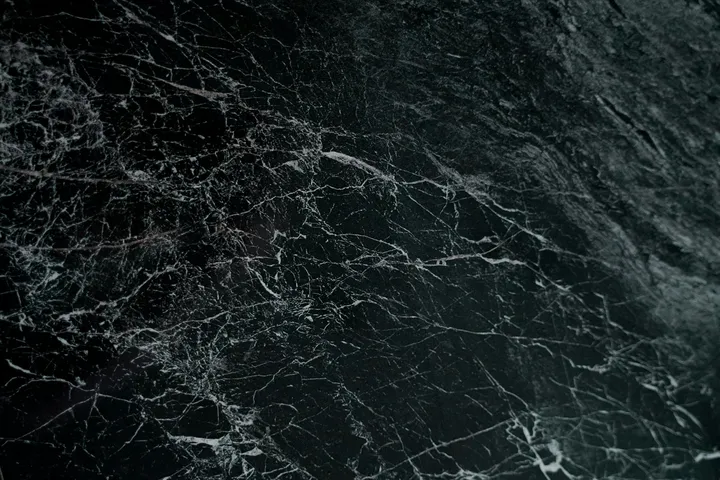
Marble is made mostly of calcium carbonate. It’s the same stuff in chalk and antacids. Acids in lemon juice, wine, or vinegar react with the stone. They don’t just stain it, they actually etch the surface. You’re left with a rough, matte mark where the shiny polish used to be—something that removing stains from cultured marble countertops won’t fix.
Quartz counters are engineered with resin, so acids can’t etch them, only potentially stain them if left to sit.
Granite is a mixed bag of minerals. Some granites can be sensitive to very strong acids, but most hold up much better than marble. The real enemy for granite and marble is oil. It can seep right into tiny pores if the stone isn’t protected.
Your Stone’s Invisible Raincoat: How Sealants Work
A sealant doesn’t create a plastic layer on top. Think of it more like an invisible raincoat sewn into the fibers of a jacket. It’s called an impregnating sealer.
You apply it to the clean, dry stone. It soaks into those microscopic pores and then cures. This creates a protective barrier below the surface. Liquids and oils bead up on top instead of soaking in, giving you time to wipe them away.
A proper sealant doesn’t make stone bulletproof, but it turns a potential disaster into a simple cleanup.
The 10-Second Seal Check: The Water Bead Test
Is your stone’s “raincoat” still waterproof? My mom, Martha, taught me this test years ago. It’s foolproof.
- Make sure your counter is clean and dry.
- Sprinkle a few drops of clean water on a high-use area, like by the sink.
- Watch what happens for 10-15 minutes.
If the water stays beaded up like dew on a leaf, your seal is strong. If it sinks in and leaves a dark, damp spot, it’s time to reseal. I do this check in my kitchen every six months or so.
My Go-To Products for Science-Based Care
Using the right products matters. Harsh cleaners can strip the sealant you worked so hard to apply.
- pH-Neutral Stone Cleaners: These are your daily workhorses. They clean without damaging the sealant or the stone. I keep a spray bottle of one next to my sink.
- Impregnating Sealers: For granite and marble, this is your best defense. Look for one labeled “penetrating” or “impregnating.” They’re usually solvent or water-based. I’ve had great results with both types on my past granite installations.
Skip the vinegar-and-water homemade mix and the generic kitchen sprays. They often contain acids or alkalis that degrade stone over time.
Your Countertop Care Cheat Sheet
Here’s the quick-reference guide I wish I had when we installed our first granite countertop. Print it and stick it on your fridge.
| Material | Daily Cleaning | Stain Treatment |
|---|---|---|
| Granite (Sealed) | pH-neutral cleaner, soft cloth. Blot spills fast. | Oil-based: Make a poultice with baking soda and water. Water-based: Hydrogen peroxide (3%) can help lift it. |
| Quartz | Dish soap and water or a quartz-safe cleaner. It’s the easiest. | For tough stains (dye, turmeric), a paste of non-bleach powder cleaner and water. Let sit, scrub gently. |
| Marble (Sealed) | Dry dusting first, then pH-neutral cleaner. Water spots are your nemesis. | Etch (dull spot): Requires professional polishing. Stain: Poultice as for granite. Always test in a hidden area first. |
The “On-the-Go” Emergency Party Fix
You’re at a party, and red wine splashes on your host’s gorgeous granite. Don’t panic. Grab a clean napkin. Head to the kitchen sink and put a single drop of the dish soap from the pump on the napkin. Just one drop.
Gently blot the spill from the edges toward the center. Don’t rub. The mild soap will help lift the liquid to the surface so the napkin can absorb it. It’s not a deep clean, but it’s a fantastic first aid move that prevents a stain from setting. I’ve done this at my aunt Jessica’s house more than once.
This quick blot-and-lift trick works for any fresh, water-based spill on any sealed surface in a pinch.
The Real-Life, Kid-Friendly Ranking
So, which one wins in a home with juice boxes, pasta sauce, and craft glitter? Here’s my honest take from living with them all.
1. Quartz. It’s the undisputed champion for stain resistance in a busy home. No sealing needed. My life with Jason and Jessica is easier because of it.
2. Granite (when properly sealed). A very close second. With a fresh seal, it repels almost everything. You just have to remember to maintain that seal every year or so.
3. Marble. It comes in last, but that’s okay. It’s beautiful. It requires a mindful approach. If you love it, you can make it work. You just need to be the kind of person who wipes up the lemon juice before squeezing it into your tea.
FAQ about Removing Stains from Countertops
My morning coffee sat on the granite for an hour. Is it stained forever?
Not necessarily. For a set-in organic stain, make a thick paste of baking soda and water, apply it to the spot, cover with plastic wrap, and let it sit overnight to draw the stain out. Avoid using vinegar or acidic cleaners, as they can degrade the sealant and make future staining worse.
What’s the absolute fastest way to handle a red wine spill at a party?
Immediately blot (don’t wipe) with a clean cloth, then dampen another cloth with water and a single drop of dish soap to gently lift the residue. On quartz, this quick action will likely solve it; on marble, it’s a critical first step before a potential stain or etch sets in permanently.
I got cooking oil on my quartz. Do I need to panic?
No, quartz is non-porous, so oil can’t penetrate. Simply wipe it up with warm, soapy water. For dried, sticky residue, lay a warm, wet cloth over the spot for 10 minutes to soften it before wiping clean.
A lemon juice splash left a dull spot on my marble. What now?
That’s an etch, not a stain, meaning the acid has microscopically scarred the surface. You cannot fix this with cleaning; it requires professional polishing to restore the shine. To prevent more, always wipe acidic spills immediately and use coasters.
I need a countertop that can survive my busy family. Which is truly the most worry-free?
Quartz offers the best overall stain protection with the least upkeep, as its non-porous surface repels most common spills without needing any sealant. For ultimate peace of mind against juice boxes, coffee, and cooking oils with simple cleaning, quartz is the top choice over natural stone options like quartzite.
Smart Choices for a Lasting, Stain-Free Surface
Your best defense against stains is to blot spills the moment they happen and use a gentle, pH-neutral cleaner for regular care. If low maintenance is your goal, quartz is the champion, but with prompt attention and annual sealing, granite and marble can beautifully withstand a busy household. I share more real-life care stories and tests on the Stain Wiki blog, learned from everything from my son Jason’s soda spills to my Aunt Jessica’s legendary wine nights.
Written by Suzanne Rosi Beringer. Suzanne is an accomplished chemist, laundry expert and proud mom. She knows the science and chemistry of stains and has personally deal with all kinds of stains such as oil, grease, food and others. She brings her chemistry knowledge and degree expertise to explain and decode the science of stain removal, along with her decades long experience of stain removal. She has tried almost everything and is an expert on professional and DIY stain removal from clothes, fabric, carpet, leather and any other items dearest to you.