How to Use pH Power to Eliminate Hard Surface Stains
Are you staring down a soap scum ring or a rusty water spot, wondering if you need a special spray for every single stain? The real secret is already in your kitchen. You can solve most hard surface stains with just two safe, common ingredients: a mild acid like vinegar and a gentle base like baking soda.
This guide will show you exactly how to match the cleaner to the mess. You’ll learn:
- What types of stains acids break down versus what bases dissolve.
- Which specific household items to use for each job.
- A simple way to remember the science without a chemistry degree.
- How to use these solutions safely on every surface in your home.
I’ve tested these methods for years on everything from my kids’ sticky countertop art to the mineral deposits on my own shower doors.
Understanding Your Stain: The First Step to pH Power
You see a stain. I see a tiny chemical battle that’s already over, and the stain won. To fight back, we need to know our enemy. On hard surfaces like sinks, shower doors, and countertops, you’re usually dealing with four main troublemakers.
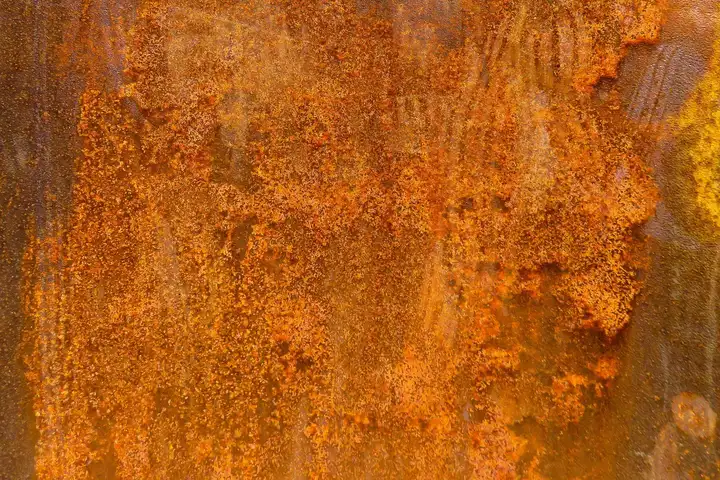
Rust is a metallic stain. It comes from iron or steel getting wet and oxidizing, leaving that classic orange-red mark. Rust on metal surfaces can be particularly stubborn and requires special care when cleaning.
Mineral or lime scale is the chalky, crusty white or greenish buildup from hard water. It’s basically rock deposits left behind when water evaporates.
Soap scum is a sneaky hybrid. It’s a film created when soap (which is a base) reacts with minerals in hard water (which are like tiny bits of rock). The result is a sticky, dull residue.
Grease and oil are organic stains. They come from food, skin, or lubricants and love to cling to surfaces, repelling water. When these stains land on clothing, simple stain-removal steps can lift them before washing. Knowing how to treat oil and grease on clothes helps keep fabrics looking fresh.
Chemistry Corner: The pH Seesaw
Think of pH as a seesaw. On one end, you have acids (like vinegar or lemon juice). On the other end, you have bases or alkalis (like baking soda or ammonia). Pure water sits right in the middle at a pH of 7, perfectly balanced.
The scale runs from 0 (very acidic) to 14 (very basic), and where a stain falls on this scale tells you what will break it apart.
The user often asks, “What are the most common types of stains found on hard surfaces, and how do their chemical properties differ?”
Rust and scale are mineral-based. Grease is an oily organic compound. Soap scum is a mineral-organic hybrid. Each one responds to a different spot on the pH scale.
Using pH power is like picking the right key for a lock. You wouldn’t use a grease-cutting base on a mineral stain. It just won’t work.
When to Bring Out the Acids: Targeting Rust and Scale
Acidic cleaners have a low pH. Their superpower is dissolving mineral bonds. They literally react with the stain and break it into smaller pieces that can be rinsed away. However, you should be cautious when using them on fabric stains, as they can sometimes cause damage.
For rust, which is iron oxide, an acid causes a chemical reaction. It converts the tough rust into a different, water-soluble compound that wipes clean.
For hard water deposits, which are often calcium carbonate (like a tiny seashell in your pipe), the acid dissolves it. You see this as fizzing, as the acid and the “rock” react.
The user also asks, “How do acidic cleaners (low pH) work to dissolve or break down specific stains like rust, mineral deposits, or hard water scale?”
They create a chemical reaction that transforms the solid stain into something that can be dissolved in water and simply rinsed off the surface.
Field Note: My Mom’s Showerhead Trick
My mom Martha in North Texas has the hardest water I’ve ever seen. Her showerhead was a solid block of white crust. I filled a plastic bag with white vinegar, tied it around the showerhead so it was submerged, and left it overnight.
In the morning, I took the bag off. The crusty white bits just rinsed away in the morning like magic. It was all just dissolved calcium.
Your Acidic Cleaner Cabinet
For really tough jobs, a commercial rust remover or phosphoric acid-based cleaner (like some toilet bowl cleaners) can be used with extreme caution and on appropriate surfaces, such as toilet bowls.
Panic-Level Assessment: Rusty Sink Stain
Panic Level: 3 out of 10. This is a common and fixable issue if you act promptly.
A fresh rust stain from a shaving cream can or wet tool left in the sink has a golden window of a few days. If you let it sit for weeks, the acid in the rust can actually etch the porcelain or ceramic, making it permanent. Unlike iron stains on tile or grout, these can be harder to remove.
Your move? A paste of lemon juice and salt, or a dab of white vinegar. Let it sit on the stain for 10-15 minutes, then scrub gently with a non-abrasive pad and rinse. The acid attacks the rust before the rust attacks your sink.
When to Use Bases: Melting Away Grease and Grime
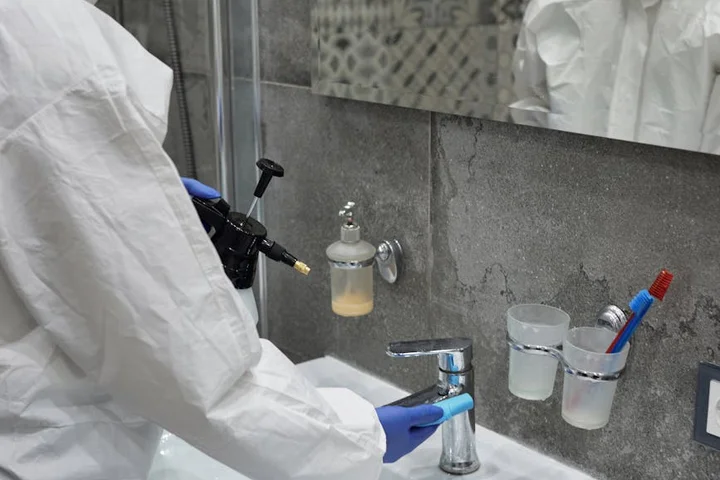
If a stain feels slick or comes from food, skin, or dirt, a high-pH alkaline cleaner is likely your best friend.
These cleaners are designed to break down fats, oils, and protein-based soils, which are the foundation of most kitchen and body grime.
How Alkaline Cleaners Work
Think of grease as a tightly packed blob. Alkaline chemicals work by breaking the bonds that hold that blob together.
The key process is called saponification, where a base chemically reacts with fat or oil to turn it into a type of soap.
This new soapy substance mixes easily with water, allowing you to rinse the mess away.
Chemistry Corner: Baking Soda vs. Lye
Not all bases are created equal. Baking soda is a mild base, safe for your hands and most surfaces.
It’s perfect for light kitchen grease or a greasy film on walls. Lye, however, is a powerful caustic used to unclog drains or make actual soap.
You wouldn’t use lye on your stovetop any more than you’d use a chainsaw to trim a houseplant, it’s simply too harsh for the job.
That FAQ about how alkaline cleaners break down organic stains? That’s saponification in action.
It’s the chemical “melting” that makes a greasy pan so much easier to wash after you’ve used soap.
Field Note: The Grill Grime Solution
After Roger’s last big barbecue, our grill grates were a mess of carbonized grease.
I mixed washing soda with just enough water to make a thick paste, glopped it on, and let it sit for an hour.
The grime wiped right off with a damp cloth, no harsh scrubbing needed. It’s now his go-to method.
Your Action Plan: Choosing and Using pH Cleaners Safely
Facing a mystery stain can be frustrating. This simple plan removes the guesswork and keeps your surfaces safe.
- Identify the likely source. Is it from a plant (rust) or a burger (grease)? Food and body soils are often organic.
- Match the stain to the cleaner. Use an acid for mineral stains like rust or hard water spots. Use a base for organic stains like grease or protein.
- Test your cleaner. Always, always apply it to a hidden spot first, like the back of a tile or inside a cabinet.
- Apply and wait. Give the chemistry a few minutes to work, but don’t let it dry completely.
- Rinse thoroughly. Neutralize and remove all cleaner residue with plain water.
This step-by-step guide is exactly what you need for any unknown spill.
Understanding Concentration and Risk
Think of concentration like hot sauce. A few drops add flavor, but drinking the whole bottle will cause damage.
A more concentrated acid or base works faster but dramatically increases the risk of etching or corroding your surface.
Dilution is a powerful tool for safety. I usually start with a weaker solution and only get stronger if I need to.
The Non-Negotiable Rule: Test First
Different materials react violently to the wrong pH. Marble and limestone are dissolved by acids. Aluminum can be discolored by strong bases.
My aunt Jessica learned this the hard way with a vinegar cleaner on her marble vanity top. It left a permanent dull spot.
Knowing the pH of your cleaner prevents this heartbreak by matching the tool to the material’s limits.
How to Remove Specific Stains with Household Items
You don’t need a cabinet full of specialty products. Here’s how to use what you have.
- Rust on Concrete: Make a paste with citric acid (from the canning aisle) and water. Spread it on the stain, wait 30 minutes, then scrub and rinse. It works on our patio furniture legs every spring.
- Soap Scum on Tile: A 50/50 spray of white vinegar and water cuts through that filmy, sticky residue. Spray, wait five minutes, and wipe.
- Grease on a Stovetop: Sprinkle baking soda over the grease, then spray it with just enough water to make a paste. Let it sit for 15 minutes, then scrub with a non-scratch pad. It lifts the grease without scratching.
These common items are powerful tools once you know their natural pH and purpose.
Panic-Level Assessment: Kitchen Grease on a Backsplash
Panic Level: 2 (Annoying, but manageable).
That greasy film from cooking builds up slowly. You have a golden window of a few weeks before it polymerizes into a harder, yellowed film.
A simple baking soda paste or a diluted all-purpose cleaner (which is usually alkaline) will handle it easily if you act before it bakes on for months.
The Final, Crucial Step: Rinsing and Neutralizing
Think of your cleaning agent as a worker on a job site. Rinsing is you telling them, “Shift’s over. Go home.”
If you don’t, they’ll keep working. A leftover acidic cleaner can slowly etch a surface. A leftover alkaline soap can leave a dull, sticky film that attracts more dirt.
Water is your universal off-switch, stopping all chemical action and flushing away any residue that could cause problems later.
What Does “Neutralizing” Even Mean?
Neutralization is just bringing a surface back to a balanced, neutral pH. You’re essentially canceling out the previous cleaner.
After using a strong acid, you’d use a mild base (like a baking soda and water solution). After using a strong base, you’d use a mild acid (like diluted white vinegar).
It’s a final, gentle adjustment to ensure your surface is truly clean and safe, not just temporarily altered by a harsh chemical.
When to Neutralize vs. When to Just Rinse
This trips up a lot of people. You don’t always need a second chemical.
For everyday mild cleaners like the vinegar or baking soda solutions we often use, a thorough rinse with plain water is perfectly sufficient. They’re not aggressive enough to warrant the extra step.
Neutralization becomes important after using heavier-duty, store-bought cleaners. I think about it in terms of the “ouch factor.”
Field Note: After cleaning my patio with a mild acid wash, my mom, Martha, taught me to sprinkle a little baking soda water over it. It stops the cleaning action and protects the concrete from any lingering acidity. I do this every time now.
FAQ: What is neutralization, and why might it be an important step?
Neutralization is the process of balancing a surface’s pH after using a strong acid or base cleaner.
It’s important because it ensures the cleaning chemical’s work is completely finished. It protects the surface material and prevents any reactive residue from damaging the finish or interacting with your next cleaner.
Think of it as a polite “thank you and goodbye” to the powerful cleaner you just employed.
Safety First, Always
Handling acids and bases isn’t scary if you’re smart about it. I treat them with the same respect I give my husband Roger’s power tools.
My golden rule is to keep the kids (Jason, 8, and Jessica, 3) and the dog (Peeta) far away from the area until everything is dry and put away.
- Gloves and goggles are non-negotiable. I keep a dedicated pair of cleaning gloves under the sink. A splash in the eye is a trip to the ER nobody needs.
- Ventilate, ventilate, ventilate. Open windows, turn on fans. Fumes can be nasty, even from “natural” acids like strong vinegar.
- Never, ever mix chemicals. This is the biggest one. Bleach and ammonia create a toxic gas. Bleach and vinegar create a toxic gas. Mixing different drain cleaners can cause explosive reactions. Use one product, rinse thoroughly, then you can use another if needed.
- Always dilute concentrates according to the label. More is not better, it’s often more dangerous.
- Store everything up high, in a locked cabinet if you have curious little ones.
FAQ: What safety precautions should I take with concentrated cleaners?
Treat them like the potent tools they are. Always wear protective gloves and eye protection to prevent skin burns or eye injury.
Work in a well-ventilated area to avoid breathing in fumes, and follow the product’s dilution instructions to the letter.
The most critical rule is to never mix different chemical cleaners, as combinations like bleach and ammonia can produce deadly gases.
FAQ About Using pH Cleaners on Hard Surfaces
1. How do I figure out if a mystery stain needs an acid or a base to remove it?
First, identify the stain’s source: mineral stains like rust on concrete surfaces or hard water spots are acidic targets, while organic stains like cooking grease or soap scum need a base. If you’re unsure, test a mild alkaline cleaner like a baking soda paste in a hidden spot first, as it’s less likely to damage most common surfaces.
2. Is it safe to use vinegar on my stone countertops or stainless steel sink?
No, never use acidic cleaners like vinegar on natural stone (marble, granite, limestone) as it will etch and dull the surface. For stainless steel, a mild base like dish soap is safer; rinse and dry immediately to prevent water spots and always wipe with the grain.
3. What are some quick, safe household cleaners I can mix for common stains?
For a greasy stovetop, make a paste of baking soda and water, let it sit for 15 minutes, then scrub. For hard water spots on glass, a 50/50 mix of white vinegar and water in a spray bottle works well; just avoid using it on stone or unsealed grout.
4. I used a strong cleaner but the stain isn’t gone. Should I use more or let it sit longer?
Do not apply more concentrated cleaner, as this risks surface damage. Instead, reapply the same diluted solution and cover it with plastic wrap to keep it wet for up to an hour, allowing more time for the chemical reaction to work before gently scrubbing.
5. Why is diluting a concentrated acid or base cleaner so important?
Dilution controls the cleaner’s strength, making it effective for the stain while minimizing the risk of etching, discoloration, or harming the surface material. Always follow the product’s label instructions for dilution-using it straight is rarely more effective and often dangerous.
Working With pH, Not Against It
The single most useful habit you can adopt is checking a cleaner’s pH before you use it. Knowing you’re using an acid for a base stain gives you confidence. Start with the mildest option, like vinegar for mineral deposits, and always test in a hidden spot first. For more tips like this, follow along on the blog. I’m always testing new methods and sharing what works (and what doesn’t) from my own home. For tile stains, the cleaning method depends on the stain type. I’ll cover tile stain cleaning methods by type in upcoming posts.
Written by Suzanne Rosi Beringer. Suzanne is an accomplished chemist, laundry expert and proud mom. She knows the science and chemistry of stains and has personally deal with all kinds of stains such as oil, grease, food and others. She brings her chemistry knowledge and degree expertise to explain and decode the science of stain removal, along with her decades long experience of stain removal. She has tried almost everything and is an expert on professional and DIY stain removal from clothes, fabric, carpet, leather and any other items dearest to you.