How Do You Remove Blood Stains from Carpets? A Practical Guide for Fresh and Dried Spills
Just found a blood stain on your favorite rug? I get it, my heart sinks too. For a quick fix, blot fresh spills immediately with cold water and a mild soap-heat sets the stain.
- Why blood stains are tricky and how to stop them from setting.
- The exact steps for a fresh spill, using items you already have at home.
- How to tackle dried, set-in blood without damaging your carpet fibers.
- Safe, non-toxic cleaners I always keep on hand, like hydrogen peroxide.
- Common mistakes to avoid so you don’t make the stain worse.
As a stain-removal specialist who’s cleaned everything from my son Jason’s soccer knee scrapes off the living room rug to my husband Roger’s hunting gear mishaps, I’ve tested every step here myself.
First Response: What to Do the Moment Blood Spills
When blood hits the carpet, your first move decides everything. I learned this during one of Jason’s soccer games. He took a ball to the face and came running in with a nosebleed, sprinkling drops all the way to the bathroom.
My instinct was to grab a towel and scrub. That would have been a huge mistake.
Your only job in this moment is to blot, never ever rub.
Rubbing grinds the blood proteins deep into the carpet fibers. It makes the stain bigger and permanently sets it.
Grab a clean, white cloth or a stack of paper towels. White is key so you don’t transfer any dye. Press down firmly and hold. You’ll see the blood transfer onto your cloth.
Move to a clean, dry spot and press again. Keep repeating until no more moisture transfers.
Why Cold Water is Your Only Friend
Blood is a protein stain. Think of it like egg white. What happens to egg white when you apply heat? It cooks and solidifies.
Heat, from warm water or a hair dryer, will “cook” the blood stain into your carpet. It binds the proteins to the fibers, creating a permanent, rusty shadow.
My mom, Martha, taught me this decades ago. She’d always point to the sink and say, “Cold only, from the tap. No exceptions.”
All your initial efforts must involve cold water. This simple rule is the foundation of saving your rug.
How to Remove Fresh Blood Stains from Carpets: A Detailed Walkthrough
Once you’ve blotted up all the liquid you can, it’s time to clean. For a fresh spill, you often don’t need harsh chemicals. A mild, cold soapy solution works wonders.
Here is the exact process I use, whether it’s from Jason’s knee or a nick from Roger’s hunting knife sharpening.
- Mix Your Solution
In a bowl, combine one quart of cold water with one teaspoon of clear, mild dish soap. I use the blue Dawn from under my kitchen sink. Avoid soaps with dyes or heavy moisturizers.
Swirl it with your fingers until it’s slightly sudsy. The soap breaks the surface tension of the blood, letting the water lift it away.
- Apply and Blot
Dampen a clean white cloth in your cold soapy water. Wring it out so it’s just damp, not dripping wet.
Gently dab the stained area from the outside toward the center. This prevents the stain from spreading. You’ll see the pale soapy suds turn pink as they pull up the blood.
Work slowly, reapplying the clean, damp cloth as needed until no more color transfers.
- The Crucial Rinse
This step is non-negotiable. Soap residue left in the carpet attracts dirt, leading to a rapid re-soiling.
Fill another bowl with plain, cold water. Dampen a fresh white cloth, wring it well, and blot the area to rinse out all the soap. You may need to change your rinse water and cloth a few times.
- Press Dry and Air Out
Lay a thick stack of dry paper towels or a clean, dry bath towel over the damp spot. Stand on it or place a heavy book on top to absorb the last bits of moisture from the carpet pad below.
To prevent any chance of mold or mildew, you must get the area completely dry. I always plug in a fan and aim it at the spot for a few hours.
I do the same thing after cleaning a mud-paw print from Peeta. Moving air is your best defense against musty smells later.
For most fresh stains, this method lifts every trace. If a faint shadow remains after drying, don’t panic. It’s often just a bit of oxidation. The next steps for dried or set stains will handle it.
How Do I Get Dried Blood Out of Carpet? The Gentle Revival Method
I see that search term all the time, and I get it. A dried blood stain looks permanent.
It feels crusty and sets into a dull brown or rust-colored patch. Your heart sinks.
The good news is, you can almost always fix a dried blood stain by rehydrating it with care. The trick is to treat it like a delicate archaeological find, not an enemy to scrub into oblivion.
Your Step-by-Step Plan for Dried Stains
- Make a cold rehydration station. Grab a clean white cloth and soak a section of it in ice-cold water. Wring it out so it’s damp, not dripping.
- Loosen the stain gently. Lay the damp cloth over the dried blood and let it sit for 10-15 minutes. This slowly re-wets the proteins without driving them deeper. Think of it as giving the stain a cold compress.
- Create your cleaning paste. While you wait, mix a tablespoon of salt or cornstarch with just enough cold water to make a thick, spreadable paste. I keep a tiny mason jar of paste in my laundry room for this.
- Apply and wait. Use a spoon or your finger to spread a thin layer of the paste over the now-dampened stain. Let it sit for an hour, or even until it’s completely dry and powdery.
- Blot and vacuum. The paste will have drawn moisture and stain particles up. Use a dry cloth to brush away the dried paste. Follow up with a thorough vacuuming to pull any residue from the carpet fibers.
This method is slow and gentle. It works because the paste acts like a magnet, pulling the rehydrated stain out of the carpet nap.
A Tip from My Garage
My husband Roger is an outdoorsman. Last fall, he set his hunting pack down on our beige hallway runner.
He didn’t notice a tiny, dried scrape on the strap. It left a perfect little rust-colored smudge.
For that older, set-in stain, I added one more step after the salt paste. I made a second paste of baking soda and a few drops of cold water and applied it over the area I’d just cleaned.
I let that sit overnight. The baking soda is a mild abrasive and a fantastic deodorizer, which helped lift any last traces and eliminated any faint metallic scent.
The next morning, I vacuumed, and the spot was gone. Always test any method on a hidden corner of your carpet first, especially with older or delicate fibers. Patience is your most powerful tool here.
What Cleaning Solutions Are Safe for Blood Stains on Rugs?
You don’t need a chemistry degree or a closet full of specialty products. The right tools are likely already in your kitchen and laundry room. The trick is knowing what to use and when.
Household Items You Probably Already Have
When Jason comes in from soccer with a scraped knee, I reach for the basics, not a specialty product. Here’s what works and why.
- Cold Water: This is your absolute first line of defense. Hot water cooks the proteins in blood, setting the stain permanently. Cold water helps loosen them.
- Dish Soap (like Dawn): A drop of clear dish soap in cold water is fantastic for fresh stains. It helps lift the oils and proteins from the fibers without harsh chemicals.
- White Vinegar: My mom Martha swears by a 50/50 mix of cold water and white vinegar. It’s a mild acid that can help break down the stain and acts as a deodorizer. It’s safe for most colors.
- Baking Soda: This is a gentle abrasive and odor neutralizer. I make a paste with cold water for scrubbing dried spots on durable carpets or hard surfaces.
- 3% Hydrogen Peroxide: This is a mild bleach alternative, but you must only use it on colorfast, light-colored carpets and always test it first. It bubbles and lifts the stain out beautifully.
My rule, learned from a disastrous experiment on a red rug: always test any cleaning solution in a hidden corner, like inside a closet, before applying it to the main stain. Wait 10 minutes to check for color fading or texture change.
Are Commercial Cleaners a Good Idea for Blood?
Sometimes, a modern solution is the right call. For persistent or old blood stains, I turn to enzyme-based cleaners. From a biochemistry standpoint, these cleaners use proteases to break down blood proteins, helping the stain come out.
Enzymatic cleaners are specifically designed to “eat” organic stains like blood, grass, or pet messes. They contain bacteria or enzymes that break down the proteins, making them easier to lift away. I keep a bottle for the inevitable accidents from Peeta, my golden retriever.
If you go this route, check the label for carpet compatibility. Avoid anything with “chlorine” or “bleach” in the name, as they can damage dyes and fibers. Look for cleaners that are oxygen-based or specifically list “enzymatic” action. My personal standby is a pet stain remover that works just as well on human messes. It simply works on a biological level, especially when used on rental carpets.
Surface Compatibility: Carpet vs. Clothing vs. Upholstery vs. Hard Surfaces
The core method-cold water and gentle blotting-stays the same, but your technique needs to adapt. Here’s a quick guide.
For example, a fresh blood stain on Jason’s jeans gets a full soak. The same stain on my beige living room rug gets a careful, cautious blot with a hydrogen peroxide solution (after testing). The goal is to remove the stain without damaging the material beneath it. Different fabrics require different approaches, so understanding blood stain removal fabrics matters. In the next steps, you’ll find fabric-specific tips to protect material while treating stains.
How to Prevent Blood Stains from Setting Into Carpet Fibers
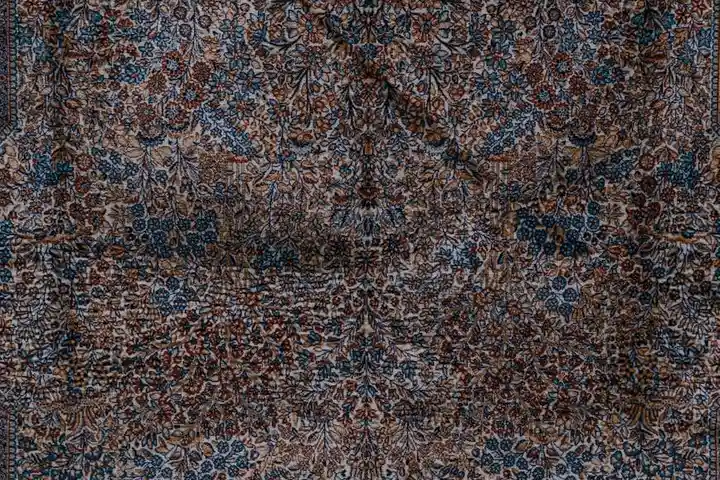
You need to move fast. The moment you see that spot, your clock starts ticking.
Grab a clean, white cloth and run it under cold tap water. Wring it out so it’s just damp, not dripping.
Now, gently press the cloth onto the stain. Do not scrub. I learned this the hard way when my son Jason came in with a scraped knee and smeared blood on the living room rug. Scrubbing just pushes the stain deeper and frays the fibers, unlike when you carefully remove blood stains from fabric.
Your goal is to lift the blood out, not rub it in.
Keep blotting with fresh, damp sections of the cloth. You’ll see the blood transfer onto the cloth. Switch to a dry, clean towel to blot up the cold moisture you just added.
Heat is your enemy here. Never use warm or hot water on a fresh blood spill.
Avoid hair dryers, space heaters, or direct sunlight while the area is damp. My mother-in-law, Brianna, once tried to speed-dry a spot with a heater. It baked the stain right in.
Think of blood like egg white. Both are full of proteins. If you’ve ever cooked an egg, you’ve seen clear, runny egg white turn white and solid with heat.
Blood proteins do the same thing. Heat makes them coagulate and bind tightly to the carpet fibers.
Cold water keeps those proteins loose and soluble, so you can blot them away before they “cook” into the carpet.
My Aunt Jessica in Arizona loves her red wine. Her rule for spills is simple: “Attack it before it thinks about staying.”
The same principle applies to blood. The faster you act with the right technique, the better your chance of a full recovery. Letting it sit or using heat gives the stain a permanent invitation.
Dealing with Stubborn or Old Blood Stains on Carpets
Old blood stains are a different beast. That rust-colored shadow has settled in, and the proteins have bonded with the carpet fibers. The key here is patience, not power. Aggressive scrubbing will only fray the fibers and set the stain deeper. It’s especially tricky when dealing with blood stains on car seats or carpets, as you want to ensure you don’t damage the fabric while trying to clean it.
Think of it like rehydrating a raisin. You need to slowly coax the stain back to the surface. My son Jason had a nasty scrape from a soccer game last year. We cleaned his knee, but a few drops from his sock dried on our hallway runner overnight. That dull brown ring looked permanent.
How to Treat Set-In Blood Stains
Your goal is to soften and lift the stain over multiple gentle sessions. Rushing this will damage your carpet.
- Re-moisten the area with cool water. Blot, don’t rub, to reactivate the stain.
- Apply your enzyme cleaner or a 3% hydrogen peroxide solution. Let it sit for 15 minutes.
- Blot relentlessly with a clean, white cloth. You’ll see color transfer.
- Rinse the spot with a cloth dampened with cool water and blot dry.
- Let the area dry completely. Assess the stain. You will likely need to repeat this process two or three times.
Repeated, gentle applications are far more effective than one frantic, harsh scrubbing session. If the stain lightens with each treatment, you’re on the right track.
The Baking Soda Paste Boost for Light Carpets
For pale carpets like beige or light gray, you can use a stronger oxidative paste. I learned this from my mom, Martha, who swears by it for vintage rugs.
Mix a thick paste of 3% hydrogen peroxide and baking soda. The consistency should be like gritty toothpaste.
- Ventilation is non-negotiable. Open windows and run a fan. The chemical reaction needs air flow.
- First, test this paste on a hidden corner of the carpet, like in a closet. Wait an hour to check for bleaching or texture change.
If the test spot is okay, apply a thin layer of paste directly onto the cold, dampened stain. Let it dry completely. This can take several hours. As it dries and fizzes, it pulls the stain upward. Once dry, vacuum up all the residue.
This paste method is a last-ditch effort for light carpets before calling a professional, and it requires ample ventilation. Never use it on wool or dark-colored carpets.
Knowing When to Call for Backup
Some stains laugh at our home remedies. My husband Roger once brought in some hunting gear, and an old, unidentified stain on a canvas bag transferred to our basement carpet. It was years old, a mix of blood, dirt, and who-knows-what.
I tried every gentle method I knew over a week, including those recommended for berry stains on fabric. The stain faded from a dark brown to a faint tan shadow, but it wouldn’t budge further. I knew I was at the limit of what I could do without risking damage.
That’s when I called a professional carpet cleaner. They have industrial-grade enzymatic treatments and hot water extraction tools we simply don’t. For a small fee, they lifted that last trace of shadow. It was worth every penny for the peace of mind.
If a stain persists after three careful treatments, or if you’re dealing with a very large or antique rug, professional help is a smart investment, not a defeat. They can assess the fiber type and use tools that get results without the guesswork.
Safety Tips and How to Protect Your Carpet’s Color
Blood stains demand a smart approach. You need to protect yourself and your carpet’s vibrant look.
I follow these rules every time, especially with my busy household.
Essential Precautions: Your Cleaning Shield
I always wear disposable gloves. It’s a habit from handling Jason’s knee scrapes after soccer.
Gloves create a barrier against bacteria and keep your hands clean during the process.
Ensure good airflow in the room. Open a window or use a fan.
This isn’t just about odor; some cleaners, like hydrogen peroxide, have a faint sharp scent.
Proper ventilation keeps the air safe for you, kids, and curious pets like Peeta.
Dispose of all used materials properly. I seal bloody cloths in a plastic bag immediately.
They go straight to the outdoor trash to avoid any risk inside.
Sealing and tossing used materials prevents contamination and keeps your home hygienic.
Guarding Your Carpet’s Color from Harm
Your carpet’s color can fade or bleed if you’re not careful. I test first, always.
Always perform a patch test on a hidden area to check for color fading or fiber damage.
Use only white, clean cloths for blotting and applying solutions.
My aunt Jessica once used a patterned towel on a wine spill and transferred dye. White cloths prevent that.
White cloths ensure you’re lifting the stain, not adding a new one from fabric dye.
Rinse the cleaned area thoroughly with plain water. Blot with a fresh, damp white cloth.
You want to remove every trace of cleaner. Leftover residue can feel tacky and attract dirt.
Thorough rinsing prevents chemical residue that might dull your carpet’s color over time.
The Safety-First Mindset I Live By
Safety isn’t an extra step. It’s the foundation of all my cleaning.
With Jessica, 3, making messes and Peeta sniffing everything, I can’t afford shortcuts.
I treat every stain removal with the same level of care, whether it’s from Roger’s outdoor gear or a juice box spill.
My mom, Martha, taught me that good cleaning respects both people and surfaces.
It’s why all my cleaning agents are stored up high, away from little hands and paws.
A safety-first routine protects your family and makes cleaning a trustworthy part of home care.
FAQ About Removing Blood Stains from Carpets
1. What’s the very first thing I should do for a fresh blood spill?
Immediately blot the stain with a clean, white cloth and cold water-never rub. Acting fast with cold liquid prevents the proteins from “cooking” and setting into the fibers.
2. Can I use ammonia to get out a dried blood stain?
No, never use ammonia on a blood stain. Ammonia can react with the proteins and permanently set the stain, making it nearly impossible to remove later.
3. Are enzyme cleaners safe for all carpets?
Enzyme cleaners are generally safe and effective for breaking down organic stains like blood. The science behind enzyme action explains how these cleaners break down proteins and organic material in stains. Always check the label for your carpet type and test it in an inconspicuous area first for colorfastness.
4. How can I safely use hydrogen peroxide without fading my carpet?
Only use 3% hydrogen peroxide, and always test it on a hidden spot first. Apply it sparingly, let it bubble for no more than a minute, and blot it away thoroughly with cold water.
5. When should I stop DIY cleaning and call a professional?
If a stubborn stain persists after 2-3 careful treatment sessions, or if you’re dealing with a delicate, antique, or very expensive rug, call a pro. They have industrial-grade solutions and tools to safely finish the job.
Smart Steps to Prevent Blood Stains from Coming Back
The single most important rule is to use only cold water on fresh blood stains, as heat from warm water or a dryer will permanently set the proteins. Patience and gentle dabbing always beat scrubbing, which can damage carpet fibers and spread the stain. The same careful, cold-water approach also applies when you remove blood stains from furniture upholstery, not just carpets, including sofas and chairs. I share all my real-life fixes, like the time I rescued our hallway rug after Jason’s nosebleed, over on the Stain Wiki blog where we handle home messes together.
Written by Suzanne Rosi Beringer. Suzanne is an accomplished chemist, laundry expert and proud mom. She knows the science and chemistry of stains and has personally deal with all kinds of stains such as oil, grease, food and others. She brings her chemistry knowledge and degree expertise to explain and decode the science of stain removal, along with her decades long experience of stain removal. She has tried almost everything and is an expert on professional and DIY stain removal from clothes, fabric, carpet, leather and any other items dearest to you.