How to Remove Static from Carpets, Curtains, and Couches?
Is your sofa giving you a shock or your favorite blanket clinging like a static magnet? You can stop static quickly by lightly misting fabrics with a mix of water and a drop of fabric softener. It’s a simple trick that works in seconds.
This guide will walk you through all the ways to banish static for good. We’ll cover quick fixes you can do right now, simple preventative habits, natural solutions that are already in your pantry, and long-term strategies for your whole home.
I’ve tested these methods for years in my own home, from taming the static monster on Jason’s soccer jersey to stopping our living room rug from sparking after Peeta’s nap-time zoomies.
Static Shock 101: Why Everything in Your Home Clings and Zaps
Picture this. You shuffle across the carpet in socks, reach for a doorknob, and zap. That’s static electricity.
It’s just tiny electrons jumping from one surface to another. When two different fabrics rub together, like your fleece blanket on the couch, one steals electrons from the other.
This makes one thing positively charged and the other negatively charged, and they desperately want to stick together or shock the next thing that comes near.
My daughter Jessica’s fleece blanket is a prime offender. It crackles and clings to her legs every single time she gets off the couch in winter.
My husband Roger has the same issue with his nylon jacket after a day in the garage. He’ll walk in and give Peeta a little shock when he pets him.
Let’s get one thing straight. This isn’t a stain you can blot out. It’s a simple charge imbalance that’s easy to fix.
Chemistry Corner
Dry air is the real culprit here. Moisture in the air helps charges dissipate naturally.
When your home’s humidity drops, especially in winter, there’s nothing to carry the charge away, so it builds up on you and your stuff until it zaps something.
That’s why static is a cold-weather annoyance, not a home disaster.
Immediate Relief: How to Get Static Out of Clothes Right Now
You need to leave in five minutes and your dress is stuck to your legs. I get it. Here’s how to stop the cling fast.
This is a low-urgency situation-I’d rate it a 2 out of 10 on my stain panic scale-because you’re not fighting a drying stain. You’re just restoring comfort.
My favorite instant fixes use things you already have.
- The Metal Hanger Trick: Run a plain metal clothes hanger over the outside of the fabric. The metal helps discharge the static electricity safely.
- The Light Mist: Fill a spray bottle with plain water. Hold it a foot away and give the garment one or two very light sprays. You want a barely-there dampness, not a soaking.
- The Dryer Sheet Rub: Grab a used dryer sheet from the laundry room. Rub it on the inside of the garment where it won’t be seen. The thin residue left on the sheet works wonders.
For example, my son Jason’s synthetic soccer jerseys are static magnets. I keep a travel-size bottle of static spray in my bag, but at home, the metal hanger is my go-to before games.
Quick Fix for a Specific Garment
Let’s say you have a clingy skirt or dress. Here’s my precise method.
- Wash and dry your hands thoroughly.
- Run your palms under cool water for a second, then shake off the excess.
- Gently smooth your slightly damp hands over the fabric that’s clinging. Start from the top and glide down.
If your skin is very dry, try this. Rub a tiny dot of unscented hand lotion between your palms until it’s completely absorbed.
Then, lightly pat and smooth the fabric. The invisible, thin layer of moisture from your hands neutralizes the charge.
Be careful with delicate silks or very dry-clean-only materials, such as those used in wedding dresses. The goal is to add a hint of moisture, not to wet the fabric.
If you see any darkening of the material, you’ve used too much water. Just let it air dry for a moment before heading out.
Treating Your Home: Removing Static from Furniture and Textiles

That zap from your sofa or the cling in your curtains is annoying. I face it weekly with our upholstered chairs and blankets.
You can tackle it with a simple homemade spray. I mix one teaspoon of liquid fabric softener with two cups of water in a spray bottle. Commercial anti-static sprays are also effective for a quick fix.
Before you spray anything, always do a test patch on a hidden seam or underside.
This quick check prevents color fading or fabric damage on your favorite items.
Different materials need different approaches. Use the chart below as your guide.
Surface Compatibility Chart: Static Solutions at a Glance
- Carpet: A light mist of a water and white vinegar mix (one part vinegar to three parts water).
- Clothing: Gently rub the fabric with a used dryer sheet.
- Upholstery: Apply a light mist of homemade or commercial anti-static spray.
- Hard Surfaces: Wipe down plastics or laminates with a used dryer sheet.
Wool blankets need very gentle moisture to avoid shrinkage. Mold stains particularly require careful treatment when dealing with any moisture in fabrics. Polyester sofas can handle a light fabric softener dilution.
Natural fibers like cotton absorb moisture easily, so a plain water mist often works. Synthetic fibers like polyester hold a charge tighter, so they often need a solution that coats the fibers.
For a Polyester Sofa or Couch
Our family room couch is polyester. After Peeta’s naps, it would spark when we sat down.
Here is my exact method. Mix one teaspoon of fabric softener with two cups of cool water in a spray bottle. Shake it well. Hold the bottle about 12 inches away and mist the surface lightly. Let it air dry completely. No more shocks.
For Wool Blankets and Curtains
Wool is delicate. To stop static cling on a wool blanket, I run a humidifier in the bedroom. For a quicker fix, I use the steam from my iron. To remove wrinkles on wool sweaters and cashmere, light, even steam helps. Lay the garment flat to finish drying.
Hold the iron several inches above the blanket and release a burst of steam. Never let the iron touch the wool.
For curtains, a quick spritz of plain water from a spray bottle is often enough. It adds moisture without risk.
Deep Prevention: How to Stop Static Before It Starts
Stopping static before it builds is the real goal. These strategies help your whole home.
Increase your home’s humidity with a humidifier. My mom Martha in dry North Texas swears by this. More moisture in the air means less static on your stuff.
Dry your laundry smarter. Use rubber dryer balls or wool dryer balls in the dryer. They bounce around, separating clothes and reducing friction, which helps reduce lint build-up.
Remove clothes from the dryer while they are still slightly damp to prevent over-drying, a major cause of static.
After using any spray, let items air dry fully away from radiators or direct sun. This avoids any tacky residue.
For rugs and carpets, regular vacuuming helps. An occasional light misting with water can keep static down between cleans. If you ever encounter any stubborn stains, especially blood stains on carpets or rugs, there are specific techniques to handle them effectively.
For Carpets and Rugs
What can you put on carpet to stop static electricity? A light spray of an anti-static solution works well. I make mine with water and a capful of fabric softener.
Walking with a humidifier on in the room also helps over time.
My mother-in-law Brianna uses an old remedy. She simply wipes her carpets with a damp tea towel. It adds just a trace of moisture and cuts down on shocks instantly.
Material Red Flags and Critical Warnings
Some fabrics whisper a warning when static hits. I learned this with Aunt Jessica’s silk pajamas. They felt slick but sparked with every move. Delicate materials like silk, velvet, and antique textiles require a gentle approach to avoid permanent damage from sprays or rough rubbing.
Think of them like fine china. You wouldn’t scrub a teacup with a steel wool pad.
My mother-in-law Brianna once used a heavy-duty spray on an antique lace tablecloth. It left a stiff, crunchy feel. Now I only use a light mist of distilled water from a spray bottle.
Be very picky with your products. Avoid silicone-based sprays anywhere near electronics like TVs or computer monitors; they leave a tacky film that attracts more dust and gunk.
Oily or wax-based solutions are risky too. Roger used one on a light-colored couch cover, and it left a faint, shadowy residue. Oily stains are often tricky to remove.
Safety isn’t just for stains. Always, always unplug the appliance from the wall before you touch its screen to remove static or dust. It takes two seconds and prevents a nasty surprise.
My mom Martha has a cupboard full of homemade remedies. Her vinegar spray is great, but her rule is ironclad. Test any spray, store-bought or homemade, on a hidden seam or corner first, every single time you use it. I do this on the underside of Peeta’s dog bed before any full application.
When Static Strikes Appliances and Odd Items
Static doesn’t limit itself to clothing. Our flat-screen TV used to collect a fuzzy layer of dust that seemed magnetized. For home appliances, focus on safe dusting with a microfiber cloth and boosting the room’s humidity with a humidifier. A little moisture in the air works wonders.
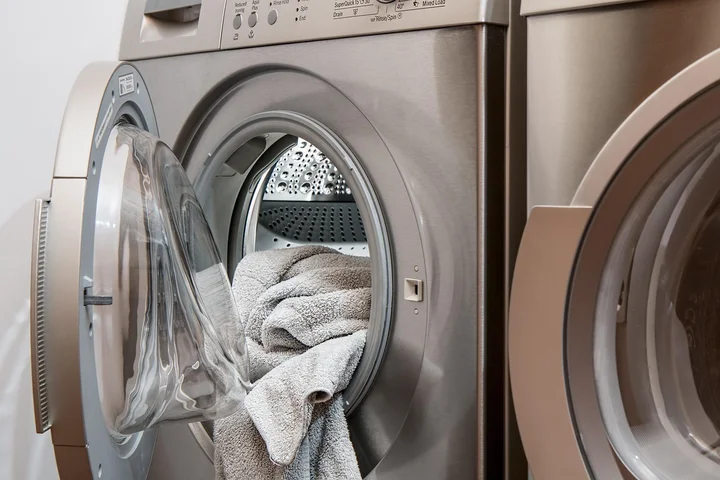
The laundry room is a hotspot. My washer and dryer sometimes crackle when I open the doors. A quick wipe down with a damp cloth cuts the static and the dust.
Kids’ treasures are static magnets. Edward, Jason’s friend, left his stuffed soccer ball here. It clung to the curtains like glue. A fast, five-minute tumble in the dryer with a single dryer sheet fluffs up stuffed animals and cozy throws perfectly.
Use the no-heat or air-fluff setting to be extra safe. Jessica’s favorite plush rabbit comes out soft and static-free.
Remember, this is a small problem. A bit of static on a blanket or TV is a minor nuisance, nothing like wrestling a ketchup stain from the car seats. A simple fix is usually all you need.
FAQ about Removing Static from House Textiles and Furniture
Can I use hairspray as a quick anti-static fix for my clothes?
Hairspray can work in a pinch, but lightly spray it on a brush first, then brush the fabric. Avoid direct application, as it may leave a sticky residue and harm delicate materials. If a stain forms, you can follow a simple method to remove hair product stains from fabrics. It helps keep textiles looking their best.
How long should I wait for a homemade static spray to dry on upholstery?
Allow the spray to air dry fully, typically 10-15 minutes. Ensure ventilation to prevent moisture buildup that could attract dust or cause mildew.
Is it safe to use anti-static methods on leather furniture?
For leather, gently wipe with a slightly damp microfiber cloth only. This method also supports stain removal for leather, suede, and other delicate materials. Avoid fabric softener or vinegar sprays, which can degrade the leather’s finish and cause cracking.
What should I do if static returns immediately after using a dryer sheet?
This usually indicates low humidity; run a humidifier in the room or lightly mist fabrics with water. Also, check that laundry isn’t over-dried, as this exacerbates static.
Are anti-static treatments safe around pets and children?
Stick to mild solutions like water or diluted vinegar, and always store sprays securely. Test on hidden areas first to ensure no adverse reactions on fabrics they contact, especially when dealing with chemical residues from spills.
Keeping Static at Bay for Good
After testing every remedy on everything from Peeta’s favorite blanket to the living room sofa, I’ve found one method never fails. Consistently adding moisture to your home’s air with a humidifier or DIY tricks stops static before it starts, protecting all your textiles and furniture. If couch fabric stains pop up, practical stain removal tips for couches fabric sofas can save the day. For more real-life solutions from my home to yours, follow along right here on Stain Wiki.
Written by Suzanne Rosi Beringer. Suzanne is an accomplished chemist, laundry expert and proud mom. She knows the science and chemistry of stains and has personally deal with all kinds of stains such as oil, grease, food and others. She brings her chemistry knowledge and degree expertise to explain and decode the science of stain removal, along with her decades long experience of stain removal. She has tried almost everything and is an expert on professional and DIY stain removal from clothes, fabric, carpet, leather and any other items dearest to you.