How Do You Remove and Prevent Water Stains on Ugg Boots?
Finding a dark, damp ring on your favorite Uggs is a real downer. You can usually fix it by gently dabbing the spot with a 50/50 mix of white vinegar and water, then letting the boot air-dry completely.
This article will give you my proven, step-by-step plan:
- The right way to blot a fresh stain without rubbing it in deeper.
- How to use vinegar or cornstarch to lift set-in water marks.
- Why proper air-drying is the secret to preventing stiff, damaged boots.
- My go-to method for applying a waterproofing spray to stop future stains.
I’ve used these techniques for years on my family’s suede and sheepskin, from my son Jason’s soccer-field mishaps to my aunt Jessica’s wine-country adventures.
Panic-Level Assessment: The Ugg Water Stain Emergency
You just stepped in a deep puddle. You can already see that dark, damp circle spreading on your boot.
Take a breath. This is a panic level of 4 out of 10. It’s urgent, but it is not hopeless. I’ve saved my own boots and my kids’ from worse.
The moment you see the water mark, you are in what I call the “Golden Window” for saving your boots. This window slams shut once the boots are bone dry.
Why is it so urgent? Think of that water as a tiny taxi service. It pulls up dirt, skin oils, and minerals from deep inside the sheepskin and drives them to the surface.
As the water evaporates, it leaves all those passengers behind in a dull, crusty ring. Your goal is to stop the taxi before it completes its trip.
Your First-Aid Kit for Wet Uggs (Act Fast!)
Before you do anything else, grab these three things. I keep mine in a basket in the laundry room for exactly this kind of moment.
- Clean, white cloths or paper towels. Color can transfer, so white is non-negotiable. Old t-shirts work great.
- A proper suede or nubuck brush. The soft brass or rubber bristles are made for this fuzzy nap. A regular brush is too harsh.
- A stack of newspaper or clean paper. This is for stuffing, not for reading.
The Critical First Three Steps
Step 1: Gently press a clean white cloth onto the wet spot. Do not rub. Rubbing grinds the dirt deeper and ruins the soft surface. Just press and lift, press and lift, like you’re dabbing a delicate wound. Soak up as much moisture as you can.
Step 2: Crumple newspaper and firmly stuff the entire boot. This is my favorite trick, one my mom taught me. The paper pulls moisture from the inside lining, which is just as important. Replace the paper every few hours as it gets damp.
Step 3: Let them air dry in a room-temperature spot. Place them somewhere with good airflow, like near a ceiling fan. Keep them far from radiators, vents, or sunny windows.
The Hairdryer Question
Can you use a hairdryer to dry wet Ugg boots? No. Absolutely not.
I learned this the hard way with a pair of Roger’s slippers years ago. Direct heat is the enemy of sheepskin. It causes the leather to shrink and become stiff as a board.
Think of sheepskin like your own skin after a hot shower; it needs gentle, ambient air to stay soft, not a blast of hot air that will parch it.
What to Avoid at All Costs
- Any direct heat source (hairdryers, heaters, fireplaces).
- Rubbing or scrubbing the stained area.
- Putting them on while they are still even slightly damp. Your body heat can bake the stain into place and misshape the boot.
Chemistry Corner: Why Plain Water Leaves a Mark
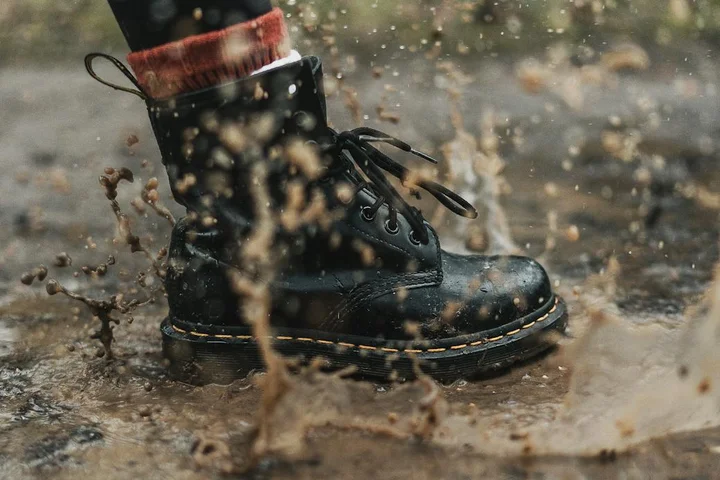
That dull ring on your Ugg boot isn’t from the H2O itself.
The stain is a deposit stain, left behind by minerals and dirt suspended in the water. Think of it like a puddle drying on my driveway here in Texas. The water evaporates, but it leaves a chalky outline of everything it carried.
This is why blotting a fresh spill works so well. You are physically lifting that dirty water away before the sediment can settle into the fibers and bond as it dries.
For tougher mineral marks, like winter salt stains, you need to dissolve the deposit. That’s where a mild acid like white vinegar comes in handy, which we’ll get to next. My Aunt Jessica from Arizona swears by it for her patio furniture, and the same principle applies to boots.
The Step-by-Step Guide to Removing Dry Water Stains
So, how do you remove water stains from Ugg boots after they’ve dried? Don’t panic. Follow these steps.
Step one is always to brush it out. Grab a proper suede brush. I keep one in my hall closet for this exact reason. Vigorously brush the stained area in one direction. This often lifts the dried sediment right out. It worked on Jason’s boots after a muddy soccer practice. Of course, it’s just one of the techniques that have evolved over time.
Can you use a suede eraser on water stains? You can try. A suede eraser is good for light, dusty rings. For darker mineral stains, it might not be enough. I tested this on an old pair of my own boots. The eraser helped a little, but the ring remained. Sometimes, water stains on leather require more than just an eraser to come out completely.
Next, try the damp cloth method. Dampen a white, lint-free cloth with cold water. Wring it out completely. Gently rub the stain in a circular motion. You’re essentially giving that spot a tiny, controlled wash. If the stain is berry-based, this approach pairs well with dedicated tips for removing berry stains from fabric.
Immediately after, brush the area again in one direction while it’s still damp. This is how you brush suede after it gets wet. It re-naps the leather and prevents a matted, hard spot. My mom, Martha, taught me this trick decades ago.
If the stain persists, use a specialist suede cleaner. Always test any cleaner on a hidden spot first, like inside the boot cuff. Follow the product instructions to the letter. I’ve had great results with a few trusted brands I keep for my family’s suede items. Knowing how to remove stains from suede can save you time and worry. You’ll find a concise guide to removing stains from suede in the next step.
Special Case: Conquering Winter’s Worst Enemy (Salt Stains)
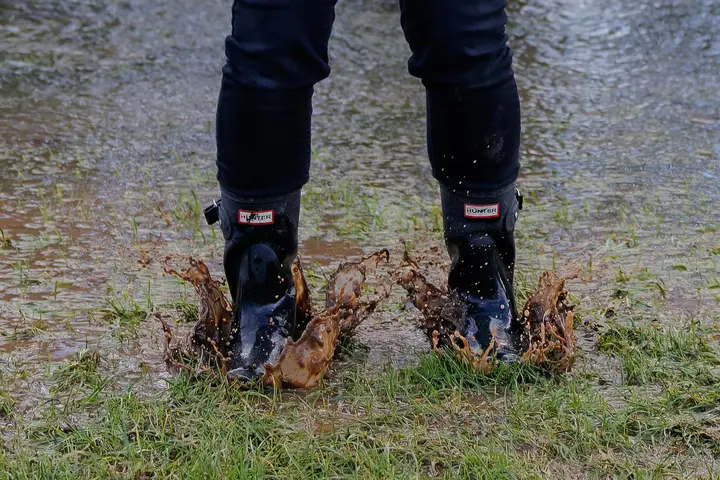
Water stains are one thing. Salt stains are a whole different, more aggressive beast. That white, crusty ring isn’t just ugly, it’s corrosive. It actively dries out and damages the sheepskin fibers.
So, how do you treat salt stains on Ugg boots? You neutralize them.
My Aunt Jessica in Arizona taught me this trick for her sun-bleached, salt-stained patio furniture cushions. The science is the same. A mild acid, like white vinegar, counteracts the alkaline salt. A simple 50/50 mix of white vinegar and distilled water is your secret weapon here.
- Dampen a clean, white cloth with your vinegar solution. Wring it out so it’s just moist, not dripping.
- Gently dab the salt-stained area. Do not rub or scrub. You just want to transfer the solution onto the stain.
- Let it sit for about 60 seconds. You might see a little fizzing. That’s the neutralization happening.
- Take a second cloth, dampen it with only clean, cool water, and blot the area thoroughly to rinse out any vinegar and salt residue.
- Follow the core drying and brushing method. Let them air dry completely, then use a suede brush to revive the nap.
Be realistic: a heavy salt stain that’s been sitting for weeks might leave a faint, dry shadow even after treatment. The goal is to stop the damage and restore the boot’s softness. You’re saving the integrity of the boot, even if a slight memory of the stain remains.
Material Red Flags and Critical Warnings
Working with sheepskin suede means working with a delicate material. What you don’t do is just as important as what you do.
- Never use a standard laundry stain remover or spray. The chemicals are too harsh.
- Never use bleach or anything containing bleach.
- Never use harsh soaps, dish detergents, or degreasers.
- Never, ever use hot water. It can felt the wool and shrink the boot.
These instructions are written specifically for genuine sheepskin suede and nubuck. If your boots are made of “emulate suede,” synthetic materials, or have a glossy finish, these methods could damage them. Check the manufacturer’s tag first, especially when dealing with grass stains or other marks.
My one unbreakable rule, learned after a small disaster with a silk blouse, is this: always test first. Dab a tiny bit of your chosen cleaner (even the gentle vinegar mix) on a hidden spot. The inside of the boot’s tag area is perfect. Check for color transfer or texture change after it dries.
I’ll say it one more time because it’s that vital: no direct heat. Do not place them by a radiator, fireplace, or heating vent. Do not use a hairdryer. Do not even think about the oven. Patience and good air circulation are your only tools for drying Ugg boots properly. Rushing this step will ruin everything.
The Right Way to Dry and Fluff Your Boots Back to Life
I wince thinking about my daughter Jessica’s little Uggs after she jumped in a rain puddle. The first step is damage control. You need to dry them the right way.
Stuff them immediately with crumpled newspaper. This isn’t an old wives’ tale. Newspaper is a champion at pulling moisture out of sheepskin. It also helps the boot keep its shape instead of collapsing into a sad, wrinkled lump.
Check the paper every few hours. When it feels damp and cool to the touch, swap it for fresh, dry sheets.
Your boots need a good home to dry. Find a spot with gentle air flow, like near a ceiling fan. The room should be a normal, comfortable temperature.
Keep them far away from radiators, heaters, and sunny windows. Direct heat will cook the leather. It makes it brittle and can permanently set any stain.
Patience is everything here. Let them dry slowly for a full day, maybe two. The cozy wool lining inside will be the last part to feel completely dry.
Bringing Back the Fluff
Once your boots are bone-dry, they might look a little tired and flat. This is normal. It’s time to wake up the nap.
Grab your suede brush or even a clean, dry toothbrush. Brush the entire surface with purpose. Go against the grain, then with it. You’ll see the soft fibers start to stand up again.
For stubborn flat spots, I use a clean pencil eraser. Just gently rub it over the area. It lifts the fibers beautifully. My son Jason uses this trick on his suede soccer shoes, too.
A vigorous brushing session can resurrect your boots from looking lifeless to feeling cloud-soft again.
Smart Prevention: Keeping Your Uggs Safe from Water and Salt
So, what’s the best way to stop this mess from happening again? The answer is simple. You have to build a shield.
A quality protective spray is not optional. It’s your first and best line of defense. Look for a formula made specifically for suede and nubuck.
Avoid sprays with silicone. They can clog the delicate fibers and prevent your boots from breathing.
I keep a can of UGG-brand protector in my closet. My aunt Jessica in Arizona swears by her favorite suede spray, too. It works on her light-colored boots.
How to Spray Like a Pro
Always do this outside or in a very well-ventilated area. Make sure the boots are clean and completely dry first.
- Hold the can about 6 inches away from the boot.
- Spray an even, light coat over the entire surface. Don’t soak one spot.
- Let the boots dry fully before you wear them. I usually wait overnight.
Reapply this protection every few months. Always do it again after you’ve given them a full clean. One application won’t last forever.
Practical Boot Care Habits
Spray helps, but smart choices seal the deal. Uggs are not rain boots or snow boots. If it’s pouring or the snow is deep, choose different footwear.
I keep a small suede brush right on my closet shelf. When I take my boots off, I give them a quick 30-second buff. This brushes off light dust and salt before it sets in.
For salty winter stains, my mom Martha in North Texas has a trick. Once you’re inside, wipe with a vinegar solution using a cloth dampened with a 50/50 mix of white vinegar and water. Let them dry, then brush. It neutralizes the salt. This method also works on leather boots like UGGs when salt marks appear.
She always says, “An ounce of prevention saves a weekend of stain frustration.” She’s right. A little routine care keeps your favorite boots looking and feeling great for years.
FAQ about Removing and Preventing Water Stains on Ugg Boots
My Uggs already dried with a water stain. What’s my first removal step?
Your first step is always to use a proper suede brush. Vigorously brush the dried stain in one direction to lift the mineral deposits from the nap before trying any damp cleaning methods.
What daily habit is key for preventing water stains besides using a spray?
Get in the habit of giving your boots a quick, 30-second brush with a suede brush after each wear. This removes surface dirt and moisture before they can settle into the fibers and create a stain, especially for delicate materials like suede and sheepskin.
When should I use a suede eraser versus a brush for a water stain?
Use a suede eraser only for very light, dusty rings or surface scuffs. For a distinct, darker water stain caused by minerals, a brush followed by a damp cloth is more effective, as the eraser often can’t lift the deeper deposit.
Is there a safe household alternative to vinegar for salt stains?
For light salt stains, you can gently dab the area with a cloth dampened with a 50/50 mix of cool water and white vinegar. For a more delicate approach, a paste of baking soda and water, applied gently and rinsed, can also help neutralize salt. This is particularly useful when trying to remove salt stains from car interiors.
How do I choose the right protective spray for my Ugg boots?
Always select a spray formulated specifically for suede and nubuck. Look for a non-silicone, breathable formula and test it on a small, hidden area first to ensure it doesn’t darken or damage the material.
Your Ugg Boots Care Routine
From my experience with Jessica’s puddle jumps and Peeta’s damp fur, I know that quick blotting with a dry towel and air-drying away from heat is the single most important step for handling water stains. Pair that with a regular application of a suede protectant spray, and your boots will resist future spills beautifully. I share all my real-life cleaning stories and methods on the Stain Wiki blog, so you can tackle any mess with confidence.
Written by Suzanne Rosi Beringer. Suzanne is an accomplished chemist, laundry expert and proud mom. She knows the science and chemistry of stains and has personally deal with all kinds of stains such as oil, grease, food and others. She brings her chemistry knowledge and degree expertise to explain and decode the science of stain removal, along with her decades long experience of stain removal. She has tried almost everything and is an expert on professional and DIY stain removal from clothes, fabric, carpet, leather and any other items dearest to you.