How to Remove Poop Stains from Clothes: Adult Fecal & Baby Diarrhea Stain Removal Guide
Finding a poop stain on clothing is upsetting, but you can fix it. Quickly rinse the area with cold water from the inside of the fabric, then treat it with an enzyme cleaner or a baking soda paste to lift the stain.
- The immediate response that stops a stain from setting permanently.
- Targeted methods for adult fecal matter, which often contains oils that bind to fibers.
- Softer techniques for baby diarrhea on sensitive skin and delicate baby clothes.
- Safe washing and drying instructions to avoid baking in any leftover residue.
- Trusted homemade remedies and product recommendations from my own cleaning cabinet.
After years of handling everything from my son Jason’s soccer mishaps to my dog Peeta’s accidents, I know these steps work.
First, Don’t Panic: Assessing Your Poop Stain Emergency
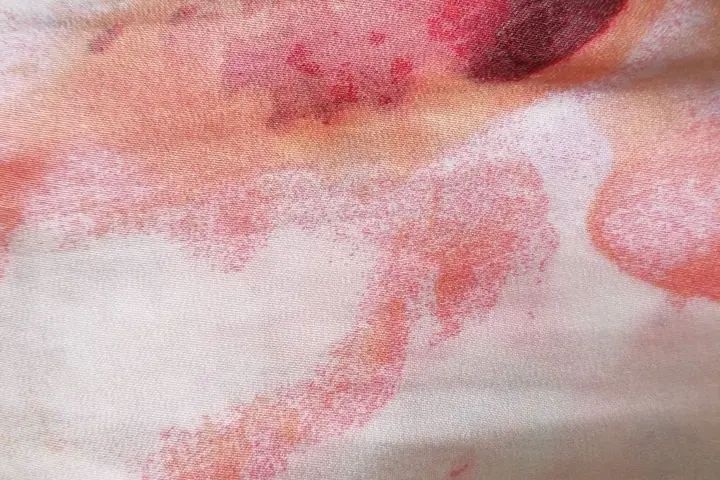
Seeing a poop stain can send your stress levels soaring. I completely understand. Before you do anything, take a breath and assess. I use a simple “Panic-Level” scale from 1 to 10. A fresh stain on a dark towel might be a 2. Dried, set-in diarrhea on a white cotton onesie? That’s a solid 10.
You have a golden window for action. The first 30 minutes to an hour are critical before the stain bonds with the fabric. I missed this window once with Jason’s soccer jersey. He had a post-game accident, and I got distracted. That extra time let the stain set into a much tougher challenge.
Your immediate first-aid is straightforward. Isolate the item from other laundry. Gently scrape off any solid matter. The biggest mistake is reaching for hot water right away. Heat sets the proteins in feces, making the stain nearly permanent. This falls under the broader topic of removing biological stains from fabric.
Acting quickly with the right first steps turns a crisis into a manageable chore.
The Poop Stain Panic Meter
Let’s define the scale. A Level 10 stain is dried, set-in, and on a light, delicate fabric. A Level 1 is a minor, fresh smudge on something dark and durable. The good news? Most fresh stains from babies or adults fall into a manageable Level 3 to 5.
Fresh stains are almost always easier to handle, so don’t let initial panic take over.
Your Stain Removal Toolkit: What to Grab First
Speed matters, so have these essentials ready. I keep a dedicated plastic basket under my laundry sink for stain emergencies.
- A dull butter knife or an old plastic spatula for scraping.
- Access to cold water.
- An enzyme-based cleaner or a clear liquid laundry detergent.
- A stack of clean, white cloths or paper towels.
This kit has saved me during countless messes, from Jessica’s diaper leaks to Peeta’s muddy adventures. You don’t need fancy gear, just the right basics.
The Step-by-Step Guide to Remove Fresh Poop Stains
Here is your clear, numbered sequence for how to clean feces from clothes. This method works for both adult fecal matter and baby diarrhea stains.
This guide focuses on how to pre-treat poop stains effectively before they set.
Step 1: The Gentle Scrape
Use the dull edge of your knife or spatula to gently lift off any solid waste. Scrape from the outside of the stain toward the center. Avoid rubbing or grinding it deeper into the fibers.
I think of it like handling Peeta’s muddy paws. I scrape off the big clods of dirt at the door before he tracks it all over the carpet. The same principle applies here.
Removing solids first makes the liquid stain much easier to tackle.
Step 2: The Cold Water Flush
Hold the stained fabric under a stream of cold, running water. Position it so the water hits the backside of the stain. This pushes the soil out through the way it came in.
For a heavy stain or diarrhea, soak the item in a basin of cold water for 20 minutes after rinsing. For a lighter smear, a thorough cold rinse is often enough. This is the first answer to how do you wash poop out of clothes.
Cold water is essential here because heat will cook the proteins into the fabric.
Step 3: Apply Your Stain Fighter
After flushing, apply your cleaner. For enzyme cleaners, follow the bottle directions-they need time to break down the organic matter. For liquid detergent or my favorite, a drop of blue Dawn dish soap, dab it onto the stain and gently work it in from the edges.
This is how to use enzyme cleaners for poop stains: let them sit on the damp fabric for 10-15 minutes before washing. The enzymes eat away at the stain components. I trust Dawn for its powerful grease-cutting action, which handles the fatty parts of the stain.
Working the cleaner in from the edges inward contains the stain and prevents it from spreading.
Step 4: The First Wash
Now, wash the item alone or with similar colors. Use the hottest water temperature that is safe for the fabric. This sanitizes and removes the last of the cleaning agents from the fabric.
This directly answers “Should you use hot or cold water for poop stains?” Start cold to treat, finish hot to wash. But don’t use heat initially for stain removal. Never put the item in the dryer until you’ve checked it. Air dry it completely first. Heat from the dryer will permanently set any leftover stain.
Always air dry after washing to confirm the stain is truly gone before using any heat.
When the Stain is Dry or Set-In: Advanced Tactics
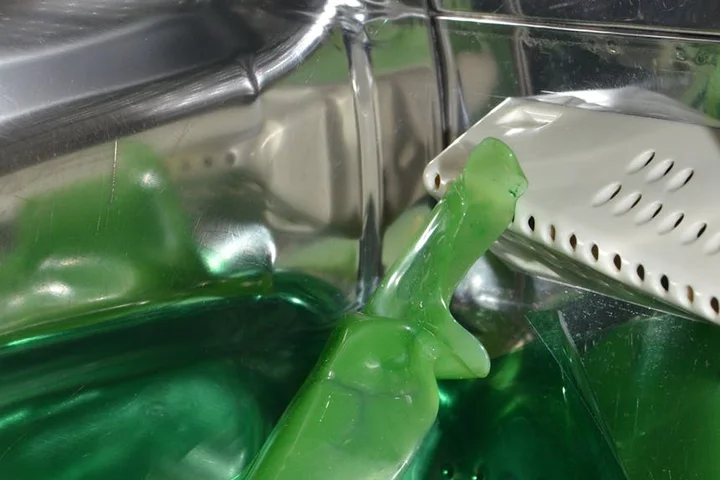
Did you find a stain after the laundry was done? I have.
So are poop stains permanent? Most are not. But a dried, set-in stain needs a different plan. You must soften it up first.
The best way to treat a dried poop stain is to rehydrate it with a targeted paste, then follow with a long soak if needed.
Rehydrating a Dried Poop Stain
Think of the dried stain like old glue. You need to get moisture back into the fibers to lift it out.
My go-to is an oxygen-based bleach paste. I use OxiClean Versatile Stain Remover powder.
- Mix one tablespoon of powder with just enough cool water to make a thick paste, like cake frosting.
- Spread this paste over the entire stain, ensuring it’s fully covered.
- Let it sit for at least one hour, or even overnight for a really tough stain.
- The paste will slowly draw the stain particles to the surface as it dries.
- Scrape off the dried paste, then launder as usual with your regular detergent.
This method works because the oxygen bleach breaks down the organic matter while the paste consistency keeps the treatment right where you need it.
My Aunt Jessica in Arizona swears by a different trick for old stains on Roger’s work jeans. She makes a paste with baking soda and a few drops of 3% hydrogen peroxide. She says the fizzing action helps lift the stain. It works, but I find the oxygen bleach powder more reliable for set-in color. This is especially true for grease stains on pants and jeans.
The Last-Resort Soak
If the paste trick doesn’t work, it’s time for a marathon soak. This gives enzymes or oxygen bleach time to completely dismantle the stain.
- Fill a bucket or clean sink with cool water.
- Add the recommended amount of an enzyme cleaner (like Biokleen Bac-Out) or oxygen bleach (like OxiClean).
- Submerge the stained item completely.
- Let it soak for 8 to 24 hours.
- After soaking, drain the water and wash the item normally.
Always check if your fabric is colorfast before a long soak to avoid a bigger problem.
I learned this with one of my favorite colored t-shirts. I soaked it in an oxygen bleach solution without testing and it came out with faded, blotchy patches. Now, I dab a bit of the mixed solution on a hidden seam, wait 10 minutes, and blot it dry to check for color loss.
Surface Compatibility: Treating Poop on Different Materials
Not all fabrics and surfaces can handle the same treatment. This quick guide helps you pick the right method.
| Material | Safe First Steps | What to Avoid |
| Cotton, Polyester, Denim (Sturdy Fabrics) | Scrape, cold rinse, enzyme spray, oxygen bleach soak. All methods are safe. | Using hot water initially, as it can set protein stains. |
| White Clothes | All the above, plus a final wash with chlorine bleach (if fabric allows) for sanitation. | Chlorine bleach on spandex or elastic. Check care labels. |
| Colored Clothes | Stick with enzyme cleaners and oxygen bleach (color-safe). Do a colorfastness test first. | Chlorine bleach, as it will remove the dye and ruin the color. |
| Delicate Fabrics (see warning below) | Gentle blotting, mild enzyme spray, and professional dry cleaning advice. | Rubbing, strong oxidizers, and long soaks. |
| Carpet & Upholstery | Blot, apply enzyme cleaner, blot, extract with water. | Scrubbing, which grinds the stain deeper into the fibers. |
How to Get Baby Poop and Diarrhea Out of Clothes
Baby stains have their own challenges. They are often looser and almost always paired with a greasy barrier of diaper cream.
That cream is the real trick. It repels water and can leave a greasy ring even after the poop is gone.
To get diaper cream out of clothes, you need to break down the oil first with a degreaser.
Here is my method for a classic baby blowout:
- Scrape off any solid matter with a dull knife.
- Rinse the stain from the back with cold water.
- Apply a small dot of clear dish soap (like Dawn) or rub a bit of coconut oil directly onto the greasy part of the stain. This breaks the oil barrier.
- Let it sit for 5 minutes.
- Then, treat the whole area with an enzyme spray. Baby poop is full of digestive enzymes, so fighting fire with fire works.
- Wash in the warmest water safe for the fabric with your regular detergent.
When my daughter Jessica was a newborn, her tiny sleepers were constantly stained. I kept a spray bottle of diluted enzyme cleaner and a jar of coconut oil right in her changing area for immediate pre-treatment. It saved so many outfits.
Adult Fecal Stains on Clothing
Adult stains require the same mechanical cleaning steps, but with a heavier emphasis on sanitation. The bacterial load is typically higher.
Follow all the initial steps: scrape, cold rinse, enzyme treat.
For adult fecal stains, your final wash must include a disinfectant to ensure the item is truly clean and safe.
For white, bleach-safe cottons, I add ¾ cup of chlorine bleach to the bleach dispenser in my washer. For colored fabrics, I use a pine oil disinfectant (like Pine-Sol) in the wash cycle. About ½ cup does the job. It leaves a clean scent and kills germs without harming colors.
Delicate Fabrics: Proceed with Caution
Some fabrics are too fragile for aggressive treatment.
Material Red Flags: Silk, wool, rayon, dry-clean only items, and anything labeled “hand wash only.”
For these, your best first step is to gently blot away any residue with a damp, cool cloth. Then, use a very mild enzyme spray on a hidden test patch. If there’s no color transfer or damage, apply a tiny amount to the stain, let it sit for 10 minutes, and gently dab with a damp cloth.
My rule is simple: when in doubt, take it to a professional dry cleaner and point out the stain. Tell them what it is.
I learned this after a delicate viscose blouse of mine was ruined. I treated what I thought was a food stain with a paste, only to find the fabric had become weak and distorted where I applied it. The care label said “Dry Clean Only” for a reason. Now I always check first.
Beyond Clothing: Carpets, Cars, and Hard Floors
The core principles travel with you: remove solids, use enzymes, avoid heat.
For carpets and car interiors (like in Roger’s truck after hunting with Peeta), I blot, never rub. I use an enzyme spray made for upholstery. After letting it work, I use a carpet extractor or a wet-dry vacuum with clean water to rinse and pull the mess out of the fibers.
For driveways or patios, I hose off as much as possible. Then, I use a biodegradable outdoor enzyme cleaner, spray it on, and let the sun and rain help with the rest. These cleaners are great for pet accidents outdoors, too.
For any surface, acting quickly and using an enzyme-based cleaner is your most reliable path to a clean result.
Post-Treatment Recovery: Odors, Drying, and Final Checks
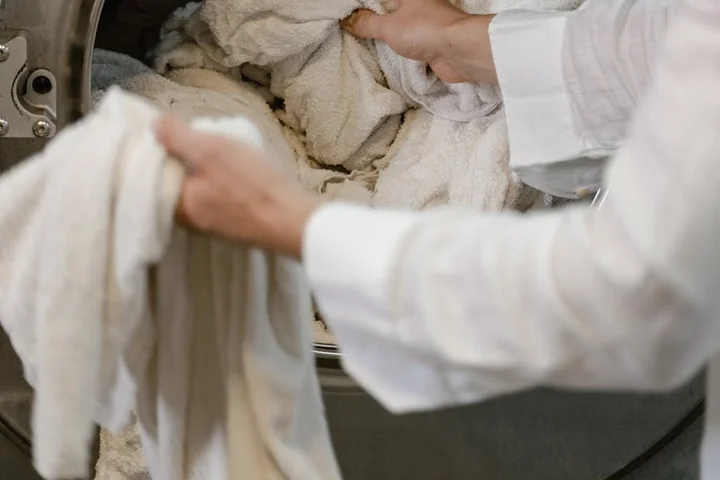
You’ve treated the stain. Now it’s time for the final, crucial steps that ensure the job is complete.
Washing clothes after treating poop stains requires a specific approach. I always use a normal wash cycle with my regular detergent, but on a warm or hot setting (check the care label first).
The heat of the wash helps sanitize the fabric and removes any lingering treatment residue.
For drying, I follow a simple rule. I always air dry the item first, away from direct sunlight for colored fabrics to prevent fading.
Banishing Persistent Odors
Sometimes, even after washing, a faint odor lingers. This doesn’t mean you failed. It just means you need an odor-neutralizing boost.
My mother-in-law, Brianna, swears by a method from her Southern Texas home. She adds one cup of plain white vinegar to the fabric softener dispenser or directly into the drum during the rinse cycle.
The vinegar acts as a natural deodorizer, breaking down odor molecules without leaving a vinegary smell behind.
Another option is to sprinkle a quarter cup of baking soda directly into the drum with your detergent at the start of the wash. Both methods are safe, non-toxic, and highly effective for freshening fabrics.
The All-Important Stain Check Before the Dryer
This step is non-negotiable. The heat from your dryer will permanently set any stain you missed.
After air drying the item, I take it to a bright window or hold it under a strong light. I look closely at the previously stained area for any shadow, ring, or slight discoloration.
If you see even a faint shadow, do not put it in the dryer. Repeat the stain treatment process from the beginning.
Only when the fabric looks completely clean and uniform when damp should you feel safe to tumble dry.
The Science of Poop Stains: Your Chemistry Corner
Understanding what you’re dealing with makes removal less mysterious and more successful. Think of a poop stain as a three-part challenge. Over time, stain-removal techniques have evolved—from simple soaps to specialized enzymatic cleaners—advancing our ability to tackle these stains. This evolution helps explain which approaches tend to work best today.
It is primarily a combination of protein-based and fat-based stains. There can also be dye-based stains from artificial food colorings.
Cold water first is key because hot water can cook the proteins, making them bind tightly to the fabric fibers. Starting with cold water keeps the stain soluble and easier to lift away. This tiny choice kicks off a quick water-temperature stain removal science breakdown. In the next steps, we’ll look at how temperature alters protein stains and dye residues.
Enzymes in many detergents and dedicated stain removers are your best friends here. I like to picture them as tiny Pac-Man characters. They actively seek out and break apart the complex protein and fat molecules, turning a big, stubborn stain into small, washable pieces. This makes them particularly effective on protein, oil, and starch stains.
Why Household Products Work
You might wonder what household products remove poop stains and why. The answer is in basic chemistry you already own.
Dish soap, like Dawn, is a degreaser. Its job is to break down fats and oils, which is exactly what it does to the fatty part of the stain.
Hydrogen peroxide and oxygen-based bleaches (like OxiClean) are oxidizers. In my own tests, I find they perform similarly on organic stains. They work by breaking chemical bonds in stain molecules, effectively bleaching them away. Hydrogen peroxide is a liquid reactant, while powdered oxygen bleach needs to dissolve and activate, but they target stains with the same type of chemical action. Safety matters—follow label directions to protect skin and fabrics. And when weighing OxiClean vs hydrogen peroxide, consider fabric type and stain to avoid unintended damage.
Material Red Flags: What Never to Use
Some actions can make the problem much worse. Always remember these red flags.
Never use hot water as your first rinse on a poop stain. As I mentioned, it sets proteins.
Avoid chlorine bleach on colored fabrics or materials you haven’t tested. It can cause permanent dye removal or yellowing. Chlorine bleach is also very harsh on fabric fibers and should be a last resort, not a first step, especially when you’re trying to remove dye stains from clothes.
My most critical warning is about mixing cleaners. Never, ever mix chlorine bleach with ammonia, vinegar, or any other acid. This creates dangerous, toxic gases. Always use one cleaning agent at a time and rinse thoroughly between products.
FAQ about Removing Poop Stains from Clothes
How do I get rid of the odor after the stain is gone?
Add one cup of white vinegar to the rinse cycle or a 1/4 cup of baking soda with your detergent at the start of the wash. These natural deodorizers neutralize odor molecules without leaving a strong scent behind.
Are poop stains permanent if I’ve already dried the clothing?
Not necessarily, but the dryer’s heat sets the stain, making removal harder. Re-treat the area with an oxygen bleach paste for several hours, then wash again, always air-drying to check your results before using any heat.
What is the safest way to treat a poop stain on silk or wool?
Gently blot the area with a cool, damp cloth and take it to a professional dry cleaner, pointing out the stain. For a DIY attempt, test a mild enzyme spray on a hidden seam first, then dab a tiny amount on the stain, but professional cleaning is often the safest bet for delicate fabrics, especially when dealing with stubborn stains on outerwear.
Can I use vinegar directly on a fresh poop stain to break it down?
No, do not apply vinegar directly to a fresh stain. Vinegar is an acid that can set protein-based stains, making them harder to remove. Always start with cold water and use an enzyme cleaner or detergent designed for organic matter.
The stain is gone but there’s a faint ring or shadow. What now?
This is often leftover grease or cleaning residue. Apply a drop of clear dish soap directly to the ring, gently work it in, and wash the item again. Do not put it in the dryer until the ring has completely disappeared after air-drying.
Keeping Your Clothes Clean and Fresh
Your best move against poop stains is to rinse them with cold water right away and apply an enzyme cleaner. This quick action stops stains from setting and breaks down the proteins and fats completely. I use this exact method after messy incidents with my kids or Peeta, and I share all my real-life stain solutions right here on Stain Wiki.
Written by Suzanne Rosi Beringer. Suzanne is an accomplished chemist, laundry expert and proud mom. She knows the science and chemistry of stains and has personally deal with all kinds of stains such as oil, grease, food and others. She brings her chemistry knowledge and degree expertise to explain and decode the science of stain removal, along with her decades long experience of stain removal. She has tried almost everything and is an expert on professional and DIY stain removal from clothes, fabric, carpet, leather and any other items dearest to you.