How Do You Use Baking Soda to Remove Stains from Carpets?
That dreaded stain on your carpet doesn’t have to mean a frantic search for harsh chemicals. For many common spills, a simple paste of baking soda and water can lift the stain safely and without a fuss.
Here’s exactly what I’ll share with you from my own cleaning tests:
- Why baking soda works so well on carpet fibers and stains
- The exact step-by-step method I use on everything from juice to mud
- How to tweak the method for set-in or oily stains
- My vacuuming trick to leave no powdery residue behind
- When baking soda isn’t the right tool for the job
I’ve trusted baking soda for years to handle messes from my dog Peeta and my kids’ endless adventures.
Your Stain Situation: Panic Level & First Response
Spills happen fast. I remember Jason running in from soccer, tracking mud, and Jessica tipping her juice box in the same minute. Your first reaction sets the stage for an easy cleanup or a long battle.
For common food or mud stains, I rate the panic a 3 out of 10. It’s a nuisance, not a disaster. For pet urine or red wine, that jumps to a 6. The “golden window” for liquid stains is about 15 minutes before they soak deep into the carpet pad.
On-the-Go Emergency Fix
You’re not always near your cleaning cupboard. Get creative. A thick wad of paper towels and a salt packet from a cafeteria can soak up a fresh spill. Club soda is great for soda stains if you have it. My Aunt Jessica taught me that trick after a wine spill.
The Absolute First Step
No matter the stain, do this first. Grab a clean, white cloth. Blot, don’t rub. Rushing with a scrubbing motion grinds the stain deeper into the carpet fibers. Press down firmly and lift to pull the moisture up. Especially when it’s on rental carpet, as it requires extra care.
Surface Compatibility Chart
Baking soda is versatile, but you use it a bit differently. Here’s a quick guide from my tests around the house.
| Surface | How to Use Baking Soda |
|---|---|
| Carpet | Primary focus. You can blot firmly and apply pastes directly. |
| Upholstery | Use gentler blotting first. Test paste on a hidden seam. |
| Mattress | Similar to carpet. Crucial for fresh urine or food stains. |
| Hard Surfaces | A paste works well on sealed tile or grout. Avoid unsealed stone. |
Why Baking Soda is Your Carpet’s Best Friend
I keep a giant box in my laundry room. It’s not for cookies. Baking soda is a mild abrasive, a powerful deodorizer, and a thirsty moisture absorber. Think of it like a dry sponge for oily spills.
What Types of Stains is Baking Soda Most Effective On?
From my countless cleanups, baking soda tackles these best.
- Food & Drink Stains
- This includes ketchup, coffee, and juice. For cola stains, baking soda lifts the sticky sugar and tackles the brown color. I used it after Edward’s birthday party when coke soaked into the living room rug.
- Greasy Stains
- Cooking oil, butter, or some makeup. The fine grains help break up the grease so you can blot it away.
- Mud & Dirt
- Let the mud dry completely first. Vacuum up the crusty bits, then use a baking soda paste for any lingering grime.
- Odor-Based Stains
- For fresh pet accidents, it’s a first responder. It soaks up moisture and fights the smell. This is for new urine, not old, set-in stains that need enzyme cleaners.
Stains Where Baking Soda is Just a Helper
Baking soda isn’t a magic wand for everything. For blood, you must use cold water first. Baking soda helps with final odor removal. The same goes for ink or permanent dye stains. It’s your cleanup crew, not your first strike.
The Core Method: Your Step-by-Step Guide to the Baking Soda Paste

This method is my go-to for most common carpet stains. It is gentle, effective, and you likely have everything you need in your kitchen right now. When treating stains on carpets or clothing, it’s always best to use appropriate stain removal methods tailored to the material.
What You’ll Need
Gather these items first. Being prepared makes the whole process smoother.
- A box of baking soda (sodium bicarbonate).
- A small bowl and a spoon for mixing.
- Clean, white cloths or paper towels for blotting.
- Your vacuum cleaner with a clean, dry brush attachment.
- An optional spray bottle filled with cool water.
How Do You Prepare the Baking Soda Paste?
The ratio is simple. I use three parts baking soda to one part cool water.
Start with three tablespoons of baking soda and one tablespoon of water. Mix it with your spoon until it forms a thick, spreadable paste.
The perfect consistency is like chunky peanut butter or wet sand that holds its shape. If it is too runny, add more baking soda. For a dried, crusty stain, a slightly thinner paste can seep in better.
Step 1: Prep and Apply
Do not skip prep work. It sets the stage for success.
For a fresh, wet stain, press a clean white cloth down firmly to soak up as much liquid as you can. Do not rub. Rubbing pushes the stain deeper into the carpet pad. If the stain seeps through to the carpet padding, you may need to treat the padding as well. The next steps will explain stain removal for carpet padding for spills that go through.
If the stain is already dry, like a forgotten jelly smudge from Jessica, I use the edge of a butter knife to gently scrape off any crusty bits. This gives the paste a cleaner surface to work on. It’s especially helpful when dealing with berry stains on fabric.
Apply the paste directly over the stain using your spoon, then use the back of the spoon to gently work it into the carpet fibers. Think of a light brushing or massaging motion. You want to coat the stained fibers, not just pile paste on top.
Step 2: The Waiting Game
This is where baking soda does its magic. It needs time to absorb and lift.
How long should you let the baking soda sit on the stain? It depends on the stain’s age and type.
For a fresh coffee spill or juice, 15 to 30 minutes is often enough. For greasy stains like gravy or oily food, or for smells (think spilled milk), let it sit for several hours or even overnight.
Last week, Roger dropped a dollop of beef stew on the rug. I applied the paste, left it while we ate dinner and cleaned up, and came back two hours later. The paste had pulled up a noticeable brown ring from the fibers.
Step 3: Removal and Assessment
Do not vacuum up wet paste. Patience is key here, too.
Let the paste dry completely. It will turn from a paste into a light, powdery crust. This can take an hour or more, depending on how thick you applied it and your home’s humidity.
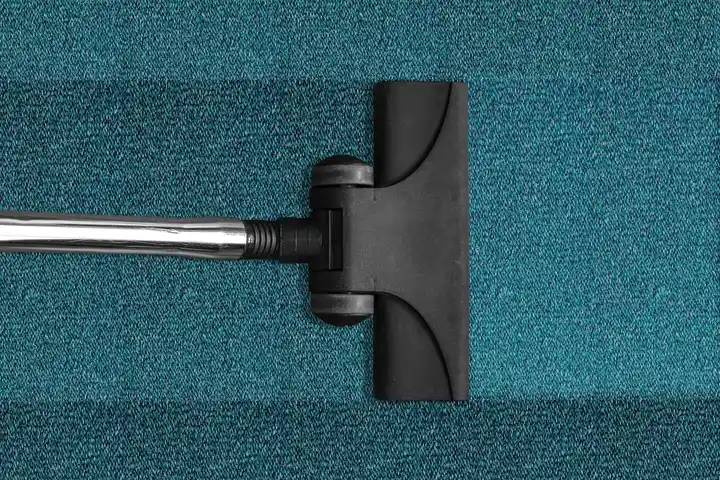
What is the process for vacuuming up the baking soda? Go slow. Use the dry brush attachment on your vacuum.
Vacuum over the area slowly in multiple directions-north to south, then east to west. This ensures you lift all the powder from between the fibers. You might need to go over it a few times. This is how you get baking soda out of carpet fully.
Once the powder is gone, look at the spot. If a faint shadow or outline remains, do not worry. Simply repeat the paste process. A second, shorter application often lifts the last bit of discoloration.
I find that this patient, repeated approach works better than reaching for a harsh chemical spray that might damage the carpet dye or leave a sticky residue.
Pro-Tips for Specific Stains and Situations
The basic paste works on most things, but some stains need a tweak in your approach.
For Sticky Soda or Juice Stains
These sugary spills can leave a syrupy film if you are not careful.
Flush the area with a small amount of cool water from your spray bottle and blot it up aggressively before you make your paste. This dilutes the sugar and prevents it from hardening into a sticky spot that attracts more dirt later.
For Grease Spots
Cooking oil, butter, or salad dressing needs a two-part attack.
Sprinkle a generous layer of dry baking soda directly onto the grease spot. Let it sit for an hour to absorb the oil. You will see it start to look clumpy or discolored.
Vacuum that up completely. Then, follow up with the standard baking soda paste to lift any remaining discoloration from the carpet fibers. If the stain is from bleach, these steps can help minimize the contrast while you search for a color-restoration option. Bleach stains may require specialized restoration to fully even out the color.
For Overall Carpet Freshening
You can sprinkle a light, even layer of plain baking soda over your carpet, let it sit for 15 minutes, and then vacuum.
It absorbs odors from pets, cooking, and daily life. My mom, Martha, taught me this trick. Just be cautious in very humid climates, as leaving baking soda on damp carpet for too long can sometimes lead to clumping in the vacuum.
What Helped Me (Pro-Tip)
My golden lab, Peeta, is a pro at tracking in muddy paw prints.
My first instinct was to clean them while wet, but that just made a bigger, browner smear. Now, I let the mud prints dry completely overnight.
I vacuum up all the loose, dry dirt first. Then, I apply the baking soda paste. The key tool for me is a stiff-bristled brush, like a clean, old toothbrush, to work the paste deep into the looped fibers of my berber carpet without fraying them. It makes all the difference for ground-in dirt.
Safety, Testing, and “What Not to Do”

Are There Any Precautions to Take Before Using Baking Soda on a Carpet?
Baking soda is gentle, but it’s not magic dust you can sprinkle on everything without a thought. A little caution saves a lot of heartache later.
My aunt Jessica learned this the hard way with a vintage throw rug. A few simple checks can protect your carpet.
Material Red Flags
Most carpets and rugs are fine, but some materials need kid-glove treatment.
I’m very careful with very delicate natural fibers like silk or antique oriental rugs. The abrasiveness of even a baking soda paste can damage the fine threads.
Your first stop should always be the manufacturer’s tag or care instructions.
If it says “dry clean only,” respect that. For heirlooms or expensive pieces, I always recommend consulting a professional cleaner first.
The Non-Negotiable Test Patch
Never skip this step. I don’t care if the spill is huge and your toddler is crying. Take 60 seconds.
Mix a tiny bit of your baking soda paste. Apply it to a totally hidden area. I check inside a closet, under a couch, or on a clipped-off sample if you have one.
Let it dry completely, then vacuum and inspect for any color change or texture difference.
This tells you if your carpet’s dye is colorfast and if the fibers can handle the moisture. It prevented a disaster when my son Jason tracked in red mud on our new beige hallway runner.
Never-Use Combos
You might see this “hack” online. Do not mix baking soda paste with vinegar directly on your carpet to clean a stain. Understanding how baking soda vs white vinegar stains behave can help you choose the best method. In the next steps, we’ll compare baking soda vs white vinegar stains to guide you toward the right approach.
The fizzing reaction is fun for a science fair. On your carpet, it just creates salty water that soaks deep into the pad.
This often leaves a worse, crusty stain that attracts more dirt over time.
If you want to use vinegar for odors, use it separately, well-diluted, and only after you’re sure the carpet can handle it.
Vacuum Cleaner Care
Baking soda powder is very fine. My old, budget-friendly vacuum used to choke on it.
If your vacuum has a foam or cloth filter, the powder can clog it fast, reducing suction.
Before you vacuum up any dry baking soda, check and clean your vacuum’s filter.
For large applications, vacuum in stages and empty the canister or change the bag more often. My newer model handles it better, but I’m still cautious.
Safe DIY Alternatives if Baking Soda Fails
Baking soda is my first line of defense. When it doesn’t do the trick, I move to these other kitchen-safe options.
- Cornstarch for Grease: For my husband Roger’s gear oil stain or a butter spill, cornstarch is a champion. It absorbs grease without water. Sprinkle it on thick, let it sit for an hour, then vacuum.
- Dish Soap and Hydrogen Peroxide: For organic stains like wine (Aunt Jessica’s specialty), blood, or fruit juice, this combo can work wonders. Mix a drop of clear dish soap with a tablespoon of 3% hydrogen peroxide. Test this on a hidden spot first, as peroxide can lighten some dyes. Apply, blot, and rinse.
- Plain Club Soda: For a fresh red soda spill, club soda is fantastic. The carbonation helps lift the stain. Pour it on, blot from the edges in, and repeat. It’s my go-to for immediate action before a paste treatment.
Baking Soda vs. Other Cleaners: When to Call for Backup
Baking Soda vs. Commercial Carpet Cleaners
I keep both in my house. They’re tools for different jobs.
Baking soda is my “first responder.” It’s non-toxic, cheap, and brilliant for odors and fresh, simple stains. I use it on my dog Peeta’s little accidents or a tracked-in dirt smudge. It’s always a key part of my emergency odor kit for pet accidents and spills.
Commercial cleaners are the specialized troops you call for tougher battles.
They have powerful surfactants and solvents designed for deep-set stains like ink, tough pet stains, or old coffee rings. They’re more aggressive. For a protein-based stain (think baby food or milk that’s been sitting), an enzymatic commercial cleaner will often outperform baking soda.
Baking Soda vs. Renting a Machine
I bought a carpet shampooer five years ago. It was a game-changer for overall cleaning.
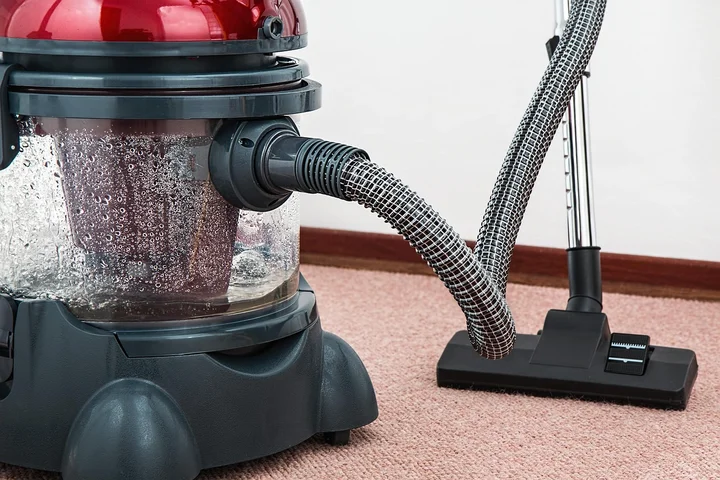
For a large area, deep-down grime, or cleaning the whole room, a machine is superior. It injects cleaning solution and sucks the dirty water back out.
Baking soda is for spot treatment; a machine is for the whole battlefield.
If Jason and his buddy Edward have tromped mud across the entire living room, I get the machine out. For one chocolate smear, I reach for the baking soda box.
When to Stop DIY and Call a Pro
Knowing when to call for help is a sign of a smart cleaner, not a failed one. Here’s when I pick up the phone.
- Very Old, Set-In Stains: If a stain has been there for months or years and survived your best DIY efforts, a pro has stronger tools and extraction power.
- Large Flood Damage: If a pipe bursts or a major spill soaks the carpet and pad, you need professional drying to prevent mold. My mom Martha had this happen in North Texas.
- Carpets with an Unknown History: If you move into a home with old carpet, you don’t know what cleaners were used before. A pro can assess it safely.
- You’ve Tried Everything Safely: If you’ve done your test patches, used your baking soda, and tried a couple safe alternatives and the stain is still glaring at you, stop. Further experimentation might set it permanently.
FAQ about Using Baking Soda on Carpet Stains
What if my baking soda paste is too runny or too dry?
For a runny paste, simply mix in more baking soda until it reaches a thick, spreadable consistency. If it’s too dry and crumbly, add a few drops of water and stir until it holds together like wet sand.
Can I use baking soda on red wine or pet urine stains?
For fresh stains, baking soda is an excellent first step to absorb the liquid and neutralize odors. For set-in or old biological stains, you will likely need a specialized enzymatic cleaner after the initial baking soda treatment. Enzymatic cleaners are designed to break down proteins in biological stains.
Is it safe to leave baking soda on a stain overnight?
Yes, leaving it overnight is often beneficial for tough, greasy, or odorous stains. Just ensure the paste is completely dry before you vacuum it up to prevent any moisture from lingering in the carpet pad.
What’s the best way to ensure all baking soda residue is vacuumed up?
Use a dry brush attachment and vacuum slowly in multiple directions over the area. For high-pile carpets, gently brush the fibers with your fingers first to loosen any powder trapped deep within.
Are there any carpet types or materials where I should avoid baking soda?
Avoid using pastes on delicate, natural fibers like silk or antique rugs, as even mild abrasives can damage them. Always perform a test patch in a hidden area first to check for colorfastness.
Maintaining Your Carpet After Baking Soda Use
Always let the baking soda sit until it’s completely dry to pull out the stain and odor effectively. Then, vacuum it up thoroughly so no gritty residue remains to attract new dirt. I share all my family-tested methods, like how I handle Peeta’s muddy paws, on the Stain Wiki blog for more reliable tips.
Written by Suzanne Rosi Beringer. Suzanne is an accomplished chemist, laundry expert and proud mom. She knows the science and chemistry of stains and has personally deal with all kinds of stains such as oil, grease, food and others. She brings her chemistry knowledge and degree expertise to explain and decode the science of stain removal, along with her decades long experience of stain removal. She has tried almost everything and is an expert on professional and DIY stain removal from clothes, fabric, carpet, leather and any other items dearest to you.