How to Remove Blood Stains from Furniture Upholstery?
Just noticed a fresh blood stain on your couch? Don’t worry. Grab a clean cloth and some cold water right now-rushing to blot it is the single most important step you can take.
I’ll guide you through a reliable cleanup that works. This article covers:
- Why your immediate reaction should never involve hot water or harsh scrubbing.
- The simple, two-part cleaning paste I mix from kitchen staples for fresh stains.
- How to adjust your approach for different fabrics, like the microfiber on our living room sofa.
- A gentle method for old, set-in stains that my aunt Jessica taught me.
- The final drying trick that prevents water marks and keeps your upholstery looking fresh.
I’ve tested these methods after everything from my son Jason’s knee scrapes to cleaning up after our labrador, Peeta.
Panic-Level Assessment: Your Golden Window for Action
First, don’t panic. I’ve cleaned blood from my couch after Jason’s scraped knee and from my car seat after a fishing trip with Roger. It happens.
Rate your panic. Fresh blood is about a 4. It’s visible, but you have control if you act fast. Dried blood jumps to a 7. It’s a challenge, but I’ve fixed stains my mom, Martha, thought were ruined.
Your Golden Window is real. For fresh blood, you have 10 to 15 minutes before it starts bonding with the fibers. This clock starts ticking whether it’s on your suede chair or your car’s cloth seats.
Your first and most critical move is to grab a clean white cloth and cold water, then blot-never scrub.
That immediate blotting pulls the stain out instead of grinding it in. This simple step applies to every fabric you sit on.
Chemistry Corner: Why Blood Stains Bind to Fabric
Think of blood like egg yolk or milk. It’s a protein-based stain. Proteins behave in a specific, tricky way with heat.
Using hot water is the worst thing you can do. I learned this the hard way years ago on a favorite shirt. Heat denatures the proteins, essentially cooking them into the fabric’s fibers like an egg solidifying in a pan. Once that happens, the stain becomes permanent.
Cold water is your friend because it keeps those proteins suspended and loose, allowing you to lift them away.
Your cleaning agents target different parts of the stain. Plain dish soap breaks down any fatty components. Hydrogen peroxide safely oxidizes and lifts the colored part of the stain. An enzyme-based cleaner, like what I use on Peeta’s messes, breaks the proteins down at a molecular level.
So, why avoid hot water? It cooks the stain into a permanent bond. Always start cold. Hot versus cold water stain removal hinges on timing—cold is the default first move for fresh stains. Heat is a last resort, used only when the label permits. My aunt Jessica swears by this for her white carpets, and she’s usually right.
Your First, Best Move: How to Blot a Blood Stain Correctly
I know the instinct. You see that red spot and your brain screams “scrub it out!” Fight that feeling. Rubbing a blood stain is the absolute worst thing you can do. You’ll grind the proteins deeper into the fabric fibers and spread the mess over a wider area. Instead, use enzymatic cleaners designed for blood protein stains.
Your goal is to lift the stain away, not mash it in. For this, you need two simple tools.
- Clean, white cloths or a stack of plain white paper towels.
- A bowl of cold water.
Colorful or printed cloths can transfer dye. White lets you see what you’re removing.
Here’s my exact process for cleaning stains from suede. Dip the corner of one cloth in cold water and wring it out so it’s just damp. Start dabbing at the very outer edge of the stain.
Blotting from the outside in creates a barrier, preventing the stain from spreading into clean fabric like a ripple in a pond.
Press down firmly, lift straight up. Move your cloth to a clean spot frequently. You’ll see the blood transfer onto the cloth. Keep a second dry cloth handy to blot up the moisture you’re leaving behind. This immediate action stops the stain from bonding with the fabric, making the next cleaning steps much easier, especially when a stain is on delicate fabric like underwear.
I learned this the hard way. My son Jason came in from soccer practice, plopped onto our light beige couch, and then we both noticed the nosebleed. My first panic-rub made a faint pink smear. Taking a breath, I grabbed paper towels and cold water. Gentle, patient blotting lifted almost all of it right then, leaving just a tiny spot to treat later.
How to Get Fresh Blood Out of Upholstery: A Calm, Step-by-Step Guide
You found the stain quickly. That’s great. Fresh blood is far easier to manage. Let’s walk through the process for getting blood out of couch fabric right now.
Step 1: The Non-Negotiable Hidden Test
Before you put any cleaning solution on the visible stain, you must test it. Find a hidden spot-under a cushion, on a side seam, behind a skirt. Apply a tiny drop of your planned solution and blot it dry.
This test checks for color bleeding or fabric damage, saving you from a much bigger problem than the original stain.
Wait a few minutes. If the color looks unchanged and the fabric feels fine, you’re clear to proceed.
Step 2: Blot with Cold Water
Yes, cold water alone can be surprisingly effective on fresh blood. Warm or hot water will cook the proteins in the blood, setting the stain permanently. Always use cold.
Follow the blotting method I described above. Use a cloth dampened with cold water, then follow with a dry cloth to absorb the liquid. Repeat until no more blood transfers to your cloth.
Step 3: Apply a Mild Soap Solution
If plain water isn’t enough, it’s time for a gentle cleaner. I use clear, dye-free dish soap. My go-to mix is 1 teaspoon of soap to 2 cups of cold water.
Whisk it in a bowl to create mild suds. Dip a clean white cloth into just the sudsy part, not the watery solution underneath. Gently dab it onto the stain.
Step 4: Rinse and Dry
You can’t leave soap in the fabric. Take a new cloth, dampen it with plain cold water, and dab the area to rinse. Follow immediately with a dry cloth to blot up all that moisture.
Thorough rinsing and drying prevents a soapy residue from attracting more dirt later, which can look like a new stain.
Let the area air dry completely. You can point a fan at it to speed things up.
Step 5: What If a Stain Remains?
Sometimes, a faint shadow or outline lingers. Don’t be discouraged. This just means the proteins need a different approach.
For a persistent mark, you would move to a targeted protein-breaking treatment. A hydrogen peroxide solution (always diluted and tested) or an enzyme-based cleaner are my next logical choices. These break down what soap and water can’t lift.
How to Get Dried Blood Stains Out of Upholstery
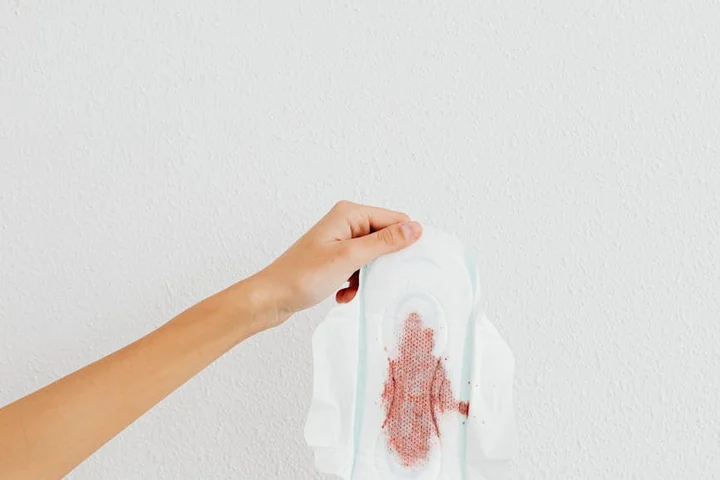
Dried blood is tougher to lift than a fresh stain. I get it. The first time Jason scraped his knee and left a rusty mark on our light beige linen sofa, I panicked. But with patience and the right steps, you can still save the fabric.
Here is the process I swear by for dried stains.
Step 1: Gentle Removal of Flakes
Use a dull butter knife or the edge of a spoon. Hold it almost flat against the fabric.
Gently scrape to flick away any loose, crusty bits without grinding them deeper into the weave.
Step 2: Rehydrate the Stain
Soak a clean white cloth in cold water. Wring it out so it’s damp, not dripping.
Lay this cloth over the stain and let it sit for a full 15 to 20 minutes.
This slow soak softens the stain, making the proteins easier to lift. You’ll see the cloth start to pull up a dull brown color.
Step 3: Apply Your Cleaning Agent
You have two great options here.
Option A: Baking Soda Paste. Mix a tablespoon of baking soda with just enough cold water to make a thick paste. Smear it over the damp stain.
Option B: Dish Soap Solution. Add a drop of clear dish soap to a cup of cold water. Dip a corner of your cloth in the solution and dab it onto the stain. Be careful not to use soap to remove soap to avoid detergent stains.
Whichever you choose, let it sit on the fabric for 30 minutes. It needs time to work.
Step 4: Agitate and Extract
After the waiting period, take a soft-bristled brush like a clean toothbrush.
Gently scrub the area in small circles. This lifts the loosened stain from the fibers.
Now, blot aggressively with a fresh, cold, wet cloth. Keep rinsing your cloth and blotting until no more color transfers.
Your final step is crucial: blot the area with a dry towel to remove as much moisture as possible and let it air-dry completely.
A Special Note for Car Upholstery
The method is the same, but car fabrics and foams hold moisture. Too much water can lead to mildew underneath.
I’m extra careful with Roger’s truck seats after a hunting trip. I wring my cloths out thoroughly and use a dry towel to soak up every bit of dampness I can. A small fan pointed at the area speeds drying in the car.
Household Stain Fighters: DIY Solutions You Already Own
You don’t always need a specialty product. Some of the best cleaners are already in your pantry or under your sink.
Dish Soap Solution
Clear liquid dish soap is a degreaser. Blood has proteins and fats in it, and the soap breaks those bonds.
Mix one teaspoon of soap into two cups of cold water for a perfect, gentle cleaning solution. Always use cold water, as hot water can set protein stains like blood.
Baking Soda Paste
Can you use baking soda on blood stains? Absolutely.
It provides very mild abrasion to help lift the stain and is fantastic at neutralizing any faint metallic odor blood can leave behind. My mom, Martha, taught me this trick decades ago.
Hydrogen Peroxide (3%)
This is a powerful oxidizer. It fizzes as it breaks down the stain molecules.
Is hydrogen peroxide safe for all upholstery? No. It can bleach or discolor fabrics. You must test it first.
Apply a drop to a hidden spot, like under a cushion. Wait 5 minutes. If the color or texture changes, do not use it on the visible stain.
Enzyme Cleaners
Are there commercial removers for blood? Yes, enzyme-based cleaners are made for organic stains.
They contain natural enzymes that “digest” the proteins in blood, milk, or food. I keep a pet-safe enzyme spray on hand for accidents from Peeta, my lab.
They are very effective and often a safer bet for colored fabrics than peroxide.
A Trick from My Aunt Jessica
My Aunt Jessica, a wine enthusiast from Arizona, has a famous trick for red wine spills. It works surprisingly well on fresh blood stains, too.
She pours a generous amount of table salt directly onto the stain. The salt acts like a magnet, pulling the liquid up and out of the fabric as it sits. After 10 minutes, you can vacuum it up and follow with a cold water blot.
It’s a brilliant first response if you catch the stain immediately.
Advanced Care: Surfaces, Drying, and Critical Warnings
Surface Compatibility Chart
The method changes a bit based on what you’re cleaning. Here’s a quick guide.
- Standard Upholstery (Cotton, Polyester, Blends): Follow the core cold water and dish soap method directly. These fabrics are forgiving.
- Car Upholstery: Treat it like standard upholstery. Test your cleaning solution on a hidden seam first, like under the seat, as some automotive dyes can be sensitive.
- Delicate Fabrics (Silk, Wool, Velvet): How to treat a blood stain on delicate fabric? You must use extreme caution. Use minimal moisture-barely dampen a cloth with cold water. Dab gently. Using a full cleaning solution can cause water rings or fabric damage. Often, the safest bet is to just dab with cold water and consult a professional.
- Leather & Suede: How to clean blood stains from leather or suede furniture? For leather, wipe immediately with a cloth dampened only with cold water. Then, use a dedicated leather cleaner for that final polish. For suede, blot with the cold, damp cloth and then use a suede brush to restore the nap once dry. Never soak these materials.
What Helped Me: A Field Note from My Living Room
When Jason’s bloody nose hit our light-gray sofa arm, I panicked. I learned a trick that day.
I grabbed a soft-bristled toothbrush (a new one, not Roger’s!) and gently worked my soap solution from the outside of the stain toward the center. This “feathering” action prevents that dreaded, darker ring from forming at the edges.
My mom Martha, who has seen it all in North Texas, gave me another tip. I now keep a small spray bottle mixed with cold water and a few drops of clear dish soap under the sink. It’s my first-response kit for any fresh spill. It shaves off precious seconds.
Post-Treatment Recovery: How to Dry the Upholstery
Drying is just as important as cleaning.
Always let the area air dry completely. Never use a hair dryer, space heater, or place the furniture in direct sunlight. Heat will bake any remaining stain proteins into the fibers, making them permanent.
How do you know the stain is really gone? Patience. You can only judge the final result when the fabric is bone-dry and the original color has fully returned. A damp spot often looks darker and can trick you.
To speed things up, I point a fan at the area or open a window. For a thick cushion, you can carefully blot between the layers with a dry towel to pull moisture out from the inside.
Material Red Flags and “Never-Use” Chemicals
Some actions can make the problem much worse. Please heed these warnings.
- Never use hot or warm water on a blood stain. Heat cooks the protein, setting it forever.
- Never use chlorine bleach on colored upholstery. It will remove the stain by removing the fabric’s dye, leaving a bleached-out patch.
- Avoid vinegar or ammonia at the initial cleaning stage. While great for other stains, their acidity can denature the blood protein on contact, effectively setting it.
- Be extra careful with delicate materials like silk, acetate, or vintage fabrics. Sometimes, water itself is the enemy and can cause irreversible water-spotting or shrinkage. When in doubt, dab with cold water only and call an expert.
On-the-Go Emergency Fix
You’re at a restaurant and get a cut. What now?
If you’re out, your best friends are a paper towel, cold club soda, and a pinch of salt from the table. First, blot with a dry paper towel. Then, pour a little cold club soda or seltzer on a fresh towel and blot. The carbonation can help lift the stain. For a very fresh stain, sprinkling a bit of table salt on it can help absorb the moisture before you blot.
This won’t do a perfect job, but it contains the damage until you can get home for a proper clean.
When Not to Try This at Home
Knowing when to call for help saves heirlooms and your sanity.
- If the stain is extensive, older than a day, or on a priceless antique piece, professional cleaners have tools and solutions we don’t. My aunt Jessica’s wine incident on her antique silk chair was a job for pros.
- If the fabric label clearly states “Dry Clean Only,” especially for silks, velvets, or formal fabrics, respect it. Home methods can ruin the texture and shape.
- If you’ve already tried a harsh chemical like bleach or an ammonia-based cleaner and see discoloration or damage, stop. Further home treatment might make restoration impossible.
FAQ about Removing Blood Stains from Upholstery
How can I prevent a blood stain from setting into my upholstery?
Blot the stain immediately with a cold, damp cloth to lift it before proteins bond with fibers. Always use cold water and avoid scrubbing, as heat or friction can make the stain permanent.
Is hydrogen peroxide safe to use on all fabric types for blood stains?
No, hydrogen peroxide can bleach or damage many fabrics, especially colored or delicate ones. Test it on a hidden spot first to ensure it doesn’t cause discoloration or texture changes.
What’s the best way to handle a blood stain on delicate fabrics like silk or wool?
Dab gently with a cloth barely dampened with cold water-avoid soaking. For delicate materials, it’s often safest to skip DIY solutions and consult a professional cleaner to prevent damage.
What should I do if the blood stain doesn’t come out after my first attempt?
Switch to a targeted treatment like a diluted hydrogen peroxide solution or enzyme-based cleaner, especially when dealing with biological stains. Test first and, if the stain remains, professional cleaning may be necessary to avoid further fabric damage.
What’s the proper way to dry upholstery after cleaning a blood stain?
Blot thoroughly with a dry towel to absorb excess moisture, then allow the area to air-dry completely away from direct heat or sunlight. Using a fan can aid drying without risking heat setting any residual stain.
Your Essential Takeaway for Blood on Upholstery
Always use cold water first on a blood stain; heat from any source will permanently set it. I keep a dedicated spray bottle of cold water handy, a trick I learned from my mom Martha after one too many of Jason’s soccer accidents. You can find my full collection of real-world cleaning stories and methods on Stain Wiki.
Written by Suzanne Rosi Beringer. Suzanne is an accomplished chemist, laundry expert and proud mom. She knows the science and chemistry of stains and has personally deal with all kinds of stains such as oil, grease, food and others. She brings her chemistry knowledge and degree expertise to explain and decode the science of stain removal, along with her decades long experience of stain removal. She has tried almost everything and is an expert on professional and DIY stain removal from clothes, fabric, carpet, leather and any other items dearest to you.