How Do You Remove Rust Stains from Clothing and Fabric?
That stubborn orange blotch on fabric can feel like a permanent defeat, but I promise it’s not. You can tackle most rust stains effectively with simple, non-toxic ingredients like lemon juice or distilled white vinegar.
Here’s exactly what we’ll cover to get your fabrics clean:
- Understanding what causes rust stains and how to identify them correctly.
- Choosing the safest removal method for your specific fabric type.
- Following my proven, step-by-step cleaning process.
- Knowing what common products to avoid so you don’t make the stain worse.
- Easy habits to prevent future rust stains on clothes and linens.
I’ve handled countless rust stains over the years, from my daughter Jessica’s art smocks to my husband Roger’s workwear, so this advice comes from real, messy experience.
Your Rust Stain Panic-Level Assessment
On my stain panic scale from 1 (mild sweat) to 10 (red wine on white silk), rust gets a solid 6 or 7.
It’s not the instant-set panic of a blood stain, but it’s seriously time-sensitive.
Rust has a “Golden Window” of about 24-48 hours where removal is much easier.
The orange-brown mark you see is iron oxide, and it chemically bonds to fabric fibers as it oxidizes. Over days and weeks, it essentially becomes a permanent part of the cloth.
Act fast. Grab the item as soon as you spot the stain.
Don’t lose hope if you find an old one, though. I recently pulled one of Roger’s old flannel shirts from a garage bin. It had a rust stain on the elbow from who-knows-what project. It was definitely set in, but we still managed to save it.
What Leaves Those Orange-Brown Marks on Your Clothes?
Rust stains happen when wet or damp fabric rubs against something made of iron that’s oxidizing.
It’s not grease or dirt. Think of it more like a tiny, stubborn mineral deposit glued to your threads.
The usual suspects hiding in your home and life are:
- Laundry Appliances: An old washer drum or dryer barrel with a chipped enamel coating.
- Forgotten Fasteners: A paperclip, safety pin, or staple left in a pocket.
- Toolbox Transfers: Wrenches, pliers, or screws rolling around in the laundry basket.
- Outdoor Furniture: The arm of a metal lawn chair or a patio table.
- Vehicle Parts: This one’s a classic. Car seat buckles, bike chains, or trailer hitches.
Jessica proved that last summer. Her car seat buckle left a perfect, dusty orange square on the back of her white school blouse after a hot day. It was a textbook rust transfer.
Once you know the source, you can pick the right battle plan to break that iron bond.
Rust Stain Chemistry: Why Acid is Your Friend
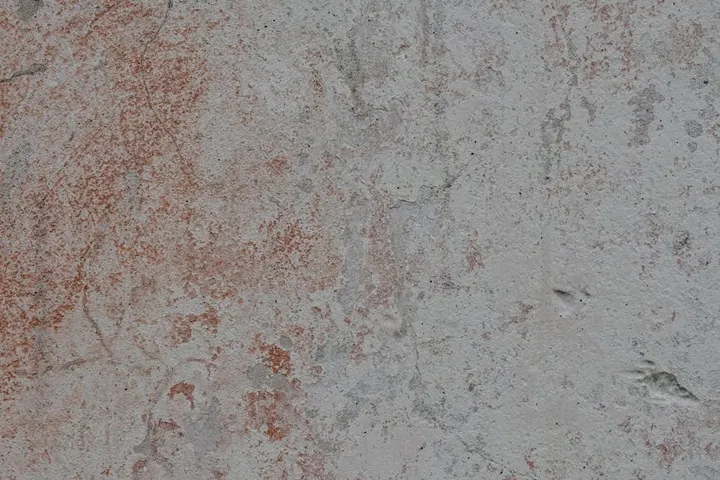
I’ve faced my share of rust stains, especially from Roger’s old hunting gear and the kids’ bikes. That ugly orange blotch can seem permanent, but it’s not.
Chemistry Corner
Rust is iron oxide. It’s a mineral or oxide stain. This is the most important thing to remember: rust is not a protein, tannin, or oil-based stain. Trying to treat it like one is why people fail.
Protein stains are from things like blood or milk. Tannin stains come from wine or coffee. Oil stains are from grease or butter. Rust is different. It’s a hard, crusty deposit from metal, like the ring left from a wet can.
Weak acids dissolve this bond. Citric acid from lemons or acetic acid from vinegar reacts with the iron oxide. It loosens the stain from the fabric fibers.
It works like how vinegar dissolves the hard water scale in your kettle. The acid breaks down the mineral buildup so you can wipe it away. For rust, the acid makes the orange powder soluble so your detergent can wash it out.
My mom, Martha, taught me this. She’d use straight lemon juice on a rust spot from a garden tool, let it sit, and watch the stain fade. It always worked better than any soap she tried first. That lemon trick works just as well on rust stains in toilet bowls, and it can help prevent new spots from forming. It’s a simple, budget-friendly approach you can try in bathrooms as well.
The Non-Negotiable First Step: How to Test Any Remover
You need to test any rust remover on fabric first. I say this to myself like a mantra before every project. Rust removal often involves acids or other reactive ingredients that can interact poorly with dyes or delicate fibers.
You wouldn’t want to trade a rust spot for a bleached-out hole. I learned this lesson early on with one of my husband Roger’s old work shirts.
How to Perform a Hidden Patch Test
Find a hidden spot on the garment. The inside of a seam, the underside of a hem, or the back of a pocket are perfect. Follow these steps carefully.
- Prepare your chosen rust remover according to its instructions.
- Dip a clean cotton swab or the corner of a white cloth into the solution.
- Gently dab the solution onto the hidden fabric area. Do not rub.
- Let it sit for the full amount of time you plan to use on the stain.
- Rinse the test spot thoroughly with cool water and pat it dry with a clean towel.
This simple five-minute test can save your favorite shirt from permanent damage.
When Testing is Absolutely Critical
This step is not optional for certain items. My Aunt Jessica has a silk blouse she adores, and my mom Martha has quilts passed down for generations. Testing is the only responsible way to approach them.
- Delicate Fabrics: Silk, wool, rayon, and dry-clean-only items are easily damaged.
- Vibrant or Dark Colors: Bright reds, deep purples, and blacks can fade or change hue.
- Vintage or Irreplaceable Items: If you can’t buy another one, you must test first.
My rule is simple. If I’d be heartbroken to ruin it, the test is mandatory.
What Are You Looking For?
After you rinse and dry the test spot, inspect it closely. Hold it under good light and feel the fabric with your fingers.
You are checking for three main problems. Look for any change in the fabric’s color compared to the surrounding area. Feel for any weakening, fraying, or change in the texture of the fibers. Watch for any lightening or bleaching effect, which is common with some acidic removers.
A failed test means you must choose a gentler method, and that’s okay-it’s why we test.
Your Rust Removal Toolkit: From Pantry to Store-Bought

Think of treating rust stains like you’re picking a tool from your shed. You wouldn’t use a sledgehammer to hang a picture. Your first step is to look at two things: how old and dark the stain is, and what the fabric is made of.
A fresh, orange smudge on a tough cotton towel needs a different approach than a set-in brown ring on a delicate blouse. I keep a range of options, from simple soap to stronger acids, ready to go.
Matching the method to the stain’s severity and the fabric’s durability is your key to success without damage. This is especially important for outerwear and delicate fabrics, where stubborn stains demand careful, gentle treatment. A thoughtful approach protects fibers while still tackling tough spots.
Quick First-Aid for Fresh Rust Stains
For a new, powdery rust mark, your simplest tools are often the best. I reach for dish soap and water more than anything else in my kitchen.
Fresh rust hasn’t bonded deeply with the fibers yet. Gentle mechanical action can often lift it right out.
Start by making a thick paste with a few drops of dish soap and a little water. Apply it to the stain and let it sit for ten minutes. For suede, use this method sparingly and test a hidden area first. It can help with light suede stains—continue to the next steps for more on removing suede stains.
Gently rub the paste into the fabric with your fingers. Rinse with cool water and check your progress.
What Helped Me: I keep an old, soft-bristled toothbrush just for stains. For a fresh mark on my son Jason’s soccer jersey, I flipped the fabric over. I worked the soapy paste into the backside of the stain. This pushes the rust particles out the way they came in, instead of grinding them deeper.
Homemade Rust Stain Removers That Actually Work
You don’t always need a specialty product. Common kitchen items can break down iron oxide, which is the scientific name for rust. These acids are gentle on many fabrics but tough on stains.
How to Use Lemon Juice and Salt to Remove Rust
This is my mom Martha’s go-to method for white cottons. The citric acid attacks the rust, and the salt acts as a gentle scrubber.
Lay the stained fabric flat. Generously squeeze lemon juice directly onto the rust spot. Immediately cover the wet area with a thick layer of table salt.
For the best results, place the treated item in direct sunlight for an hour or two. The sun activates the lemon juice, acting as a mild bleach.
After sunning, rub the salty, pasty residue into the fabric. Rinse thoroughly with cool water and launder as usual. This works wonders on white cotton socks or kitchen towels but can lighten colored fabrics, so test it first.
I avoid this on silks or wools, as the acid can be too harsh for those delicate fibers.
How to Use White Vinegar to Remove Rust Stains
White vinegar is a weaker acid than lemon juice, which makes it a safer first choice for many colored fabrics. You have two main options.
For a small item like a washcloth, soak the entire piece in a bowl of undiluted white vinegar for 30 minutes. For a larger garment with a spot, like my husband Roger’s work shirt, I pour vinegar directly on the stain until it’s saturated.
Let the vinegar soak for at least 30 minutes, then rinse with cool water and check the stain. You may need to repeat this process for older stains.
On sturdy fabrics like denim or canvas, I sometimes add a tiny sprinkle of salt to the vinegar-soaked spot for extra scrubbing power before I rinse.
How to Use Baking Soda to Remove Rust
This one causes confusion. Baking soda alone is just a mild abrasive. To make it react with rust, you need to mix it with an acid.
Make a thick paste using baking soda and either lemon juice or white vinegar. You want a consistency like toothpaste.
Smother the rust stain with this fizzy paste. Let it sit for up to an hour. The paste will dry out. As it dries, it pulls the rust particles out of the fabric.
Once dry, brush off the powder and rinse the area well. Launder the item to remove any lingering residue. This method is great for curved or tricky surfaces, like on a baseball cap.
When to Use a Commercial Rust Remover
When a homemade soak doesn’t touch a set-in stain, it’s time for a stronger solution. I use these on Roger’s heavy workwear or on old stains I find in thrift store finds.
Commercial removers contain stronger acids like oxalic or hydrofluoric acid. They work fast but demand respect.
Always, always wear gloves and work in a well-ventilated area when using these products. Open a window or turn on a fan. Never mix a rust remover with bleach or other cleaners.
The most critical step is to follow the product’s label exactly. Some formulas are applied and rinsed quickly. Others are designed to soak. Misusing them can damage your fabric.
I apply the product only to the stain, let it work for the recommended time, and then rinse it out completely before washing.
A Critical Warning: Can Bleach Remove Rust Stains?
No. Please, do not use chlorine bleach on a rust stain. This is one of the biggest mistakes I see people make.
Chlorine bleach does not break down rust. Instead, it can react with the iron particles. This reaction often creates a permanent yellow or darker brown stain that is impossible to remove.
You might think you’re treating a mystery stain, only to find out it was rust once the bleach sets it forever. If you suspect rust, keep the bleach bottle firmly on the shelf.
Treating Old or Set-In Rust Stains
Old rust stains are a different beast. That faint orange shadow on your husband’s work shirt or the stubborn ring on a forgotten tablecloth has had time to really bond with the fibers. I think of it like Jason’s grass stains that he doesn’t tell me about until laundry day-the longer it sits, the more work it takes.
The iron oxide has woven itself deeper into the fabric, making a simple spot treatment less effective. Your goal with an old stain shifts from total removal to significant lightening, and patience becomes your most important tool.
Choosing Your Method: The Long Soak
For fabrics you can submerge, a prolonged soak is your best first attack. You have two reliable paths here.
The Vinegar Soak: White distilled vinegar is my go-to for a safe, long soak, especially on colors. My Aunt Jessica swears by this for her vintage linens.
- Mix one part white vinegar with one part warm water in a basin or sink.
- Fully submerge the stained area and let it soak. For an old stain, I leave it for at least 8 hours, or even overnight.
- Check the stain. You should see the orange color leaching into the water. If it’s still strong, refresh the vinegar solution and soak again.
Commercial Rust Removers: For the toughest, oldest stains, a product made for the job can be a smart choice. I keep one for garage and laundry emergencies.
- Look for removers containing acids like oxalic or hydrofluoric acid. They are powerful.
- Follow the product’s instructions exactly. They often require dilution and a specific soak time.
- Always wear gloves and work in a ventilated area. These are not gentle kitchen ingredients.
Working the Stain Gently
After soaking, don’t scrub hard. You’ll fray the fabric.
Use a soft-bristled brush, like a clean toothbrush or a nail brush. Gently agitate the stained area in a circular motion to help loosen the remaining particles.
Old stains usually need multiple cycles of soaking and gentle agitation to see real progress. Rinse thoroughly between cycles to check your progress.
A Crucial Reality Check
You need to be honest with yourself about the fabric’s history. I learned this with a favorite shirt of Roger’s that sat in his toolbox for a month.
If that rust stain has been through the dryer multiple times, or if it’s on a delicate fiber like silk, complete removal might not be possible. The stain can become a permanent discoloration.
Celebrate lightening a set-in stain significantly, as turning a dark brown spot into a faint, barely-there shadow is a real victory. Sometimes, that’s the best possible outcome.
What to Avoid Completely
Never use chlorine bleach on a rust stain. Bleach contains oxidizing agents that can actually react with the iron and set the stain permanently, turning it a darker yellow or brown. It’s the opposite of what you want.
Always test any method, especially a commercial remover, on a hidden seam or hem first to check for colorfastness.
After Treatment: How to Wash and Check the Fabric
You’ve tackled the rust spot. Now, the real test begins. These final steps are what separate a successful rescue from a permanent stain disaster.
I learned this after saving Roger’s hunting jacket. The rust was gone, or so I thought. Rushing through the wash cycle almost cost me a jacket.
1. The Critical Rinse
Before anything else, you must rinse the treated area. Do this under a cool tap or in a basin of cool water. Cool water neutralizes any acidic cleaners, like lemon juice or vinegar, and flushes all chemical residues from the fabric. Even when dealing with tricky stains, it’s crucial to ensure all chemicals are thoroughly removed.
Keep rinsing until the water runs completely clear. For a shirt, this might mean holding the spot under the faucet for a full minute. You want zero tacky residue or sour scent left behind.
2. The Solo Wash
Never wash this item with other clothes right away. Wash it alone, using your regular detergent on a warm or cool cycle. Hot water can set any lingering stain particles. To help prevent stains after washing, quickly inspect and treat any marks before drying. This small step helps maintain a spotless finish.
This solo wash acts like a final sweep. It catches any tiny rust remnants the rinse might have missed. My Aunt Jessica’s wine-stain mantra applies here too: “Give it its own space to come clean.”
3. The Close Inspection
After the wash cycle finishes, take the item out while it’s still damp. Do not let it sit bunched up. Lay it flat on a clean, light-colored surface, like a table or countertop.
Check the stained area from every angle. Hold it up to a window or bright light. Your eyes are the best tool here; look for even the faintest shadow of orange or brown. If you see anything, repeat the treatment and wash steps. If it’s gone, you can breathe easy.
4. The Golden Rule: No Heat Until It’s Clean
This is the most important part. I am serious. Heat from any source will cook a stain into the fibers forever. This means no dryer, no iron, and no laying it in direct sun to dry until you are certain.
I let a rust-stained kitchen towel go into the dryer on low once. A faint ring became a permanent, ugly badge. Air dry the item completely first. Only then, if the stain is 100% gone, is it safe for normal drying.
For Jason’s sports gear or Jessica’s messy art smocks, I always air-dry them after a stain fight. It takes a little longer, but it saves the clothing every single time.
What If the Rust Stain is Still There?
Don’t feel defeated if you see a faint orange shadow after your first try. Rust can be stubborn, and fabrics vary in how they absorb it. I’ve been there with my husband Roger’s old work pants. The first attempt lightened the stain, but it didn’t vanish.
If the rust stain persists, your best move is to repeat the treatment cycle one more time, exactly as you did before. This will help to ensure that any stubborn rust stains, along with any potential algae ones, are fully treated.
This second pass gives the acid more time to work on any remaining mineral deposits deep in the fibers. Think of it like soaking a dirty dish. Sometimes, one soak isn’t enough for baked-on gunk.
How to Do a Second Treatment
Follow the same steps carefully. Don’t get impatient and use a stronger concentration or leave it on longer. That risks damaging the fabric.
- Reapply your chosen solution (lemon juice and salt or a commercial rust remover) to the exact same spot.
- Let it sit for the same amount of time, checking it periodically.
- Rinse and wash again, using a laundry booster like OxiClean in the wash cycle if you can. The oxygen boost helps lift the broken-down stain particles away.
Knowing When to Call It
After that second treatment, take a hard look. Is the stain completely gone? Is it a barely-there shadow? You need to set realistic expectations.
Sometimes, a faint discoloration remains, and for many items, that’s a perfectly acceptable victory. That’s the case with Roger’s garage shirts. Getting them to 95% clean is a win, and the faint mark just becomes part of the shirt’s story. I don’t risk the fabric’s integrity for that last 5% on a piece of everyday clothing.
But the calculus changes for a precious item. Is it your favorite white tablecloth from my aunt Jessica, a vintage lace piece, or a sentimental baby outfit? For these, I stop all home treatment after two attempts.
For cherished or delicate items, consulting a professional cleaner is the safest last resort. Tell them exactly what you used (bring the product if you can) and point out the stain. They have industrial-grade chelating agents and the expertise to assess fiber damage we simply don’t have at home. It’s the responsible choice.
Which Fabrics Are Most at Risk from Rust?
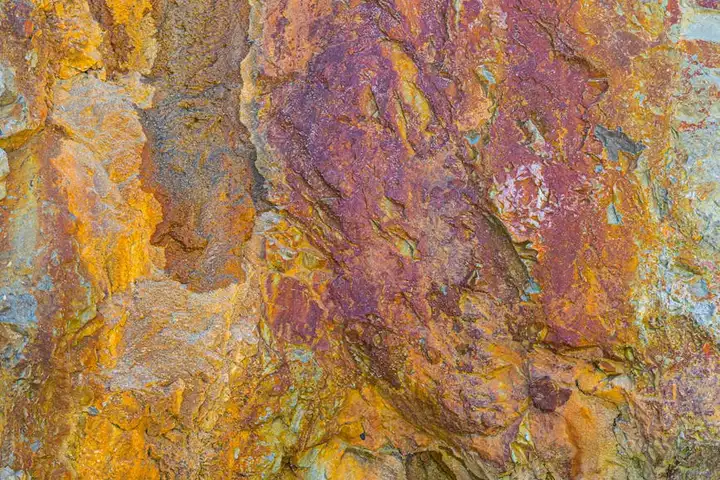
Rust stains cling to some fabrics way more than others. The key factor is how absorbent and light-colored the material is. I always check the care label first, because treating rust on the wrong fabric can make a small spot a big problem.
Natural, absorbent fibers are rust magnets. Cotton, linen, and rayon top my list. They pull in water and those tiny iron oxide particles deep into their fibers. A rust stain on a light cotton tee or linen tablecloth will look like a glaring orange-brown splotch. My son Jason’s soccer jersey is a prime example. He left it, still sweaty, on a metal bleacher last season. The cotton blend soaked up a perfect, dull rust ring overnight.
- Cotton: Very thirsty. Stains set quickly and are highly visible.
- Linen: Just as absorbent as cotton. Shows stains clearly.
- Rayon: Acts like a natural fiber here. It’s prone to obvious discoloration.
Synthetic fabrics like polyester or nylon can get stained too. The difference is in the cleanup. Polyester might not show the rust as vividly at first, but it’s often more sensitive to acidic rust removers. You can’t just soak it in lemon juice or a strong commercial acid without risking damage to the fabric’s finish or color.
Delicate fabrics like silk and wool need a gentle touch. For a cherished silk scarf or a wool sweater, I skip the DIY experiments and call a professional. The chemicals that dissolve rust are often too harsh for these fibers. My aunt Jessica learned this after a home remedy faded her favorite silk blouse. Now, for anything delicate, I follow my mom Martha’s old rule: when in doubt, seek expert help.
Smart Habits to Prevent Rust Stains on Laundry
Dealing with a rust stain is a project. Avoiding one in the first place is just a smart routine. A few simple checks can save you a lot of scrubbing and worry later on. When they do appear, you can find helpful tips for rust stain removal on metal surfaces.
I treat rust prevention like a quick game of “spot the metal” before any wash cycle starts.
Inspect and Wipe Down Your Washer
Your washing machine can be the culprit. Over time, the drum or the rubber door seal (the gasket) can develop tiny rust spots that flake off onto wet clothes.
Run your hand along the inside of the drum and the folds of the door seal. Feel for any grit or rough spots.
Once a month, I do a quick check with a damp white cloth. I wipe the entire drum and seal; if I see any orange or brown streaks on the cloth, I know it’s time for a deeper clean.
For front-loaders, always leave the door and detergent drawer slightly ajar after use. This lets it dry out completely and slows rust formation.
The Empty Pocket Rule is Non-Negotiable
This seems obvious, but we all get rushed. Keys, coins, bobby pins, and safety pins are tiny rust factories when tumbled in a damp, hot washer.
Jason’s soccer shorts are the worst offenders. I find everything from gravel to a forgotten medal in there.
Make it a family habit: turn every pocket inside out before an item touches the hamper. It takes two seconds and prevents most surprise stains.
Be Careful Where You Dry Metal Details
Heat and moisture accelerate rusting. If you’re drying clothes with metal zippers, grommets, or buttons on a traditional drying rack, check the rack first.
Is the paint chipped? Is there any visible reddish-brown corrosion? That rust can transfer directly to the wet fabric.
My mother-in-law, Brianna, taught me this one. She always hangs such items directly on the clothesline. The air flow is better, and there’s no metal-to-metal contact.
For delicate items, lay them flat on a clean, dry towel instead of risking contact with a questionable rack.
Shake It Out Before the Hamper
This is my number-one rule for workwear. My husband, Roger, works with tools and machinery, and his clothes collect all sorts of metallic dust and shavings.
If those particles sit in a hamper for days, they start to oxidize. Then they go into the wash already primed to stain.
My personal rule is simple: I shake out Roger’s work clothes over the driveway before they go in the hamper.
You’d be amazed at the little bits of grit that fall out. It’s a thirty-second task that has saved countless t-shirts and jeans from mysterious speckled stains.
FAQ About Removing Rust Stains from Fabric
Can I use the lemon juice and salt method on colored clothing?
Use this method with caution, as the citric acid and sun can lighten or bleach fabric dyes. Always perform a hidden patch test on colored items first to check for colorfastness. Remove dye stains from clothes undirected before applying any bleaching techniques.
How do I use a commercial rust remover safely on fabric?
Always wear gloves, work in a well-ventilated area, and follow the product’s label instructions exactly. Apply it only to the stain itself, never mix it with other cleaners, and rinse the fabric thoroughly afterward.
Is it true I should never use bleach on a rust stain?
Yes, never use chlorine bleach. Bleach can react with the iron particles, setting the stain permanently and often turning it a darker yellow or brown that is impossible to remove.
What’s the first thing I should try on a fresh rust stain?
For a fresh, powdery mark, make a thick paste with a few drops of dish soap and water, apply it, and let it sit for ten minutes. Gently rub and rinse with cool water to lift the stain before it sets.
What fabrics are most easily damaged by rust removal attempts?
Delicate fibers like silk and wool are easily harmed by acids. For these, and for any cherished or vintage item, skip aggressive home treatments and consult a professional cleaner to avoid permanent damage.
Keeping Your Fabrics Rust-Free
Always tackle rust stains with a gentle acid like lemon juice or white vinegar, and never with chlorine bleach that can set them forever. This same gentle approach also works on concrete surfaces like patios and driveways. From Jason’s soccer jerseys to Roger’s hunting gear, I trust this method to lift rust without harming the fabric. For my full library of tested stain solutions, keep reading right here on Stain Wiki.
Written by Suzanne Rosi Beringer. Suzanne is an accomplished chemist, laundry expert and proud mom. She knows the science and chemistry of stains and has personally deal with all kinds of stains such as oil, grease, food and others. She brings her chemistry knowledge and degree expertise to explain and decode the science of stain removal, along with her decades long experience of stain removal. She has tried almost everything and is an expert on professional and DIY stain removal from clothes, fabric, carpet, leather and any other items dearest to you.