How Do You Remove Mold and Mildew from Leather Shoes and Boots?
Just found a fuzzy, greenish patch on your leather boots? I’ve been there. You can usually fix this with a simple spray of one part white vinegar to one part water and a soft-bristled brush.
This guide will walk you through the entire process safely and effectively:
- Why leather is prone to mold and how to stop it for good.
- Mixing safe, non-toxic cleaners from items in your pantry.
- Gentle cleaning steps that won’t ruin the leather’s finish.
- The right way to dry boots so they don’t crack or warp.
- Spotting when damage is too severe for a home fix.
I’ve rescued Roger’s moldy hunting boots and Jason’s soccer cleats using these very methods.
Spotting the Problem: Mold vs. Mildew on Your Leather
Finding a fuzzy spot on your favorite boots is a gut punch. I know the feeling. Before you panic, take a breath and look closely. Knowing whether you’re dealing with mold or mildew changes your cleaning approach.
Mold is the more aggressive invader. It looks like raised, fuzzy dots or splotches. The colors can be black, green, or even pinkish. Mildew is usually more surface-level. It appears as a flat, powdery, or downy film, often gray or white.
Your nose is a powerful tool here. Both problems create that distinct, damp basement smell. If your shoes smell musty from the closet, even if you see only a few specks, you likely have spores growing.
This musty odor is your first clue that moisture has been present long enough for growth to start.
Is It Mold or Mildew? A Quick Visual Guide
Let’s make it simple. Think of my husband Roger’s old work boots after a rainy season in the garage.
- Mold: Fuzzy, raised spots. Colors: Black, green, blue, pink. Feels slightly slimy or velvety.
- Mildew: Powdery, flat film. Colors: White, gray, sometimes yellow. Wipes away more easily, often leaving a stain.
Learning how to identify mold vs. mildew on leather saves you time. Mildew often cleans up with a simpler wipe-down. Mold means you need a full disinfecting treatment, especially when treating cloth or fabric surfaces.
Checking for Hidden Damage and Weak Spots
Never just attack the visible spots. I learned this with a pair of my own dress shoes.
Take the shoes to a bright light or use your phone’s flashlight. Gently bend the leather and peer into every seam, stitch line, and crevice, especially where the sole meets the upper. Look for cracking, discoloration, or a brittle feel. Understanding how stains behave across different materials helps tailor your cleaning plan. A concise all-materials shoe stain removal guide follows in the next steps.
Hidden mold in seams is common and can weaken the threads, leading to tears later.
Run a dry, clean finger along the interior lining. If it feels damp, crumbly, or excessively stiff, the damage may go deeper than the surface.
What You’ll Need: Your Mold-Fighting Toolkit
You don’t need a chemistry lab. You need the right simple tools and a safe space to work. I always do this on my patio table for fresh air.
Must-Have Cleaning Tools and Safety Gear
Gather these items first. Being prepared keeps the mess contained.
- Soft-Bristle Brushes: A horsehair detailing brush for uppers and an old, soft toothbrush for seams.
- Clean Microfiber Cloths: Lots of them. You’ll use one for applying cleaner and a fresh one for drying.
- Ventilated Workspace: Outdoors is best. If inside, open windows and use a fan. Spores are not something you want to breathe.
- Mild Dish Soap: For an initial, gentle clean on less severe cases.
- Gloves: Simple latex or nitrile gloves protect your hands from cleaners and microbes.
Safe DIY Alternatives from Your Pantry
My Aunt Jessica swears by pantry fixes. These are great for mild mildew or if you want to avoid commercial products.
- White Distilled Vinegar: A natural fungicide. Use it diluted 1:1 with water in a spray bottle. Test on a hidden spot first, as acidity can dry leather.
- Rubbing Alcohol (70% Isopropyl): Excellent for killing surface spores. Dilute with an equal part of water. It evaporates quickly, which is good.
- Baking Soda Paste: For odors after cleaning. Mix with a tiny bit of water to form a paste, apply to the interior, let sit overnight, then vacuum out.
These DIY solutions are powerful, but always spot-test on an inconspicuous area like the inside tongue.
Recommended Product Types for Leather Care
Sometimes, a specialized product is the right call. Here’s what I look for on the shelf.
- pH-Balanced Leather Cleaners: These are formulated to clean without stripping leather’s natural oils. They’re your safest first commercial step.
- Leather-Safe Disinfectant Sprays: Look for ones labeled as mildewcides or fungicides that are safe for leather and interior linings.
- Conditioner Creams: Non-negotiable for aftercare. Cleaning dries leather out. A good conditioner replaces moisture and flexibility.
- Moisture-Absorbing Shoe Trees: Cedar is ideal. They maintain shape and pull humidity from the inside, preventing a repeat problem.
My mom, Martha, taught me that the right conditioner is like lotion for your skin after a harsh wash. It’s the final, caring step that keeps your leather alive, ensuring proper moisturization rather than just sealing or waterproofing.
The Step-by-Step Clean: Removing Mold and Mildew Safely
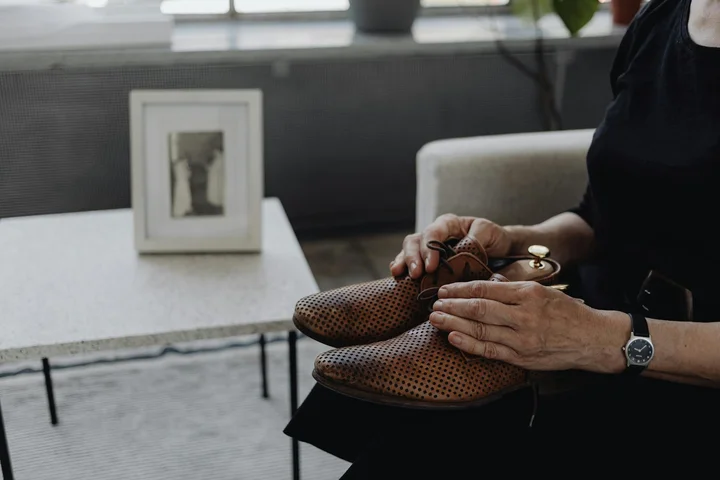
Finding fuzzy spots on your leather is stressful. I felt that panic when I pulled Roger’s old hunting boots from the back of the garage. Take a deep breath. This plan works.
You can rescue moldy leather by acting carefully and using the right tools.
Step 1: Prep Your Shoes and Workspace
Do not bring those shoes into your living room. This is your most important step.
Take the shoes outside. Your garage with the door open also works. You must contain the spores.
Gather your supplies:
- A soft-bristled brush (a clean, dry paintbrush or old toothbrush works)
- Microfiber cloths
- Distilled white vinegar or a commercial leather cleaner
- Rubbing alcohol (70% isopropyl)
- A small bowl of cool water
- Leather conditioner
Remove the laces and any removable insoles. Set them aside to clean separately.
Step 2: Gently Brush Away Surface Growth
Put on a mask if you have one. Hold the shoe over a trash can.
Use your soft brush to gently flick and sweep all the loose, dry mold away. Brush in one direction, away from you.
Be gentle but thorough to avoid grinding spores into the leather’s pores.
Step 3: Clean with a Leather-Safe Solution
Mix one part distilled white vinegar with one part cool water in a bowl. Vinegar is a mild acid that cuts through mildew.
Dampen a microfiber cloth in the solution. Wring it out until it’s just moist, not dripping.
Wipe down every part of the leather, inside and out. Use a light touch and circular motions. For textured leather like suede or nubuck, just lightly dab. Let the leather air dry for about ten minutes. For stain removal on leather, suede, and other delicate materials, choose products and techniques designed for these surfaces. This helps protect texture and finish while addressing spots.
Step 4: Sanitize to Kill Lingering Spores
Cleaning removes the visible growth. Sanitizing kills the hidden spores.
Dampen a new microfiber cloth with a small amount of 70% rubbing alcohol. Wipe the entire surface again.
The alcohol will evaporate quickly and disrupt the mold at a cellular level, stopping it from coming back.
Step 5: Dry Thoroughly and Condition
Now, patience is key. Never use direct heat like a hair dryer or radiator.
Stuff the shoes with crumpled newspaper or a dry towel to help them keep their shape. Let them air dry in your ventilated space. This can take a full day or two.
Once completely dry, apply a quality leather conditioner. This replaces the natural oils the cleaning stripped away and helps in stain proofing. It keeps the leather supple and creates a barrier.
Adapting the Method: Shoes, Jackets, and Furniture
The core steps are the same for all leather goods. Just adjust your approach.
| Item | Key Adjustment |
|---|---|
| Leather Shoes & Boots | Always remove laces and insoles. Dry slowly with newspaper inside. |
| Leather Jacket | Lay it flat on a clean table to work. Pay extra attention to the inner lining. |
| Leather Furniture | Spot-test your vinegar solution in a hidden area first. Work on small sections. |
| Suede or Nubuck | Do not wipe. Only dab gently with a barely-damp cloth. Use a suede brush after drying. |
Critical Warnings: What Never to Do on Leather
My Aunt Jessica once ruined a nice bag with a “quick fix.” Learn from her mistake.
Never use bleach, ammonia, or all-purpose cleaners. They will permanently discolor and dry out the leather, especially when trying to remove bleach stains from leather couches.
Do not soak the leather or run it under a tap. Saturated leather can warp, crack, or rot from the inside.
Avoid harsh scrubbing with stiff brushes or scouring pads. You will scratch the surface finish beyond repair.
Field Note: The Stain Wiki Editor’s Brush Trick
I keep a dedicated, ultra-soft bristle brush from the hardware store for this job. It’s wider than a toothbrush and perfect for boots.
After the initial brushing, I tap the bristles on a paper towel to see if more spores fall out. I repeat until the towel stays clean. It’s a simple way to know you got it all.
Drying Right and Keeping It Dry: Prevention Tactics
This is how you win the long game. Mold needs moisture. Your goal is to take that away for good.
How to Dry Leather Footwear Without Cracking It
After a rainy walk with Peeta, I never just kick my boots off in the closet.
I wipe them down with a dry towel first. Then, I use a boot dryer. It blows gentle, room-temperature air inside.
If you don’t have a boot dryer, stuffing them with newspaper or cedar shoe trees is the next best thing. Change the paper every few hours as it gets damp.
Always dry leather away from direct sunlight, heaters, or forced air vents. Slow and steady saves the leather.
Smart Storage to Prevent Future Growth
My mom Martha lives in humid North Texas. Her rule? Never store leather in plastic bags or airtight containers.
Use a cloth shoe bag or leave them on a shelf in an open closet. For long-term storage, I drop a couple of silica gel packs (the “do not eat” packets from new shoes) into each boot.
A cedar shoe tree is a great investment. It absorbs moisture and smells wonderful. This is the best answer for how do you get mildew smell out of shoes for good.
Regular Maintenance Tips for Active Wear
Jason’s soccer cleats get a quick wipe after every game. A tiny bit of preventative care stops big problems.
Make a monthly habit of checking your leather gear. Give boots a quick brush and a touch of conditioner if they look dry.
If your shoes get soaked, follow the slow drying method immediately. A little time now saves a lot of heartache later.
Troubleshooting and Next Steps: When DIY Isn’t Enough
Sometimes, the mold has been throwing a party for too long. Here’s how to know if you need to call in the cavalry.
Signs You Need Professional Help
You’ve followed all the steps, but the problem persists. Look for these red flags.
Deep, permanent discoloration or black spots that won’t lift mean the mold has penetrated the dye layer.
If the leather feels brittle, crumbly, or has a soft, rotten spot, the structure is compromised. A persistent, foul smell that survives cleaning is another sign of deep contamination.
A professional leather restorer has stronger biocides and dyes to tackle this. For a cherished or expensive item, their fee is worth it, especially when it involves vintage leather restoration, stain removal, and patina.
What to Do If the Musty Smell Lingers
You cleaned the leather, but the closet still smells. The spores might be in the lining or the insole.
Try sprinkling baking soda inside the dry shoes, letting it sit overnight, and vacuuming it out. For the closet, wipe down shelves with a vinegar solution and consider a dehumidifier.
If the smell is in the leather itself, a professional ozone treatment might be the only solution.
Assessing Damage: Is It Too Late to Save?
Be honest with yourself. If the leather is cracked through, feels mushy, or is covered in more mold than surface, the damage may be too deep.
Mold left untreated eats the organic materials in leather. It causes permanent stains and structural failure.
Acting quickly gives you the best shot. For a pair of everyday shoes with severe rot, replacement might be the most practical choice. For an heirloom, consult a pro before you give up hope.
FAQ about Removing Mold from Leather Footwear
1. Can I use a quick wipe with a household cleaner if I just see a few small spots?
No. Harsh cleaners like bleach or ammonia will damage leather. For a few small spots, lightly dab with a cloth dampened with diluted white vinegar or 70% rubbing alcohol, then dry thoroughly. Always test any cleaner on a hidden area first. If the stains persist, consider consulting a professional or following proper leather stain removal guidelines.
2. Is white vinegar or rubbing alcohol better for killing the mold?
Both are effective fungicides. Vinegar (diluted 1:1 with water) is great for cleaning and odor. Rubbing alcohol (also diluted) kills spores quickly and evaporates fast, making it ideal for a final sanitizing wipe. You can use both in sequence for a thorough treatment.
3. My shoes are dry now but still smell musty inside. What can I do?
The odor is likely in the lining or insole. Sprinkle baking soda inside the dry shoes, let it sit overnight, and vacuum it out. For persistent smells, replace the removable insoles and consider odor-absorbing cedar shoe trees for long-term storage.
4. What’s the fastest, safest way to dry wet leather shoes to prevent mold?
Never use direct heat. Immediately stuff them with newspaper or paper towels, replacing the stuffing every few hours as it soaks up moisture. Let them dry at room temperature in a well-ventilated area, which is the safest method to prevent cracking and mold growth.
5. When is mold damage too severe for me to fix at home?
If the leather is cracked, brittle, feels mushy, or has deep black stains that don’t lift after cleaning, the damage is likely structural. A persistent, foul smell also indicates deep contamination. For valuable items, consult a professional leather restorer at this point.
Smart Storage Stops Mold in Its Tracks
Once the mold is gone, your top priority is to let the leather dry fully in a cool, airy spot before storage. I learned this after Roger’s hunting boots grew a new fuzz patch because I rushed them into the closet. That same care applies to fabrics—mold and mildew stains on clothing and textiles can be treated before they set. For specifics on removing mold mildew stains from fabrics, check our fabric care guides. Find more reliable, step-by-step guides for all your home care questions right here on the Stain Wiki blog.
Written by Suzanne Rosi Beringer. Suzanne is an accomplished chemist, laundry expert and proud mom. She knows the science and chemistry of stains and has personally deal with all kinds of stains such as oil, grease, food and others. She brings her chemistry knowledge and degree expertise to explain and decode the science of stain removal, along with her decades long experience of stain removal. She has tried almost everything and is an expert on professional and DIY stain removal from clothes, fabric, carpet, leather and any other items dearest to you.