How Do You Clean and Remove Stains from Shoes? A Complete Guide for All Materials
Finding a fresh stain on your go-to shoes is frustrating, but don’t worry. You can rescue almost any pair by starting with a gentle blot and identifying the material before you scrub.
This article will show you: how to figure out your shoe’s material quickly, the safe pre-treatment step every clean should start with, specific cleaners for leather, suede, canvas, and more, how to attack stubborn stains like grass, grease, or ink, and the right way to dry shoes so they don’t get ruined.
I’ve tested these techniques for years, from cleaning Jason’s muddy soccer cleats to saving my own suede boots after a walk with Peeta.
Start by Knowing Your Shoe Material
Treating every shoe stain the same is a sure way to damage your favorite pair. The cleaning method that works on sturdy canvas can permanently ruin delicate suede. Always start by figuring out what you’re working with.
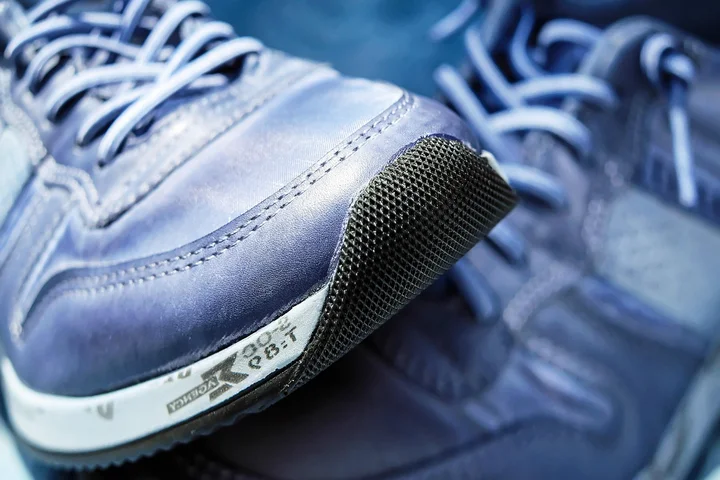
Here’s a simple touch and look guide. Run your fingers over the material. Leather feels smooth and firm. Suede and nubuck have a soft, velvety fuzz. Canvas is a rough, woven fabric. Mesh looks like a grid or netting. Rubber and plastic are slick and non-porous.
My golden rule? Test first. Before using any product, do a patch test in an unseen spot like the inside tongue or heel. This is non-negotiable for cleaning shoes from a thrift store or handling unknown materials.
How Do You Identify and Care for Leather?
Genuine leather has a smooth, often shiny surface. Polished leather has a glossy finish, while full-grain leather shows a more natural texture. Leather hates being soaked; it can stiffen, crack, and lose its shape forever.
I use a pH-balanced leather cleaner for a reason. Harsh soaps strip its natural oils. After cleaning, I always condition it. A good leather conditioner restores moisture and prevents the material from drying out. It keeps my husband Roger’s work boots from looking like cardboard.
How Do You Identify and Care for Suede and Nubuck?
Feel for a soft, fuzzy nap. It’s like petting velvet or my dog Peeta’s ear. Water and vigorous rubbing are the worst enemies here. They mat the delicate fibers and leave dark, permanent watermarks.
Start with dry methods. I always reach for a suede brush or a specialized suede eraser first. Gently brushing the stained area can lift a lot of surface dirt without any moisture. For tougher spots, my aunt Jessica taught me to use a bit of cornstarch to absorb oils before brushing.
How Do You Identify and Care for Canvas and Fabric?
This is the woven, breathable stuff on classic sneakers and summer espadrilles. Canvas is relatively hardy. It can often handle a gentle hand wash or even a trip through the washing machine inside a pillowcase.
To clean white canvas shoes without yellowing, avoid bleach. I mix a paste of baking soda and water, scrub gently, and let them air dry out of direct sunlight. This kept my son Jason’s soccer practice shoes looking bright all season.
How Do You Identify and Care for Mesh and Synthetics?
Look for the lightweight, grid-like panels on athletic shoes for ventilation. Mesh is tricky because grime gets trapped deep in those tiny holes. It can also snag easily on rough brushes or fingernails.
Use a soft-bristled toothbrush and a drop of mild dish soap. Gently work the soapy water into the mesh, then rinse with a damp cloth to avoid soaking the shoe’s interior. This method gets the mud out of my running shoes without damaging the delicate fibers. For athletic leather gym shoes, follow up with a deodorizing treatment. This keeps them smelling fresh between cleanings.
How Do You Identify and Care for Rubber and Plastic?
Think soles, trim, rain boots, or shoes like Crocs. They have a wipeable, non-porous surface. These materials are forgiving, but they can stain from things like grass dye or greasy food spills.
To clean rubber soles and restore their grip, I use an old toothbrush and soapy water. For stubborn scuffs on white soles, a dab of toothpaste on a cloth works like a mild abrasive. It brings back the color and texture for better traction.
Your First Move: Immediate Stain First-Aid
Think of the first few minutes as the stain’s “golden hour.” Acting fast makes all the difference. Your immediate reaction can determine whether a stain comes out easily or sets in for good.
The universal first steps are simple. Scrape off solids with a dull knife. Blot liquids with a clean, white cloth. Never rub. Rubbing grinds the stain deeper into the material, making it much harder to remove.
Stains need different first aid. Let fresh mud dry completely so you can brush it off. Rinse blood immediately with cold water. I handle Peeta’s muddy paw prints on the doormat by letting them dry first, then vacuuming. The same logic applies to shoes. That same logic applies to dried mud on carpets—let it dry, then brush or vacuum away the residue. For tougher stains, a quick guide on removing dried mud from carpets can help.
What to Do Before You Even Grab a Cleaner
Take your shoes outside first. Knock them together or use a dry brush to remove loose dirt and prevent a mess in your house. I learned this after my daughter Jessica tracked garden soil all over the kitchen.
Have your toolkit ready. I keep a dedicated soft brush, plain white cloths (no dyes to transfer), and cotton swabs for precise work. These basic tools let you control the cleaning without causing collateral damage.
Check for a care label inside the shoe. If there isn’t one, use the material guide above. When in doubt, gentler is always better than aggressive. This approach has saved many pairs of shoes in our busy household.
Step-by-Step Cleaning for Every Shoe Type
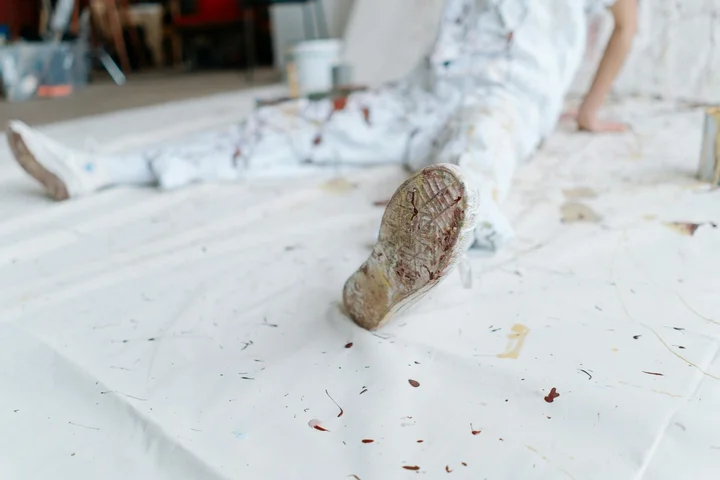
Treating your shoes right starts with knowing what they are made of. A one-size-fits-all approach can ruin good footwear. Here is how to handle the most common materials.
How Do You Clean Canvas Shoes?
Canvas is forgiving, but it holds onto dirt. For my son Jason’s everyday sneakers, hand-washing is my go-to.
- Remove the laces and insoles. Clean these separately in warm, soapy water.
- Use a dry, soft-bristled brush (an old toothbrush works) to knock off loose dirt.
- Make a solution of cool water and a few drops of mild dish soap or laundry detergent.
- Dip your soft brush in the solution and gently scrub the canvas in small circles.
- Rinse thoroughly with a clean cloth dampened with cool water. Soap residue attracts more grime.
- Stuff the shoes with white paper towels or a dry cloth to help them hold their shape.
- Air dry completely away from direct sunlight or heat.
Machine washing is a risk, but for very sturdy canvas, you can try it. Place the shoes in a pillowcase, tie it closed, and use a gentle cycle with cold water. Never use the dryer.
To get dirt stains out of white canvas shoes, make a thick paste of baking soda and water. Apply it to the stained areas and let it sit for an hour before brushing it off and cleaning as usual. It acts as a gentle brightener, similar to how you would treat stains on white fabric items like jerseys or denim.
Safe DIY Alternative: A simple mix of mild dish soap and warm water is your best starting tool. For brightening, the baking soda paste is a safe, non-toxic booster.
How Do You Clean Leather Shoes?
Leather needs moisture and care, not a soaking. My husband Roger taught me this with his outdoor work boots.
- Wipe the entire shoe with a dry cloth to remove surface dust and dirt.
- Dampen a clean, soft cloth with water. Wring it out so it’s barely wet.
- Apply a small amount of saddle soap or a dedicated leather cleaner to the cloth.
- Gently wipe the leather in small sections, being careful not to oversaturate.
- Use a second damp cloth to wipe away any cleaner residue.
- Let the shoes dry naturally at room temperature. Never place them near a heater.
- Once fully dry, apply a leather conditioner with a clean cloth. This step replaces lost oils.
Roger’s tip is simple: “Condition them more often than you think you need to. Dry leather cracks.” He does his boots every few months.
Safe DIY Alternative: A 50/50 mix of white vinegar and water on a cloth can clean light soil. Always follow with a conditioner, even if it’s just a tiny dab of unscented lotion buffed in well.
How Do You Clean Suede Shoes?
Suede is delicate. Water is often the enemy. Start dry, always.
- Use a dry suede brush or a clean, soft toothbrush. Brush the nap in one direction to lift dirt and restore the texture.
- For scuffs or stains, use a suede eraser. Rub it gently over the mark until it lifts.
- Brush the area again with the suede brush.
For a damp stain like a water spot, blot immediately with a dry cloth. Let it dry completely. Then, use your suede brush vigorously to reactivate the nap. If a stain remains, barely dampen a cloth with water and dab (do not rub) the spot. Let dry and brush.
Never soak suede. It can leave a permanent water ring or stiffen the material. A specialized suede cleaner is a last resort for stubborn spots, unlike water stains on leather which require a different treatment.
Safe DIY Alternative: For light soil, a dry brush and a pencil eraser can work wonders. For slightly damp stains, the barely-damp cloth dab is as far as I go with home methods.
How Do You Clean Mesh Shoes?
Mesh is great for breathability, terrible for trapping dirt. Cleaning my thrift-store athletic finds requires patience.
- Remove laces and insoles.
- Use a dry brush to dislodge loose dirt from the mesh pores.
- Use a foam cleaner spray designed for sneakers, or make a mild soapy water solution.
- Dip a soft toothbrush into your cleaner and gently work it into the mesh grid. Use a dabbing and small circular motion.
- Rinse thoroughly. This is critical. Hold the shoe under a low stream of cool water or use a very well-wrung cloth to rinse until no soap suds appear.
- Blot excess water with a towel and air dry.
Soap residue in the mesh will attract dirt faster, making your shoes look dirty again in no time. When I clean thrift store mesh shoes, I often repeat the rinsing step three times to be sure.
To get dirt out of white mesh shoes, the same soapy toothbrush method works. For yellowing, a paste of baking soda and hydrogen peroxide (3%) applied carefully with the toothbrush can help.
Safe DIY Alternative: Mild dish soap and a soft toothbrush are the perfect mesh-cleaning team. Just be fanatical about rinsing.
How Do You Clean Rubber Soles and Trim?
This is the satisfying part. Clean soles make the whole shoe look new.
- Scrub the soles with an old toothbrush and soapy water. For textured soles, the brush gets into all the grooves.
- For scuff marks on the sidewall or sole, a Magic Eraser (melamine foam) works miracles. Wet it and scrub gently.
- For mineral stains or deep odors, scrub with a 50/50 vinegar and water solution.
- Rinse and dry.
Cleaning your soles isn’t just for looks. If you’ve ever wondered how to clean black stained feet after a long day, dirty soles are often the culprit. The grime transfers directly to your skin. Cleaning the soles solves both problems.
Safe DIY Alternative: Soapy water and an old toothbrush are all you need. For scuffs, a standard pencil eraser can sometimes work almost as well as a Magic Eraser.
Tackling the Toughest Specific Stains
Specific stains need a targeted approach. Always check the material guide above first to make sure your stain-fighting method is safe for the shoe.
How Do You Remove Mud Stains?
I learned this from Jason’s soccer games. Never tackle wet mud.
Let the mud dry completely. Once it’s crusty, bang the shoes together outside and use a stiff brush to knock off all the chunks. Wet mud is a slurry that will grind dirt deeper into the material. After the dry mud is gone, clean the remaining residue using the appropriate damp cloth method for the shoe’s material.
How Do You Remove Grass Stains?
Grass stains are a mix of chlorophyll and dirt. On canvas or mesh, pre-treat. Mix a teaspoon of white vinegar with a few drops of dish soap. Apply it with a toothbrush and let it sit for 15 minutes before cleaning as usual. These tips also apply to grass stains on sports pants fabrics. Test a hidden or inconspicuous area first to ensure colorfastness on synthetic fibers.
For leather or suede, act fast. Brush gently with a dry suede or soft brush immediately. If a stain persists, a specialized leather or suede cleaner is your best bet. Stains can linger on suede, so learning how to remove stains from suede can help restore its look.
For stubborn grass stains on white fabric shoes, a drop of 3% hydrogen peroxide on the stain (after a patch test) can provide the extra lift you need.
How Do You Remove Oil or Grease Stains?
Treat oil on shoes like you would on a fabric couch. Absorb first. Liberally sprinkle cornstarch or baking soda over the fresh stain. Let it sit overnight; it will draw the oil to the surface.
Brush away the powder. For washable materials, apply a tiny dab of blue dawn dish soap directly to the spot. Gently work it in with your fingers, then clean the whole shoe. Oil can permanently darken suede. For nice suede shoes, I take oil stains to a professional immediately.
How Do You Remove Ink Stains?
Speed is key. Test rubbing alcohol on a hidden spot first. Dab a cotton swab in the alcohol and gently blot the ink stain. Don’t rub. You will see the ink transfer to the swab. Ink sinks into porous canvas quickly, so you may only lighten it, not remove it entirely. A common DIY alternative is hairspray (the old-fashioned kind with alcohol), but use it sparingly as it can leave its own residue. For more tips on dealing with stubborn stains, check out how to remove pen or marker ink stains.
How Do You Remove Blood Stains?
Use cold water only. Warm water will set the protein in the blood, making it permanent. Dab the stain with a cloth dipped in cold water and a bit of mild soap. For dried blood, try to rehydrate it by holding a cold, wet cloth against it for several minutes before dabbing.
If the material can handle it, a dab of an enzyme-based pet stain cleaner (like what I use for Peeta’s accidents) can break down the proteins in dried blood effectively.
How Do You Remove Wine Stains?
Blot, never rub. Use a clean cloth dipped in cold water or club soda to blot the stain from the outside in. I learned this the hard way after a gathering with my Aunt Jessica. For white or light-colored fabric shoes, after blotting, you can apply a paste of baking soda and water to the damp area. Let it dry, then brush it off. A very dilute hydrogen peroxide solution (1 part 3% peroxide to 2 parts water) can also help lift the color after blotting.
How Do You Remove Scuff Marks?
First, identify what’s scuffed. For black rubber scuff marks on the shoe’s sole or white midsole, a Magic Eraser is the fastest fix. A standard pencil eraser also works on lighter marks.
For a scuff on the leather upper itself, it’s often just transferred material. A tiny dab of moisturizing hand cream or dedicated leather conditioner on a soft cloth, buffed gently into the mark, can often make it disappear.
The Right Way to Dry Your Shoes
You just cleaned a nasty stain. Great job. Now, how do you dry shoes properly? Getting this step wrong is the fastest way to ruin all your hard work.
Heat is the enemy here. I learned this the hard way with a favorite pair of suede boots. After cleaning them, I thought a little time near the heater would speed things up. The leather shrunk, hardened, and became misshapen. They were never the same.
Bad methods like radiators, hair dryers, or direct sun will warp materials, melt glues, and set any leftover stains permanently into the fibers. Good drying relies on gentle airflow and patience.
Air Drying Do’s and Don’ts for All Materials
Start by stuffing your shoes immediately. This pulls moisture from the inside and stops them from collapsing.
- Use white paper towels or crumpled newspaper. They are super absorbent.
- Avoid colored paper, as the ink can transfer onto damp material.
Place the stuffed shoes in a spot with good airflow. A room with a cross-breeze is perfect.
Never stash wet shoes in a closed closet, a damp basement, or a hot car. This creates a musty, moldy petri dish.
For leather and suede, room-temperature air is your only option. Any heat will cause the material to stiffen and crack like old parchment.
When and How to Use Fans or Shoe Trees
For faster drying without heat, use a simple house fan. Point it at the shoes from a few feet away on a low, cool setting. This mimics a breezy day.
Cedar shoe trees are a secret weapon for leather dress shoes or boots. The cedar naturally absorbs moisture and helps the shoe keep its perfect shape as it dries.
Do not use shoe trees on wet suede, as they can stretch the delicate nap. Stick with paper stuffing for those.
My pro tip for sneakers? Always pull out the insole. Lay it flat to dry separately. This prevents that funky odor from getting trapped underneath, which my son Jason’s soccer cleats taught me all about.
Keeping Shoes Clean: Storage and Prevention
Think of this as the calm after the storm. A little organization now saves you from future stain panic. How do you store shoes to prevent stains? It starts with common sense.
I keep all shoes on a high shelf in the hall closet, well away from my daughter Jessica’s glitter glue station. It’s a simple rule that avoids colorful disasters.
Choosing the Best Storage Spot
Your storage spot needs three things: cool, dark, and dry.
- An interior closet shelf works well.
- A fabric hanging organizer is great for sneakers.
- The floor of a garage or basement does not. It’s damp and invites pests.
Humid areas like bathrooms are a hard no. Mildew is a living stain that brings a terrible smell, and it’s incredibly tough to remove once it takes hold. My Aunt Jessica in Arizona stores her fancy heels in their original boxes with silica packs to fight any moisture.
If you’re putting shoes away for a season, clean them first. Dirt left on suede or fabric will slowly bond to the material, creating a permanent shadow.
Simple Habits and Protections to Avoid Stains
The best stain is the one that never happens. A fabric or suede protector spray is your first line of defense. Spray it on clean, completely dry shoes. It creates an invisible barrier that makes liquids bead up and roll off.
I keep a simple shoe-care kit in a drawer: a soft brush, a microfiber cloth, and my trusted cleaner. After a muddy walk with the dog Peeta or a rainy game, a two-minute wipe-down becomes a habit.
My mom Martha taught me a genius quick-fix: save those hotel shower caps. If you’re caught in a sudden downpour or have to cross a muddy field, slip them over your shoes. They’re disposable shoe covers that live in your bag for emergencies.
FAQ about Cleaning and Removing Stains from Shoes
1. I spilled red wine on my suede boots. What’s the very first thing I should do?
Immediately blot the spot with a clean, dry, absorbent cloth to soak up as much liquid as possible. Do not rub, as this will grind the pigment deeper into the delicate nap and spread the stain.
2. How can I quickly remove fresh grass stains from my white canvas sneakers before they set?
Pre-treat the stain by dabbing it with a mixture of one teaspoon white vinegar and a few drops of dish soap. Let it sit for 15 minutes, then gently scrub with a soft brush and cool water before your normal wash. Make sure to avoid common stain removal mistakes during the process.
3> I got a grease stain on my leather loafers. Is it safe to use baking soda or cornstarch?
Yes, this is a safe first step. Liberally sprinkle cornstarch or baking soda on the fresh stain to absorb the oil. Let it sit overnight, then brush it off and clean the area with a damp cloth and a dab of mild soap, followed by a leather conditioner to remove oil stains from leather or suede.
4. My white mesh athletic shoes look dingy. How do I brighten them without yellowing?
After a normal clean with soapy water, make a paste of baking soda and 3% hydrogen peroxide. Apply it carefully to the mesh with a soft toothbrush, rinse thoroughly, and air dry out of direct sunlight to prevent discoloration.
5. What’s the fastest, safest way to dry shoes after cleaning to prevent damage?
Always stuff them with white paper towels or newspaper to absorb moisture and maintain shape, then place them in a well-ventilated area at room temperature. Never use direct heat from a radiator, hairdryer, or sunlight, as this can warp materials and melt adhesives.
Your Shoes Deserve Lasting Care
After testing methods on everything from Roger’s work boots to Peeta’s paw prints, I stand by this: always match your cleaning tactic to the shoe material first, and act fast before a stain sets. For more step-by-step guides and my family-tested tips, follow along right here on Stain Wiki.
Written by Suzanne Rosi Beringer. Suzanne is an accomplished chemist, laundry expert and proud mom. She knows the science and chemistry of stains and has personally deal with all kinds of stains such as oil, grease, food and others. She brings her chemistry knowledge and degree expertise to explain and decode the science of stain removal, along with her decades long experience of stain removal. She has tried almost everything and is an expert on professional and DIY stain removal from clothes, fabric, carpet, leather and any other items dearest to you.