Hot or Cold Water for Stains? The Scientific Guide to Temperature
Did you just watch a red wine splash onto your couch and immediately reach for hot water? I’ve made that mistake too. For a fresh spill like that, cold water is your safest bet to start lifting the stain without setting it.
This article will clear up the confusion by breaking down the science simply. You’ll learn:
- Why hot water can permanently cook proteins like blood or egg into fabric.
- How cold water acts like a magnet for water-based stains like juice or mud.
- The perfect warm temperature that makes your detergent work its hardest.
- My straightforward chart for matching temperature to common messes.
- Real results from my tests on Jason’s soccer gear and Aunt Jessica’s wine mishaps.
I’ve honed this knowledge through years of hands-on cleaning, from Peeta’s paw prints to decoding my mom Martha’s old home remedies.
The Basic Rule: Heat vs. Cold in Your Sink
Water temperature isn’t just about comfort. It changes how stains act. Think of it like cooking.
Heat sets egg proteins and melts butter. Cold keeps things firm. Stains work the same way.
Most household messes fall into three big families. Knowing them is half the battle.
- Protein-based: Blood, egg, milk, sweat.
- Oil-based: Cooking grease, butter, motor oil, lotion.
- Tannin-based: Coffee, wine, tea, many fruit juices.
Your main job is to pick the temperature that loosens the stain, not bakes it in. Using hot water on a protein stain is like scrambling an egg on your favorite shirt.
Everyone gets this wrong sometimes. I once tried to wash Jason’s grass-stained soccer jersey with hot water. The heat set the chlorophyll and dirt, leaving a faint, permanent green shadow on the white stripes. I learned that lesson the hard way.
Hot Water Wins: Stains That Need a Warm Bath
For laundry, “hot” usually means 130°F (55°C) or higher. This is your washing machine’s hot setting. It’s perfect for a specific group of troublemakers.
Hot water is the champion for dissolving things that are solid or sticky when cold.
- Cooking grease & vegetable oil
- Butter or margarine
- Motor oil or grease
- Body sweat & oils
- Mud (once dried dirt is brushed off)
- Most food sauces with fat
Heat turns thick oils into thin, runny liquids that soap can easily surround and wash away. It’s the difference between trying to wash cold bacon grease off a pan versus warm, liquid grease.
For a pure oil or grease stain, hot water is your best friend. It makes the stain less sticky and more willing to let go of the fabric fibers. Oil and grease stains can be particularly stubborn.
Step-by-Step: Roger’s Work Shirt Grease Stain
My husband Roger often comes in with a tacky grease spot on his shirt from tinkering in the garage. Here’s exactly what I do.
- Lay the shirt flat, stain side up. I put an old towel underneath it.
- Pour a small pile of baking soda or cornstarch right on the stain. This soaks up excess oil while I get ready. I let it sit for 10 minutes, then brush it off.
- Next, I go to the sink. I run the hot water until it’s good and warm. I hold just the stained part under the stream, letting the heat warm the fabric from the backside of the stain.
- I apply a drop of blue Dawn dish soap directly to the spot. The heat has already started loosening the grease, so the soap gets to work fast. I gently rub the fabric together to work up a lather.
- I rinse it thoroughly under the hot water, checking to see the stain wash away. If it’s stubborn, I repeat the soap step.
- Finally, I wash the whole shirt in the washer on the hottest setting the fabric allows, adding my regular detergent.
Hot water also activates oxygen-based bleaches (like OxiClean) and helps laundry detergents dissolve completely, making them more effective on greasy, dingy loads.
Chemistry Corner: Why Heat Melts Grease Away
On a tiny scale, oil molecules are attracted to each other and to fabric fibers. Heat gives them energy, making them vibrate and move faster.
This increased motion weakens the bonds holding the grease to the cloth and to itself. It’s like a crowded room-when people are still, they’re stuck, but if they start moving quickly, the crowd breaks apart.
This is why dish soap works better in warm water. The soap molecules (surfactants) have an easier time surrounding and trapping the loosened, jittery oil molecules to rinse them away.
Cold Water Saves the Day: When Chill is the Cure
My son Jason came in last week with a scraped knee and a bloody soccer jersey sleeve. My Aunt Jessica visited last month and celebrated a little too enthusiastically with a glass of Merlot, which ended up on the tablecloth. For these exact moments, you need cold water.
Reaching for hot water here is the biggest mistake you can make.
The Stains That Demand a Chill
- Blood (from kids, pets, or cooking)
- Wine (red or white)
- Fruit Juice and berry stains
- Grass
- Egg, milk, or dairy
- Mud (a surprising one!)
These stains share a common enemy: heat. Cold water prevents protein-based stains from “cooking” and bonding permanently to the fabric fibers. Think of an egg in a hot pan. It goes from liquid to solid in seconds. Blood and egg yolk do the same thing on your clothes if you use hot water.
For stains like wine and grass, the issue is often the dye or pigment. Heat can set those color molecules deep into the fabric, turning a fresh spill into a permanent souvenir.
Your Step-by-Step Cold Water First Aid
Let’s use Aunt Jessica’s red wine spill on a cotton tablecloth as our example. Act fast, but stay calm.
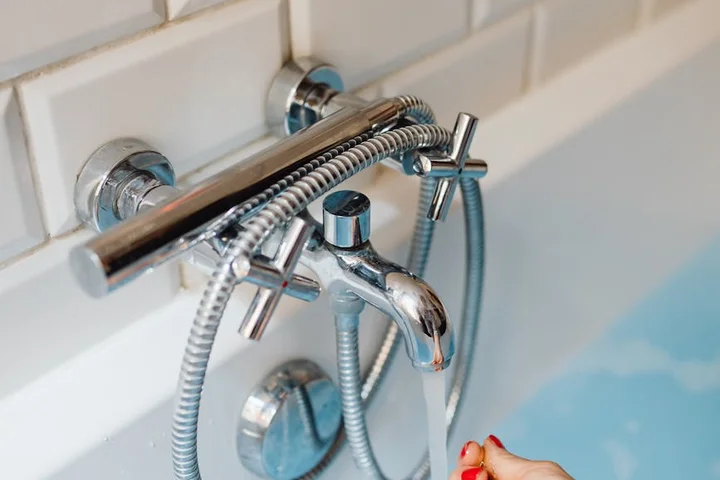
- Get the fabric to a sink. Hold the stained part under a stream of cold, running water, from the backside of the stain if you can. This pushes the stain out, not deeper in.
- Keep rinsing until the water runs clear. For Jason’s blood stain, I’d do this for a solid two minutes. The cold is numbing on a scrape, too.
- After rinsing, rub a bit of liquid laundry detergent (I use Tide Free & Clear for this) directly into the damp stain. Let it sit for 10-15 minutes.
- Wash the item alone, or with similar colors, on the coldest water setting your fabric allows. Check the label first!
The immediate first-aid step for any of these stains is always a thorough cold water rinse before you do anything else. This simple act flushes out most of the problem before it becomes one—no matter the fabric, whether it’s delicate suede or cotton.
When NOT to Use Cold Water
Cold water isn’t a magic wand for every situation. It has its limits.
If a blood or wine stain has already been through a hot dryer, it’s likely set for good. Cold water will do very little for old, set-in stains of any type. For those, you need a different strategy involving stain pre-treatments for blood stains and patience.
Always check the fabric care label before you pick a temperature. Silks, wools, and some bright synthetics often require cold water washes to prevent damage or shrinking. The fabric’s needs trump the stain’s.
The Science Made Simple: A Stain Family Breakdown
You don’t need a chemistry degree. Think of stains as three big families, each reacting to temperature in its own way.
The Protein Family: They Hate Heat
Members: Blood, egg, milk, vomit, gravy, mud (which contains organic matter).
Science in Action: Heat causes proteins to denature and coagulate. It’s exactly what happens when you fry an egg. That solid, cooked egg white is nearly impossible to get off the pan with water alone. On fabric, it becomes a glued-on mess.
My Rule: Always rinse protein stains with cold water first. I even wash the egg bowl with cold water before using hot to get the grease. It prevents that sticky film.
The Oil/Grease Family: They Love Heat
Members: Cooking oil, butter, bacon grease, lipstick, some body oils.
Science in Action: Heat liquefies fats and oils. Think about butter melting in a warm pan. Warm to hot water helps keep these stains in a liquid state so detergent can surround them and wash them away.
My Rule: For a greasy stain on a sturdy fabric, I pre-treat with a bit of dish soap (like Dawn) and wash in the warmest water the fabric can handle. Cold water can make grease waxy and harder to remove.
The Tannin Family: Tricky and Temperature-Sensitive
Members: Coffee, tea, wine, fruit juice, grass.
Science in Action: These are plant-based dyes and compounds. Heat can set them, making the stain permanent. They often need a neutralizer, like the lifting action of a detergent or a mild acid (like white vinegar for a fresh coffee stain).
My Rule: Cold water first to flush. Then, I use a laundry detergent with enzymes, which work well in cooler water to break down the stain. To prevent stains after washing, I avoid heat and air-dry to stop any remaining spots from setting.
How Temperature Plays with Cleaners
Your tools work differently depending on the temperature.
Enzymes in Detergent: These are like little pac-man molecules that eat stain particles. Many modern laundry detergents contain enzymes that work best in warm water, but they are deactivated or killed by very hot water. Warm, not scalding, is their sweet spot.
Hydrogen Peroxide & Oxygen Bleaches (like OxiClean): These work through oxidation. They are generally activated by water. Warm water can speed up the reaction, but for a delicate fabric or a dye-based stain, cool water is safer and still effective. I always test first.
Soap and Detergent: They generally dissolve and activate better in warm water, helping them penetrate fibers and surround soil. But a good detergent is formulated to work in cold water, too, which is why that initial cold rinse with detergent rubbed in is so powerful.
Smart Steps: Avoiding Pitfalls and Choosing Wisely
Getting the water temperature wrong doesn’t just fail to clean the stain. It can create a bigger, permanent problem. I learned this the hard way with one of Jason’s white soccer jerseys, which is one of those stain removal mistakes to avoid.
I used hot water on a grass and mud stain, thinking heat was better for dirt. The mud washed out, but the grass left a faint, greenish-yellow shadow that never came out. The heat set the plant proteins right into the fabric.
The main risks fall into three categories:
- Setting Stains: Heat causes proteins (blood, dairy, egg, grass) and tannins (wine, coffee, tea) to bind permanently to fabric fibers.
- Shrinking Fabrics: Wool, silk, and some synthetic blends can shrink or become misshapen in hot water.
- Fading Colors: Hot water can cause dye to release from fabric, making colors look dull and old.
The Golden Rule for Any Mystery Stain
My universal, never-fail first step is simple. Always, always start with cold water when you don’t know what the stain is.
Cold water keeps a stain contained. It prevents it from setting deeper into the fibers. You can always apply heat later if you need to, but you can never take heat back once it’s done its damage. I treat cold water like a “pause” button for stains.
Your Quick-Reference Temperature Guide
Once you’ve identified the stain, you can choose your temperature with confidence. Here’s my go-to list, honed from years of testing.
| Water Temperature | Best For These Stains | Why It Works |
|---|---|---|
| Cold Water | Blood, Wine, Grass, Mud, Fruit Juice, Ice Cream, Vomit | Prevents protein-based stains from cooking into fabric. Keeps dyes from setting. |
| Warm Water | Cooking Oil, Butter, Grease, Makeup, Bodily Oils, Baby Formula | Melts and suspends fatty substances so detergent can wash them away. |
| Hot Water | Cotton or Linen Bedding (whites only), Diapers, Sweat-Stained Towels | Sanitizes and breaks down oils and salts on the most durable, colorfast fabrics. |
Remember, hot water is generally for disinfecting durable, white cotton items, not for stain removal itself. For stains, warm and cold are your primary tools.
The Non-Negotiable Safety Step
Before you treat any stain with any temperature of water, you must do a patch test.
Find a hidden spot-an inside seam, a corner under the collar, the back of a cushion-and apply your cleaning solution with a cotton swab. Blot it dry and check for color transfer, fading, or texture change.
I test everything, even on our car seats or Roger’s hunting jackets. A ruined hidden seam is a lesson. A ruined whole item is a tragedy.
A Rule of Thumb from Martha
My mom, Martha, taught me a simple phrase I repeat like a mantra when a new stain appears: “Cold keeps control.“
It reminds me to start gently. It applies to Jessica’s grape juice spills on the carpet and the mystery drips on the driveway from my car. Rushing to hot water feels proactive, but it’s often the mistake you can’t fix. Start cold, assess, and then move warmer only if the stain and fabric allow it.
FAQ about Using Water Temperature on Stains
1. How does water temperature affect my laundry detergent’s stain-fighting power?
Warm water helps dissolve detergent fully and activates the enzymes in many formulas, making them more effective on grease and body soils. However, very hot water can actually deactivate these enzymes, so stick to warm for most loads with modern detergents.
2. I treated a grass stain with hot water and now it’s set. What can I do?
Soak the garment overnight in a solution of cold water and an oxygen-based bleach (like OxiClean) to break down the heat-set plant proteins. Wash it in cold water afterward; if the stain remains, avoid the dryer and repeat the soak before trying a color-safe bleach on durable fabrics.
3. Can I use warm water on a wine stain if I’m out of cold?
No, using anything but cold water on a fresh wine stain will set the tannin dyes permanently. If cold water isn’t available, use club soda or even a cool, damp cloth to blot the stain until you can properly rinse it with cold water.
4. What’s the safest temperature for delicate fabrics like silk or wool with a stain?
Always use cold water for delicates to prevent shrinkage, distortion, or damage to the fibers. Gently dab the stain with a cold, damp cloth and a drop of mild detergent formulated for delicates, then lay the item flat to air dry.
5. Is there a stain that always requires a specific temperature, no matter what?
Yes, blood stains always demand an initial cold water rinse to prevent the proteins from coagulating and bonding to the fabric. This rule holds true even on fabrics that are typically washed in warm water-always start cold for blood.
Your Action Plan for Water Temperature
Always let the stain’s nature and the fabric’s care tag dictate your water temperature, not a guess. This simple habit prevents setting stains or damaging fibers, keeping your favorite items looking newer, longer. For more home-tested methods and stories from my own laundry room, follow along right here on Stain Wiki.
Written by Suzanne Rosi Beringer. Suzanne is an accomplished chemist, laundry expert and proud mom. She knows the science and chemistry of stains and has personally deal with all kinds of stains such as oil, grease, food and others. She brings her chemistry knowledge and degree expertise to explain and decode the science of stain removal, along with her decades long experience of stain removal. She has tried almost everything and is an expert on professional and DIY stain removal from clothes, fabric, carpet, leather and any other items dearest to you.