How to Remove Stains from Interior Walls: Your Complete Guide
Noticed a fresh mark on your wall? Don’t worry. You can often erase a new stain with just a damp microfiber cloth and a drop of dish soap.
This guide will walk you through: proven cleaners for painted walls, delicate steps for wallpaper, repair tricks for stained drywall, and how to handle stubborn grease or ink.
I’ve cleaned countless wall stains from my own home, from my daughter Jessica’s crayon art to my husband Roger’s outdoor gear smudges.
Before You Start: What Kind of Stain and Wall Do You Have?
Right after my son Jason’s eighth birthday party, I found a mystery splatter on the dining room wall. Was it cake frosting or soda? I had to figure it out before I could clean it. You need to do the same.
First, look at the stain. Is it shiny and slick? That’s probably grease from cooking. Is it a dark ring? That’s often a water stain. Fuzzy or speckled? That might be mold.
Next, touch your wall. Is it completely non-shiny? That’s flat paint. Does it have a soft glow? That’s eggshell or satin. Is it shiny? That’s semi-gloss or gloss. For wallpaper, feel if it’s smooth and plastic-like (vinyl) or more porous (paper).
Knowing exactly what you’re dealing with is the only way to clean a stain without making a bigger mess. For stubborn stains, dry cleaning can be more effective than water-based methods. Understanding how it handles tough stains helps you choose the best approach.
The Stain Wiki Panic-Level Guide for Wall Stains
Not all stains demand instant action. Here’s my real-world rating system from 1 (chill) to 10 (panic).
- Fresh Food or Drink Splatter (Panic Level 4): Act within an hour. Sugar and dyes set quickly. I learned this after Jessica’s grape juice incident.
- Fresh Water Stain (Panic Level 3): Dry it fast to prevent a ring, but the stain itself is often easy. The “golden window” is before it dries with minerals.
- Crayon or Pencil Mark (Panic Level 2): Low urgency, but waxy crayon can spread if you rub it wrong.
- Grease or Oil Splatter (Panic Level 6): Old grease stains from my husband Roger’s kitchen experiments are tough. Tackle them within a day.
- Scuff Mark (Panic Level 1): No rush. These are usually on the surface.
- Active Mold or Mildew (Panic Level 9): This needs immediate attention for health reasons. That faint smell in a damp bathroom? Don’t ignore it.
- Old, Set-In Stain (Panic Level 7): The stain has bonded with the paint or wall. Patience is your new best friend.
Your Wall Surface Compatibility Quick-Reference
| Wall Surface | Safest Cleaning Solutions | Safest Tools |
|---|---|---|
| Flat / Matte Paint | Plain water, water-based cleaner | Soft microfiber cloth, very gentle dabbing |
| Eggshell / Satin Paint | Diluted dish soap, mild all-purpose cleaner | Soft sponge, microfiber cloth |
| Semi-Gloss / Gloss Paint | Mild detergent, vinegar solution | Soft cloth, melamine foam pad (used gently) |
| Vinyl Wallpaper | Mild soap and water | Damp cloth, no soaking |
| Paper Wallpaper | Almost none-spot test with a dry eraser first | Dry cleaning methods only |
| Primed / Painted Drywall | Same as paint sheen guide above | Soft cloths, avoid abrasives |
Critical Red Flags: What Never to Do on Your Walls
My aunt Jessica once used a scrub brush on her flat-paint accent wall. It left a permanent shiny patch. Learn from her mistake.
- Never use abrasive pads or stiff brushes on flat paint. You will scrub the finish right off.
- Never soak non-washable wallpaper with water or cleaner. It will bubble and peel.
- Never use bleach or ammonia on colored wallpaper or dyed surfaces. It will strip the color.
- Never apply excessive water to unpainted drywall. It will swell and crumble.
- Never start cleaning without doing a test patch in a hidden corner first.
Always test your cleaning method in a closet or behind furniture to see how your wall reacts.
How to Remove Stains from Painted Walls (Step-by-Step)
This is where we get our hands dirty. I’ve cleaned everything from toddler art to mystery kitchen splatters on our walls.
Preparing Your Painted Wall for a Fight
You wouldn’t run a marathon without stretching. Don’t clean a wall without prep.
- Dust the Area: Use a dry, soft microfiber cloth to wipe away any loose dust. This stops you from grinding dirt into the stain.
- Identify the Sheen: Look at the wall from an angle under a light. No shine? Flat paint. Soft luster? Probably satin. Mirror-like? Gloss.
- The Non-Negotiable Test Patch: Apply your chosen cleaner to a hidden spot. Wait a minute, then blot dry. Check for color transfer, dulling, or damage.
The Best Cleaning Solutions for Your Paint’s Sheen
Flat paint is delicate. Gloss paint is hardy. Your cleaner should match.
For Flat or Matte Paint: Stick with the gentlest options. I use a mist of plain water or a drop of clear, dye-free dish soap in a cup of warm water. My mom Martha taught me that.
For Satin, Eggshell, or Gloss Paints: You have more leeway. A solution of 1 part white vinegar to 4 parts water works for many stains. For grease, a few drops of Dawn dish soap in water is my go-to. Surfactants act as emulsifiers, helping grease lift away from the surface. That’s why a little dish soap is so effective here.
All paint sheens hate harsh chemicals like acetone or undiluted bleach. They can strip the paint film.
Step-by-Step Attack Plans for Common Stains
Now, let’s target specific offenders. Remember to blot, not scrub, in gentle circles.
How to Remove Grease and Oil Stains from Painted Walls
The wall behind my stove tells the story of every stir-fry. Here’s how I handle grease.
- Mix a drop of blue Dawn dish soap into a bowl of warm water. It cuts grease better than others.
- Dampen a microfiber cloth in the solution and wring it out well.
- Gently dab the stain. You’ll see the grease start to lift into the cloth.
- Rinse the area with a cloth dampened with plain water to remove soapy residue.
- Dry immediately with a clean, dry towel. Lingering moisture can cause a ring.
For old grease, you may need to repeat the dab-and-rinse process two or three times.
How Do You Remove Water Stains from Painted Walls?
A leak from my son’s fish tank left a perfect brown ring. Vinegar was the fix.
- Mix equal parts white vinegar and distilled water in a spray bottle.
- Lightly mist the stain, or apply with a damp cloth.
- Let it sit for one minute to dissolve the mineral deposits.
- Blot dry with a clean cloth.
- Ensure the wall is bone-dry by letting air circulate. A fan helps.
The vinegar breaks down the minerals that cause the discoloration. If the stain remains, it might be mold, not just water.
How to Remove Mold and Mildew Stains
Safety first. Wear gloves and open a window. My mother-in-law Brianna swears by this method for her Texas bathroom.
- For small spots on a glossy, non-porous paint, mix 1 part bleach to 3 parts water.
- Apply only with a cloth to the stain-do not spray bleach mist.
- Let it sit for no more than 5 minutes, then rinse thoroughly with a water-dampened cloth.
- Dry completely. For a non-bleach option, use straight white vinegar in a spray bottle, let sit 10 minutes, then wipe.
If the mold covers a large area or the wall feels soft, stop. You have a bigger problem that cleaning won’t fix.
How to Remove Crayon, Marker, and Ink Stains
Jessica, age three, is a prolific wall artist. Different marks need different tricks.
- For Crayon: Make a paste with baking soda and a tiny bit of water. Gently rub it on the wax with your finger or a soft cloth. The baking soda acts like fine sandpaper. Wipe away with a damp cloth.
- For Washable Marker: A damp magic eraser melamine foam pad usually works. Use light pressure.
- For Permanent Marker or Ink: This is tough. Dab a cotton swab in isopropyl alcohol (rubbing alcohol) and carefully tap the stain. Test first! Alcohol can strip some paints.
Always blot, don’t rub, to avoid spreading the color.
How to Remove Scuff Marks and Smudges
From soccer bags to dog paws, my hallway walls see a lot of action.
A white vinyl pencil eraser is my secret weapon for satin paint scuffs. It literally erases them. For glossier walls, a damp Mr. Clean Magic Eraser pad works wonders with minimal pressure.
If you use a magic eraser, let the pad do the work-don’t press hard, or you’ll burnish the paint.
Chemistry Corner: Why Your Kitchen Staples Work on Wall Stains
You don’t always need fancy products. The science is in your pantry.
Dish soap tackles grease because its molecules have one end that grabs onto oil and another that loves water. This emulsification pulls grease into the water so you can wipe it away.
White vinegar dissolves water stain rings because it’s a mild acid. It breaks down the alkaline mineral deposits (like calcium) left behind when water evaporates, unlike water stains on porous surfaces such as granite.
Baking soda on crayon works because it’s a mild, physical abrasive. It scrapes off the waxy layer without harsh chemicals. Think of it like a very gentle sandpaper compared to other abrasive cleaners.
The Delicate Art of Cleaning Wallpaper Stains
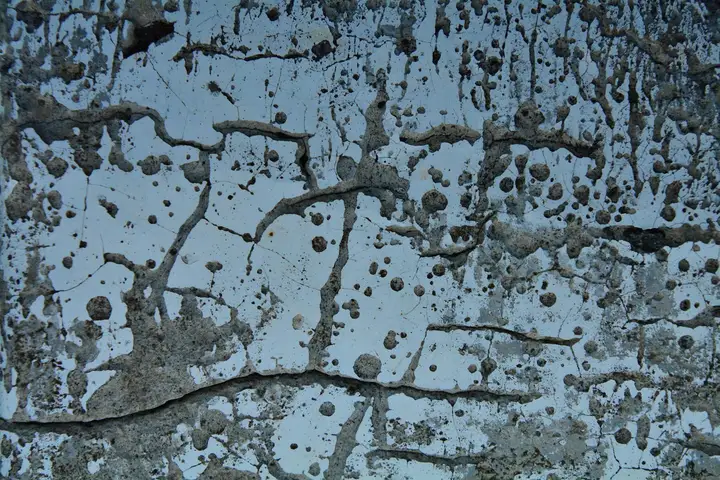
How do you remove stains from wallpaper? The honest answer is you often can’t get them all the way out. Cleaning wallpaper is about improvement, not perfection. Damage is a real risk.
You must know what you’re working with. Vinyl or “washable” wallpapers have a protective plastic coating you can gently clean. Non-washable, paper, or vintage wallpapers are a different story. Water or cleaner will ruin them, causing colors to bleed and paper to bubble.
My mom Martha has old floral paper in her guest room. A splash of water from a vase left a dull mark. We dabbed it with a dry cloth and left it alone. Trying to “clean” it would have made a bigger, uglier problem, especially since it’s water stains on paper.
Always use a patting or dabbing motion. Never scrub or rub. Stop the moment you see the color on your cloth changing or the texture looking fuzzy.
Your First and Most Important Step: The Hidden Spot Test
Before you touch the stain, test your method. Find a hidden spot behind furniture, inside a closet, or at a seam. Apply your cleaner with a cotton swab. Wait for it to dry completely. If the stain is on upholstery, this method can be adapted for blood stains. A detailed guide for removing blood from furniture fabric appears in the next step.
Check for color transfer to your swab or any change in the wallpaper’s sheen or texture. If anything looks wrong, that method is not safe for your walls.
Gentle Techniques for Specific Wallpaper Stains
For vinyl or washable papers only, try these careful methods.
- Water Stains: How do you remove water stains from wallpaper? Often, you don’t. For fresh splashes, immediately blot with a dry, absorbent microfiber cloth. For older stains, a barely-damp cloth dabbed on the area may help. Let air dry.
- Crayon or Pencil: Use a dry, white eraser (like a art gum eraser). Gently roll it over the mark. The crumbs will fall away. Vacuum them up carefully.
- Grease or Food: On vinyl, make a thick paste of cornstarch and water. Smear a little on the stain, let it dry completely to absorb the grease, then brush it off with a dry cloth.
- Ink: How to remove ink marks? This is very tough. Try dabbing with a cotton ball soaked in rubbing alcohol on vinyl paper only. It might work, or it might spread the stain. Test first!
Here’s a pro-tip from my aunt Jessica. For textured wallpaper with general dirt or smudges, use the inside of a white bread crust. Gently roll the soft, doughy part over the area. It acts like a mild, dry eraser that conforms to the texture.
After any damp cleaning, blot all excess moisture immediately. Promote air circulation by opening a window or running a fan to prevent seams from peeling.
When to Call It: Limitations of Wallpaper Cleaning
Some stains win. Dark dye transfers from a blue jeans rub or a red wine splash on paper wallpaper are usually permanent. Mold stains on paper-based wallpaper are also a lost cause; the mold is inside the material.
If a stain is large, old, or on delicate paper, considering a replacement panel or repainting is wiser than risking major damage.
Fixing Stains on Drywall: From Water Marks to Mold
How do you remove stains from drywall? It depends if it’s painted or bare. The core goal is to clean without letting the drywall soak up water and swell.
For painted drywall, clean it like any painted wall. For bare, unpainted drywall, you have to be extra gentle. Bare drywall is like a sponge; it will absorb stains and water, which means sealing it after cleaning is non-negotiable.
Best Cleaning Solutions for Drywall Surfaces
Keep it simple and mild.
- For general dirt, grease, or smoke residue: A few drops of clear dish soap in a bucket of warm water.
- For water stains or mild mildew: A 1:1 solution of white vinegar and water in a spray bottle. Vinegar is a mild disinfectant.
- For sealing after cleaning: A stain-blocking primer like Kilz or Zinsser. This is your best friend for keeping stains from bleeding through new paint.
Step-by-Step: How to Clean Stains Off of Drywall Walls
For Painted Drywall:
- Dust the area with a dry microfiber cloth.
- Dip a soft sponge in your mild soap solution and wring it out until it’s just damp.
- Wipe the stain gently. Rinse the sponge with clean water, wring well, and wipe the area again to remove soap residue.
- Dry immediately with a clean towel.
For Bare, Unpainted Drywall:
- Vacuum the area lightly with a brush attachment to remove dust.
- Using a barely-damp sponge, gently dab the stain. Do not soak it.
- Let the area dry completely for 24 hours. Use a fan to help.
- Apply a stain-blocking primer directly over the cleaned stain. Let it dry.
- Now you can paint over the primed area.
Dealing with Textured Drywall
Popcorn or knock-down texture is fragile. Use a soft-bristled brush (like a clean paintbrush or dry wallpaper brush) dipped in your cleaning solution and lightly “tapped” onto the stain. Rinse by misting with clean water from a spray bottle and blotting gently. Scrubbing will flatten the texture.
Post-Treatment Recovery and Bigger Problems
Thorough drying is critical. After cleaning any water-based stain, point a fan at the wall. In humid climates, a dehumidifier helps. This prevents mold from growing inside the wall.
If a yellowish water stain reappears on your ceiling after you paint over it, that’s a major red flag. A returning water stain means an active leak is still feeding it. You must find and fix the leak (a roof issue, a plumbing drip) before any cleaning or painting will last.
For mold, safety first. Wear a mask and gloves. For small surface spots, vinegar or a dedicated mold cleaner can work. For large patches or mold that comes back, you likely have a moisture issue behind the wall. That requires professional help.
I learned this the hard way in my son Jason’s room. A small spot kept coming back near the window. It turned out old, cracked caulk was letting rainwater seep in. We fixed the seal, and the stain stayed gone, which was a relief because stains from water can be tricky to remove.
Advanced Tips: When to Repaint and How to Keep Walls Clean
You might look at a stubborn mark and wonder if it’s time for a fresh coat of paint. I get it. After cleaning walls in my own busy house, I know cleaning has its limits.
Let’s address the big questions directly. When should you repaint instead of cleaning? How do you shield walls from new messes? What tools make the job easier?
If you’ve tried cleaning a stain two or three times and it keeps coming back, the wall is telling you it needs more than a surface clean.
I learned this after Edward, my son’s friend, left a perfect muddy handprint that left a shadowy residue no sponge could lift.
- Multiple failed cleaning attempts: The stain resurfaces or bleeds through.
- Large or set-in stains: Think big grease splatters from cooking or a major water mark.
- Damaged paint film: Look for peeling, a chalky powder, or tiny cracks.
- Faded color: Sunlight or time can cause uneven fading that cleaning won’t fix.
Protecting walls starts with smart choices. In busy spots like hallways or kids’ rooms, choose a washable paint with a satin or eggshell finish.
My mom, Martha, taught me to use an easy-clean backsplash behind the stove. It catches splatters I can wipe away in seconds.
Regular dusting with a dry microfiber cloth is your first defense against grime buildup.
I make a quick pass every week, especially along the path where Peeta, our lab, likes to trot by.
Gather these tools before you start any wall cleaning project. They save time and prevent damage.
- Microfiber cloths for dusting and gentle wiping.
- Soft, white sponges for applying cleaners without scratching.
- Spray bottles to mist solutions evenly and control moisture.
- Drop cloths to protect your floors and furniture.
- A good, stable ladder for safe access to high corners.
Remember, some wear is perfectly normal. In a home with kids, pets, and life happening, walls will show a little love.
Signs It’s Time to Repaint, Not Just Clean
Cleaning can’t fix everything. Here are the clear signs that a stain is deeper than the surface.
Stains that bleed through cleaning are a major red flag. The pigment or grease has soaked into the drywall or primer.
Widespread discoloration, like a large water ring or yellowing from old nicotine, usually means the entire area needs a fresh start.
Peeling or chalking paint feels powdery and looks dull. My aunt Jessica in Arizona sees this a lot from the intense sun on her exterior walls.
Visible damage to the drywall paper, like tears or bubbles, means the wall itself is compromised. Painting seals and protects it.
How to Protect Your Walls from Future Stains and Scuffs
A little prevention saves a lot of scrubbing later. Think about your home’s trouble zones.
In kid zones, like playrooms, a clear protective coating over the paint can be a lifesaver. It creates a wipeable shield.
Placing soft furniture bumpers on the backs of chairs and tables stops those annoying scuff marks before they start.
We use them on all the dining chairs now, a lesson learned after Roger’s workshop stools scratched up the kitchen wall.
Establish a “no art on the walls” rule with little ones, but offer fun alternatives. We put up a large, framed whiteboard in Jessica’s room for her masterpieces.
For areas behind couches or beds, a satin-finish paint makes wiping away dust and minor marks simple. My mother-in-law, Brianna, insists on this for all her rooms.
FAQ About Removing Stains from Interior Walls
1. What’s the safest way to use bleach on a moldy wall?
Only use a diluted bleach solution (1 part bleach to 3 parts water) on glossy, non-porous paint in a well-ventilated area while wearing gloves. Never spray it; apply with a cloth, let it sit for no more than 5 minutes, and rinse thoroughly.
2. What should I do immediately for a fresh, unknown stain?
First, gently blot (don’t rub) the spot with a clean, water-dampened microfiber cloth. This can lift the stain without setting it and lets you assess if you need a stronger cleaner. However, even with this gentle approach, make sure to avoid common stain removal mistakes.
3. I don’t have a specialty cleaner; what household item works best?
For most common stains, a solution of a few drops of clear dish soap in warm water is your safest, most effective starting point. For water stain rings or mild mildew, a 50/50 mix of white vinegar and water is a powerful alternative, especially for removing hard water stains from sinks.
4. How can I stop stains from happening in high-traffic areas?
Choose a paint with a satin or eggshell finish for its wipeable durability and use clear protective coatings in kids’ zones. Installing simple chair rail molding or soft furniture bumpers can also physically guard walls from scuffs and scrapes.
5. When is a wall stain a sign to call a professional?
Call a professional for any stain caused by an ongoing leak, mold covering a large area, or any damage that has softened the drywall. These indicate deeper issues that cleaning or painting alone cannot fix.
Your Blueprint for Clean Walls
Always test your cleaning solution in a hidden area first, because the right method for drywall can ruin wallpaper. This one habit protects your walls from damage and gives you confidence to tackle any stain. I share more practical, tested tips from our home-like handling Jason’s soccer scuffs or Jessica’s artistic experiments-over on the Stain Wiki blog, so follow along for advice you can trust.
Written by Suzanne Rosi Beringer. Suzanne is an accomplished chemist, laundry expert and proud mom. She knows the science and chemistry of stains and has personally deal with all kinds of stains such as oil, grease, food and others. She brings her chemistry knowledge and degree expertise to explain and decode the science of stain removal, along with her decades long experience of stain removal. She has tried almost everything and is an expert on professional and DIY stain removal from clothes, fabric, carpet, leather and any other items dearest to you.